Artwork
A Series of Ancient Buildings and Rural Cottages in the North of England: Ayton
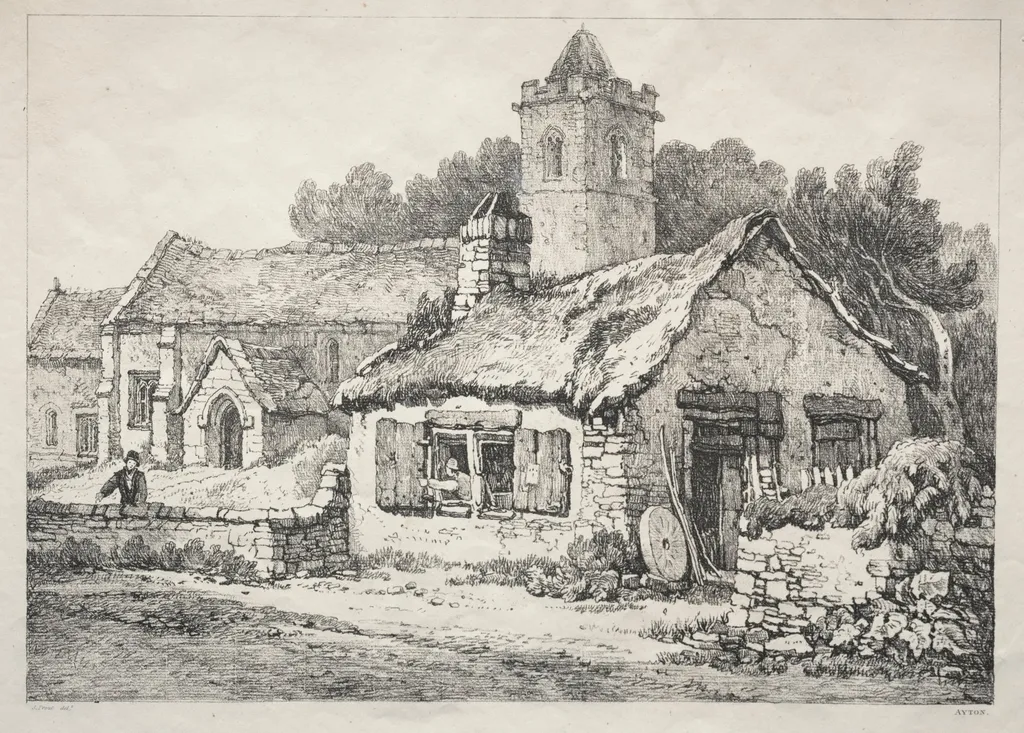
A Series of Ancient Buildings and Rural Cottages in the North of England: Ayton is a print by the Romanticist artist Samuel Prout. It dates from 1821 and is held in the collection of the Cleveland Museum of Art.
About this work
Overview
Created in 1821 by Samuel Prout, this ink and watercolor drawing depicts a rural scene in Ayton, North England. It belongs to a series documenting vernacular architecture before industrialization transformed the landscape. The work is held in the collection of The Cleveland Museum of Art and exemplifies Prout’s interest in recording modest, enduring structures with careful observation.
Subject & Meaning
These elements convey a sense of timelessness and rural continuity, reflecting an interest in everyday life rather than grand narratives.
The scene centers on a modest stone church with a narrow spire, flanked by a thatched cottage and scattered livestock. A solitary figure near the church steps suggests quiet contemplation. These elements convey a sense of timelessness and rural continuity, reflecting an interest in everyday life rather than grand narratives. The composition invites reflection on the dignity of ordinary, aging structures and the people who inhabit them.
Technique & Style
Prout employed fine ink lines and delicate washes to render textures—rough stone walls, layered thatch, and weathered wood—with precision. His attention to architectural detail, such as uneven masonry and irregular rooflines, emphasizes authenticity over idealization. The restrained palette and controlled brushwork reflect a topographical approach, rooted in observation rather than dramatic embellishment.
History & Provenance
The drawing was produced during Prout’s travels through northern England, part of a broader project to document disappearing rural architecture. It entered The Cleveland Museum of Art’s collection in the 20th century, likely through a donation or acquisition focused on 19th-century British topographical art. Its preservation reflects growing institutional interest in documenting regional heritage.
Context
In the early 19th century, Romantic artists increasingly turned to humble subjects as industrialization accelerated. Prout’s work aligns with this shift, valuing the quiet beauty of vernacular buildings over classical or picturesque ideals. His drawings served both as records and as quiet critiques of rapid change, appealing to audiences seeking connection to a perceived simpler past.
Legacy
Prout’s series influenced later generations of topographical artists and preservationists by validating everyday structures as worthy of artistic attention. His method of detailed, unembellished rendering helped shape early efforts to document architectural heritage. Though not widely known today, his work remains a valuable resource for understanding rural England before modernization.
Artist & collection
Artist
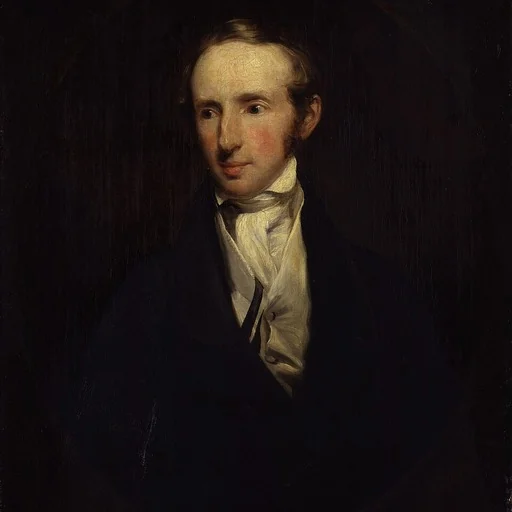
Samuel Prout (; 17 September 1783 – 10 February 1852) was a British watercolourist, and one of the masters of watercolour architectural painting, who largely invented the genre of the grand steet scene in British…

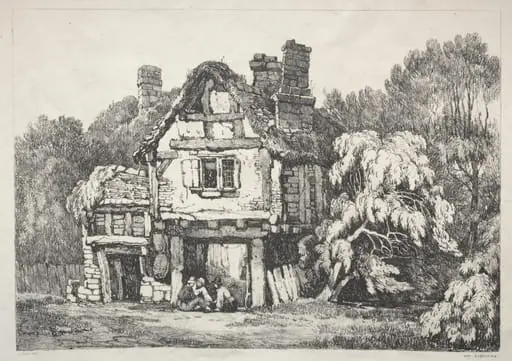 A Series of Ancient Buildings and Rural Cottages in the North of England: Near Ashbourn
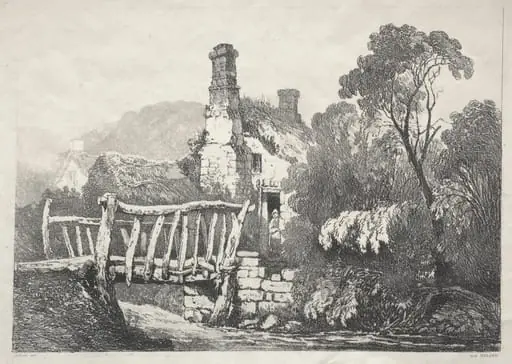 A Series of Ancient Buildings and Rural Cottages in the North of England: Near Byland
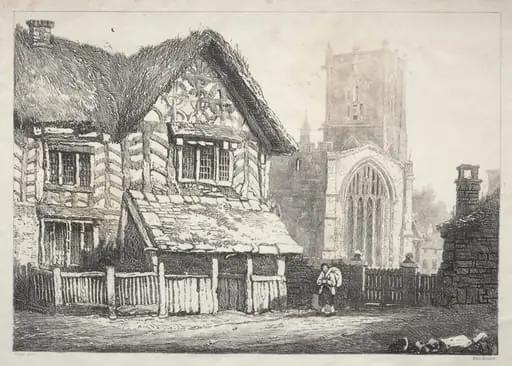 A Series of Ancient Buildings and Rural Cottages in the North of England: Helmsley
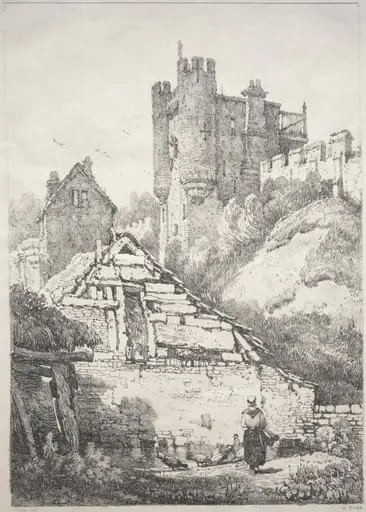 A Series of Ancient Buildings and Rural Cottages in the North of England: At York, Farmyard with Chickens
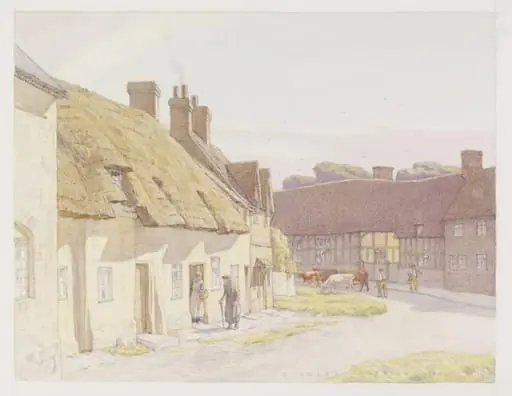 Old Cottages, Long Crendon
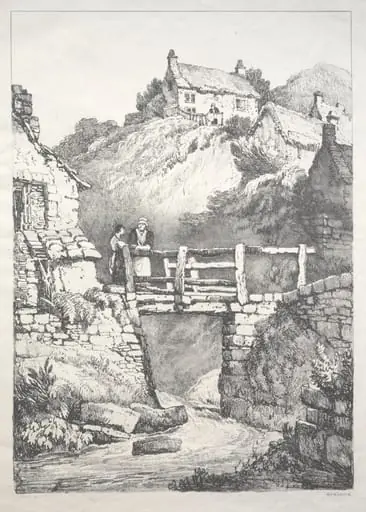 A Series of Ancient Buildings and Rural Cottages in the North of England: Runswick