Artwork
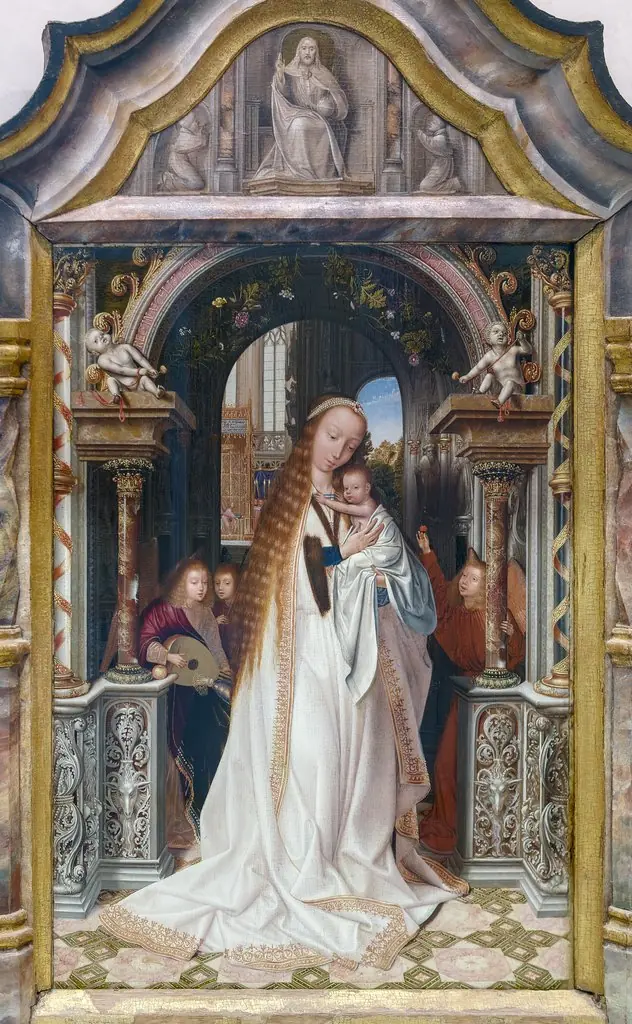
The Virgin and Child in a Gothic architectural setting
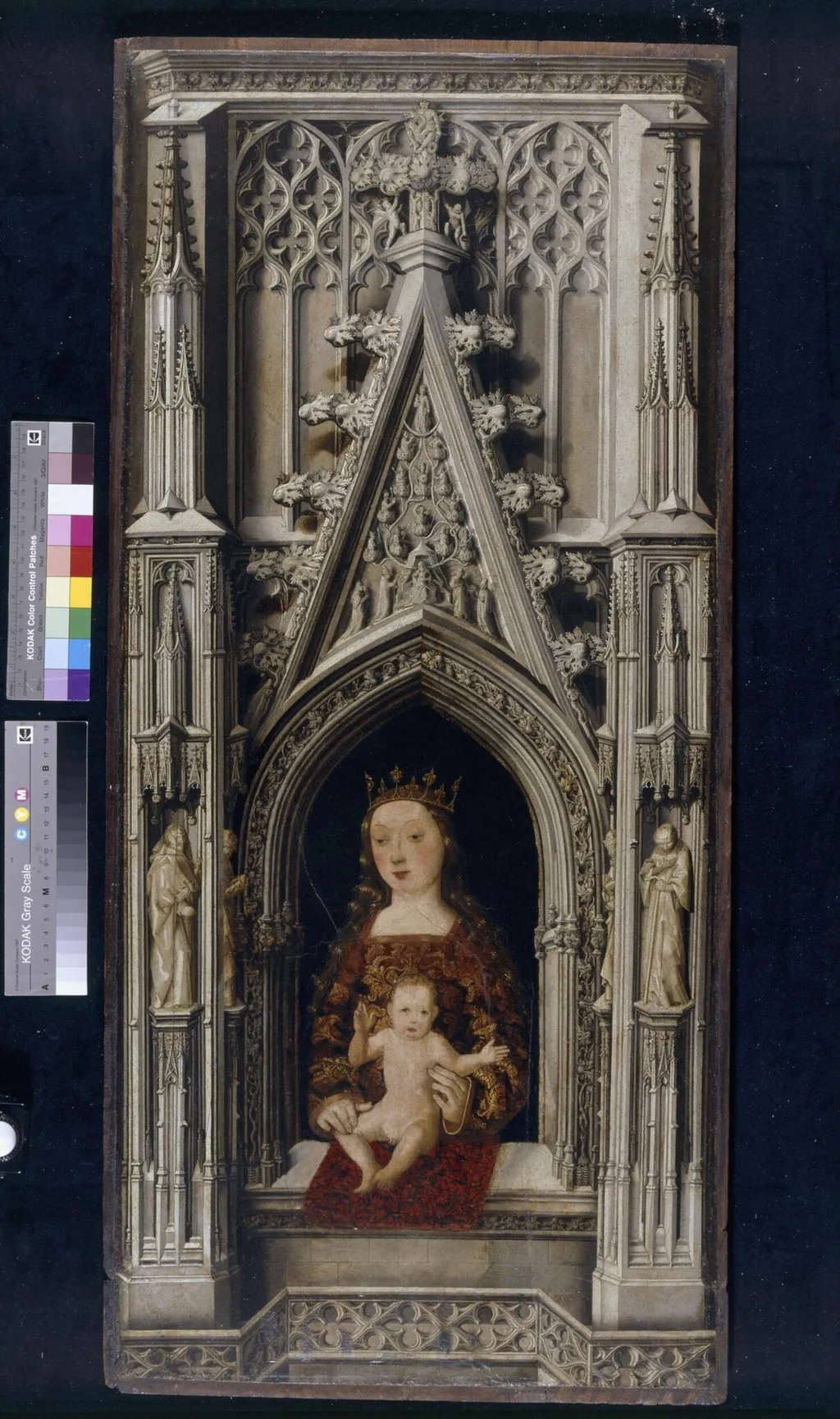
The Virgin and Child in a Gothic architectural setting is an oil painting by the Northern Renaissance artist Pedro Sanchez. It dates from 1500 and is held in the collection of the Victoria and Albert Museum.
About this work
Overview
Likely produced in Seville, it reflects a fusion of local Spanish traditions and Northern European influences, particularly from Flemish painting.
This oil painting depicts the Virgin and Child within a highly detailed Gothic architectural frame, characteristic of late 15th-century Spain. Likely produced in Seville, it reflects a fusion of local Spanish traditions and Northern European influences, particularly from Flemish painting. The composition emphasizes the ornate setting over the figures, suggesting it was designed as part of a larger devotional ensemble, possibly for a church or private chapel.
Subject & Meaning
The Virgin Mary, seated with the Christ Child on her lap, is portrayed with gentle solemnity, typical of Marian devotional imagery of the period. The figures are not the sole focus; their placement within an elaborate architectural structure implies a symbolic connection between divine presence and sacred space. The setting evokes the sanctity of the cathedral, reinforcing the Virgin’s role as the throne of heaven.
Technique & Style
The painting combines the fine detail and luminous color typical of Flemish oil technique with the decorative motifs of Spanish Gothic architecture. The Virgin’s round face and flowing curls follow Flemish models, while the frame’s acanthus leaf patterns directly reference sculptural elements from Seville Cathedral’s portals. The meticulous rendering of stone, foliage, and gold highlights demonstrates skilled craftsmanship in oil on panel.
History & Provenance
Though the artist remains unidentified, the work is attributed to the Seville workshop tradition of the late 1400s. Its stylistic ties to the cathedral’s ornamentation suggest it may have been commissioned for a religious institution in the city. No early documentation survives, but its design aligns with other devotional panels from the region that were later integrated into altarpieces or retables.
Context
In late 15th-century Spain, the blending of Flemish realism with local Gothic aesthetics was common among artists responding to trade and cultural exchange. Seville, as a major port and ecclesiastical center, became a hub for such hybrid styles. This painting reflects the broader trend of importing Northern techniques to enhance the devotional impact of Spanish religious art during the transition from medieval to early Renaissance sensibilities.
Legacy
The painting exemplifies a distinctive regional synthesis that influenced later Spanish religious art. While not attributed to a single named master, its integration of architectural detail with devotional imagery set a precedent for altarpiece design in Andalusia. Similar works by artists like Pedro Sánchez helped define a visual language that endured into the early 16th century before giving way to more classical forms.
Artist & collection

Artist
Pedro Sánchez Pérez-Castejón is a Spanish politician and economist who has served as Prime Minister of Spain since 2018.

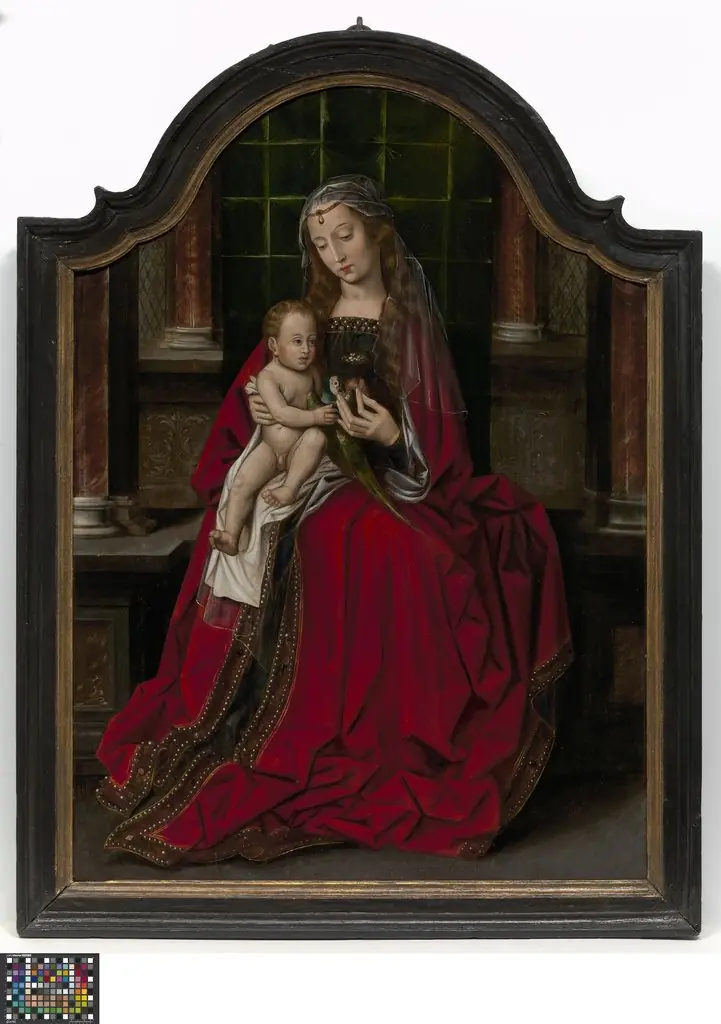 Madonna
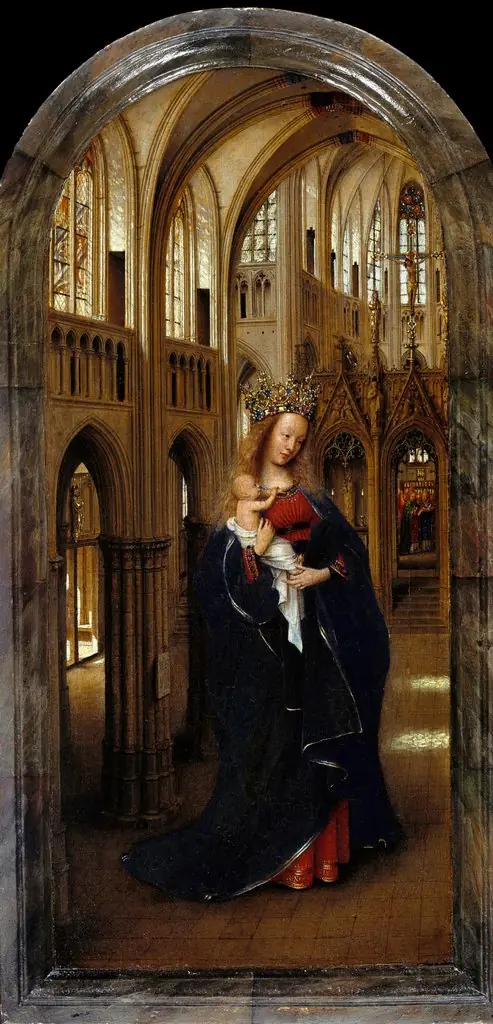 The Madonna in the Church
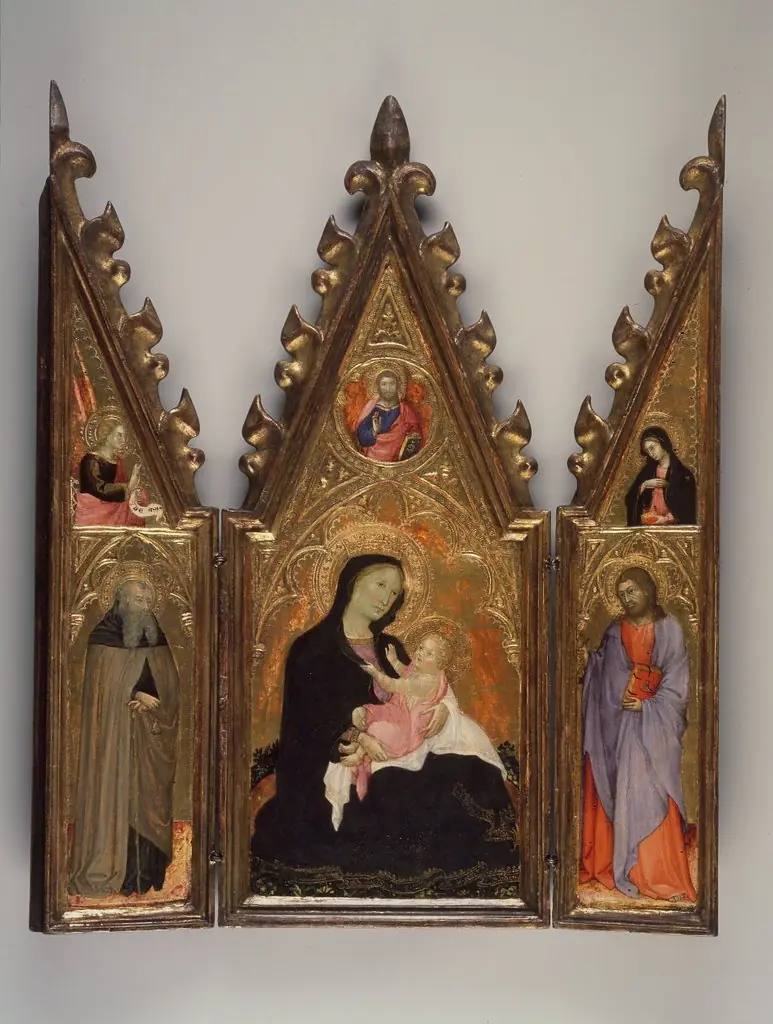 Madonna of Humility, portable altarpiece
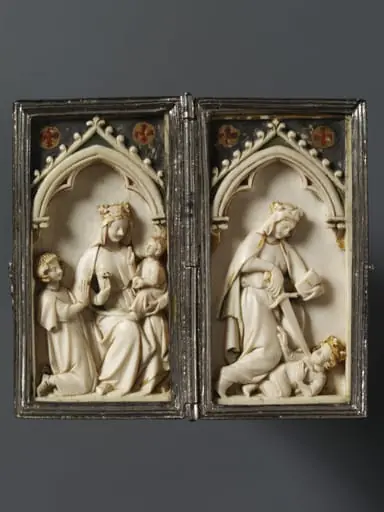 The Virgin and Child and St Catherine with the Emperor Maxentius
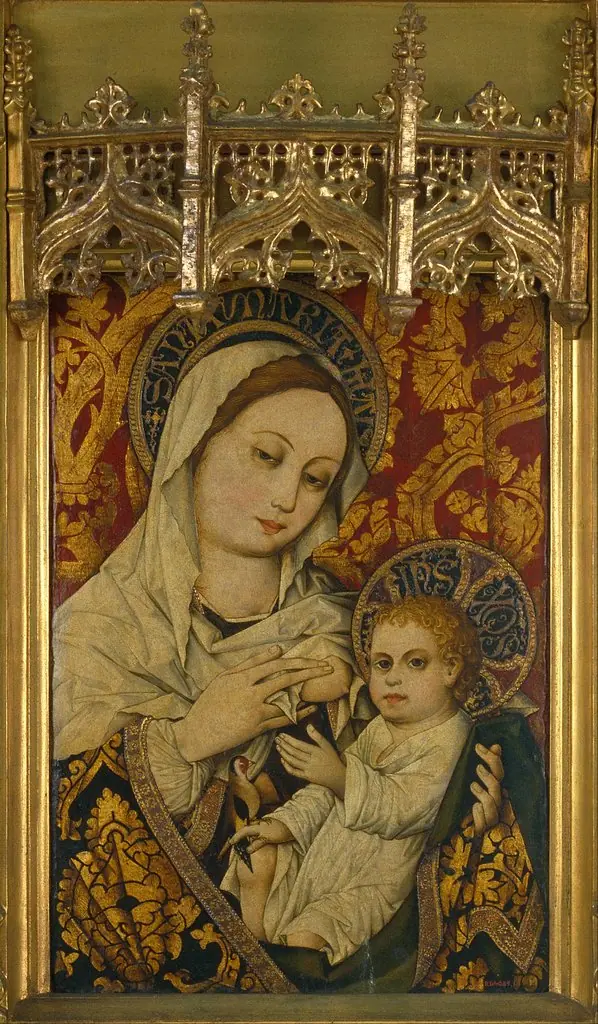 Virgin Suckling the Child
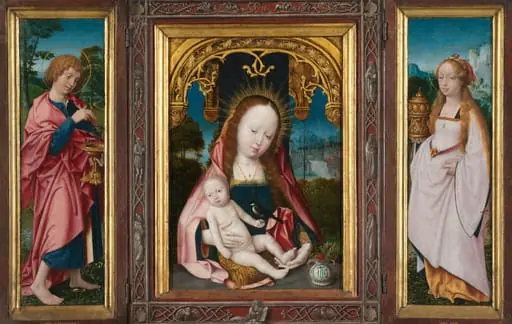 Triptych with Virgin and Child, Saint John the Evangelist (left wing) and Mary Magdalene (right wing)
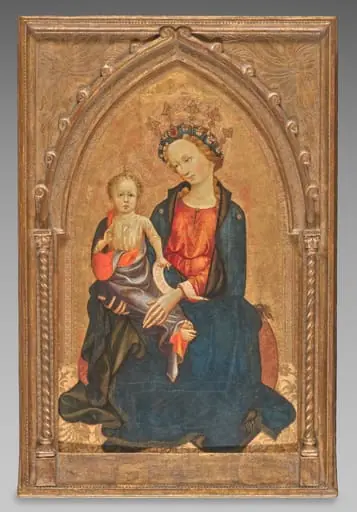 Madonna and Child
 Madonna and Child with Angels
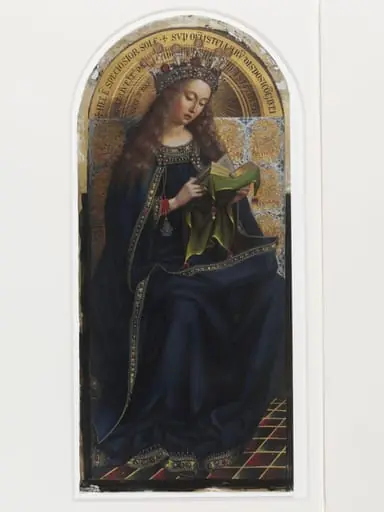 Copy of detail from the Ghent Altarpiece, The Virgin by Hubert and Jan van Eyck in the church of St Bavon, Ghent
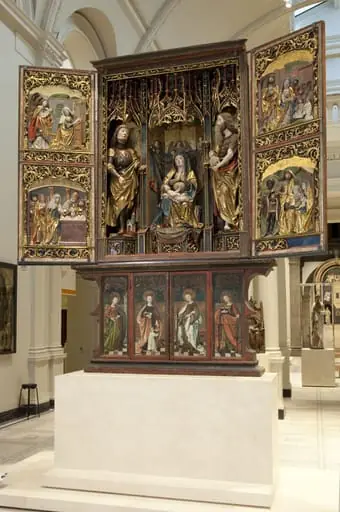 Winged Altarpiece