Artwork
Roslin Castle
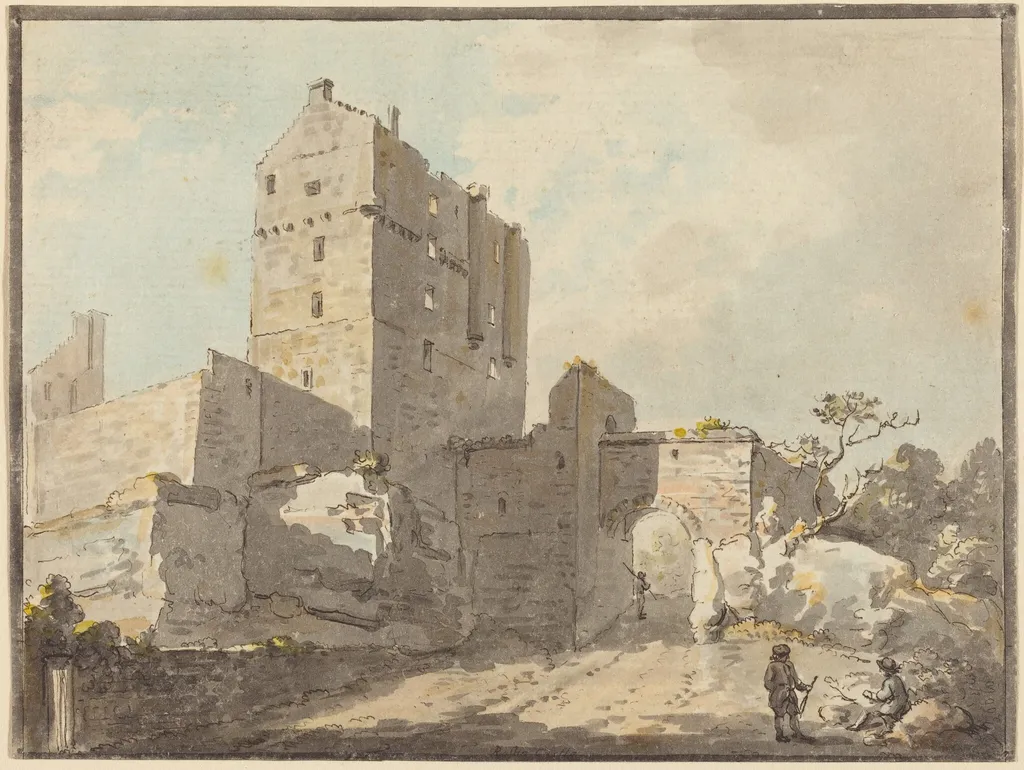
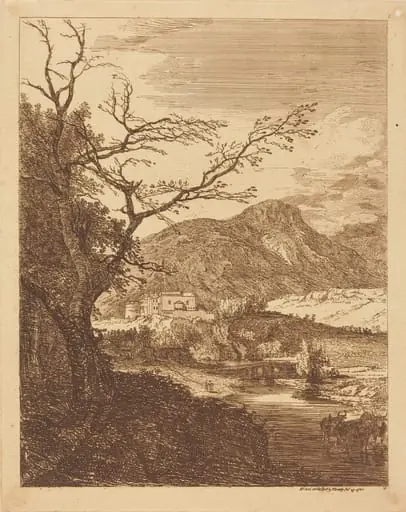
Roslin Castle is a watercolor print by the Romanticist artist Paul Sandby. It dates from 1780 and is held in the collection of the National Gallery of Art.
About this work
Overview
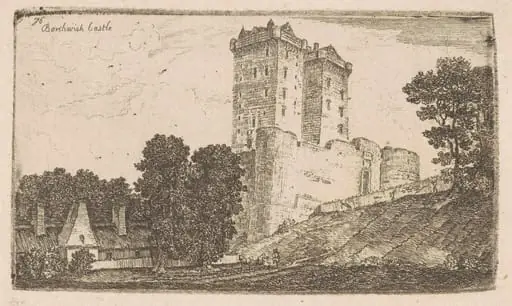
Paul Sandby produced this etching with watercolor in 1780, capturing Roslin Castle in Scotland. As a founding member of the Royal Academy and a trained surveyor, he combined topographical accuracy with atmospheric observation. The work belongs to a broader effort to record Britain’s architectural and natural landscapes during a period of growing interest in picturesque scenery.
Subject & Meaning
The scene depicts the ruins of Roslin Castle perched on a rocky bluff above the River Esk. Crumbling masonry and wind-swept trees suggest time’s quiet erosion. The composition avoids grandeur, instead emphasizing solitude and decay. The castle, no longer inhabited, becomes a silent witness to history, framed by the natural landscape that has reclaimed its surroundings.
Technique & Style
Sandby used fine etched lines to define architectural forms with clarity, preserving structural detail even in weathered stone. A translucent watercolor glaze, applied in cool blues and pale pinks, softens shadows and suggests late-day light. The laid paper’s texture enhances the tactile quality of the scene, while restrained color keeps focus on form and mood.
History & Provenance
Created after Sandby’s journey through Scotland, the work emerged from his personal sketching trips rather than commissioned projects. It was likely made for private circulation among antiquarians and landscape enthusiasts. No record of early public exhibition exists, but it aligns with his broader practice of documenting historic sites for a cultivated audience.
Context
In the late 18th century, interest in ruins and wild landscapes grew alongside Romantic sensibilities and the rise of tourism in Scotland. Sandby’s approach differed from theatrical depictions; his work valued observation over drama. His background in military surveying lent his images a documentary integrity that appealed to those seeking authentic representations of place.
Legacy
Sandby’s etchings helped shape British landscape printmaking by blending precision with poetic restraint. *Roslin Castle* exemplifies his influence on later topographical artists who prioritized truth to nature over idealization. His method of combining etching with delicate watercolor became a model for documenting heritage sites with both scientific care and aesthetic sensitivity.
Artist & collection
Artist
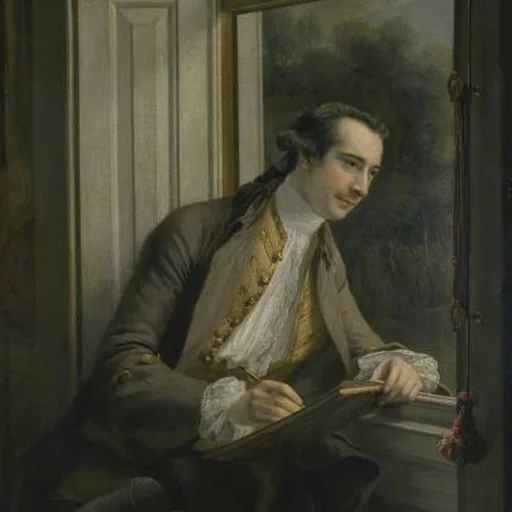
Paul Sandby, (1731 – 7 November 1809) was an English mapmaker and painter who specialised in landscape art. Along with his older brother Thomas Sandby, he was one of the founding members of the Royal Academy in 1768.

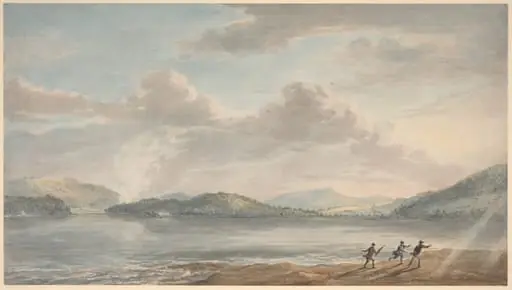
![Girl with a Bonnet Reclining [verso], by Paul Sandby](https://artifactworldgallery.com/img/paul-sandby--girl-with-a-bonnet-reclining-verso--0928b033ed2f6a70-w320.webp)
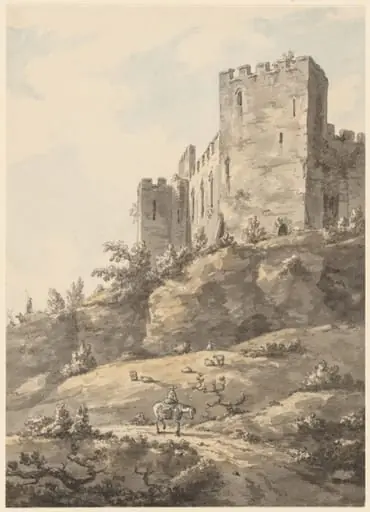 Ludlow Castle, Shropshire
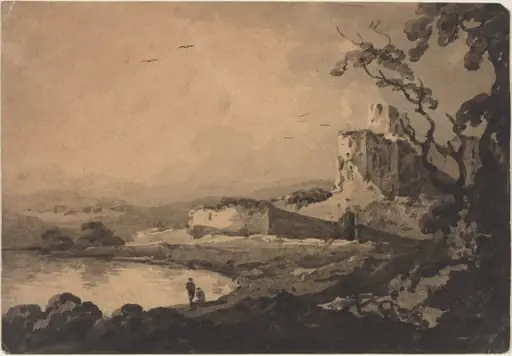 Landscape
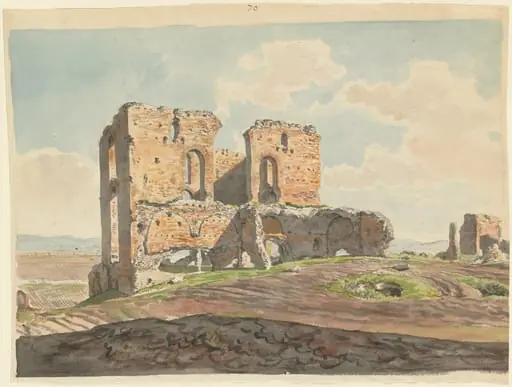 The Great Villa of the Quintilii on the Appian Way
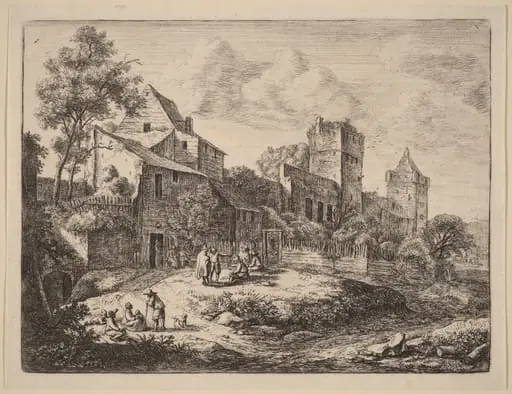 Square in Front of an Inn
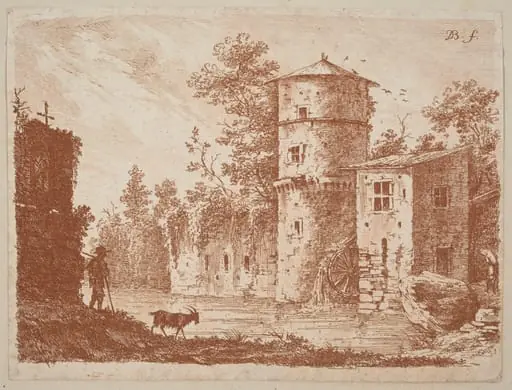 Ancient Tower at a Water Mill
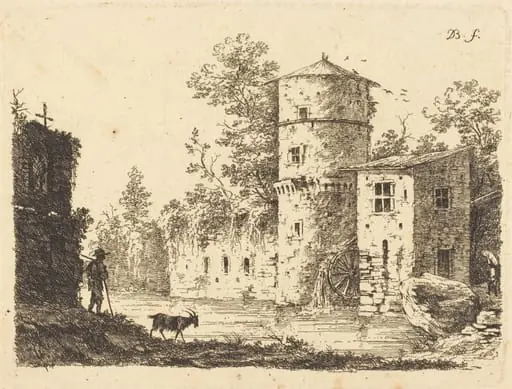 Ancient Tower with a Water Mill
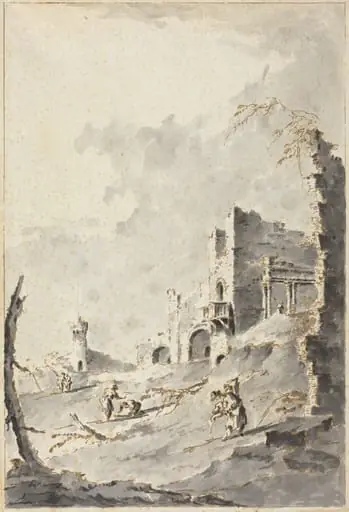 Capriccio of Classical Ruins with a Fortress
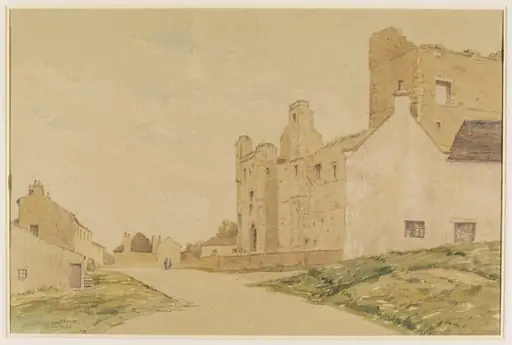 Middleham Castle
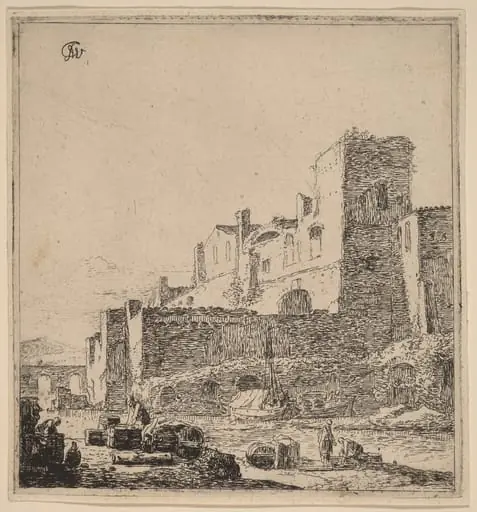 Sailors at the Waterside
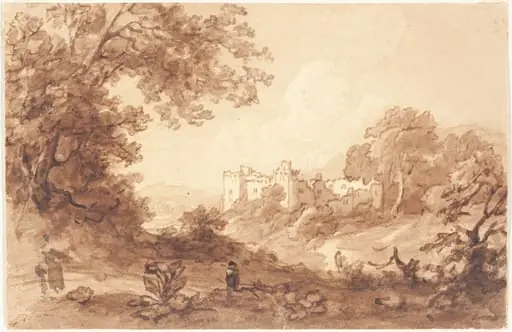 Carew Castle, Pembrokeshire
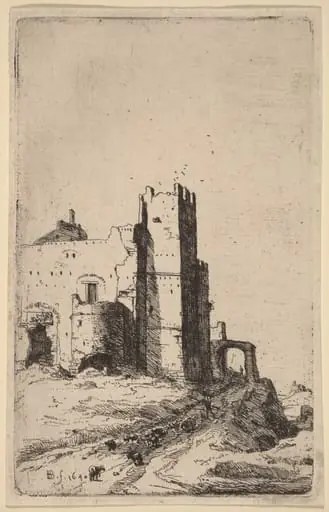 The Town of Leoni, near Frascati
 Borthwick Castle