Artwork
Studies for "Two Classical Male Figures Jumping"
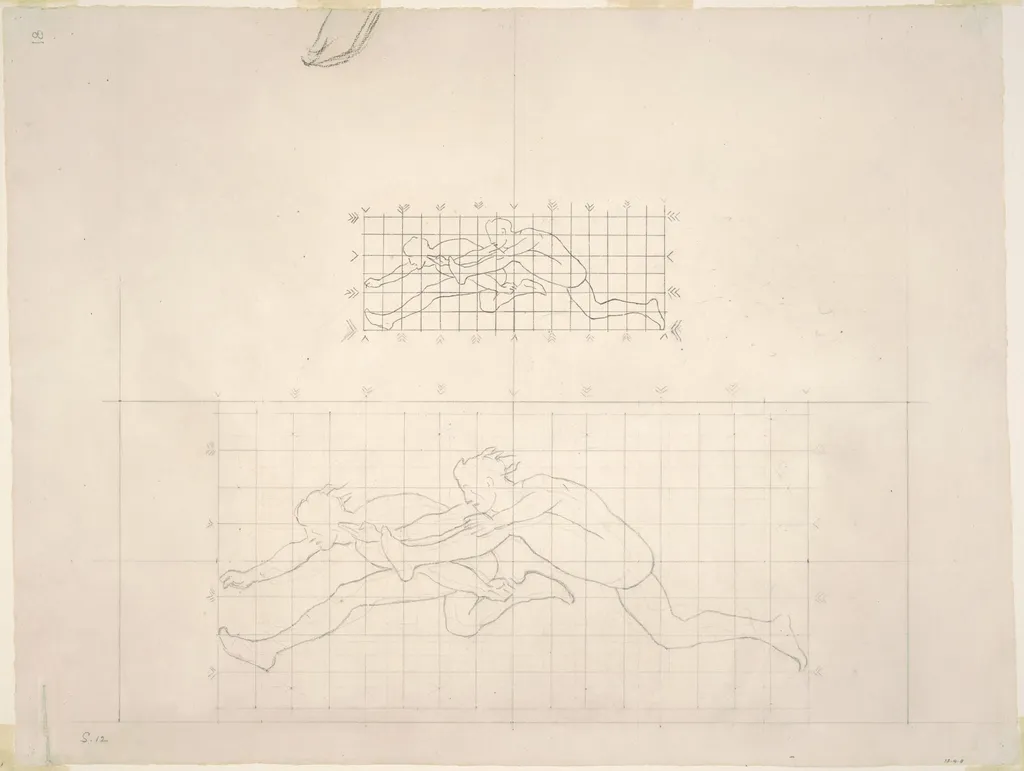
Studies for "Two Classical Male Figures Jumping" is a charcoal drawing by John Singer Sargent. It dates from 1920 and is held in the collection of the National Gallery of Art.
About this work
Overview
Created between 1919 and 1920, this drawing by John Singer Sargent records preparatory work for a larger composition featuring two male figures in mid‑air. Executed in charcoal and graphite on laid paper, the study captures the fleeting tension of the bodies as they leap, offering a concise glimpse of the artist’s investigative approach to motion.
Subject & Meaning
The composition presents two classical‑styled men caught in the act of jumping, their limbs extended and torsos twisted to suggest propulsion. By isolating the gesture, Sargent emphasizes the kinetic energy of the human form, exploring how balance and weight shift are negotiated in a moment of suspended action.
Technique & Style
Sargent employs a loose, gestural line rendered in charcoal, reinforced by graphite shading to model volume. A faint grid underlies the drawing, guiding proportion and spatial relationships while allowing the figures to retain a sense of spontaneity. The combination of media highlights both structural precision and expressive immediacy.
History & Provenance
The study was produced during the final years of Sargent’s career, a period marked by intensified interest in anatomical research and dynamic composition. It remained in the artist’s personal archive before entering a public collection, where it serves as evidence of his methodical preparation for larger works.
Artist & collection
Artist
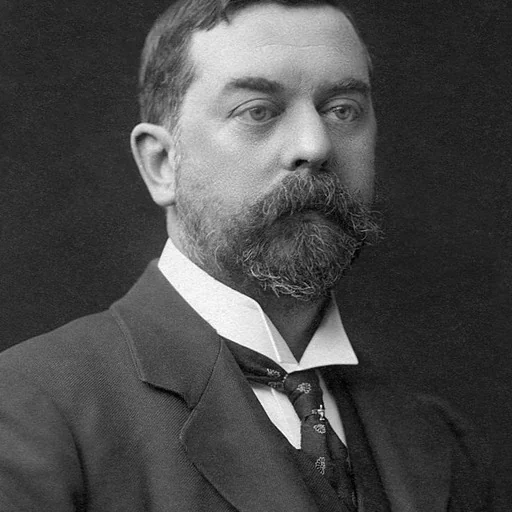
John Singer Sargent (; January 12, 1856 – April 15, 1925) was an American expatriate artist, considered the "leading portrait painter of his generation" for his evocations of Belle Époque and Edwardian-era luxury.

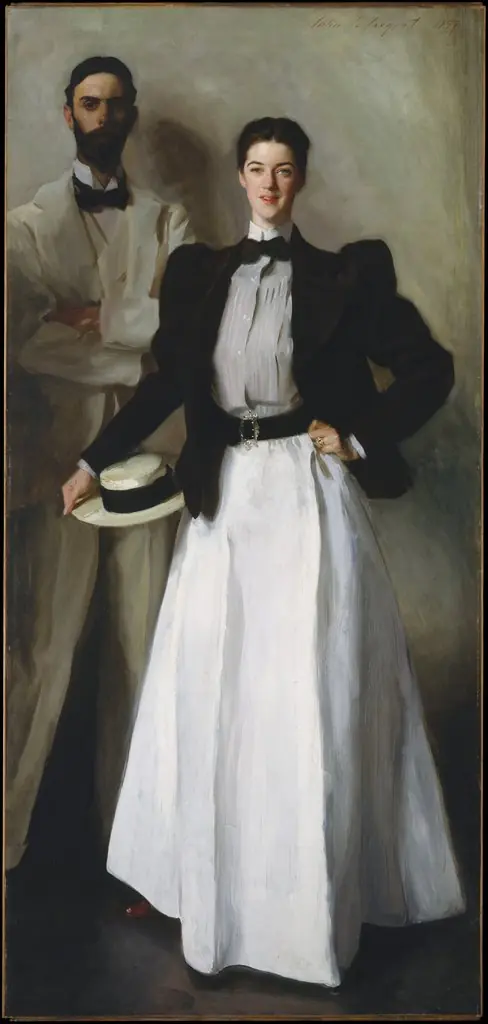
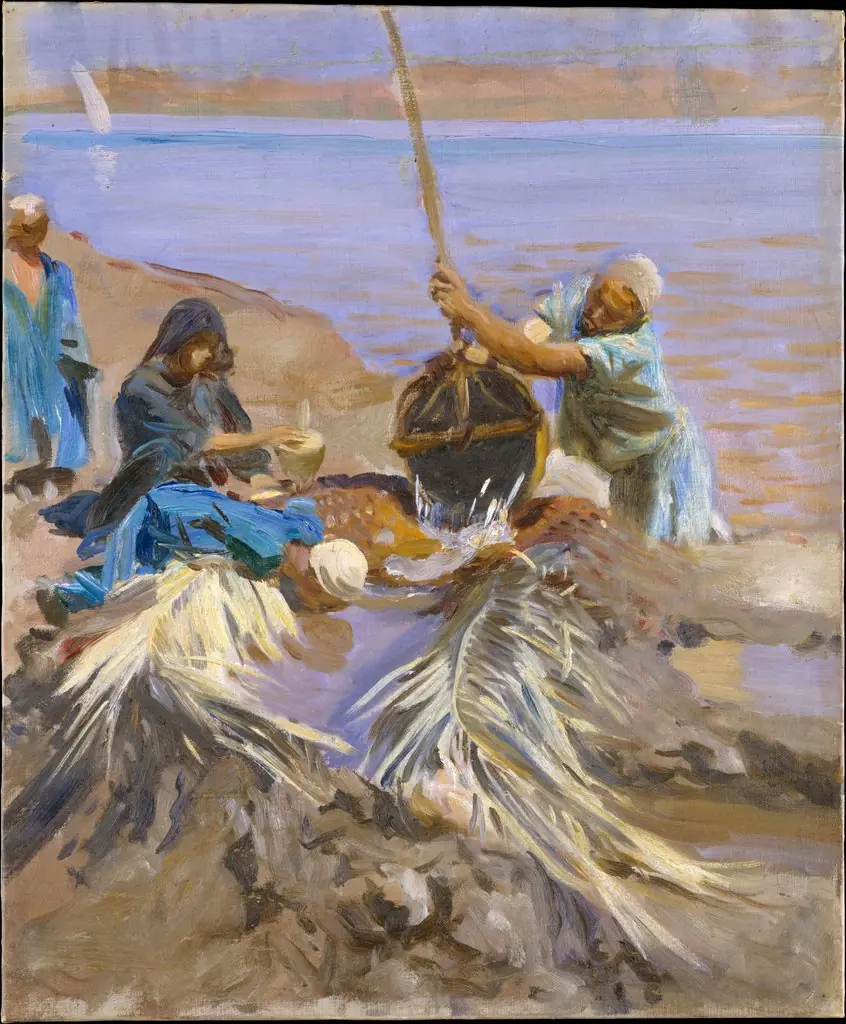
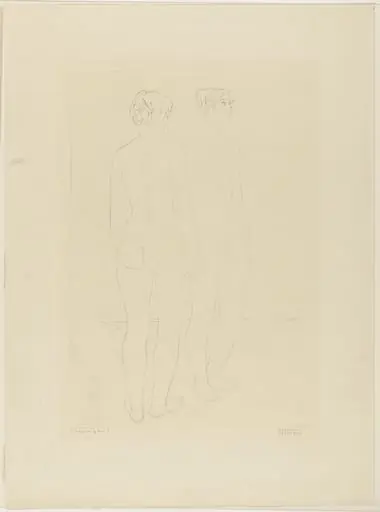 Untitled
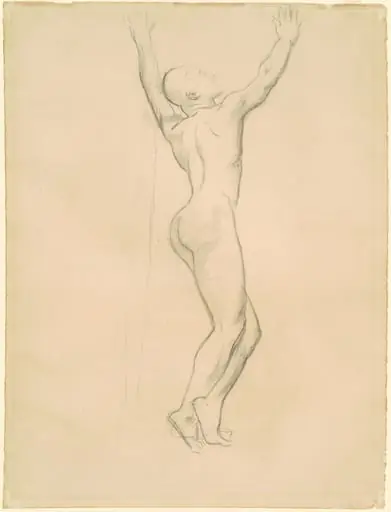 Study for "Apollo and Daphne"
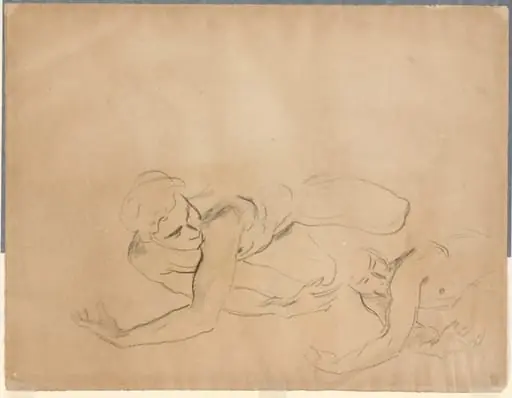 Studies of a Male Nude (verso)
![Studies of Figures [verso], by Perry, Enoch Wood, Jr.](https://artifactworldgallery.com/img/perry-enoch-wood-jr--studies-of-figures-verso--08cd7fa67b50c519-w320.webp) Studies of Figures [verso]
Studies of Figures [verso]![Study for a Border Design [verso], by Charles Sprague Pearce](https://artifactworldgallery.com/img/charles-sprague-pearce--study-for-a-border-design-verso--4676ba4a41cbb556-w320.webp) Study for a Border Design [verso]
Study for a Border Design [verso]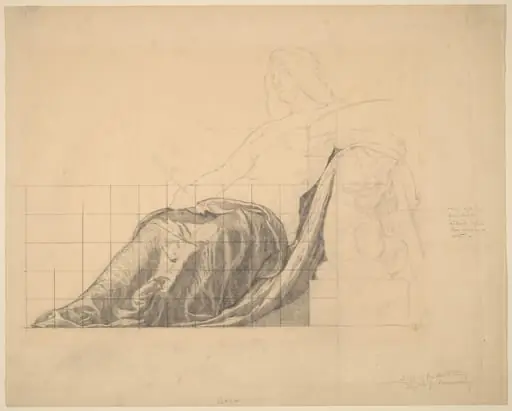 Drapery Study for Reclining Female Study for "Painting"
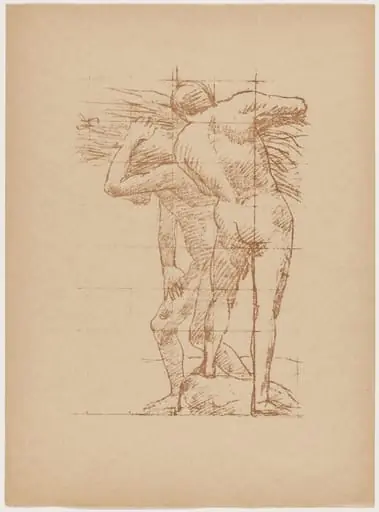 Étude
Étude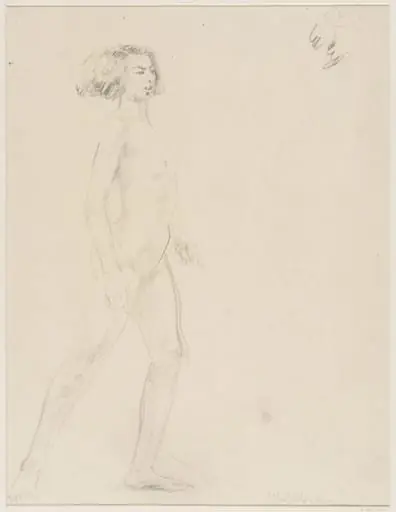 Study for the central figure in 'To the Land of Ecstasy'
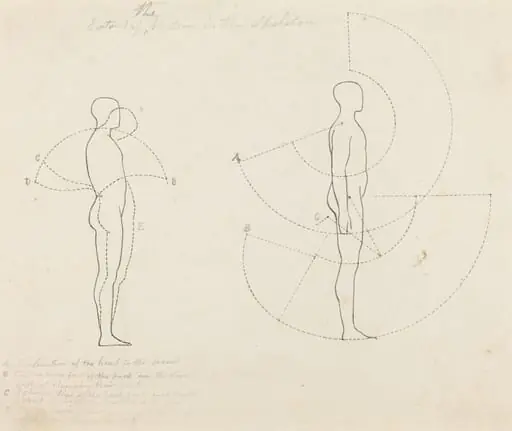 Extent of Motion Shown in Two Figures
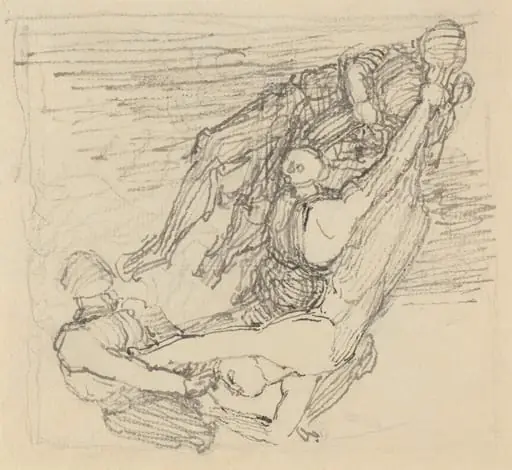 Figure Being Transported through the Air