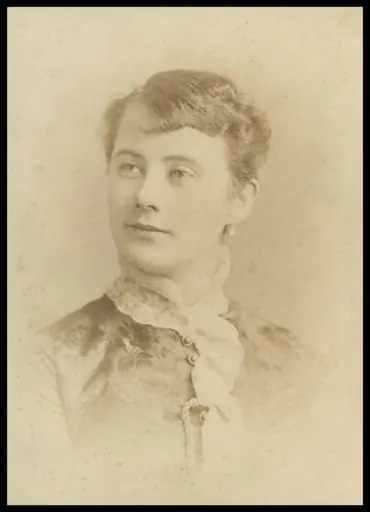
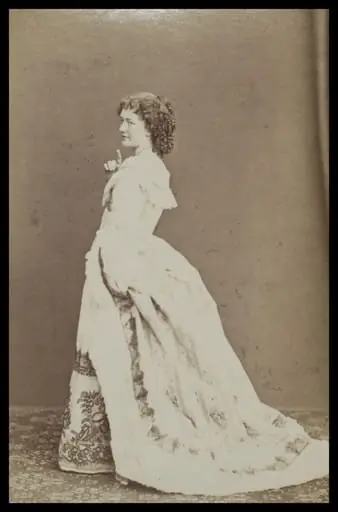
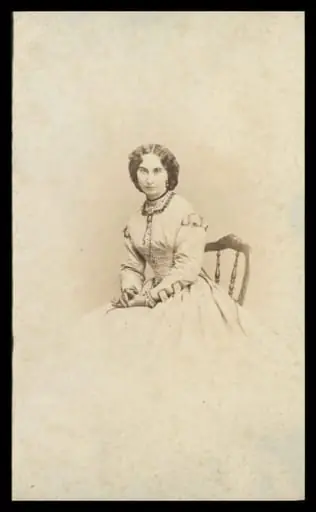
Artwork
Guy Little Theatrical Photograph
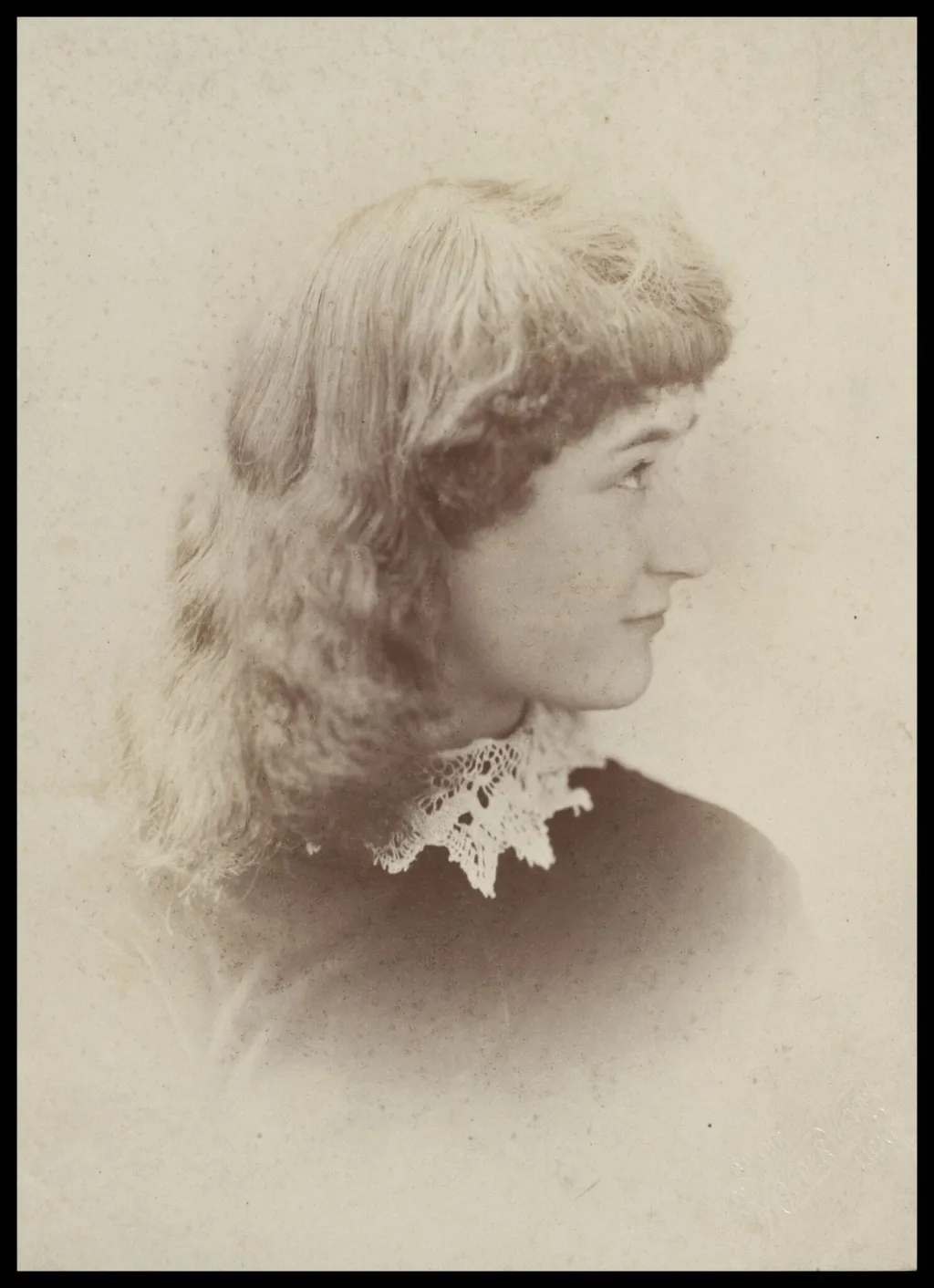
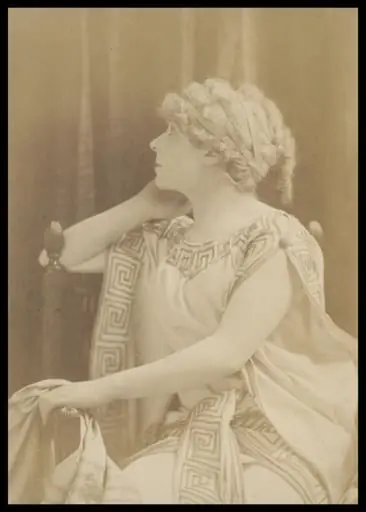
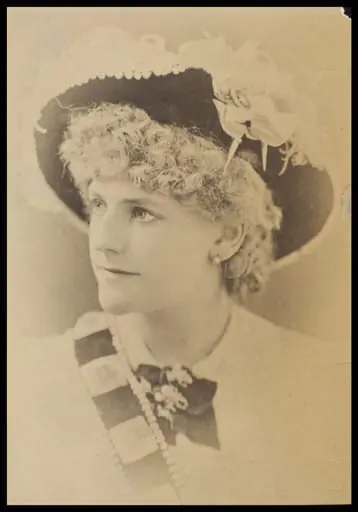
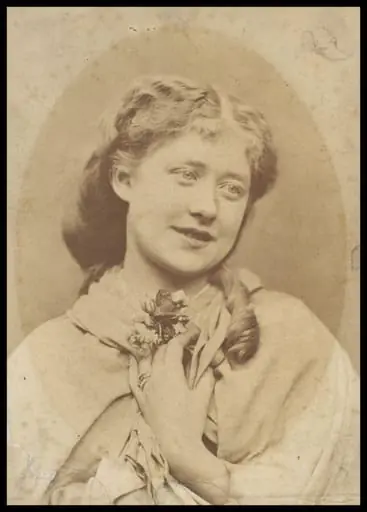
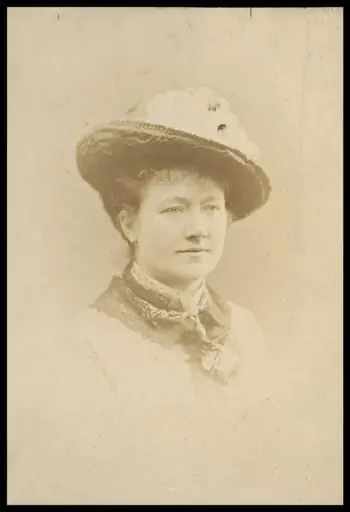
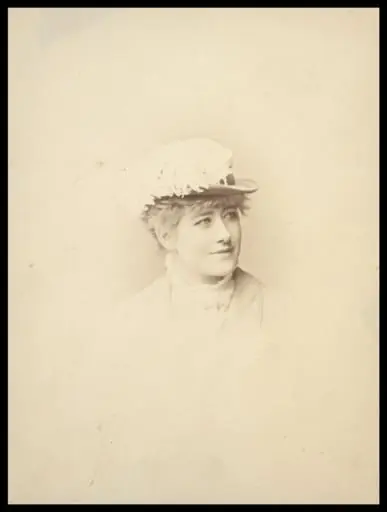
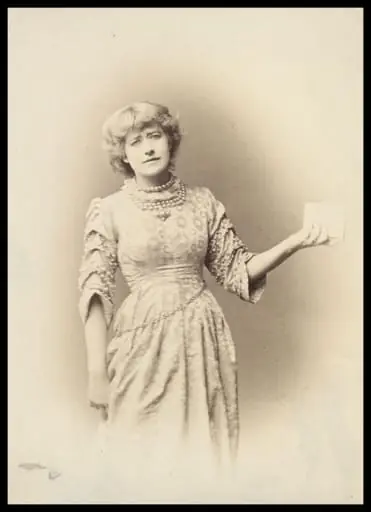
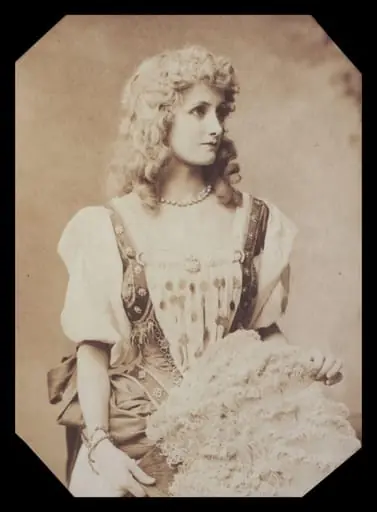
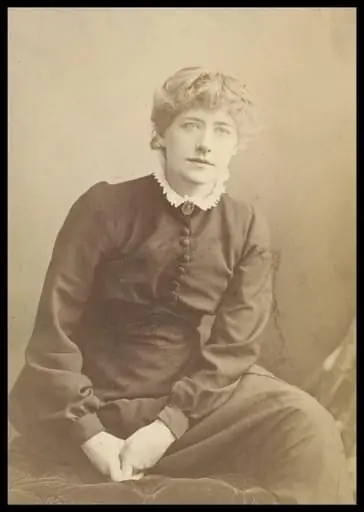
Guy Little Theatrical Photograph is a photographic photography by Vanderweyde. It dates from 1850 and is held in the collection of the Victoria and Albert Museum.
About this work
This photograph is from the 19th Century. It's a work by Vanderweyde.
The photo is of Alice Gilbert, an actress. Photography was new and exciting during this time.
To learn more about the techniques used in this photograph, look up the technique of albumen prints or check out the work at the Victoria and Albert Museum, but for now, consider the artist: Vanderweyde.
Overview
It belongs to a private collection assembled by Guy Tristram Little, a solicitor and avid collector of theatrical memorabilia.
This photograph of actress Alice Gilbert was taken in the 19th century by photographer Vanderweyde. It belongs to a private collection assembled by Guy Tristram Little, a solicitor and avid collector of theatrical memorabilia. The image was originally produced as a cabinet card—a larger format that succeeded the earlier carte de visite—mounted on stiff cardstock with the photographer’s imprint. Little later removed such images from their original mounts and bound them into albums, preserving them for future study.
Subject & Meaning
Alice Gilbert, a stage performer of the Victorian era, is depicted here in a formal portrait likely intended for public circulation. Such photographs served both as promotional tools for actors and as collectible items for admirers. Unlike theatrical performances, these images offered a permanent, accessible likeness, allowing the public to engage with performers beyond the stage. The portrait reflects the era’s fascination with celebrity and the growing intersection of theater and visual culture.
Technique & Style
The image is an albumen print, a dominant photographic process from the 1850s to the 1890s, made by coating paper with egg white and salt, then sensitizing it with silver nitrate. It was developed from a glass negative, yielding fine detail and tonal range. Mounted on cardstock, the format was designed for durability and display. Vanderweyde’s composition follows studio conventions of the time: soft lighting, neutral backdrop, and a poised, frontal pose that emphasizes the sitter’s presence without theatrical embellishment.
History & Provenance
The photograph was part of Guy Tristram Little’s personal archive of theatrical photographs, later bequeathed to the Victoria and Albert Museum. Little, a partner in a London law firm, collected greeting cards, games, and photographic portraits with scholarly interest. He also served as executor for Gabrielle Enthoven, whose extensive theatrical holdings became the foundation of the V&A’s Theatre Collections. This image entered institutional care through his bequest, preserving its connection to 19th-century performance culture.
Context
During the mid-to-late 1800s, photographic portraits of actors became widespread as the middle class embraced collecting. Cartes de visite, introduced in 1854, were followed by cabinet cards, which offered greater detail and durability. These images circulated like modern-day fan memorabilia, appearing in albums alongside landscapes and artworks. The popularity of such formats reflected broader societal shifts: the rise of photography, the commercialization of celebrity, and the democratization of cultural access.
Legacy
Little’s curated albums represent a significant archival resource for the study of Victorian theater and photographic history. By preserving these images outside their original commercial context, he transformed ephemeral portraits into historical documents. The V&A’s Theatre Collections, built in part on his contributions, continue to support research into performance, identity, and visual culture in 19th-century Britain.
Artist & collection
Artist
Dry plates and gaslight flickered behind the curtain as Vanderweyde turned stage moments into still portraits.