Artwork
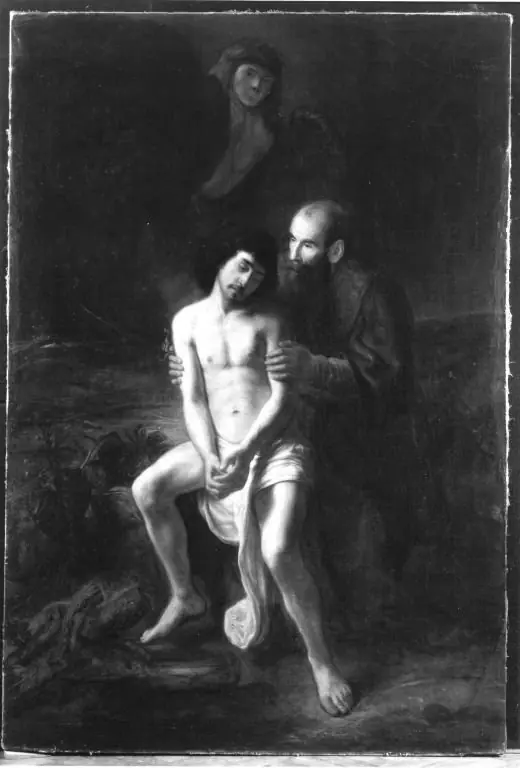
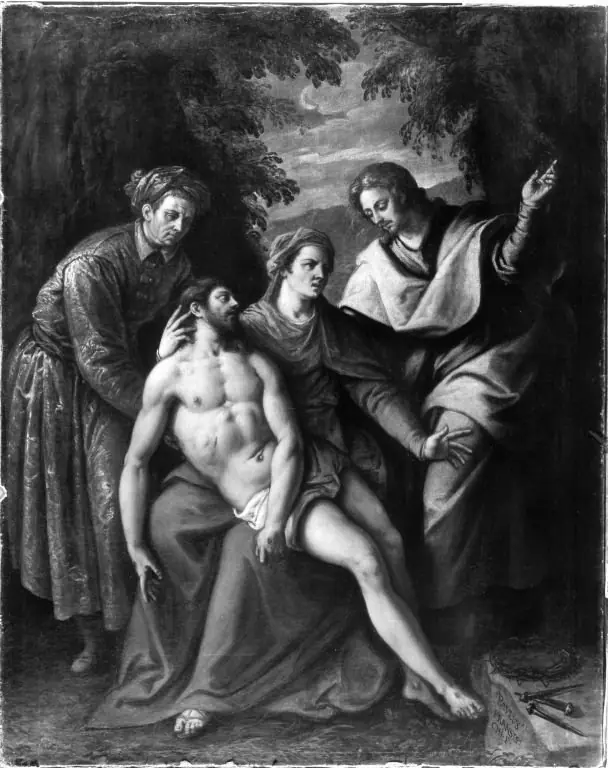
Iosif din Arimatea sprijinind trupul lui Iisus
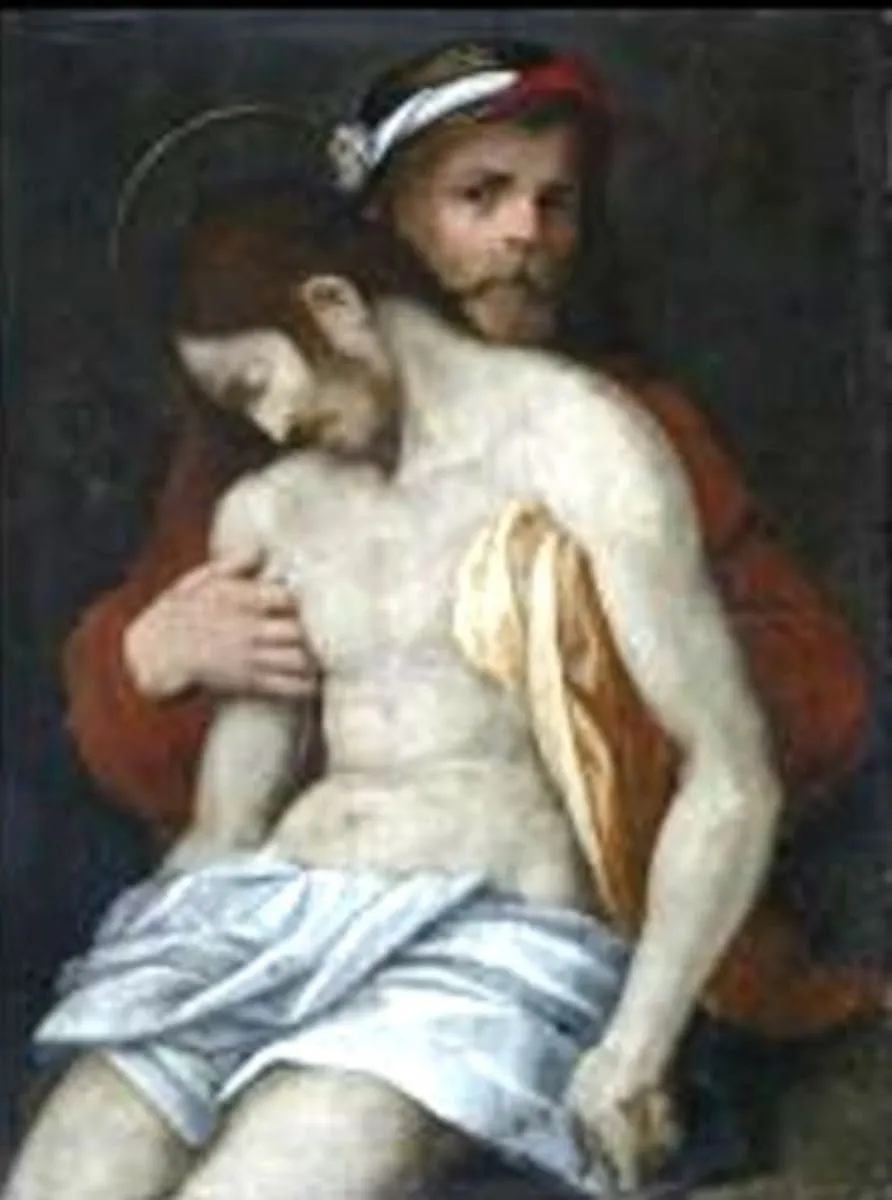
Iosif din Arimatea sprijinind trupul lui Iisus is an unspecified painting by the Byzantine icon painting artist Andrea del Sarto. It is held in the collection of the Timișoara National Museum of Art.
About this work
Overview
Created circa 1540 by the Florentine painter Andrea del Sarto, this panel portrays the biblical episode of Joseph of Arimathea supporting the dead Christ. Executed in the visual language of Byzantine iconography, the work is presently conserved in the Museum of Ethnography. Its composition concentrates on two figures against a darkened backdrop, emphasizing the solemnity of the moment.
Subject & Meaning
The scene captures Joseph of Arimathea, a wealthy disciple, carefully cradling the lifeless body of Jesus after the crucifixion. The gesture conveys both reverence and the weight of responsibility, reflecting the theological theme of burial and the transition from death to resurrection. The expressions are restrained, underscoring the gravity of the act within Christian tradition.
Technique & Style
Del Sarto employs a restrained palette of muted blues, reds, and earth tones, while the chiaroscuro effect—contrasting deep shadows with a modest illumination on the figures—creates a focused, three‑dimensional presence. The rendering of drapery follows the precise, smooth modeling characteristic of his High Renaissance training, yet the overall austerity hints at the emerging Mannerist sensibility.
History & Provenance
Although Andrea del Sarto enjoyed a strong reputation for technical mastery during his lifetime, his fame waned in later centuries as the reputations of Leonardo and Michelangelo grew. The painting entered the collection of the Museum of Ethnography in the early twentieth century, where it has remained on display as part of the institution’s religious‑art holdings.
Context
The work reflects a period when Italian artists incorporated Eastern Orthodox visual conventions into Western devotional art, a cross‑cultural exchange fostered by trade and pilgrimage. By adopting Byzantine iconographic elements, del Sarto aligns his composition with a tradition that emphasizes spiritual symbolism over naturalistic detail, situating the piece within broader Renaissance dialogues about faith and representation.
Artist & collection
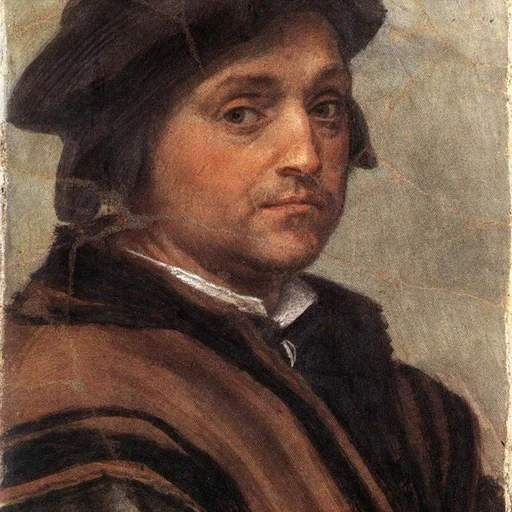
Artist
Andrea del Sarto was an Italian painter from Florence, whose career flourished during the High Renaissance and early Mannerism.
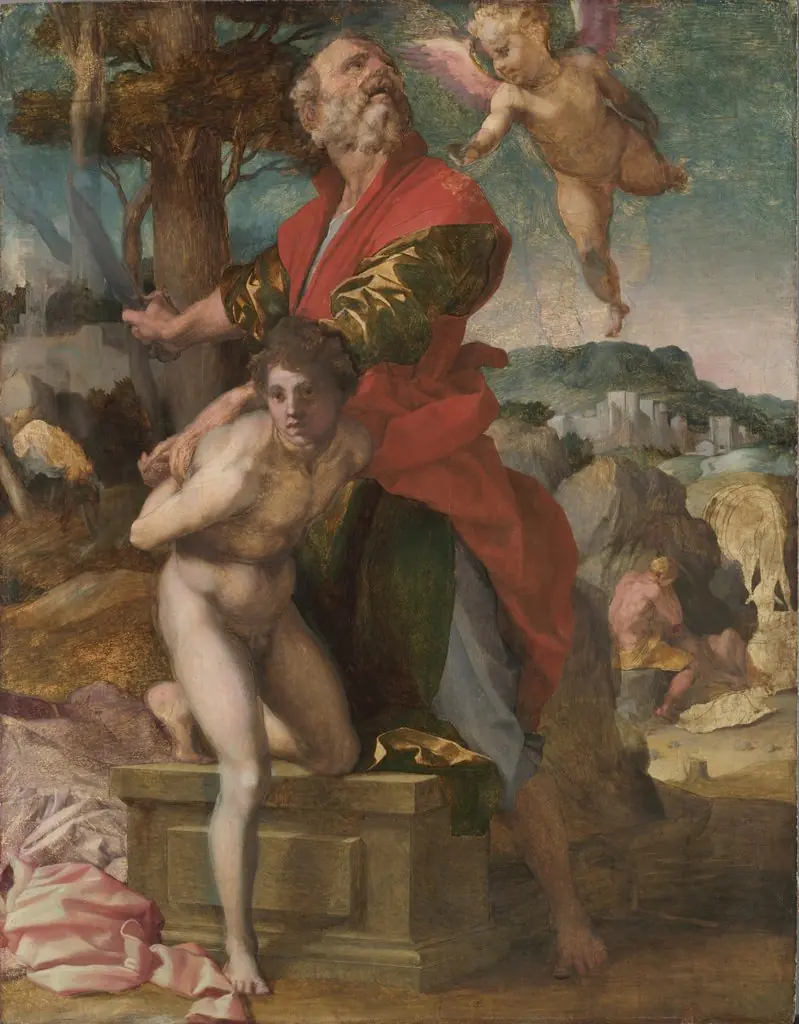
 Abraham im Begriff, seinen Sohn Isaak zu opfern
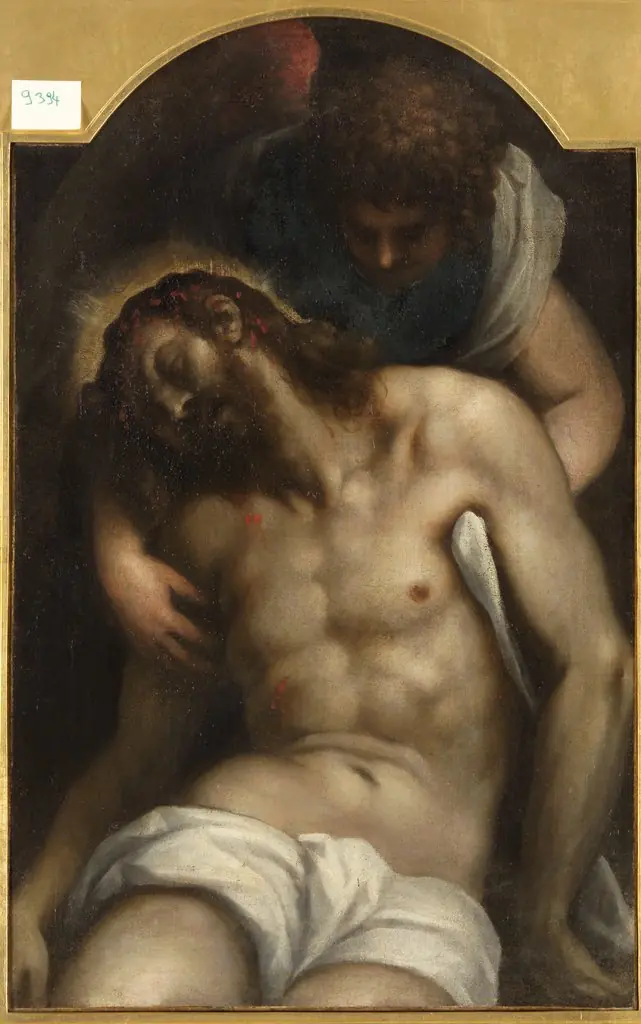 Dead Christ Supported by an Angel
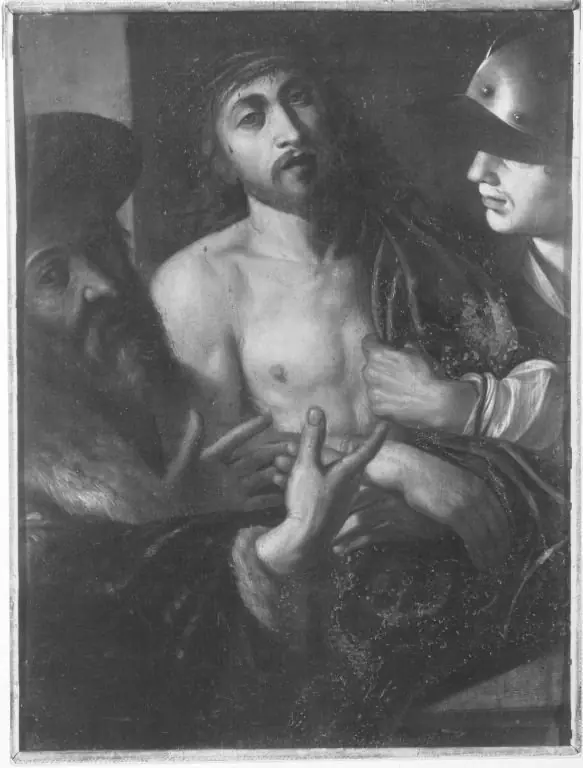 Ecce homo
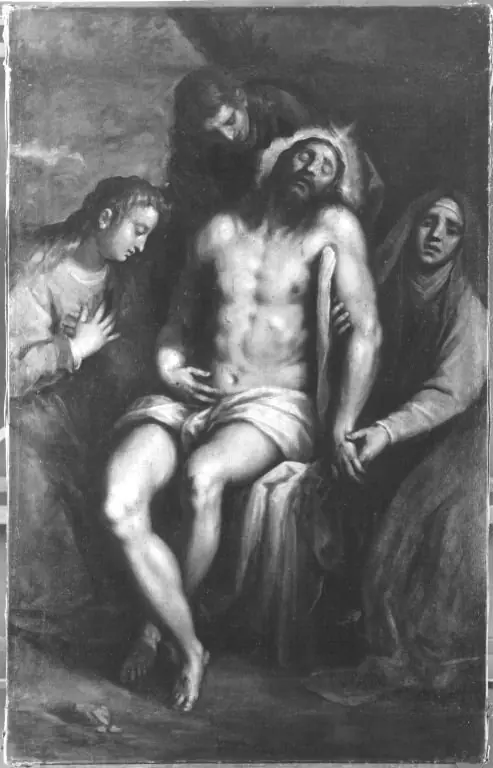 Beweinung Christi
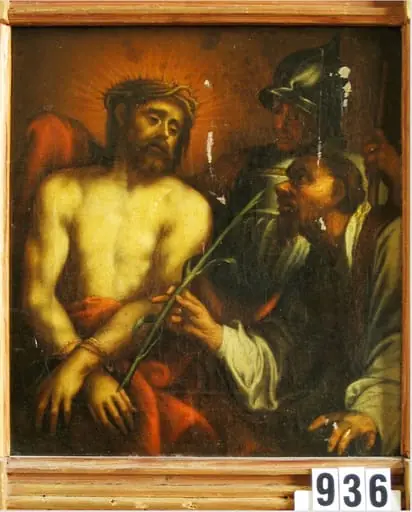 Batjocorirea lui Christos
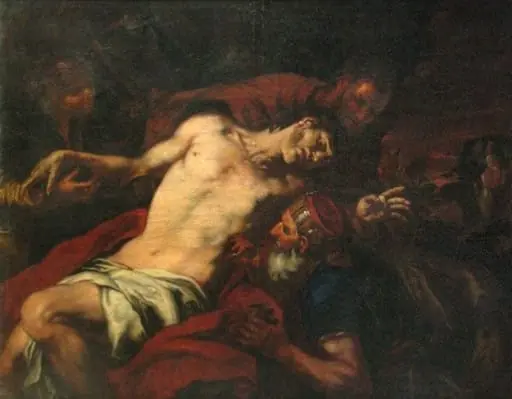 Samariteanul milostiv ; pandant: Vindecarea orbului și pandant: Întoarcerea fiului risipitor
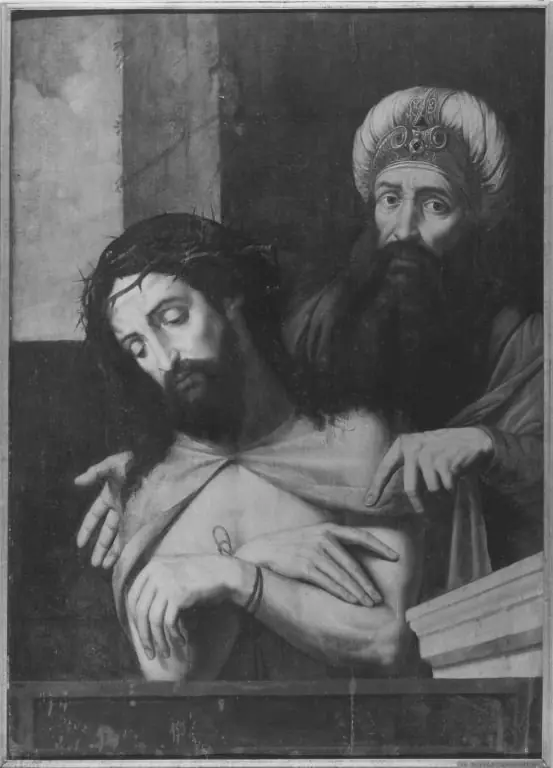 Ecce homo
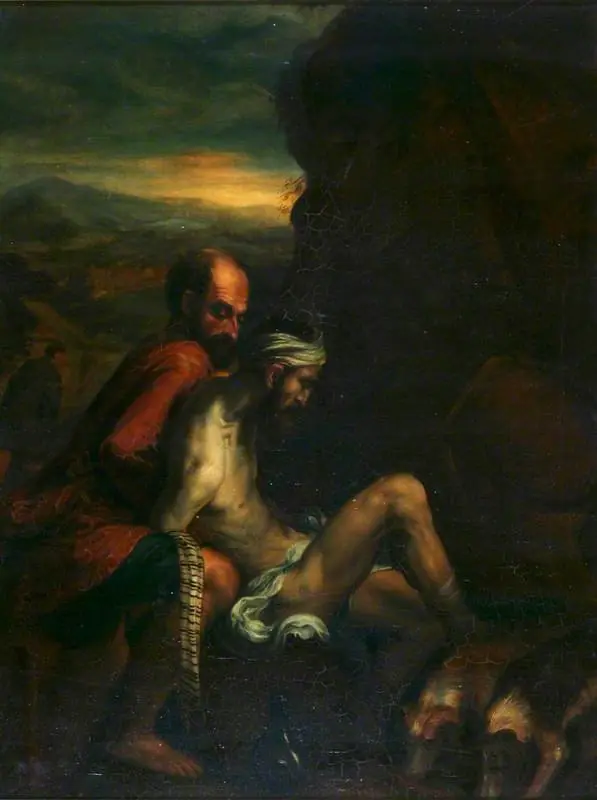 The Good Samaritan
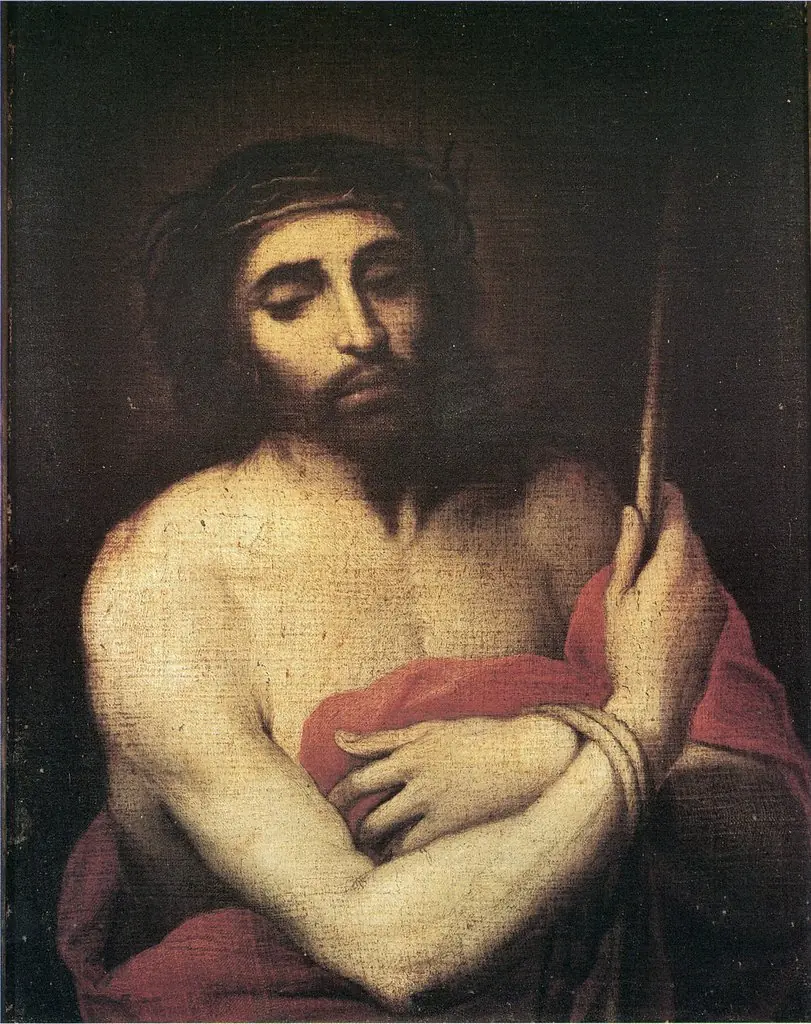 Behold the man
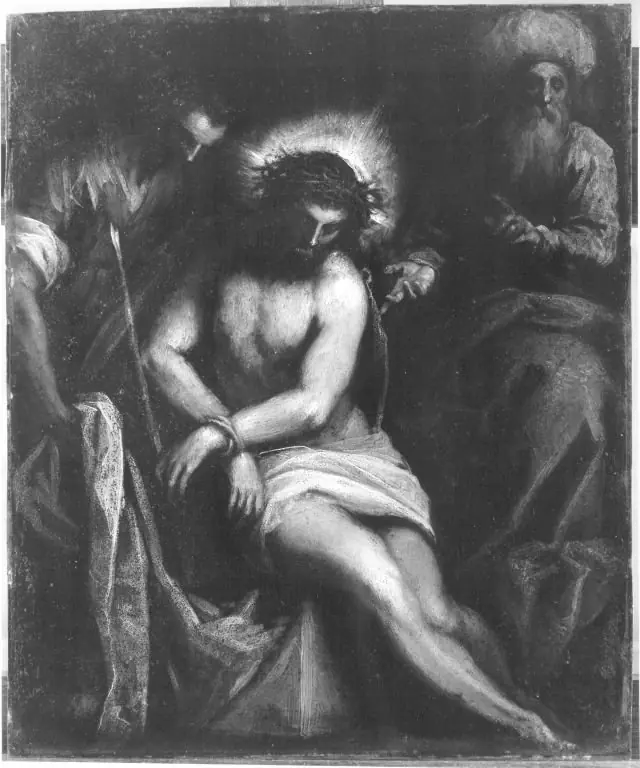 Ecce homo
 Beweinung Christi
 Christ at the column