Artwork
Henry Blundell
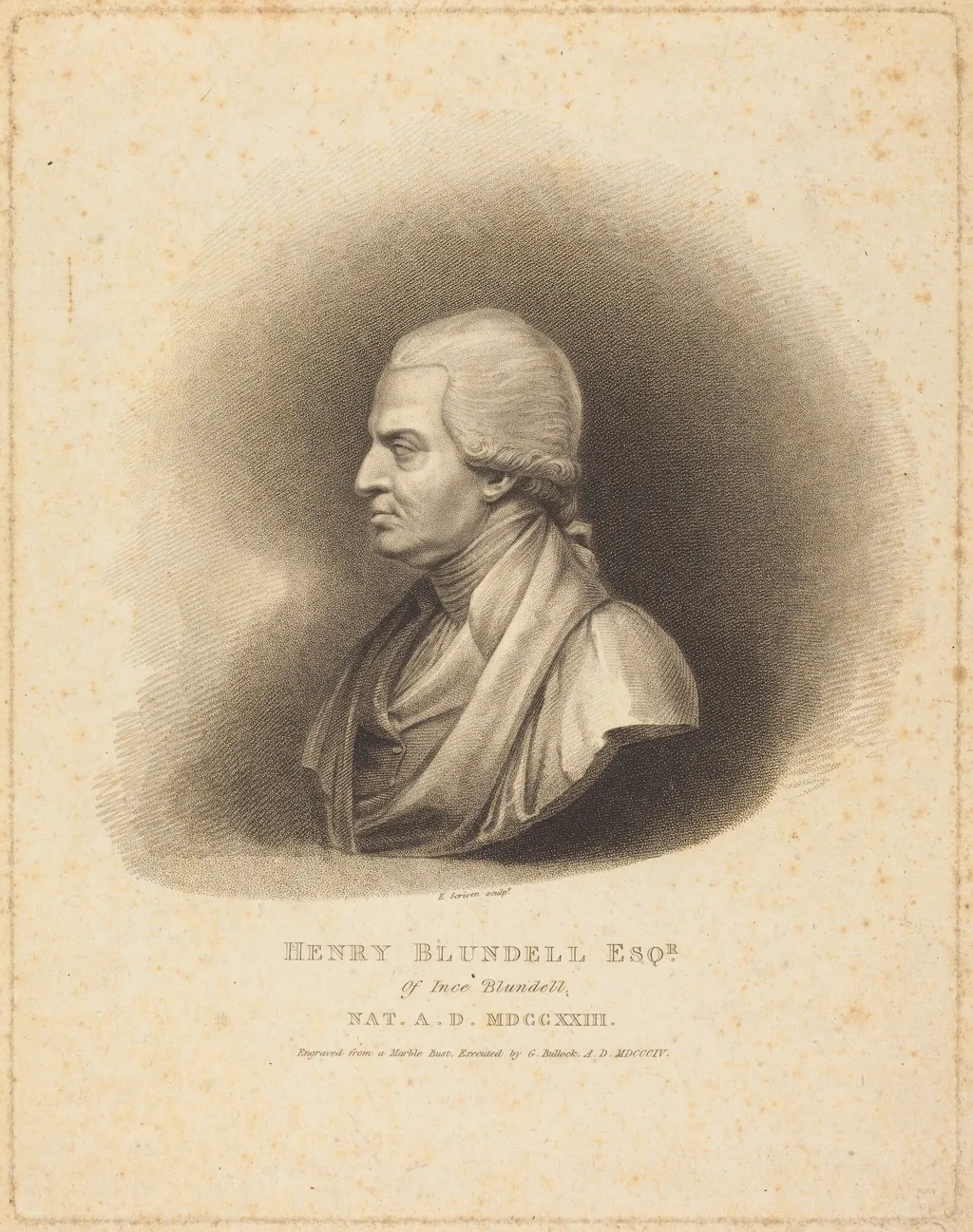
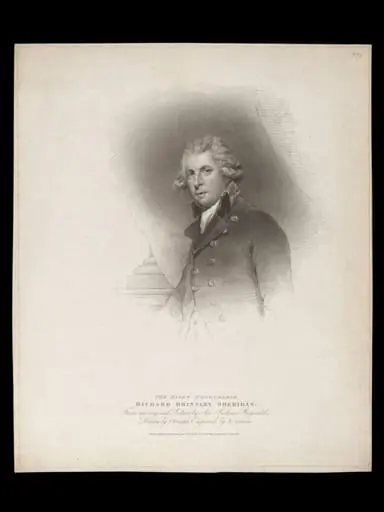
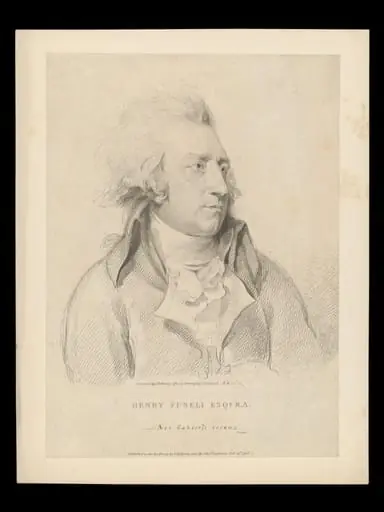
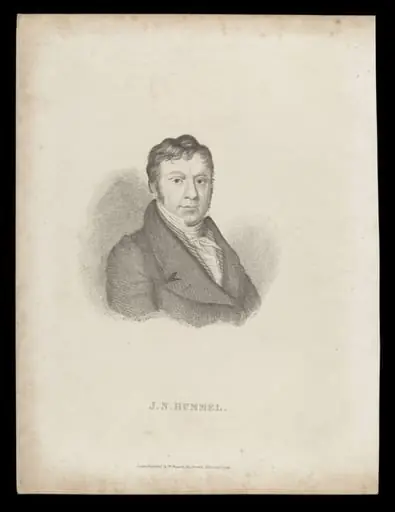
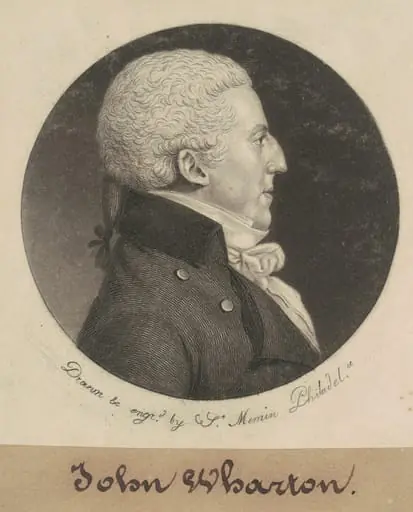
Henry Blundell is an ink print by the Romanticist artist Edward Scriven. It dates from 1804 and is held in the collection of the National Gallery of Art.
About this work
Overview
This 1804 stipple engraving by Edward Scriven portrays Henry Blundell, a prominent English collector and arts patron. The work exemplifies the period's portrait tradition, emphasizing likeness and social standing.
Subject & Meaning
Henry Blundell is depicted with a serious, contemplative expression, dressed in characteristic 18th-century attire, including a powdered wig, high-collared shirt, and large-collared jacket. His gaze, directed into the distance, suggests introspection.
Technique & Style
Scriven employed stipple engraving, a technique he mastered, to achieve fine detail, notably in Blundell's facial features. The overall effect is one of quiet reflection, characteristic of the era's portraiture.
History & Provenance
Part of Scriven's extensive portfolio of 210 recognized portrait engravings, this work is acknowledged by the National Portrait Gallery. Specific provenance details for this piece are not provided.
Context
The engraving aligns with late 18th to early 19th-century British portraiture, focusing on capturing the subject's likeness and status. It reflects the artistic tastes of the time, prioritizing realism and dignity.
Legacy
As one of Scriven's notable works, it contributes to the artist's reputation for skilled portrait engraving. The subject, Henry Blundell, remains significant as a collector and patron, though the engraving's broader impact is tied to Scriven's overall body of work.
Artist & collection
Artist
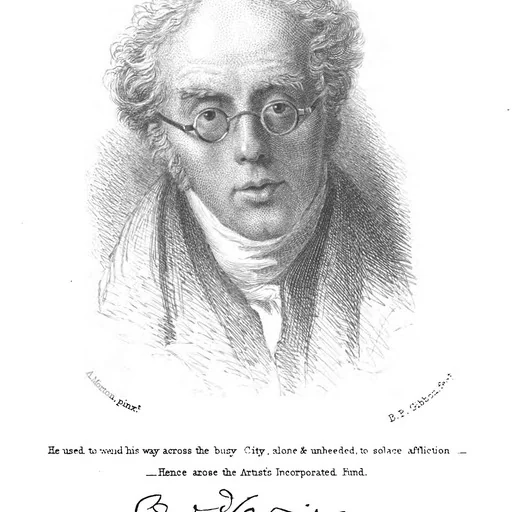
Edward Scriven (1775 – 23 August 1841) was an English engraver of portraits, in the stipple and chalk manner. Scriven was the pre-eminent engraver of his generation, with 210 portraits ascribed to him by the National Portrait Gallery.