Artwork
O'Hara
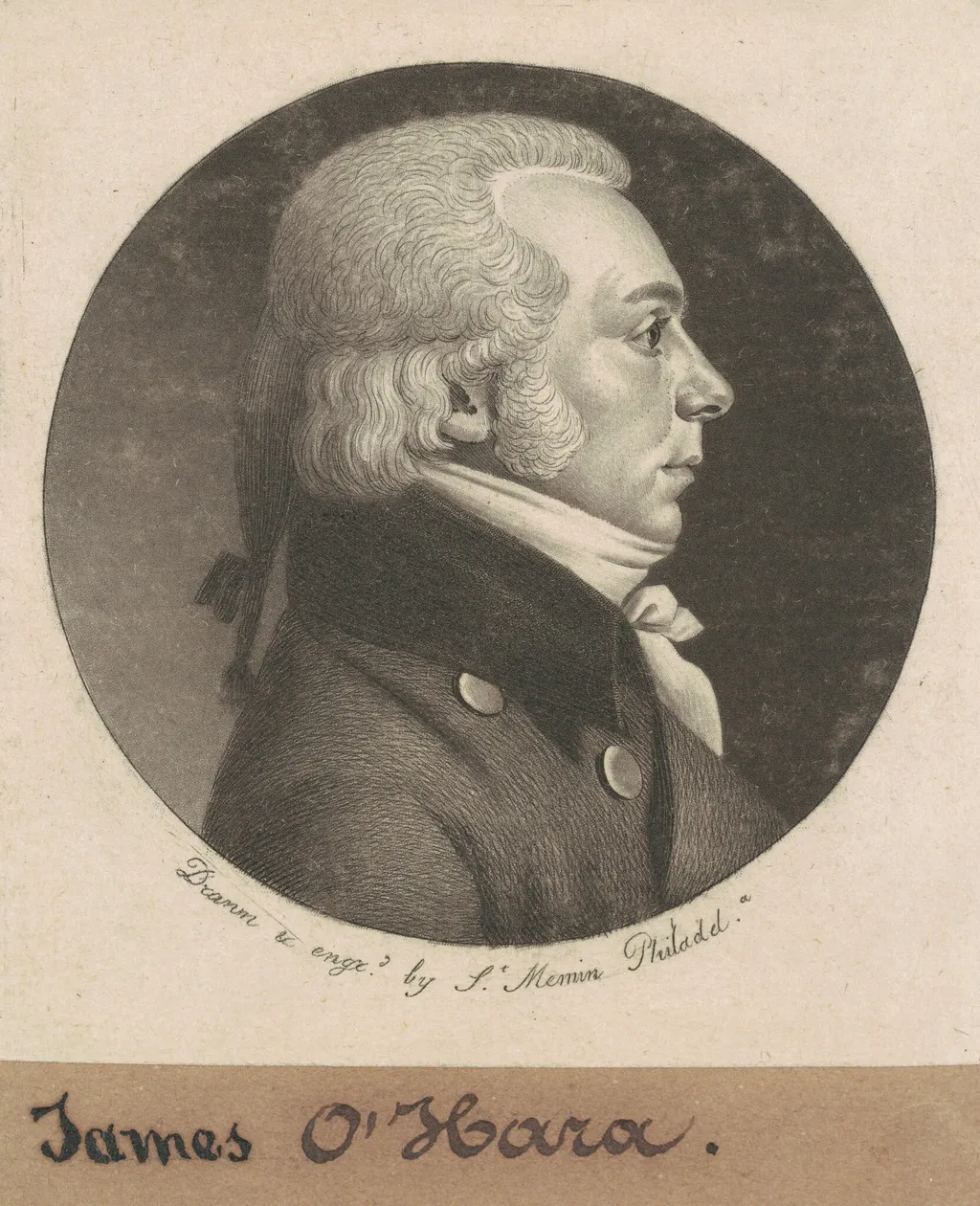
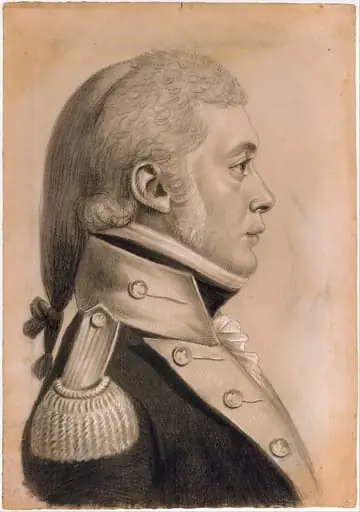
O'Hara is an ink print by the Romanticist artist Charles Balthazar Julien Févret de Saint-Mémin. It dates from 1799 and is held in the collection of the National Gallery of Art.
About this work
This print is a mezzotint—an old engraving trick where the artist scratches a metal plate to make shadows.
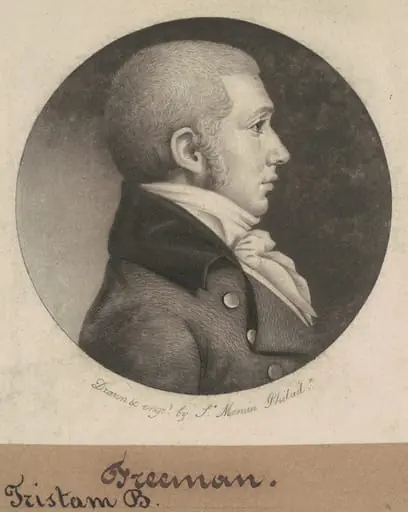
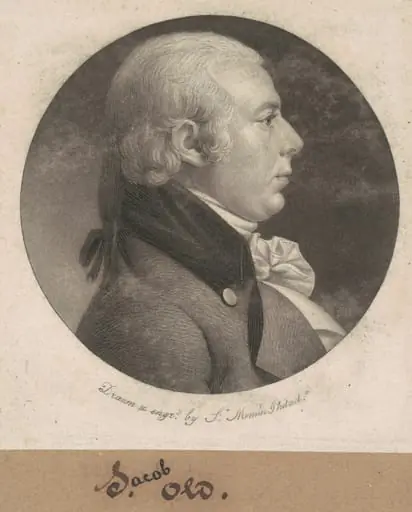
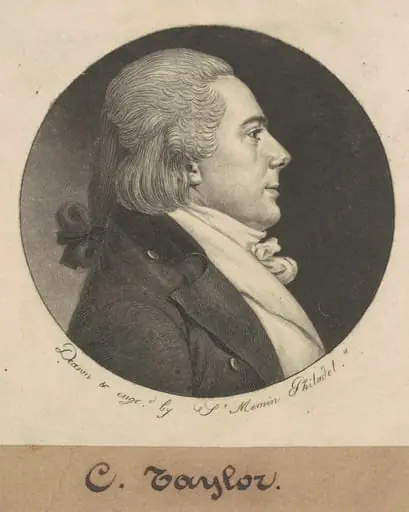
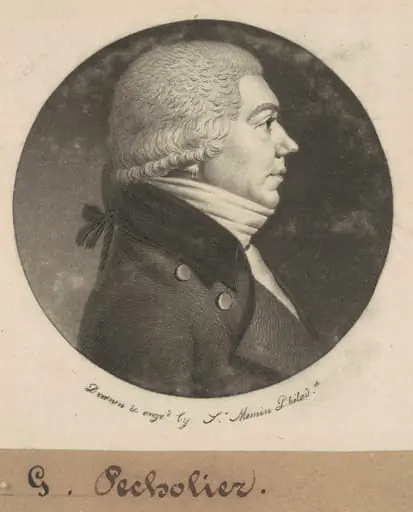
You see a small, dark oval portrait of a man in a coat and cravat. His face is lit sharply, almost glowing against the black background. The artist used fine lines to carve the shadows and highlights.
This print is a mezzotint—an old engraving trick where the artist scratches a metal plate to make shadows. Here, the rough lines blend into smooth tones, giving the face a soft, lifelike look. The artist made this in 1799, when tiny portraits like this were a big deal.
Try Charles B. J. Févret de Saint-Mémin next.
Overview
O'Hara is a small portrait print, measuring 5.56 × 5.56 cm, created by Charles B. J. Févret de Saint-Mémin in 1799 using mezzotint and engraving techniques on black wove paper, mounted to brown wove paper.
Subject & Meaning
The subject of the portrait is a man, identified as O'Hara, depicted wearing a coat and cravat. His face is the central focus, rendered in sharp contrast against a dark background, suggesting an emphasis on individual character.
Technique & Style
The print showcases the artist's skill in mezzotint, an engraving technique involving scratching a metal plate to achieve shaded areas. Fine lines and blended textures create a soft, lifelike quality, balancing sharp highlights with smooth shadows.
History & Provenance
Created in 1799, the print reflects the popularity of miniature portraits during the late 18th century. It is now part of the Google Arts & Culture collection, indicating its digital preservation and accessibility.
Artist & collection

Artist
Charles Balthazar Julien Févret de Saint-Mémin
Charles Balthazar Julien Févret de Saint-Mémin (French pronunciation: ; 1770–1852) was a French portrait painter and museum director.