Artwork
John Wharton
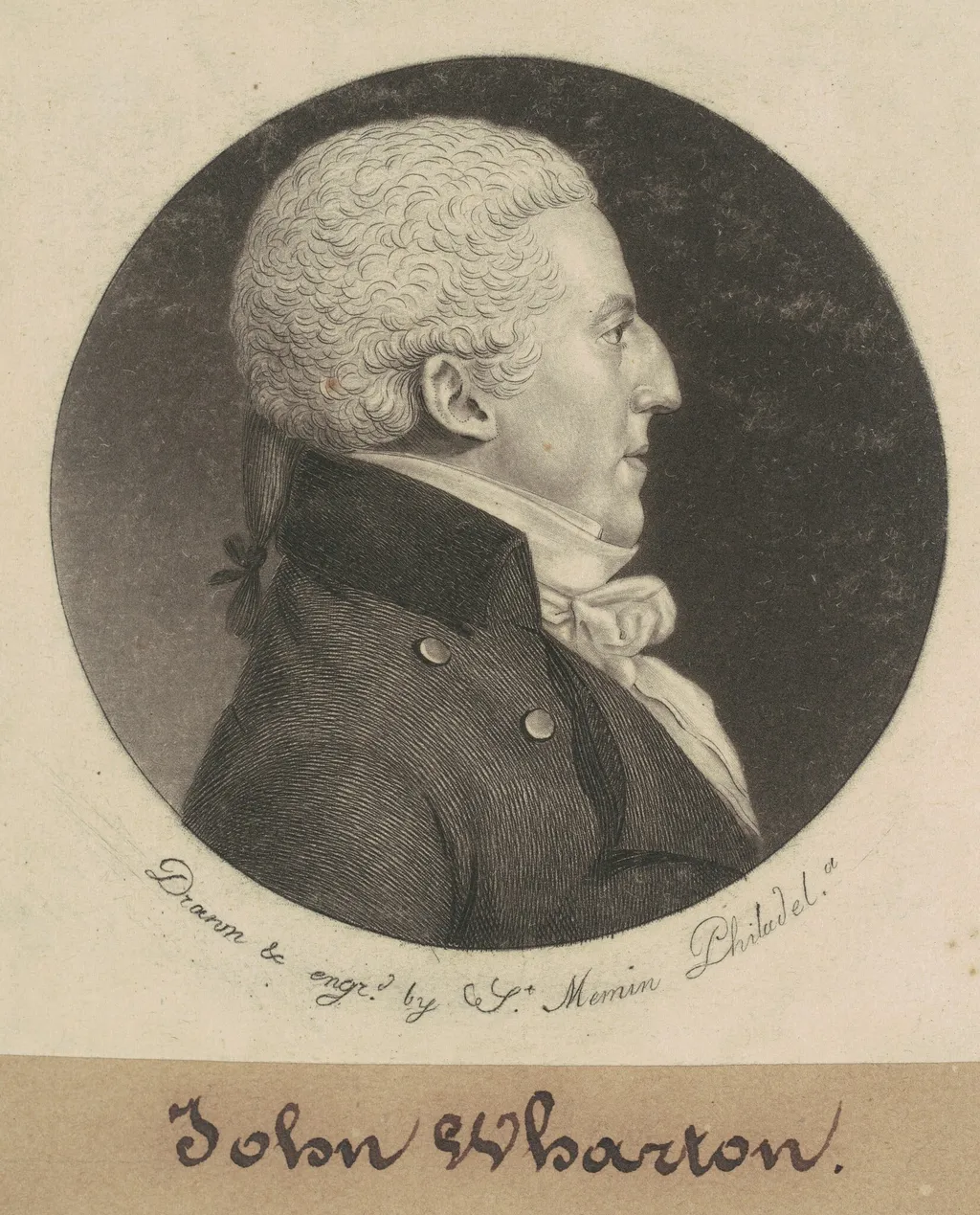
John Wharton is an ink print by the Romanticist artist Charles Balthazar Julien Févret de Saint-Mémin. It dates from 1799 and is held in the collection of the National Gallery of Art.
About this work
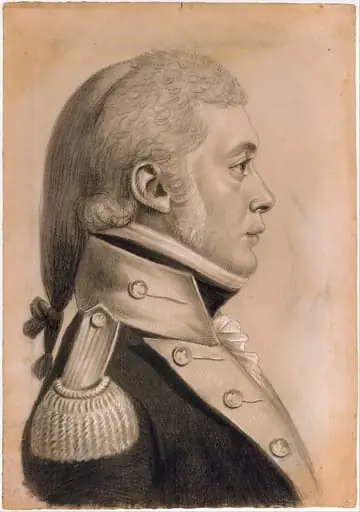
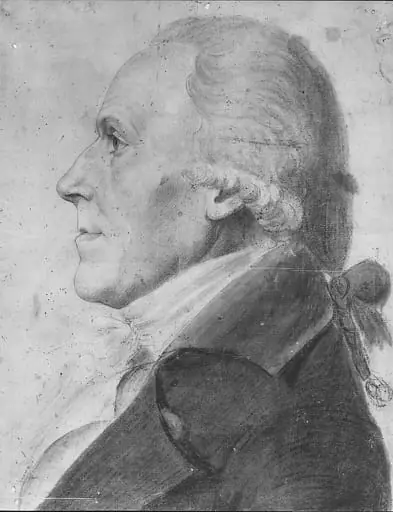
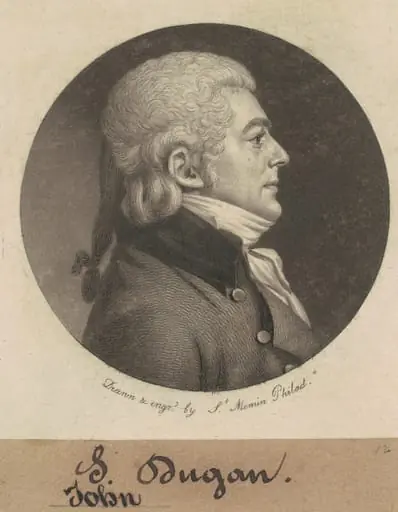
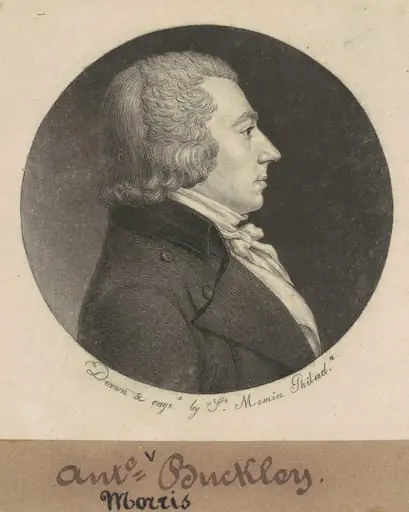
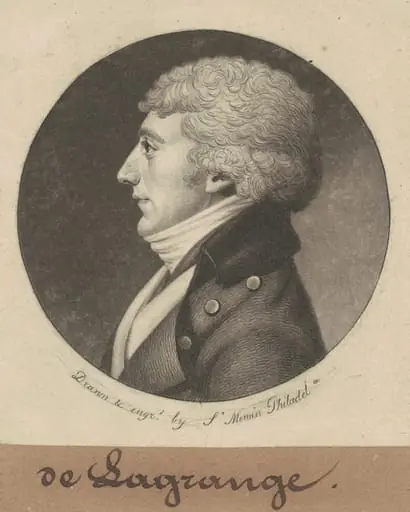
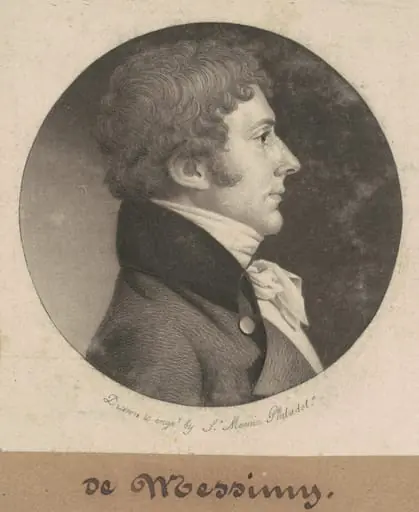
This print shows John Wharton’s face in three-quarter view, wearing a dark coat over a white shirt.
This print shows John Wharton’s face in three-quarter view, wearing a dark coat over a white shirt. His sharp nose and calm gaze stand out against a soft background. The artist used tiny dots and lines to create shadows and smooth skin tones.
This was made in 1799 by Charles B. J. Févret de Saint-Mémin. He was known for turning portraits into prints that felt almost like paintings. Mezzotint uses rough dots on metal to print rich blacks, perfect for capturing gentle light.
Try looking up Saint-Mémin, Charles B. J. Févret de next.
Overview
John Wharton is a portrait print created by Charles B. J. Févret de Saint-Mémin in 1799, utilizing mezzotint and engraving techniques on wove paper. The small work measures 5.56 × 5.56 cm and is housed within the Corcoran Collection.
Subject & Meaning
The print depicts John Wharton in a three-quarter view, characterized by a prominent nose and serene expression. He is attired in a dark coat over a white shirt, set against a subdued background that emphasizes his facial features.
Technique & Style
Saint-Mémin employed mezzotint's capacity for nuanced shading, achieved through tiny dots, to render Wharton's smooth skin tones and expressive gaze. The combination of mezzotint and engraving allowed for a painterly quality, a hallmark of the artist's approach to portraiture.
History & Provenance
Produced in 1799, the print is part of the Corcoran Collection, though specific details about its creation context or the subject's identity beyond the portrait are not provided.
Context
Saint-Mémin's work reflects late 18th-century portrait practices, where mezzotint was valued for its ability to capture detailed, lifelike images. The artist's technique was particularly suited to conveying the subtleties of light and expression.
Artist & collection

Artist
Charles Balthazar Julien Févret de Saint-Mémin
Charles Balthazar Julien Févret de Saint-Mémin (French pronunciation: ; 1770–1852) was a French portrait painter and museum director.