Artwork
Isella, Simplon Pass
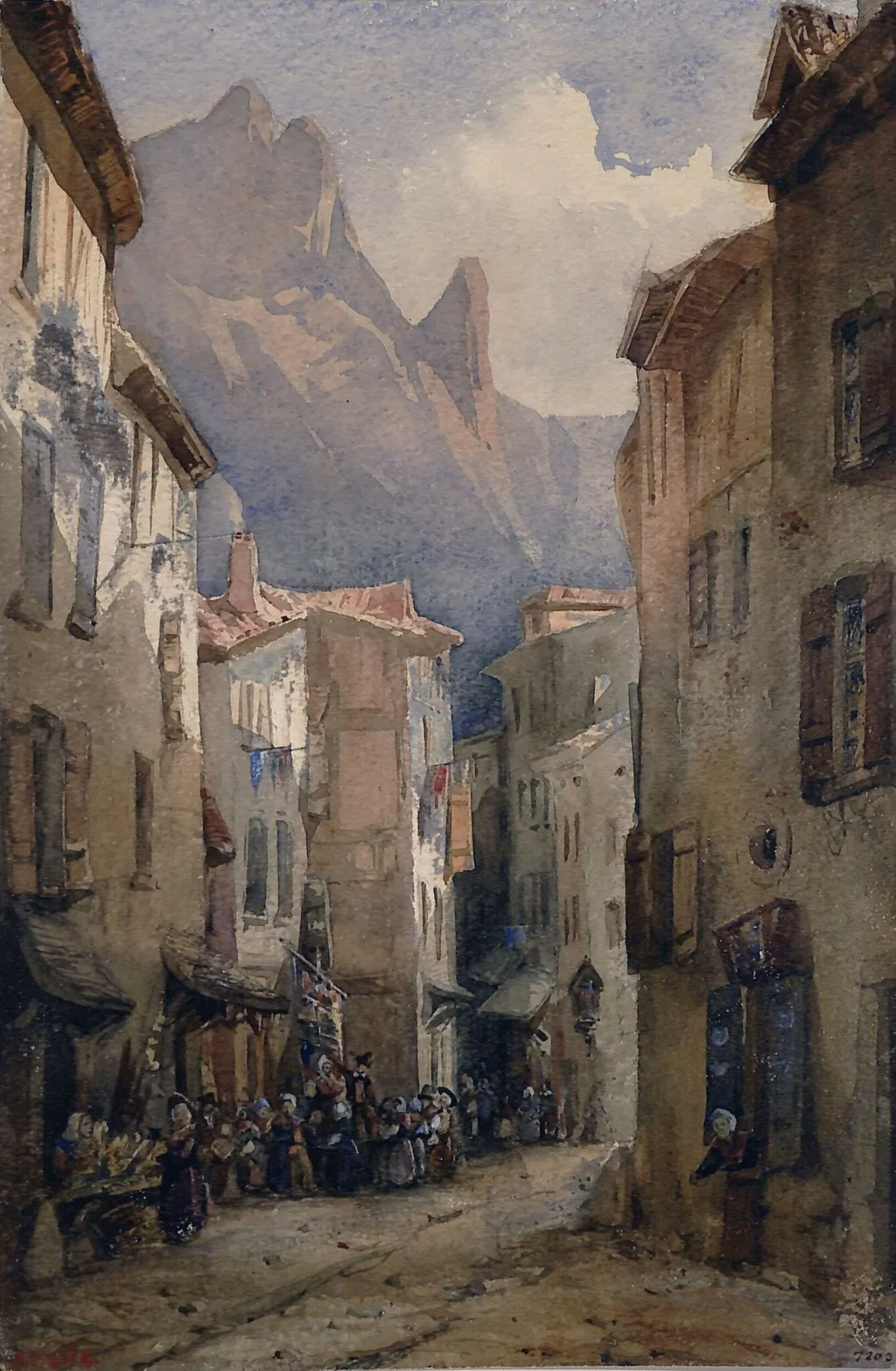
Isella, Simplon Pass is a watercolor work on paper by the Romanticist artist Seide. It dates from 1800 and is held in the collection of the Victoria and Albert Museum.
About this work
Overview
Isella, Simplon Pass is a watercolor executed by the artist Seide around the year 1800. The work is part of the collection of the Victoria and Albert Museum in London. It measures a modest size typical of portable watercolor studies of the period.
Subject & Meaning
The composition depicts a narrow, bustling lane in the Alpine village of Isella, with stone façades lining the street. Laundry hangs from lines across the passage, while figures in simple attire gather further back. Beyond the settlement, rugged mountains rise beneath a pale sky, suggesting the relationship between daily human activity and the surrounding landscape.
Technique & Style
Seide employs loose, rapid brushwork that lends the scene a sketch‑like quality. The palette is restrained, dominated by earthy browns, muted grays and soft blues, with brighter highlights where sunlight strikes the peaks. This handling aligns with early Romantic tendencies to capture atmospheric effects and the immediacy of place.
History & Provenance
Created at the turn of the nineteenth century, the watercolor entered the Victoria and Albert Museum’s holdings through acquisition (specific details of purchase or donation are not recorded in the available sources). Its presence in the museum reflects the institution’s broader interest in European watercolor practice of the era.
Own this work as a print
Artist & collection
Artist
She painted on her knees at the edge of alpine lakes, her skirts soaked, brush in one hand, a half-eaten cheese roll in the other.

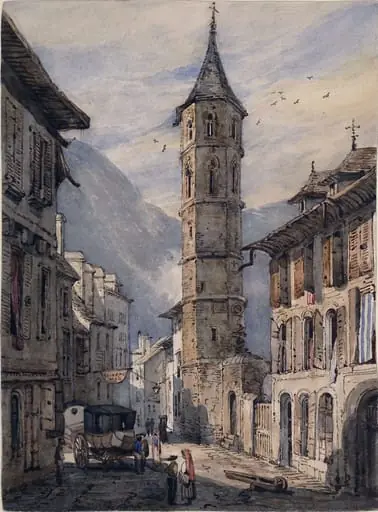 Street scene, with bell tower
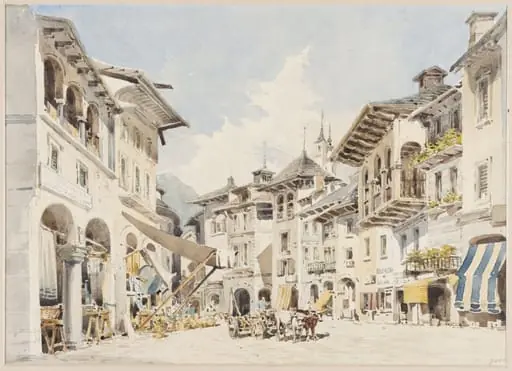 Duomo D'Ossola, Piedmont
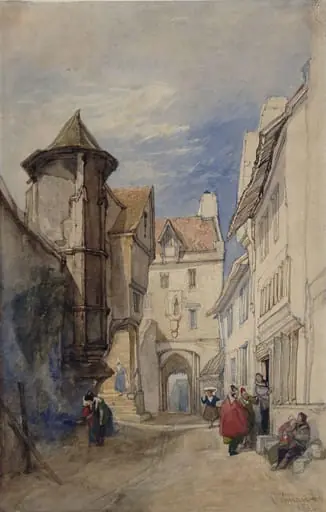 A Gateway in a Norman Town
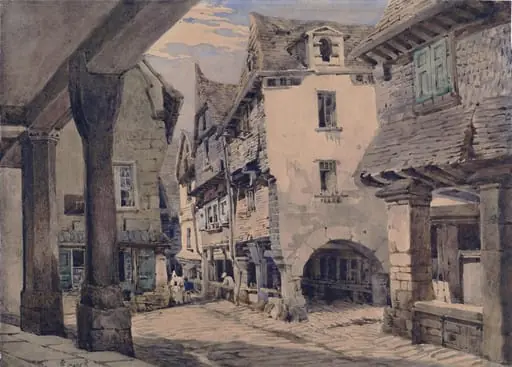 Old Houses, Vitré
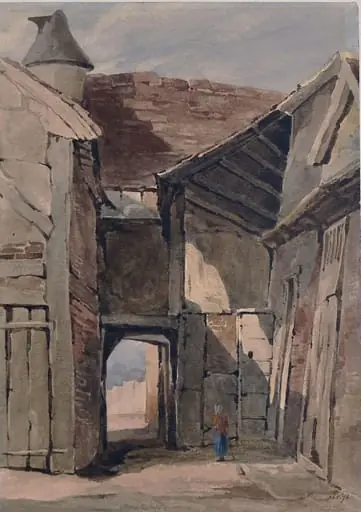 Old House, Bristol
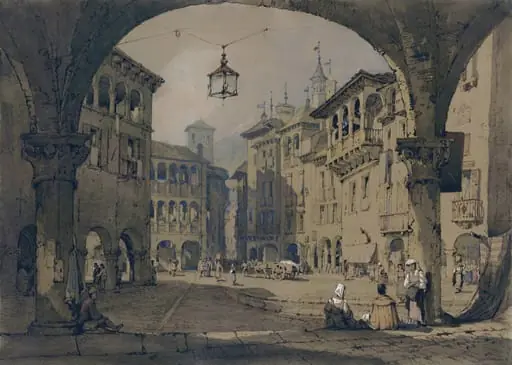 Domo d'Ossola, Piedmont
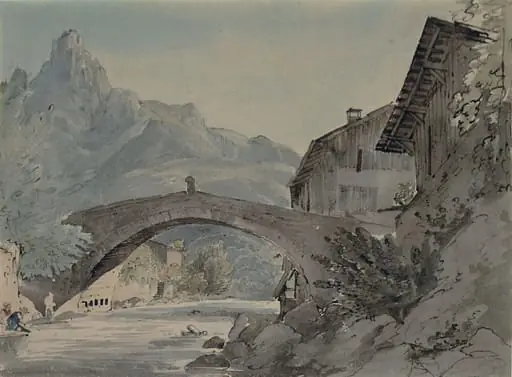 Bridge at Sallanches, and the Aiguille de Varens
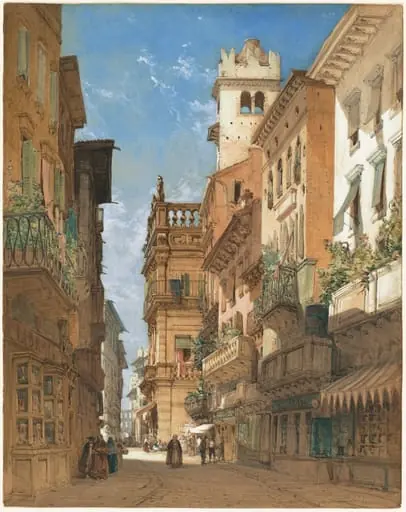 Corso Sant' Anastasia with the Palazzo Maffei in Verona
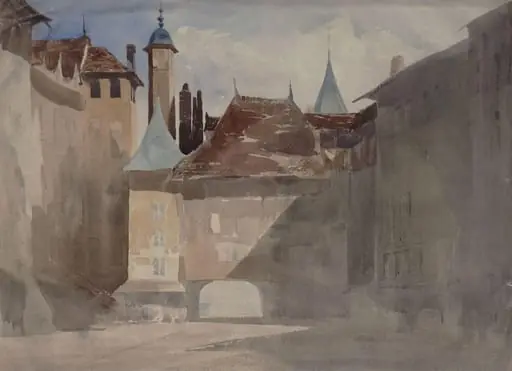 La Place du Molard, Geneva
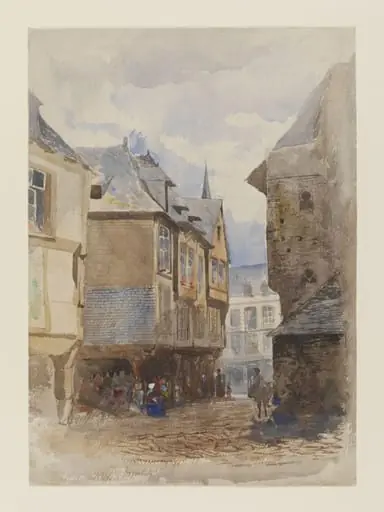 Street in Dinan, France
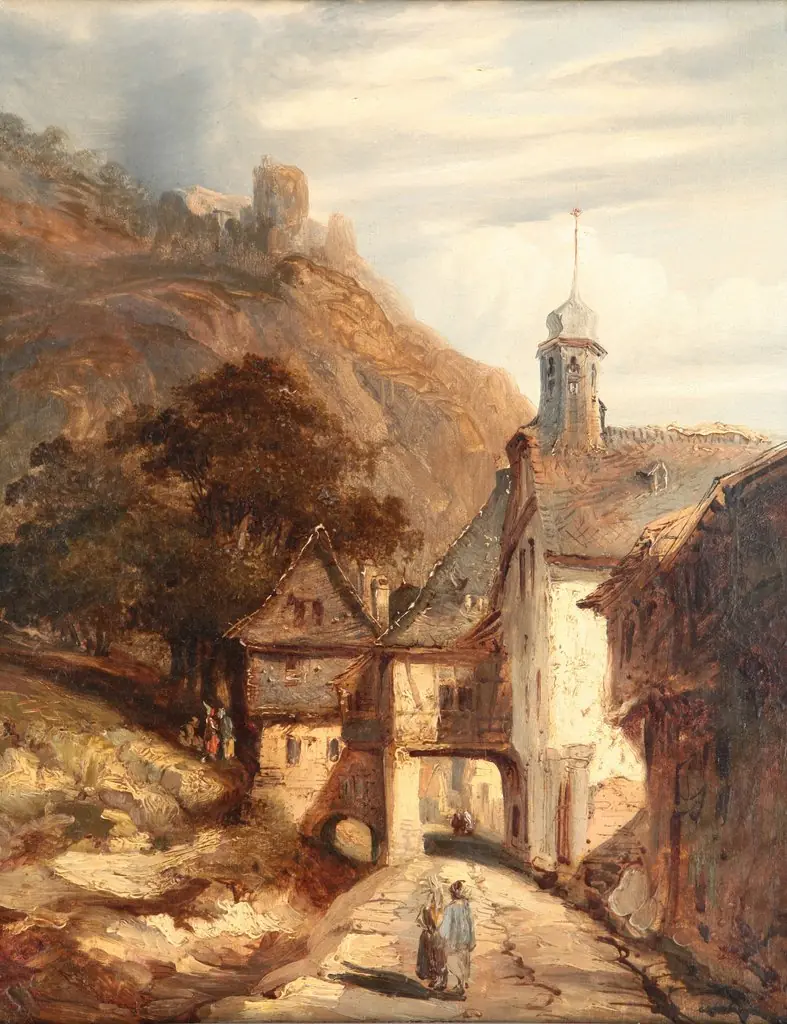 Paisaje de Normandia
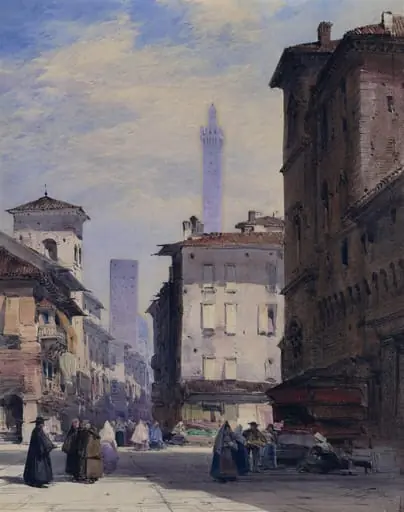 The leaning tower of Bologna