Artwork
Bridge at Sallanches, and the Aiguille de Varens
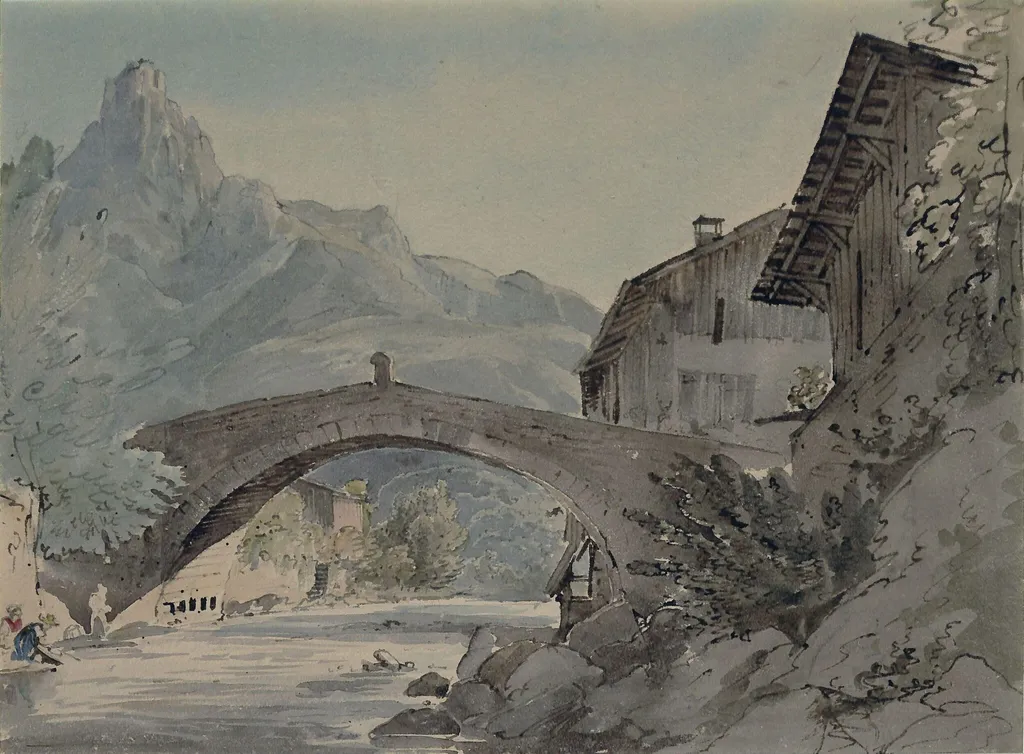
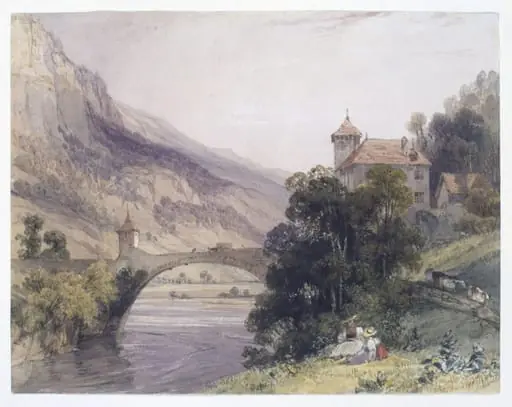
Bridge at Sallanches, and the Aiguille de Varens is a watercolor work on paper by the British Romanticist artist Henry William Burgess. It dates from 11 and is held in the collection of the Victoria and Albert Museum.
About this work
Overview
Bridge at Sallanches, and the Aiguille de Varens is a watercolour piece by Henry William Burgess, featuring a landscape view of a stone bridge, a village, and the prominent Aiguille de Varens mountain in the background, signed and dated by the artist.
Subject & Meaning
The subject is a serene Alpine scene centered on the bridge at Sallanches, with the majestic Aiguille de Varens towering above. The composition guides the viewer's eye through the bridge's arch into the village, emphasizing the interplay between natural and built environments.
Technique & Style
Executed in loose, sketchy brushstrokes, the watercolour blends soft blues and grays to capture the sky and atmosphere. Burgess prioritized the play of light and shadow to imbue the scene with vitality, achieving depth and emotion through the medium's transparency.
History & Provenance
While specific historical ownership details are not provided, the piece is dated and signed, suggesting it was completed during a period when the artist was active in capturing European landscapes, possibly during a travel period.
Context
Created within the broader context of 19th-century European landscape painting, this work reflects an interest in depicting the beauty and majesty of natural landscapes, a theme common among Romantic and landscape artists of the time.
Legacy
As a representative of Burgess's landscape oeuvre, Bridge at Sallanches contributes to the artist's legacy in capturing the European aesthetic during his time, though its broader influence on the art historical canon is not distinctly outlined in available information.
Own this work as a print
Artist & collection
Artist
Henry Burgess painted sweeping Alpine views in watercolour around 1822, when British artists were first bringing back vivid sketches from the Continent.

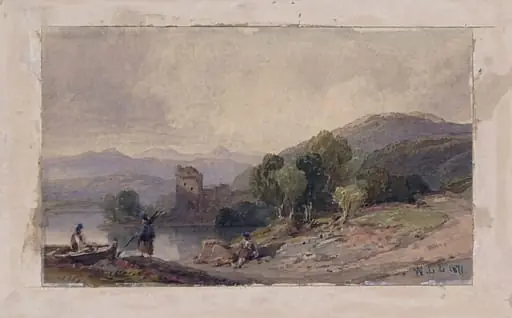 Kilchurn Castle
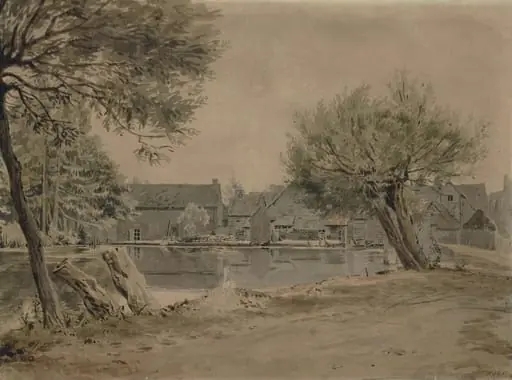 Mill at Mapledurham (?) on the Thames
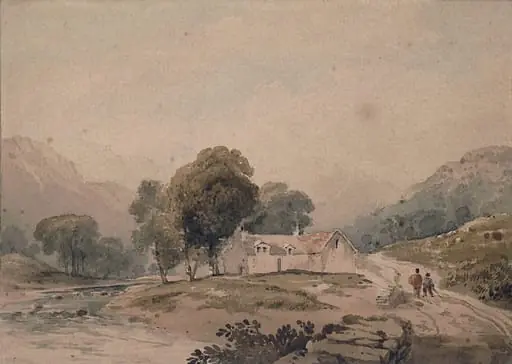 Landscape with cottage and two figures
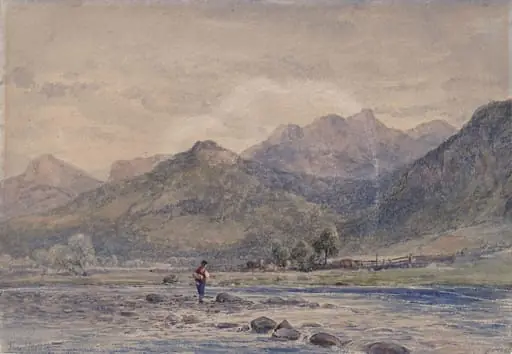 Trout Stream, near Capel Curig
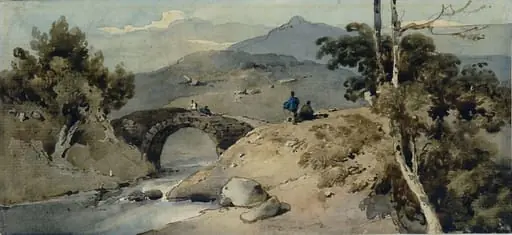 Chinese landscape with bridge
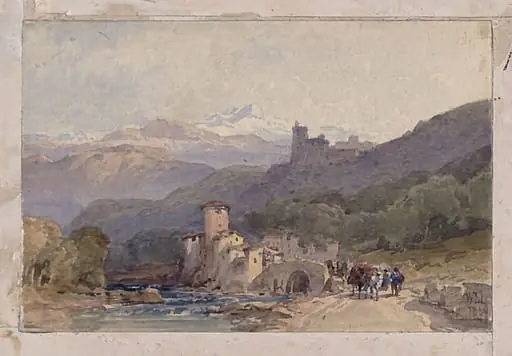 Strada di Aquila
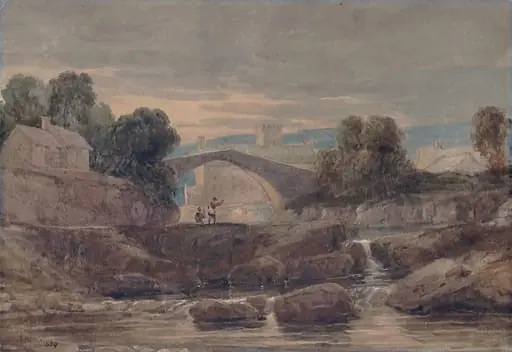 Landscape with Bridge
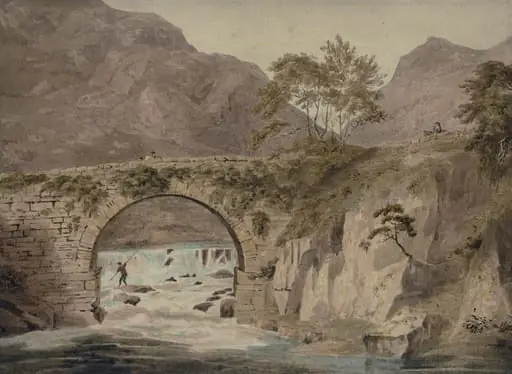 Pont Aberglaslyn
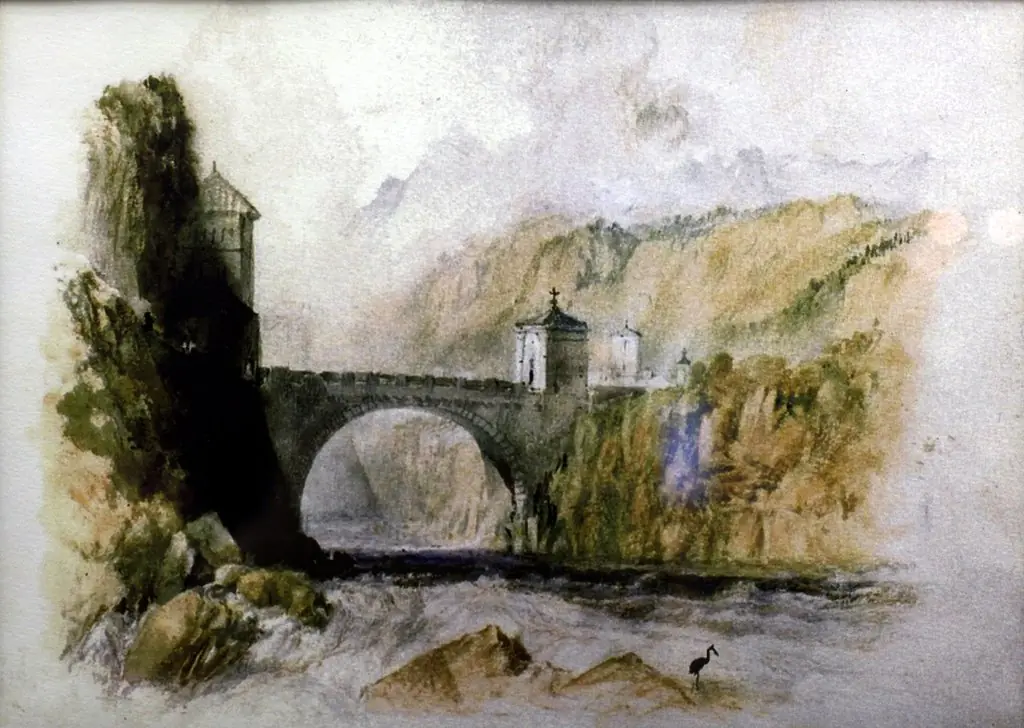 Saint-Maurice bridge
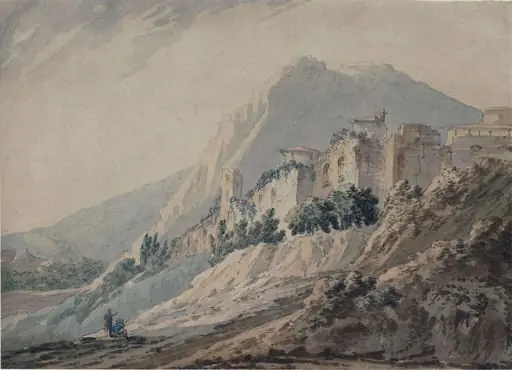 Mountainous landscape with ruined building
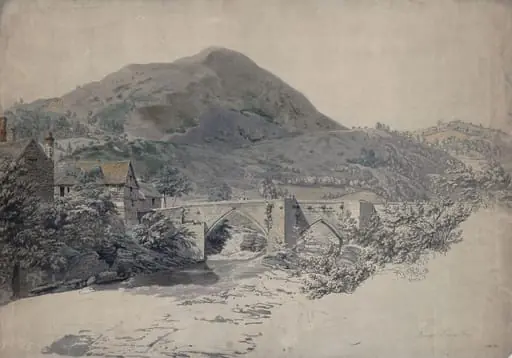 Llangollen Bridge
 The Bridge of St. Maurice, Valais, Switzerland