Artwork
A Bright Outlook
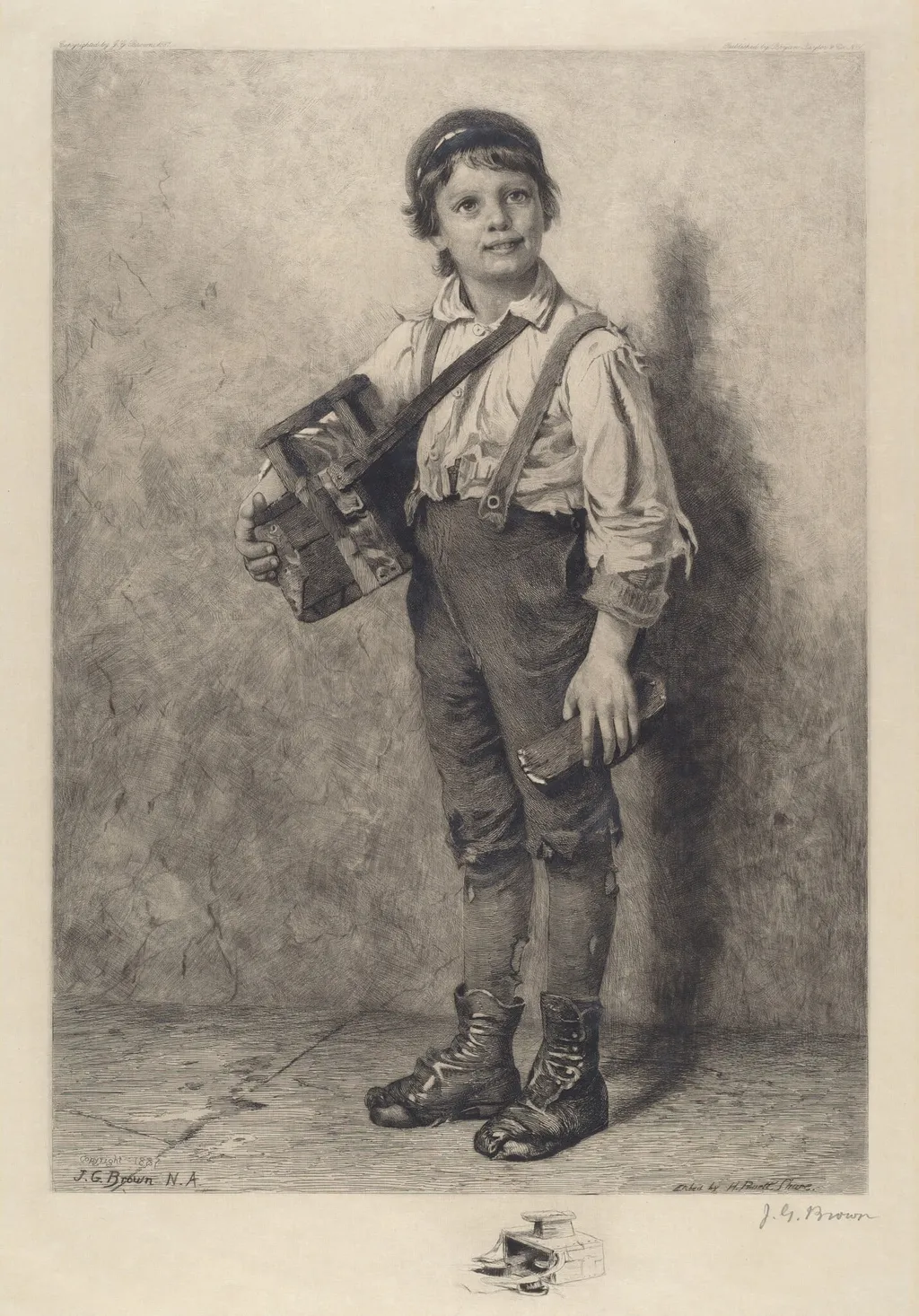
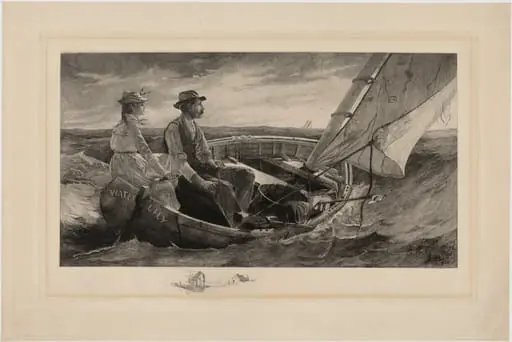
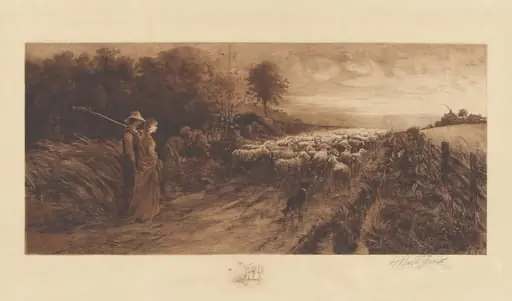
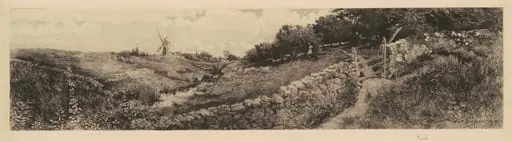
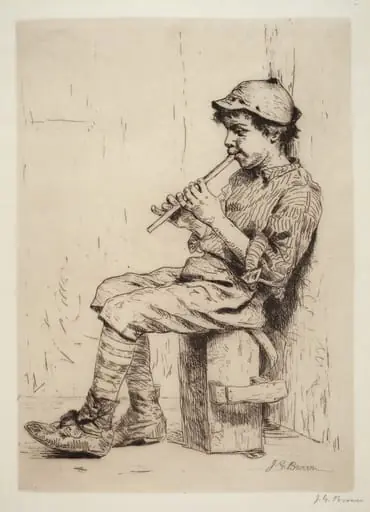
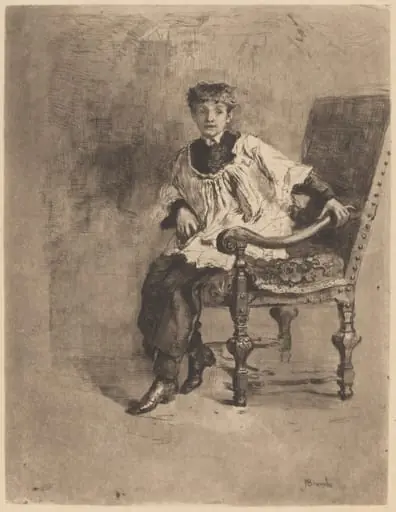
A Bright Outlook is an ink print by the Impressionist artist Henry Pruett Share. It dates from 1887 and is held in the collection of the National Gallery of Art.
About this work
Overview
A Bright Outlook is an 1887 etching by American printmaker Henry Pruett Share. Executed as a drypoint, the work presents a modest interior scene where a shaft of light falls upon a wall, creating a subtle contrast of illuminated and shadowed areas. The composition is restrained, focusing on the quiet moment of morning light before activity begins.
Subject & Meaning
The image captures a fleeting instant of natural illumination entering a domestic space, suggesting a sense of stillness and anticipation. By emphasizing the interplay of light and surface, the work invites contemplation of everyday moments and the way ordinary settings can be transformed by a simple change in lighting.
Technique & Style
Share employed drypoint, a variant of intaglio printing in which a needle incises lines directly onto a copper plate. The resulting burr holds ink, producing soft, velvety strokes that convey the glow of light despite the medium’s inherent flatness. The delicate line work and nuanced tonal gradations demonstrate the artist’s control of the medium’s capacity for atmospheric effects.
History & Provenance
Created in the late nineteenth century, A Bright Outlook reflects the period’s growing interest in tonal printmaking among American artists. While specific ownership records are limited, the piece has appeared in several collections of 19th‑century American prints, illustrating Share’s participation in the broader movement toward intimate, mood‑driven imagery.
Context
During the 1880s, American printmakers were exploring the expressive possibilities of drypoint, often inspired by European precedents such as James McNeill Whistler’s nocturnes. Share’s work aligns with this trend, focusing on subtle lighting effects rather than narrative detail, and contributes to the era’s shift toward atmospheric and tonal exploration in print media.
Artist & collection