Artwork
His First Pipe
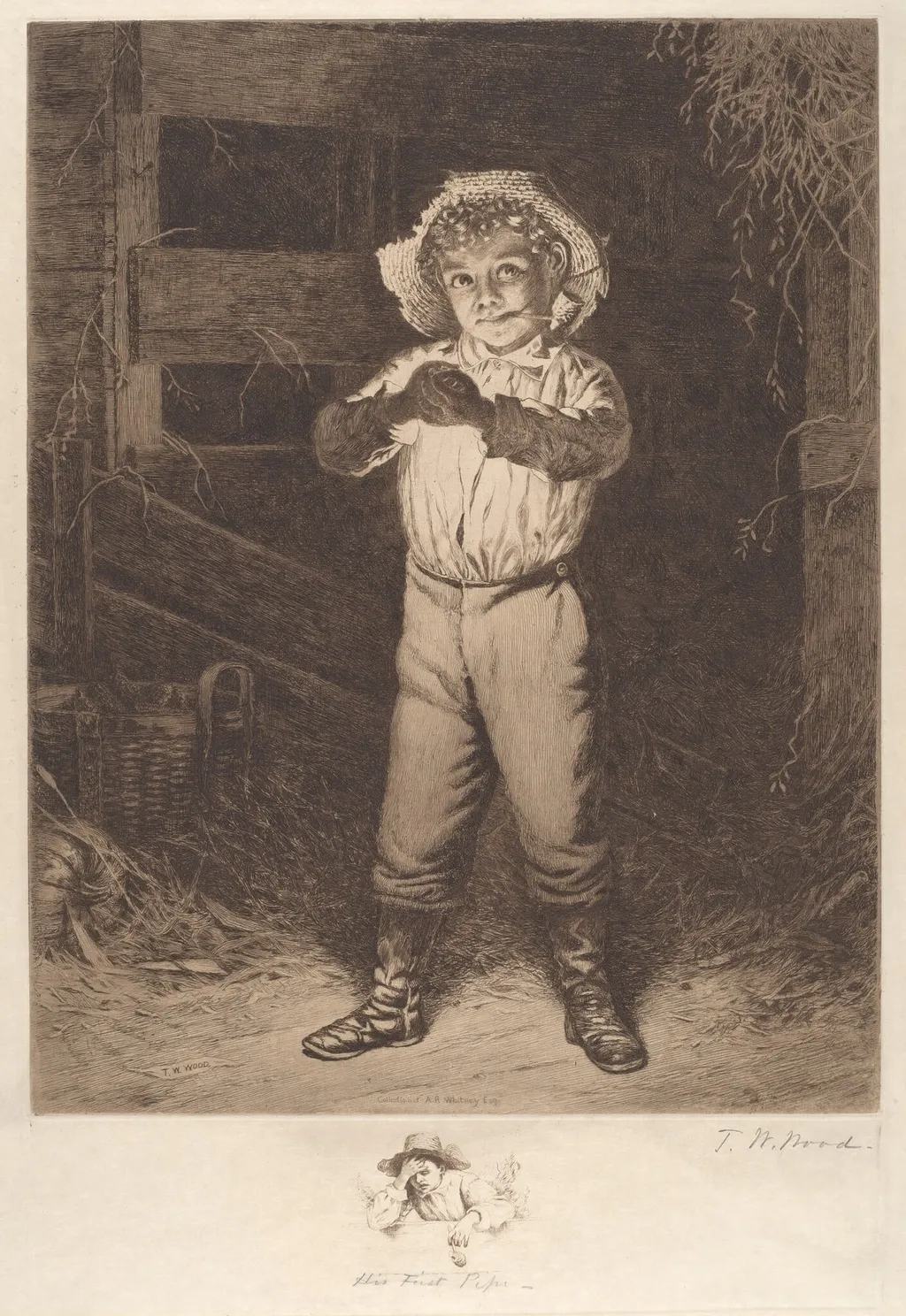
His First Pipe is an ink print by the Impressionist artist Thomas Waterman Wood. It dates from 1886 and is held in the collection of the National Gallery of Art.
About this work
Overview
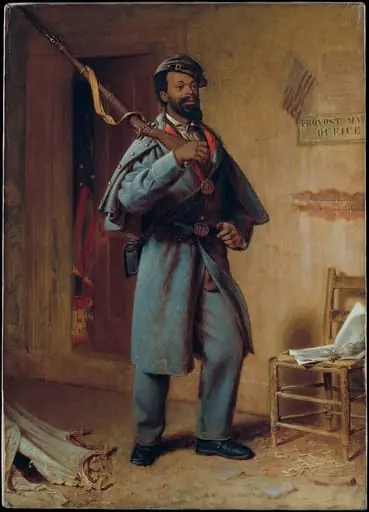
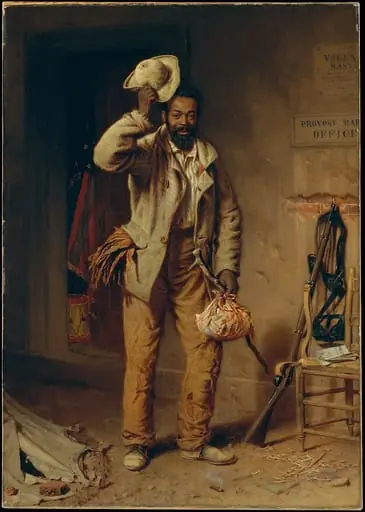
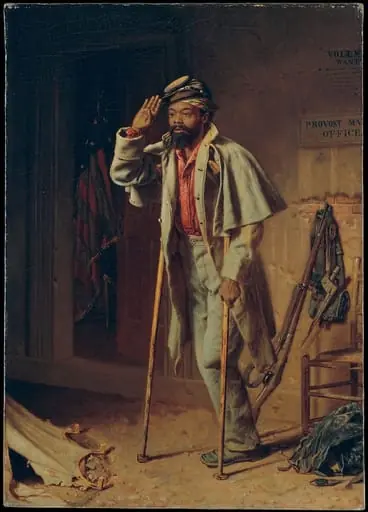
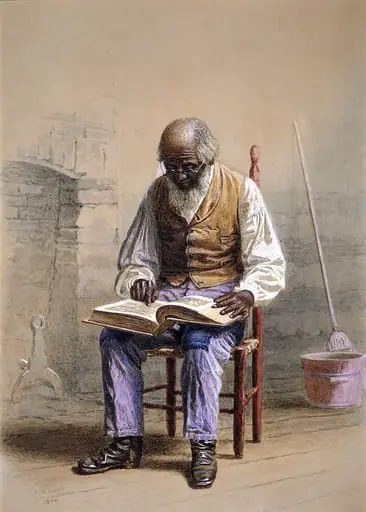
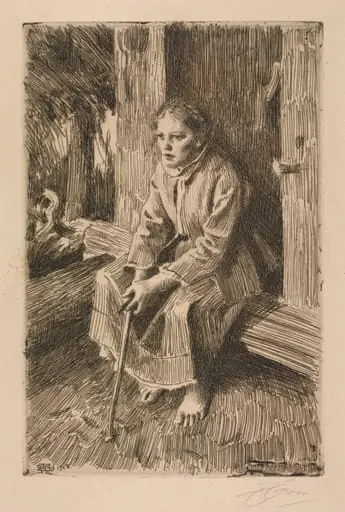
Thomas Waterman Wood’s 1886 etching *His First Pipe* portrays a young boy in a bonnet and overalls standing before a modest wooden cabin. He holds a pipe, his expression solemn and attentive, while the surrounding ground is rendered in dry grass and earth. The composition captures a moment of quiet anticipation within a rural setting.
Subject & Meaning
The work’s title suggests the scene records a child’s inaugural encounter with smoking, a rite of passage that carries both curiosity and caution. The boy’s serious demeanor and the stark, unadorned backdrop emphasize the gravity of this personal milestone, inviting viewers to contemplate the social and personal dimensions of such a habit.
Technique & Style
Executed as an etching, Wood incised lines into a metal plate, then printed them onto paper, achieving fine gradations of shadow and texture. The linear cross‑hatching defines the cabin’s timber, the boy’s clothing, and the surrounding terrain, producing a tactile, handcrafted quality characteristic of late‑19th‑century American printmaking.
History & Provenance
Created in 1886, the piece reflects Wood’s interest in everyday American life during the post‑Civil War era. While specific ownership records are limited, the etching has appeared in several catalogues of Wood’s work and is held in regional museum collections that focus on 19th‑century American genre scenes.
Artist & collection

Artist
Thomas Waterman Wood (1823–1903) was an American artist, born in Montpelier.