Artwork
Amelia Elizabeth, Countess of Hesse
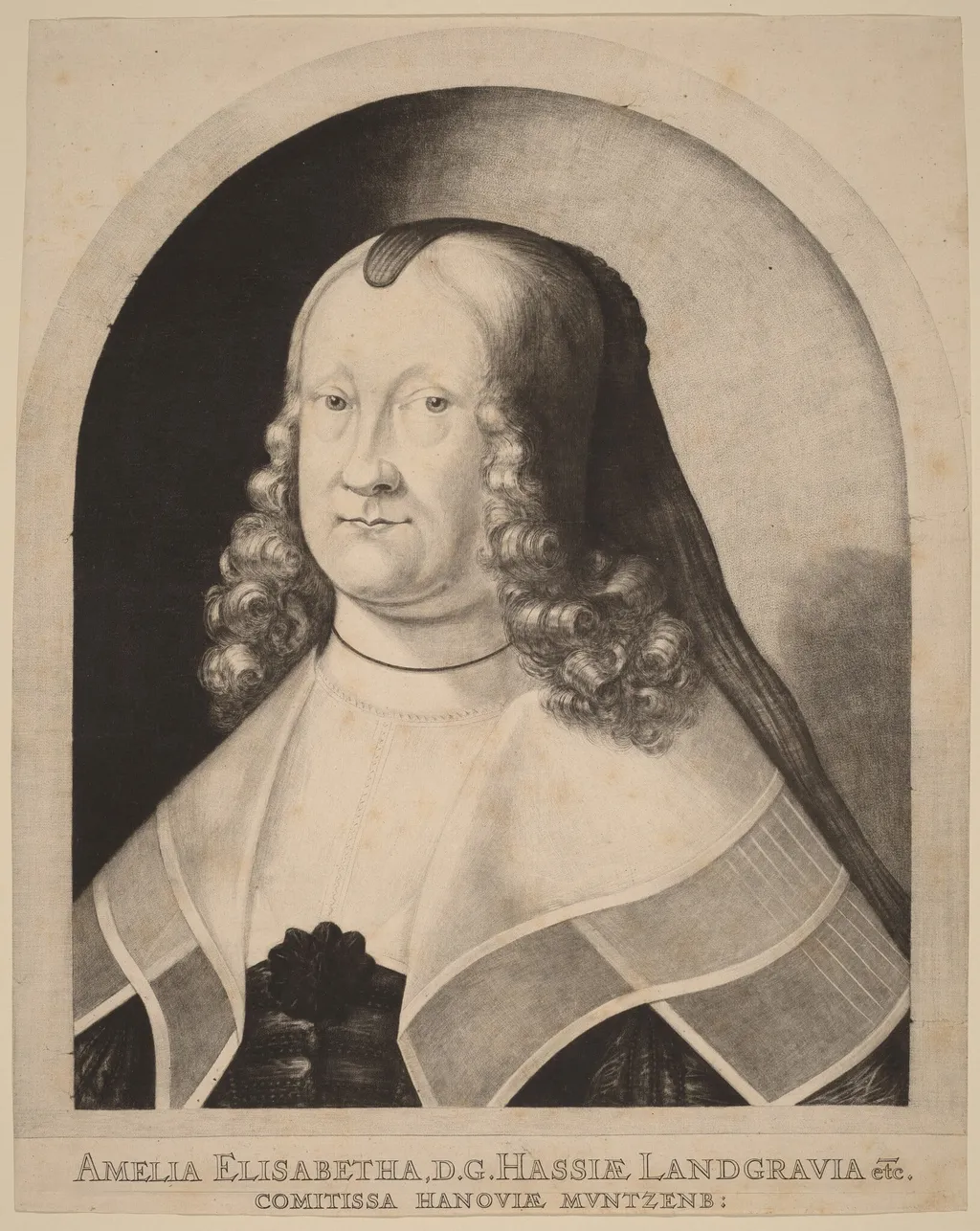
Amelia Elizabeth, Countess of Hesse is an ink print by the Baroque artist Ludwig von Siegen. It dates from 1642 and is held in the collection of the National Gallery of Art.
About this work
Overview
Ludwig von Siegen’s 1642 mezzotint presents Amelia Elizabeth, Countess of Hesse, in a restrained, monochrome portrait. The sitter is rendered with a solemn expression, her curly hair framing a high‑collared garment and a dark cloak that falls across her shoulders. A plain background isolates the figure, directing attention to the delicate modeling of her face and attire.
Subject & Meaning
The work depicts Amelia Elizabeth, a noblewoman of the Hessian court, emphasizing her status through refined dress and composed demeanor. The absence of ornamental background or symbolic objects suggests a focus on personal dignity and the aristocratic ideal of restrained elegance prevalent in mid‑seventeenth‑century portraiture.
Technique & Style
Executed as a mezzotint on laid paper, the image relies on subtle gradations of tone achieved by roughening and smoothing the copper plate. Siegen’s handling of light and shadow creates a chiaroscuro effect, with the sitter’s features emerging sharply from the surrounding darkness, exemplifying the early development of the medium’s capacity for rich tonal depth.
History & Provenance
Created in 1642, the print was likely produced for circulation among the Countess’s acquaintances and the broader German aristocracy. Copies of the mezzotint have survived in several European print collections, indicating its distribution and the artist’s reputation as a pioneering figure in the technique’s early history.
Artist & collection


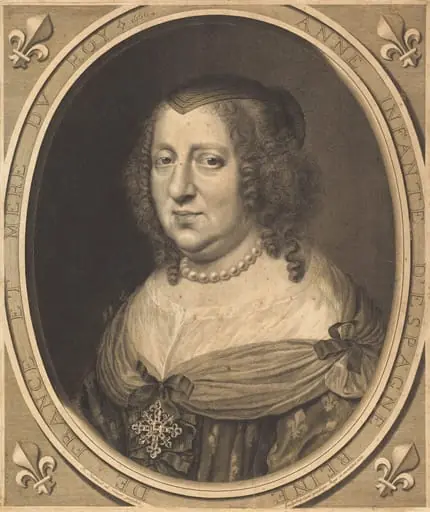 Anne of Austria, Queen of France and Navarre
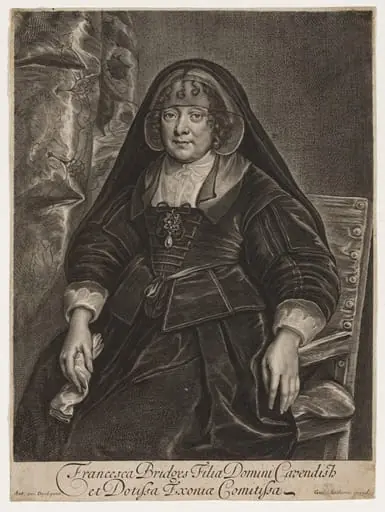 Frances Bridges
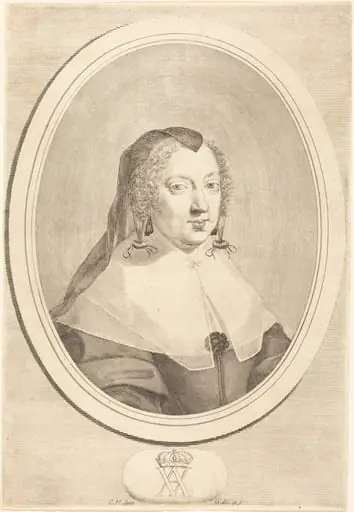 Anne of Austria
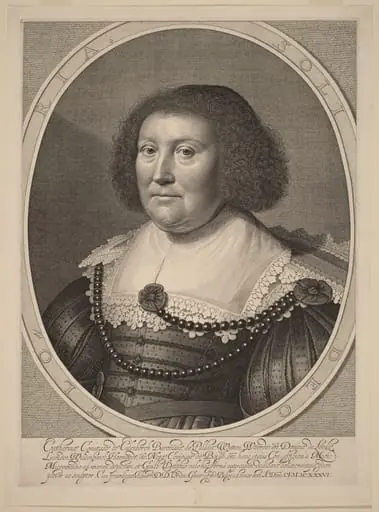 Catherine, Countess of Pallandt
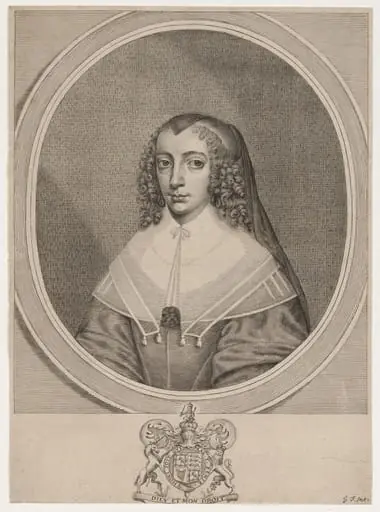 Henrietta Maria
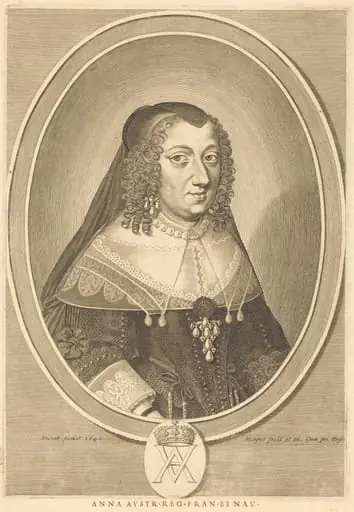 Anne of Austria
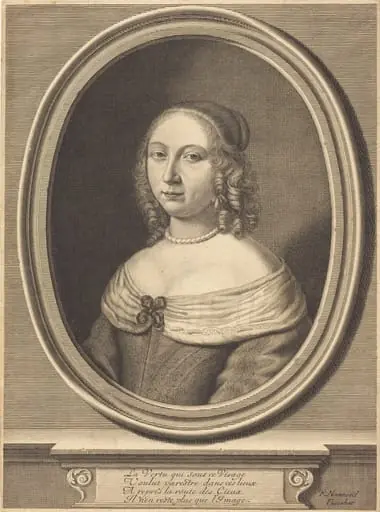 Madame de Gillier
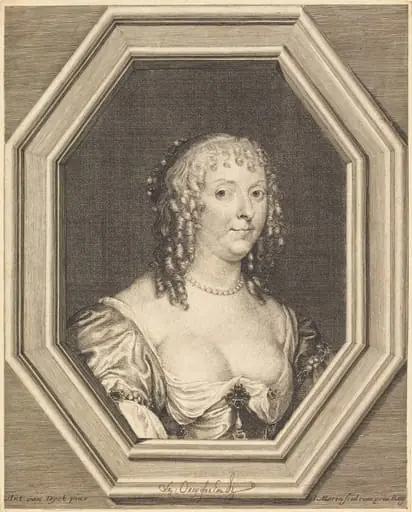 Anne Sophie Herbert, comtesse de Carnarvon
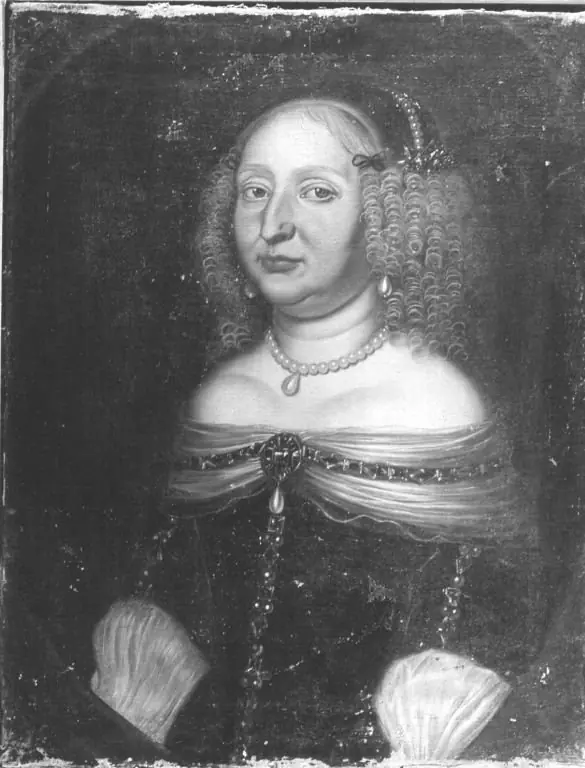 Bildnis der Sophie Eleonore von Sachsen, Landgräfin von Hessen-Darmstadt, Gemahlin des Landgrafen Georg II. (1609-1671) (?)