Artwork
Henrietta Maria
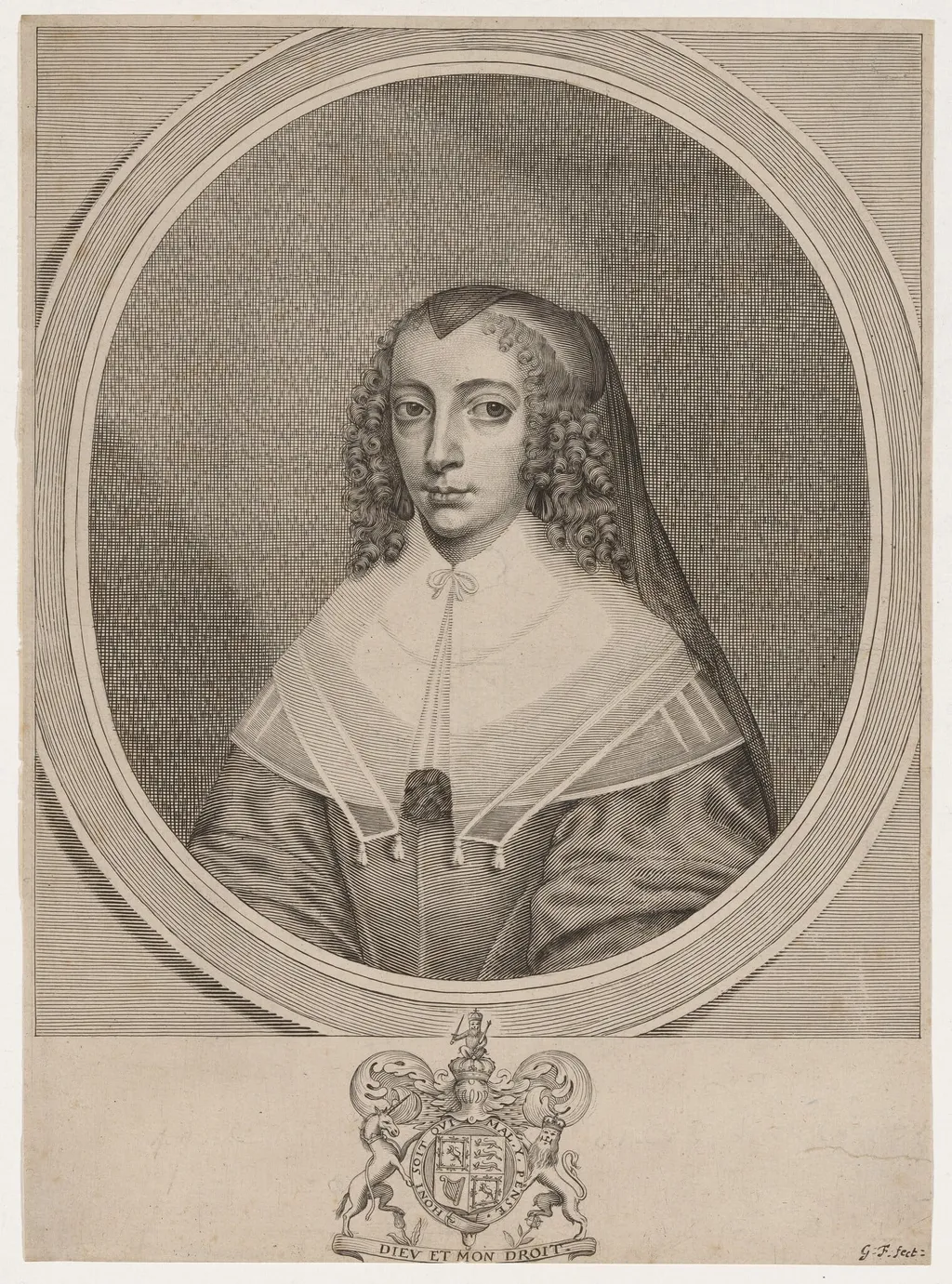
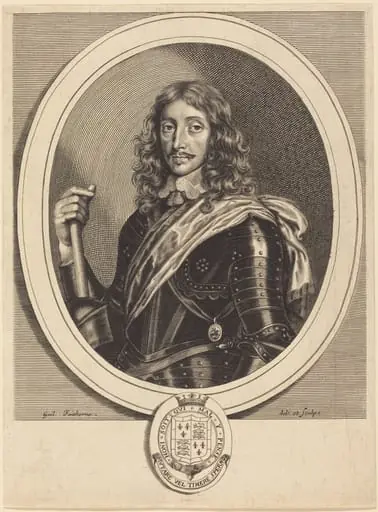
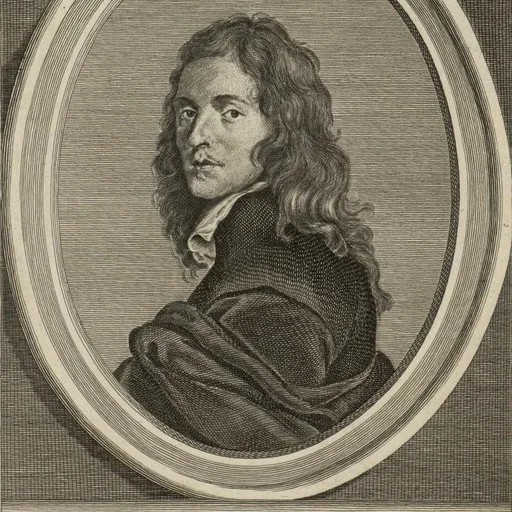
Henrietta Maria is an ink print by the Baroque artist William Faithorne. It dates from 1669 and is held in the collection of the National Gallery of Art.
About this work
Overview
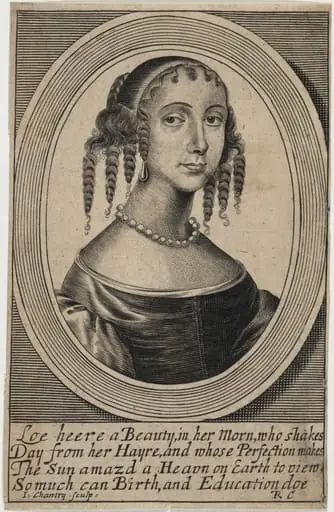
William Faithorne’s engraving of Henrietta Maria, dated around 1669, presents a monochrome portrait of the queen. The sitter is depicted with tightly curled hair, a high‑collared garment, and a fan held in one hand, gazing directly ahead with a composed expression. Beneath the figure a heraldic shield bears a crown and the motto *Dieu et Mon Droit*.
Subject & Meaning
The work portrays Henrietta Maria, queen consort of Charles II, emphasizing her regal bearing through the inclusion of the royal coat of arms and the royal motto, which asserts divine right to rule. The fan and calm demeanor suggest both courtly elegance and the political stature associated with her position.
Technique & Style
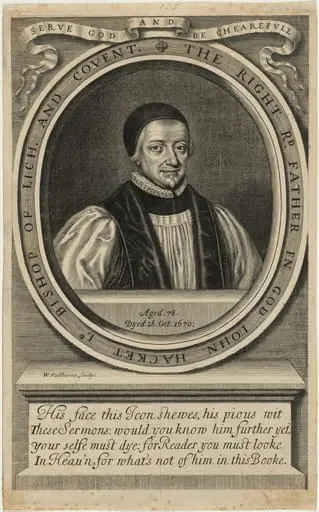
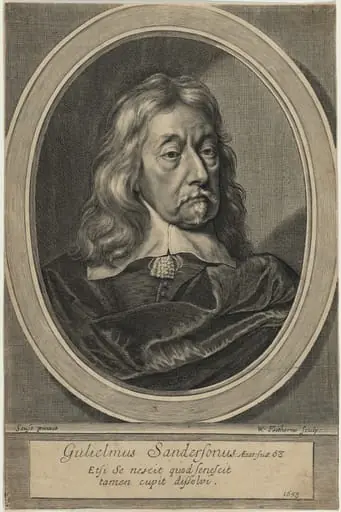
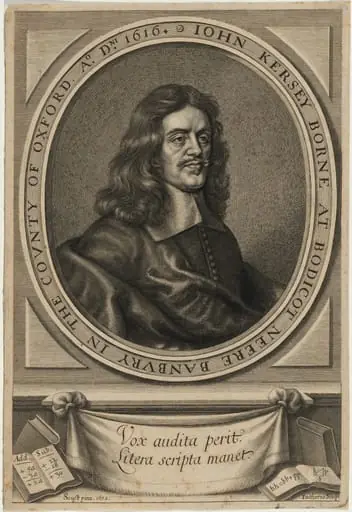
Faithorne employed the traditional engraving method, incising fine lines into a copper plate and using cross‑hatching to model light and shadow. The delicate line work creates subtle gradations of tone, a hallmark of mid‑seventeenth‑century English printmaking, allowing the portrait’s three‑dimensionality despite its black‑and‑white medium.
History & Provenance
Created circa 1669, the print likely served as a commemorative image of the queen during the Restoration period. Engravings of this type were commonly distributed among courtiers and collectors, though specific ownership records for this particular plate are not documented.
Context
The portrait emerges from a time when printed likenesses were a primary means of disseminating royal imagery. Faithorne, a leading English engraver, frequently rendered members of the monarchy, contributing to the visual culture that reinforced the restored monarchy’s legitimacy.
Artist & collection
Artist
William Faithorne (1616–1691) was a British artist, born in Greater London.