Artwork
Sophia Hedwig, Duchess of Brunswick
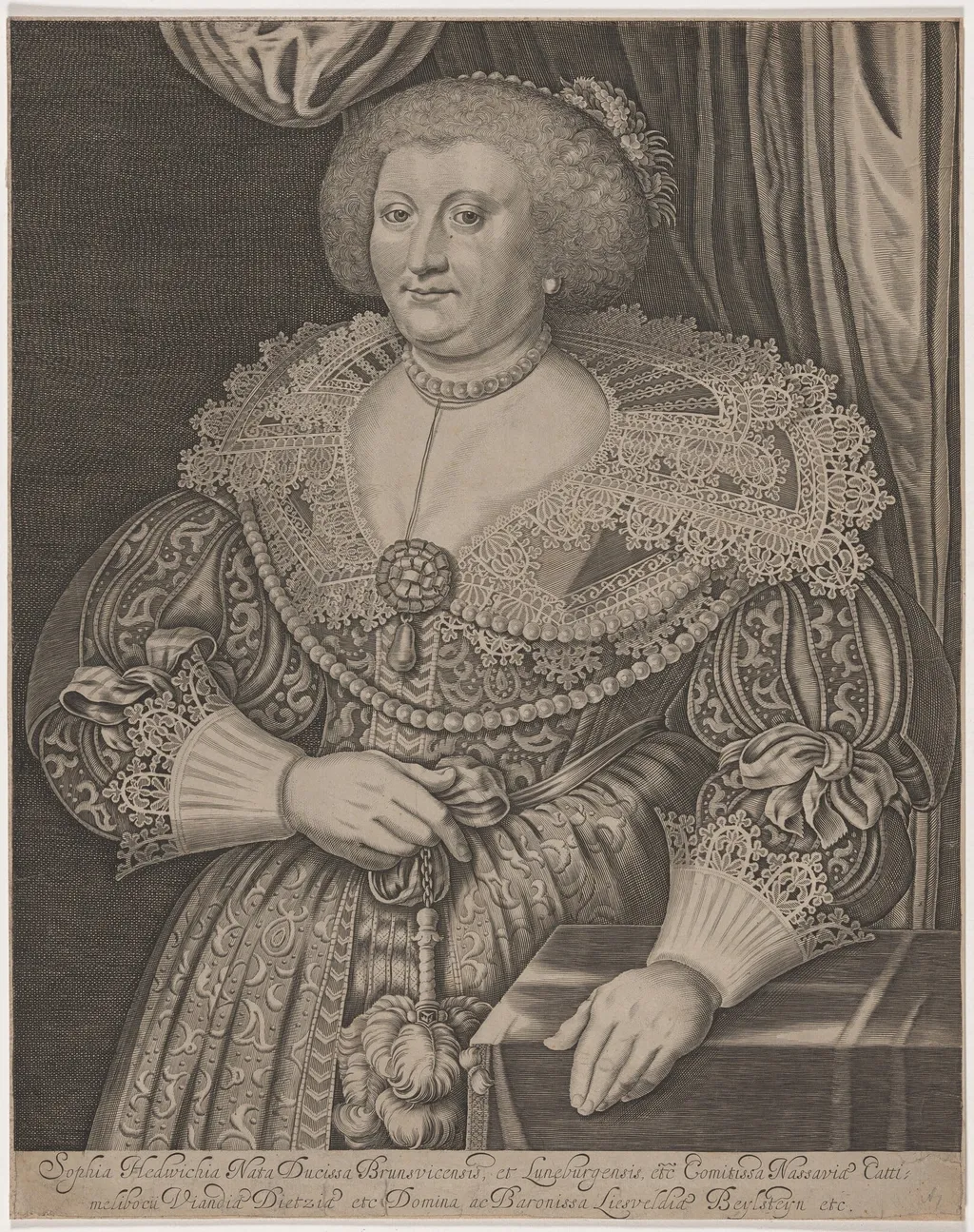
Sophia Hedwig, Duchess of Brunswick is an ink print by the Romanticist artist Unknown 19th Century. It dates from 1850 and is held in the collection of the National Gallery of Art.
About this work
Overview
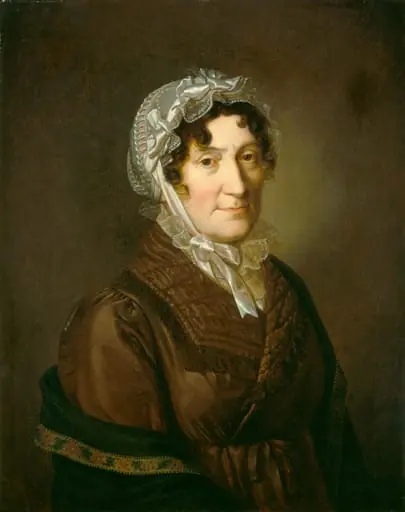
Rendered in fine linear detail, the image emphasizes her aristocratic bearing through precise rendering of fabric, jewelry, and posture.
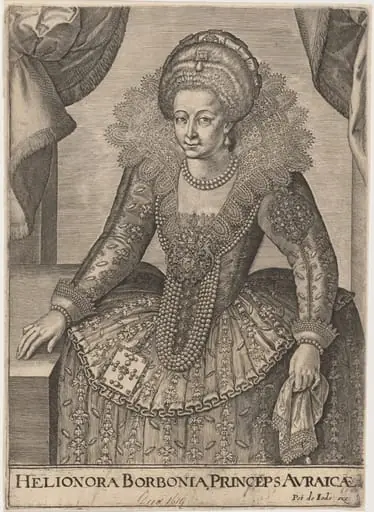
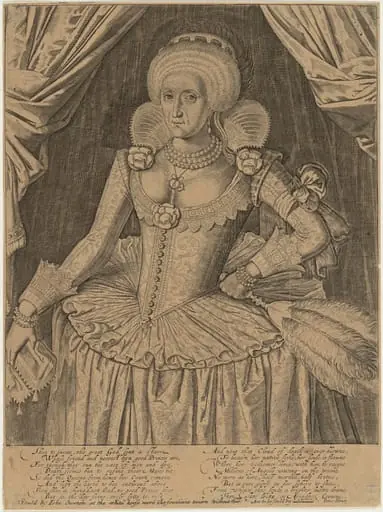
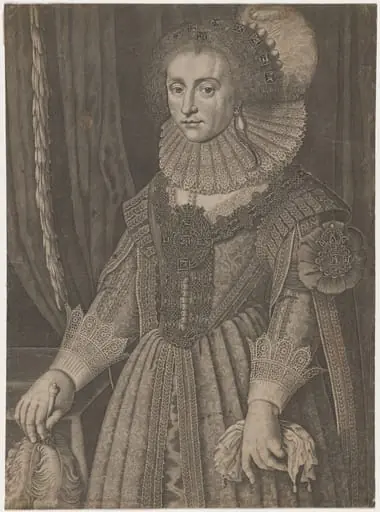
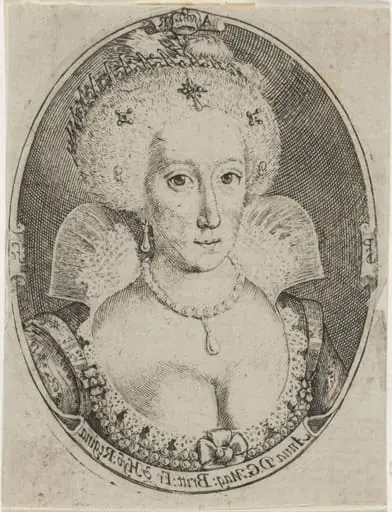
This engraving portrays Sophia Hedwig, Duchess of Brunswick, in a formal seated pose. Rendered in fine linear detail, the image emphasizes her aristocratic bearing through precise rendering of fabric, jewelry, and posture. The dark background isolates her figure, enhancing the focus on her attire and composure. As a print, it served as a portable representation of noble identity, likely circulated among elite circles.
Subject & Meaning
Sophia Hedwig is depicted not as an active figure but as a symbol of status and decorum. Her stillness, refined garments, and restrained expression convey ideals of noble femininity in the early modern period. The absence of narrative context shifts attention to her social presence rather than personal narrative, reinforcing her role as a representative of dynastic dignity.
Technique & Style
The work employs detailed engraving techniques to replicate the textures of lace, silk, and metal jewelry. Fine cross-hatching and delicate lines define the lace collar and brooch, while the smooth gradations of the dress suggest volume without chiaroscuro. The composition is frontal and symmetrical, prioritizing clarity and formality over emotional expression, aligning with portraiture conventions of the time.
History & Provenance
Created as a reproductive print, this engraving likely originated from a painted portrait commissioned by the Brunswick court. Its production suggests demand for likenesses of noblewomen among collectors and institutions. Though the original painting’s whereabouts are unconfirmed, the print’s survival indicates its circulation in 18th- or early 19th-century European aristocratic networks.
Context
Portraits of noblewomen like Sophia Hedwig were common in early modern Europe, often used to assert lineage and social standing. While Romanticism emphasized emotion and individuality, this image reflects earlier traditions of courtly representation. The engraving’s restraint contrasts with later Romantic ideals, positioning it within a transitional phase of portraiture rather than the movement itself.
Legacy
The engraving survives as a historical document of aristocratic visual culture. It offers insight into how noble identity was constructed through dress and pose in printed media. Though not widely known today, such works contributed to the standardization of elite imagery and remain valuable for studying gender, status, and reproduction in early modern print culture.
Artist & collection

Artist