Artwork
Paimentyttö
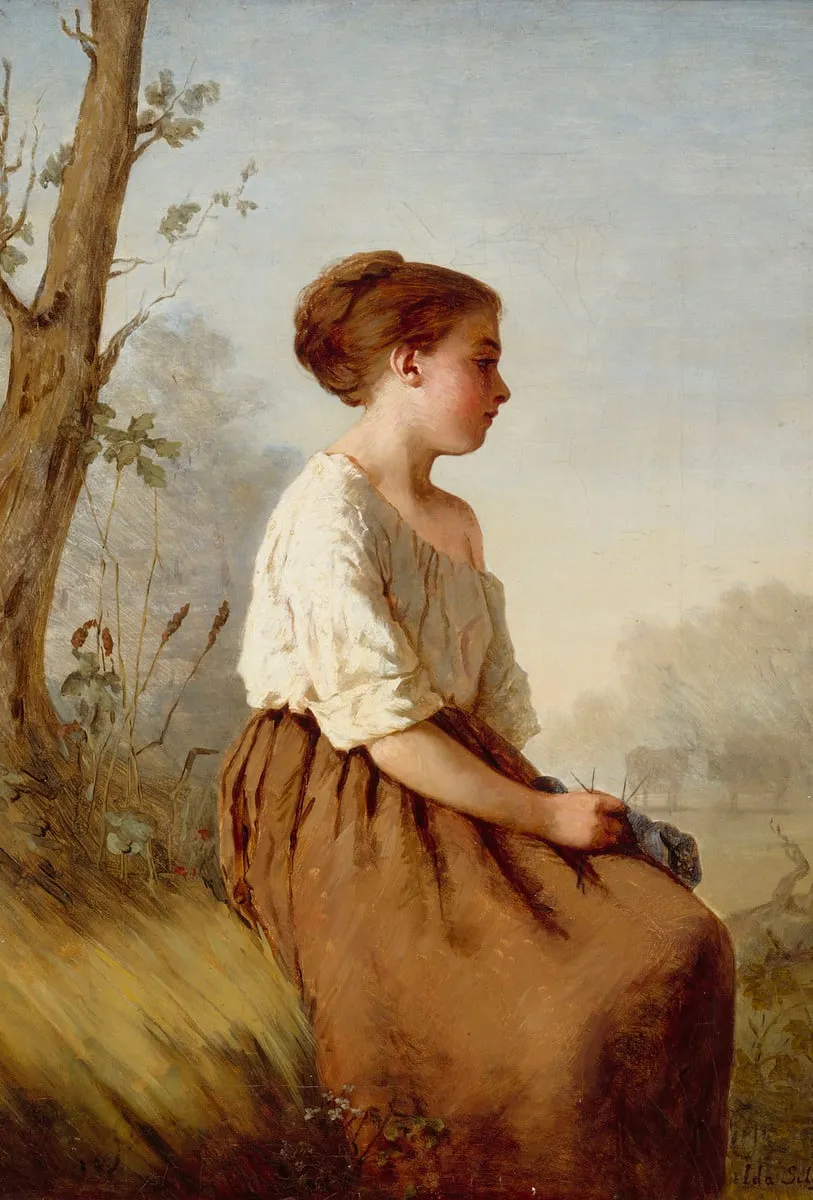
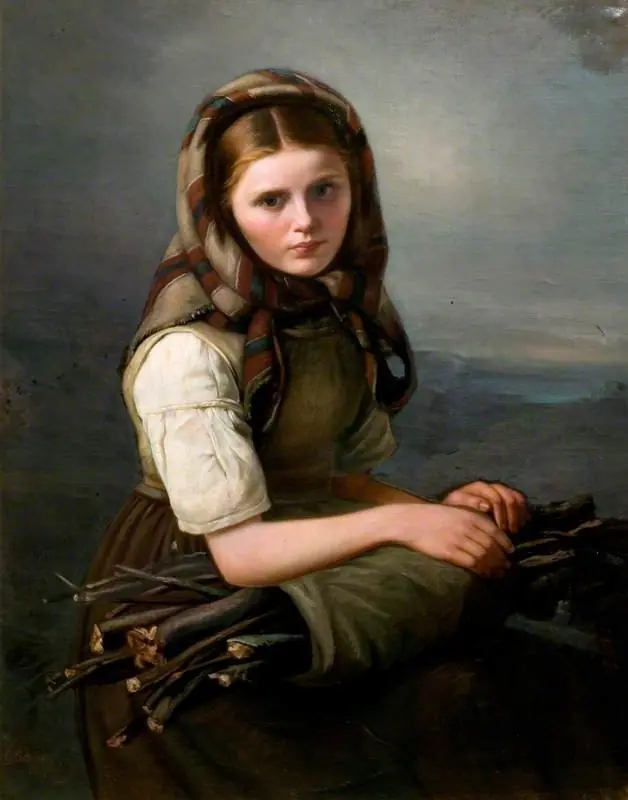
Paimentyttö is an unspecified painting by Ida Silfverberg. It is held in the collection of the Finnish National Gallery. A young woman is depicted seated on a gentle slope, facing right, in a quiet outdoor setting.
About this work
Overview
Dressed in a white blouse with full sleeves and a brown skirt, she holds a small bundle of twigs loosely in her lap.
A young woman is depicted seated on a gentle slope, facing right, in a quiet outdoor setting. Dressed in a white blouse with full sleeves and a brown skirt, she holds a small bundle of twigs loosely in her lap. The landscape behind her—trees, open sky, and soft earth—creates a calm, uncluttered atmosphere. The composition emphasizes stillness and solitude, with no overt narrative or dramatic elements.
Subject & Meaning
The figure appears absorbed in quiet reflection, her posture and gaze suggesting inward thought rather than action. The bundle of twigs may imply a momentary pause in domestic or rural labor, hinting at everyday life without romanticizing it. Her simple attire and unadorned surroundings reinforce a sense of modesty and authenticity, evoking a contemplative mood rather than a symbolic story.
Technique & Style
The painting employs soft, muted tones and gentle brushwork to convey tranquility. Light falls evenly across the figure and landscape, avoiding sharp contrasts. Details like the puff of the sleeves and the texture of the grass are rendered with subtle precision, but the overall approach remains restrained. The style favors atmospheric harmony over dramatic effect, aligning with late 19th-century Nordic realism.
History & Provenance
The work is attributed to Ida Silfverberg, a Finnish artist active in the late 1800s. While few of her paintings are widely documented, this piece reflects the domestic and rural themes common among female artists of her time. Its provenance is not extensively recorded, but it likely originated in Finland, where Silfverberg lived and worked, possibly created for private collection or exhibition.
Context
Created during a period when Finnish art was developing a distinct national identity, the painting aligns with a broader interest in everyday life and natural landscapes. Female artists like Silfverberg often focused on intimate, domestic scenes, navigating societal expectations while contributing to a growing visual culture. This work reflects the quiet dignity assigned to rural women in Nordic art of the era.
Legacy
Ida Silfverberg’s oeuvre remains largely understudied, and this painting is one of the few known works attributed to her. It contributes to a quieter strand of Nordic art history—focused on observation rather than grandeur. While not widely reproduced, it stands as a modest example of how women artists captured solitude and routine with sensitivity during a transformative period in Finnish cultural life.
Artist & collection
Artist
Ida Silfverberg spent her life quietly copying other artists—Dutch genre scenes, Italian card-players—like a painterly magpie.

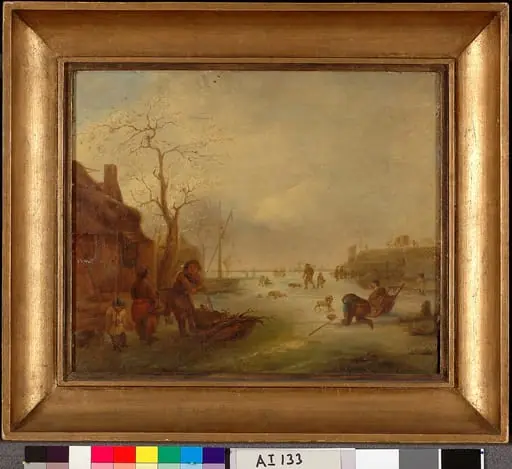 Luistelijoita Hollannissa, kopio Isaac van Ostaden mukaan
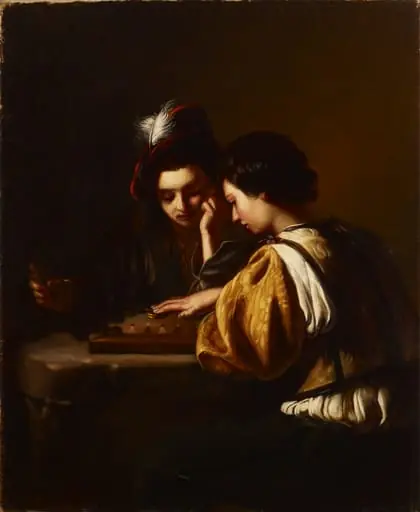 Lautapelin pelaajat, kopio Bartolomeo Manfredin mukaan, osa
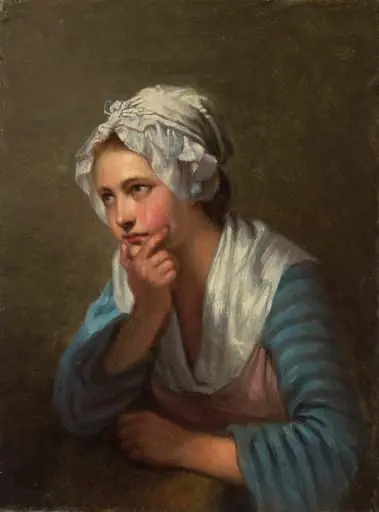 Käteensä nojaava tyttö, osa "L'accordée de village" -maalauksesta, kopio Jean-Baptiste Greuzen mukaan, osa
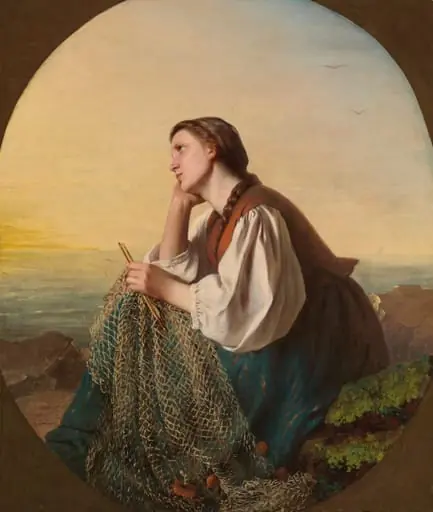 Nuotankutojatar
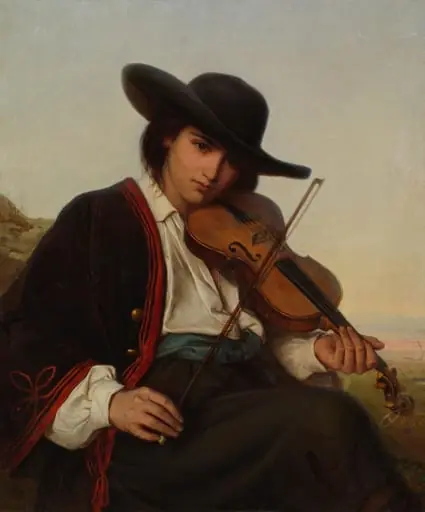 Böömiläinen viuluniekka
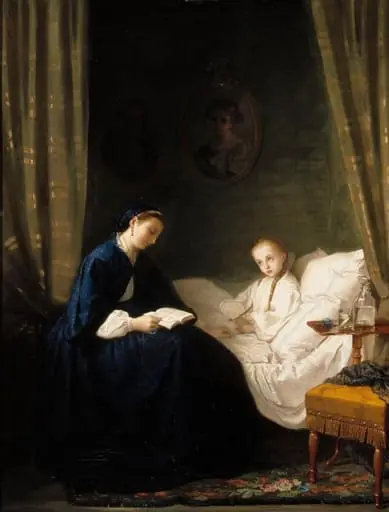 Äiti lukee sairaalle lapselleen
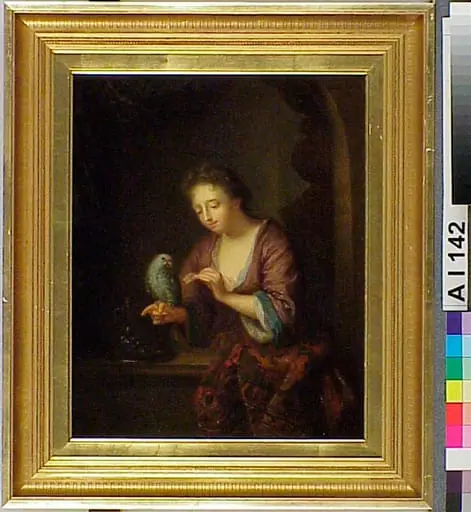 Papukaijaa ruokkiva nainen, kopio Arnold Boonenin mukaan
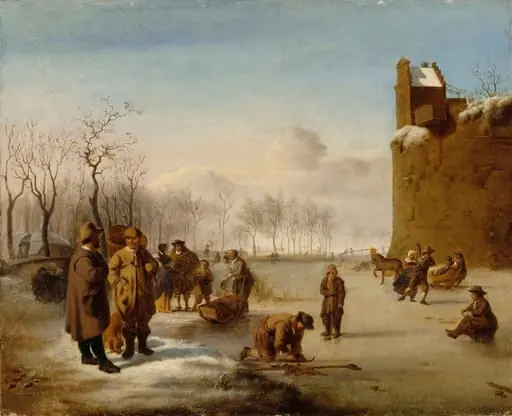 Luistelijoita, kopio Adriaen van de Velden mukaan
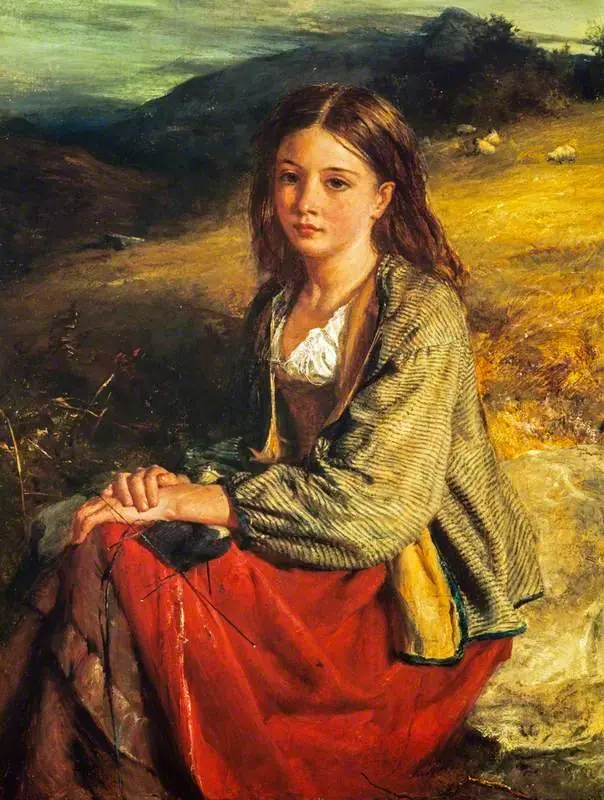 Evening Thoughts
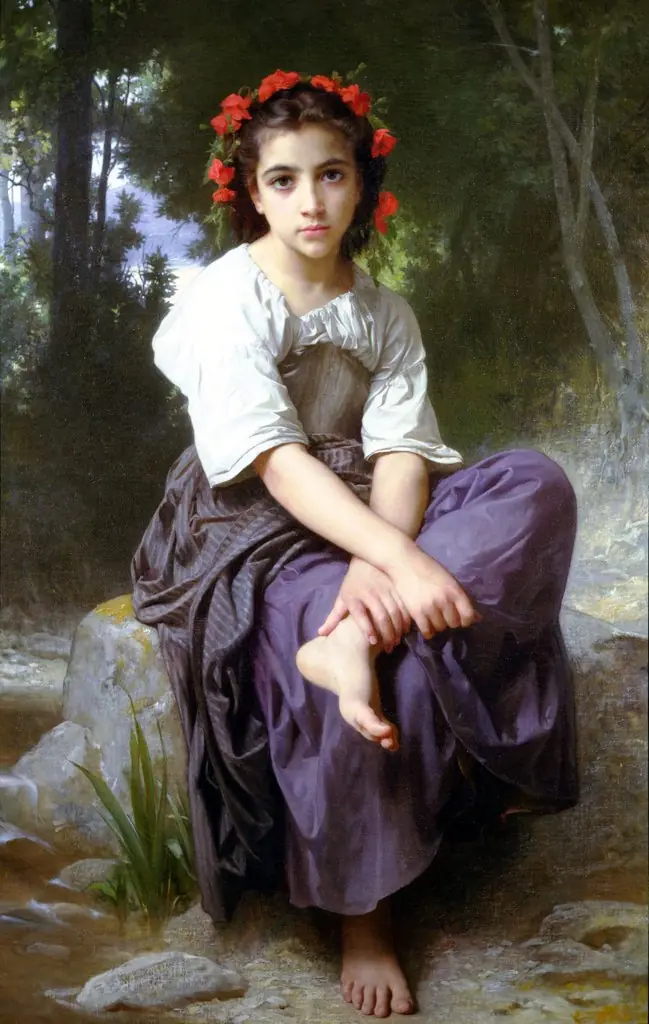 At the Edge of the Brook
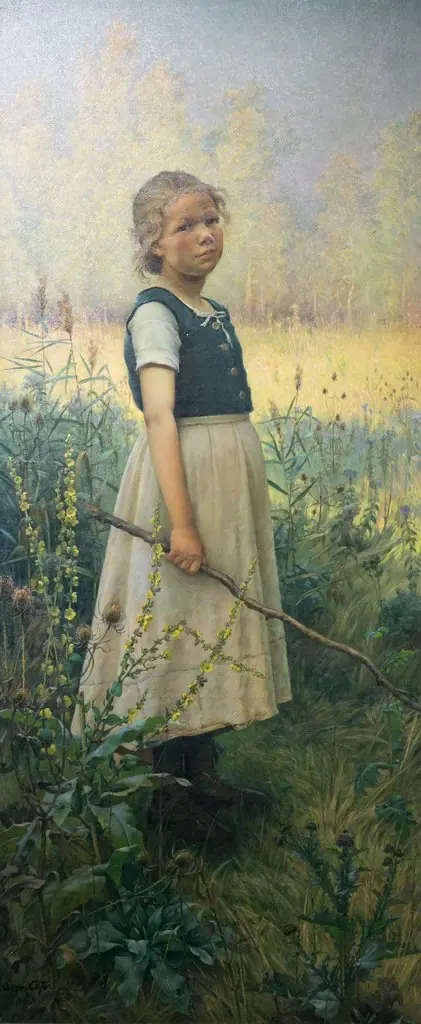 Shepherdess at Vallangoujard (Seine-et-Oise)
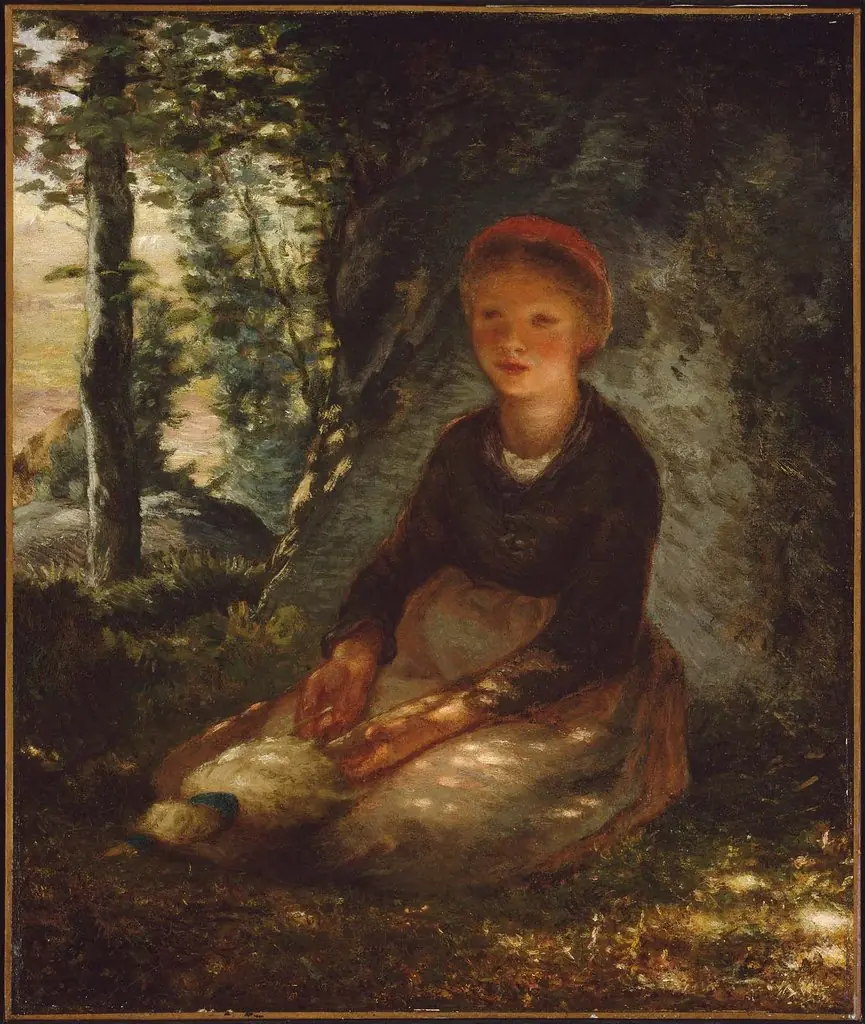 Shepherdess Seated in the Shade
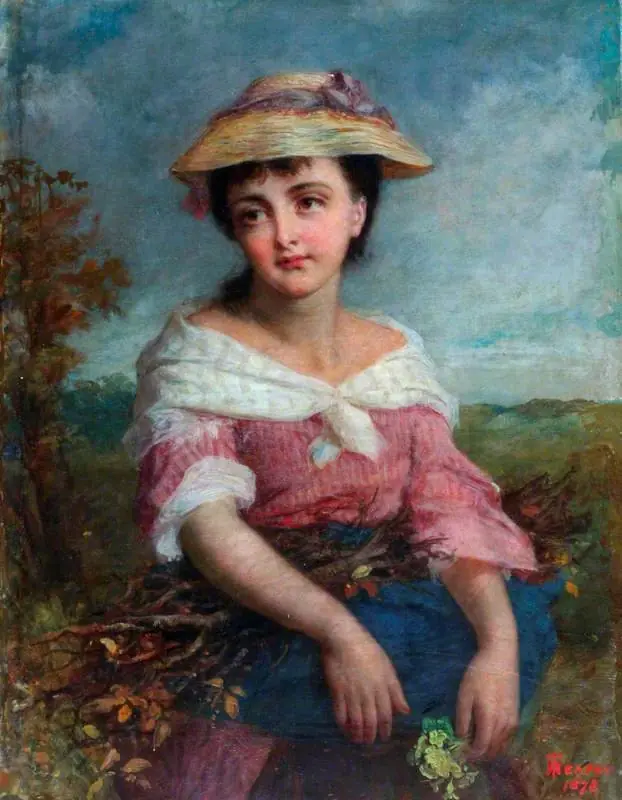 The Little Wood Gatherer
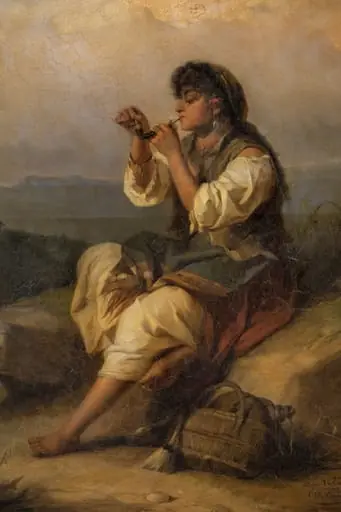 Țiganca (copie dupa Vostagh)
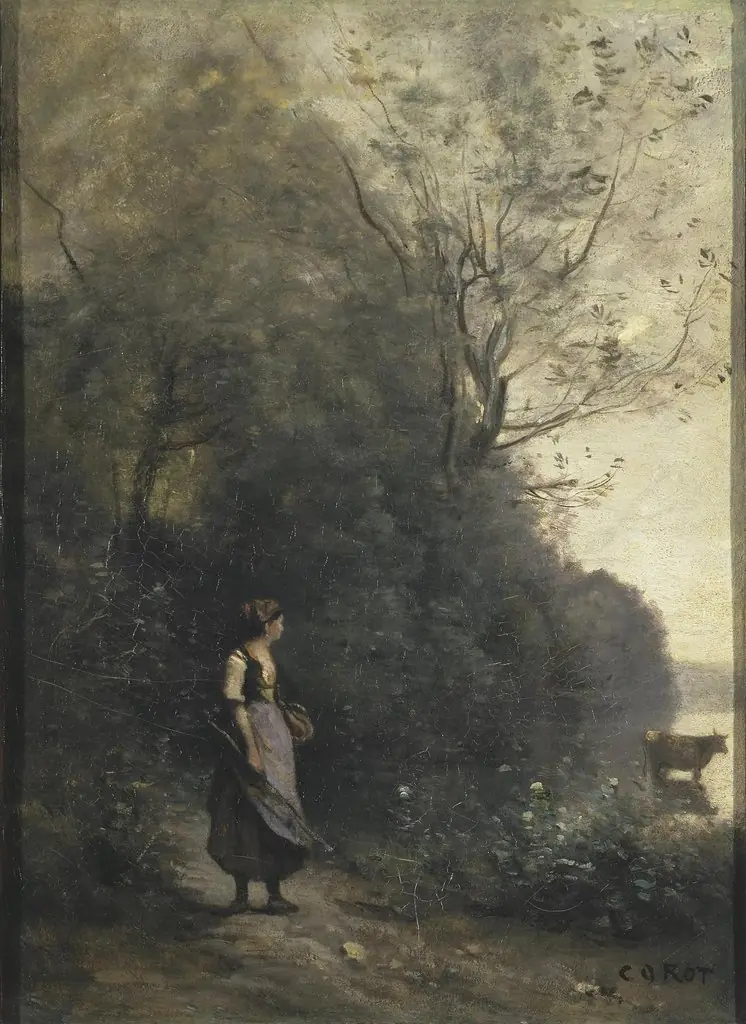 Peasant Girl Grazing a Cow at the a Forest
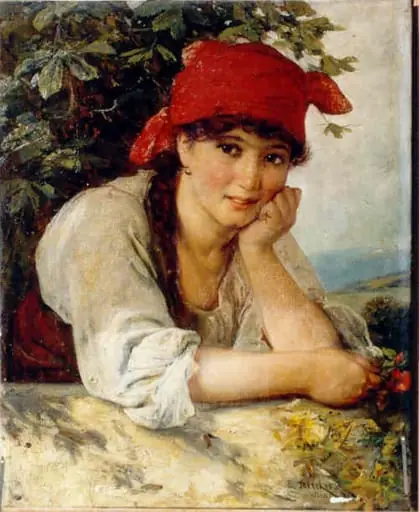 Fată cu basma roșie
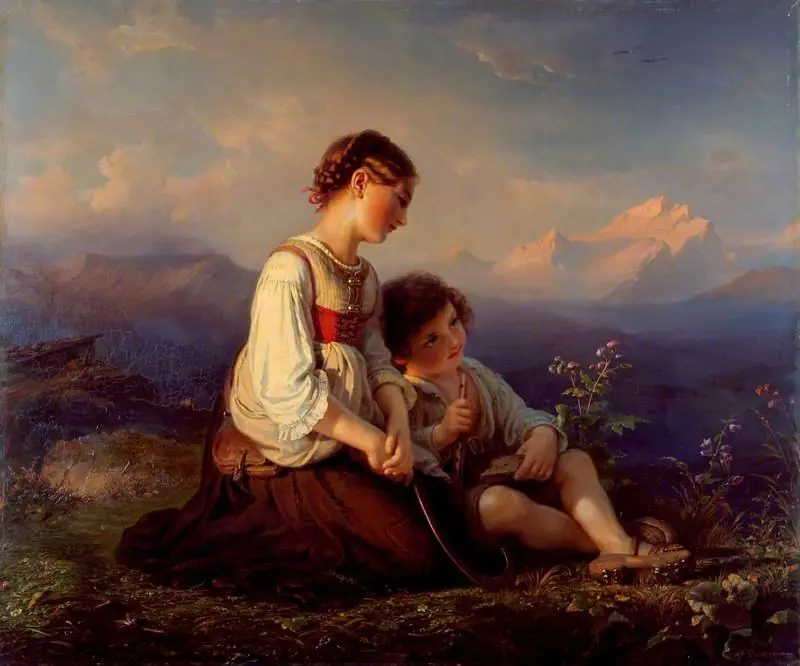 The Vesper Bell: The Young Reapers
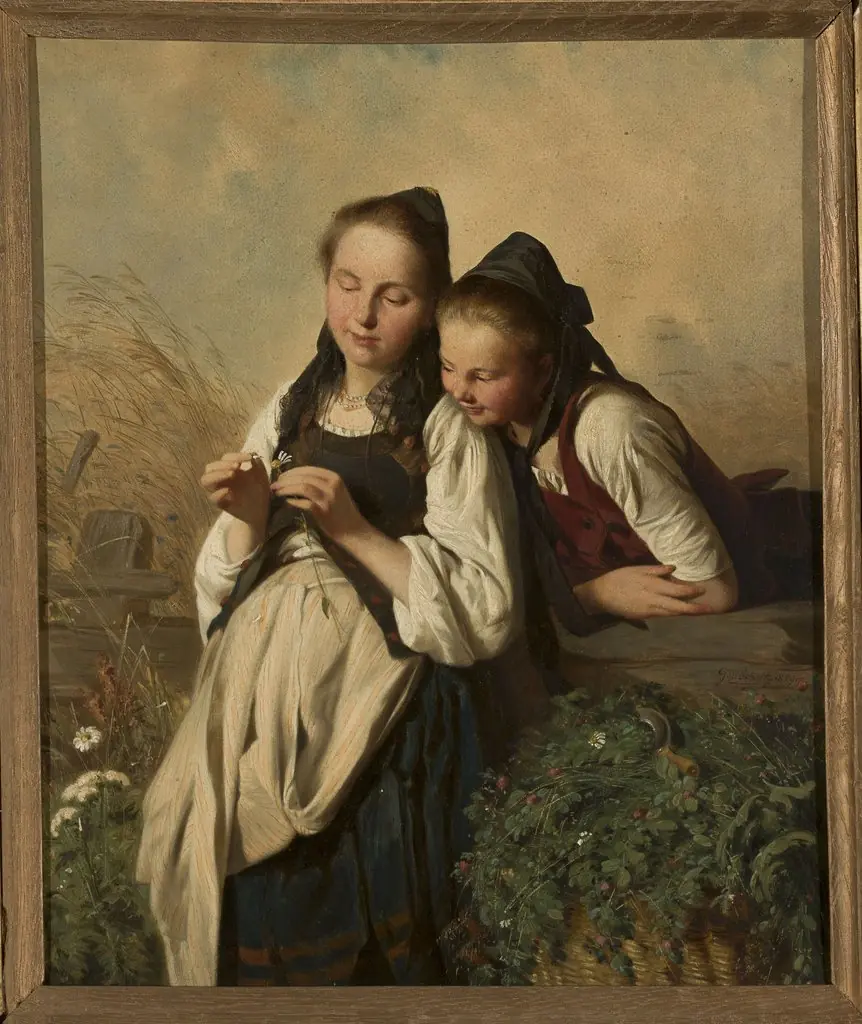 Love divination
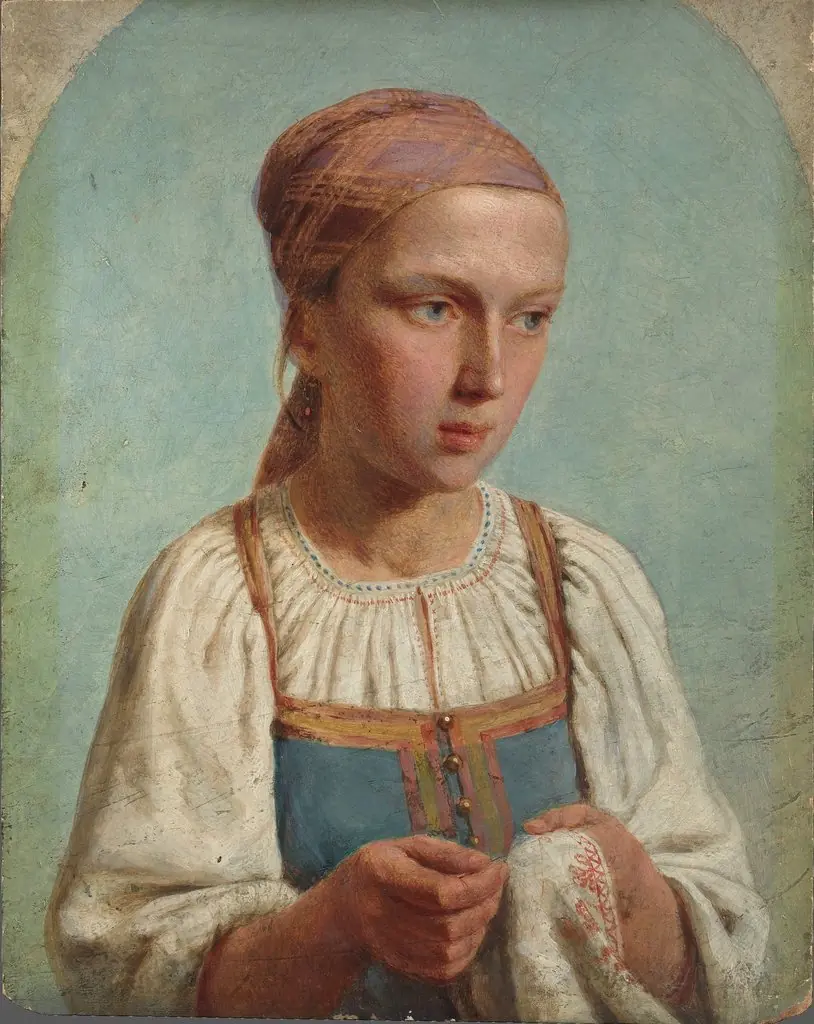 Крестьянская девушка за вышиванием
 Girl Gathering Sticks