Artwork
Portrait of a Woman
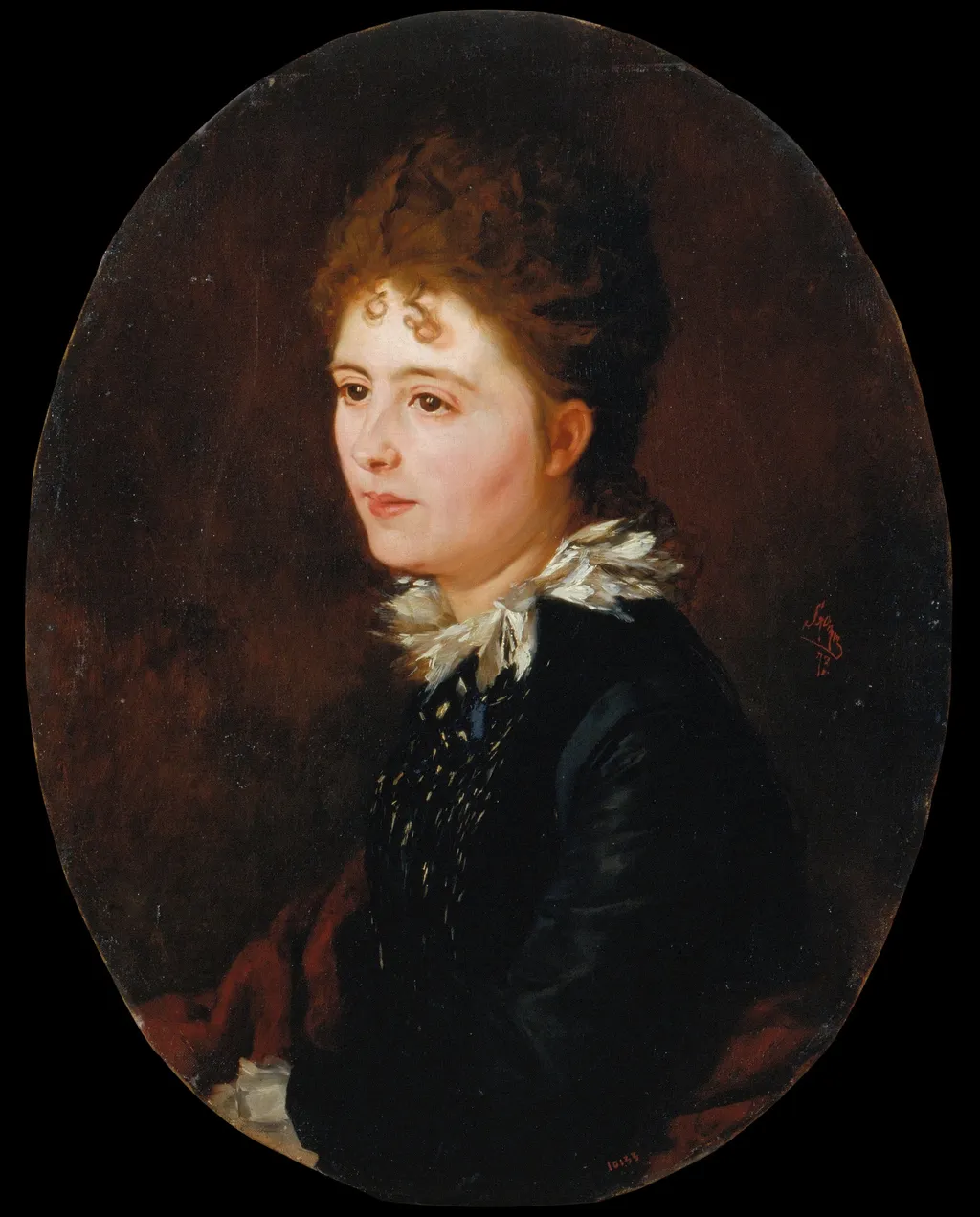
Portrait of a Woman is an unspecified painting by the Impressionist artist Simó Gómez. It dates from 1873 and is held in the collection of the Museu Nacional d'Art de Catalunya.
About this work
Overview
Simó Gómez’s 1873 canvas, titled Portrait of a Woman, is part of the collection of the Museu Nacional d’Art de Catalunya. The work presents a solitary female sitter rendered against a dark backdrop, her gaze directed toward the left. The composition is modest in scale but notable for its controlled lighting, which isolates the figure from the surrounding gloom.
Subject & Meaning
The painting portrays an unidentified woman dressed in a dark, subtly reflective garment accented by a crisp white collar. Her hair is neatly gathered, and her expression is calm, suggesting a private, perhaps domestic, moment rather than a formal portrait intended for public display. The subdued palette emphasizes the sitter’s demeanor over narrative detail.
Technique & Style
Executed in oil on canvas, Gómez employs a limited tonal range to model form, allowing the illuminated face to emerge from the surrounding darkness. The sheen of the dress hints at a smooth, possibly silk, fabric, while the soft brushwork around the collar conveys a delicate texture. The overall approach reflects the realist tendencies of mid‑19th‑century Spanish portraiture.
History & Provenance
Created in 1873, the portrait entered the Museu Nacional d’Art de Catalunya’s holdings during the museum’s early 20th‑century acquisitions of Catalan art. Documentation traces its provenance directly from the artist’s studio to the museum, with no recorded intermediate owners, indicating it may have been donated or purchased shortly after its completion.
Context
Simó Gómez worked in a period when Spanish painters were negotiating between academic conventions and emerging realist sensibilities.
Simó Gómez worked in a period when Spanish painters were negotiating between academic conventions and emerging realist sensibilities. This portrait aligns with contemporary trends that favored intimate, unembellished representations of individuals, contrasting with the grand historical scenes popular in earlier decades. The work thus offers insight into the shifting priorities of Spanish portraiture in the late 1800s.
Artist & collection

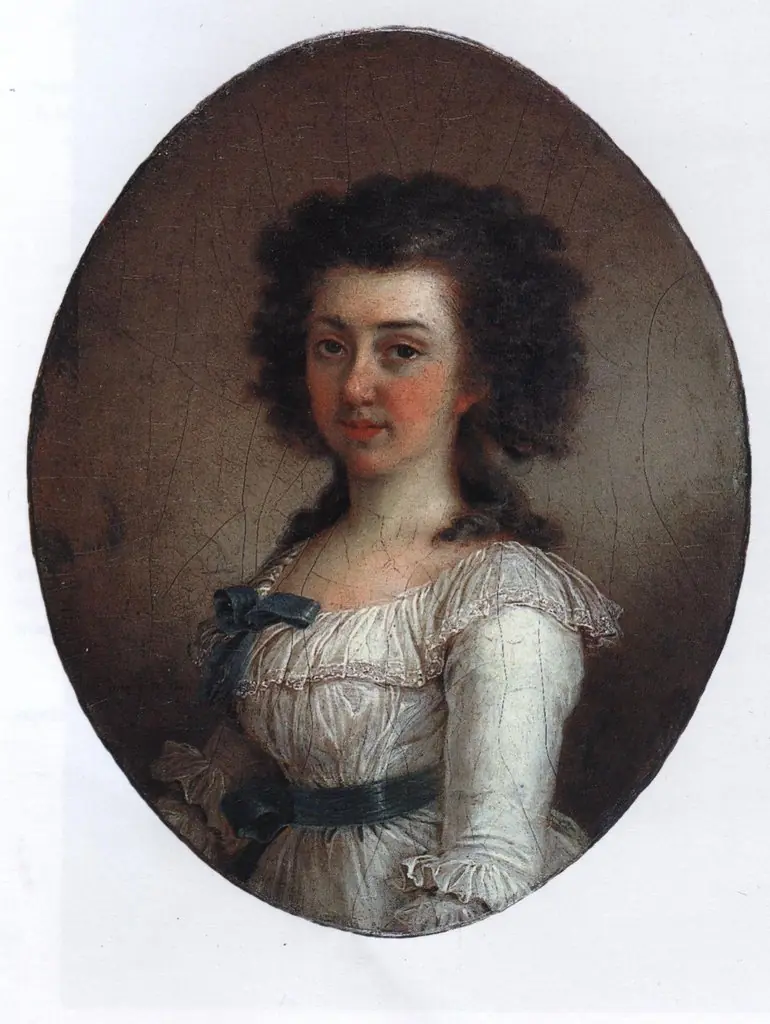 Porträt der Elizaveta Markovna Olenina
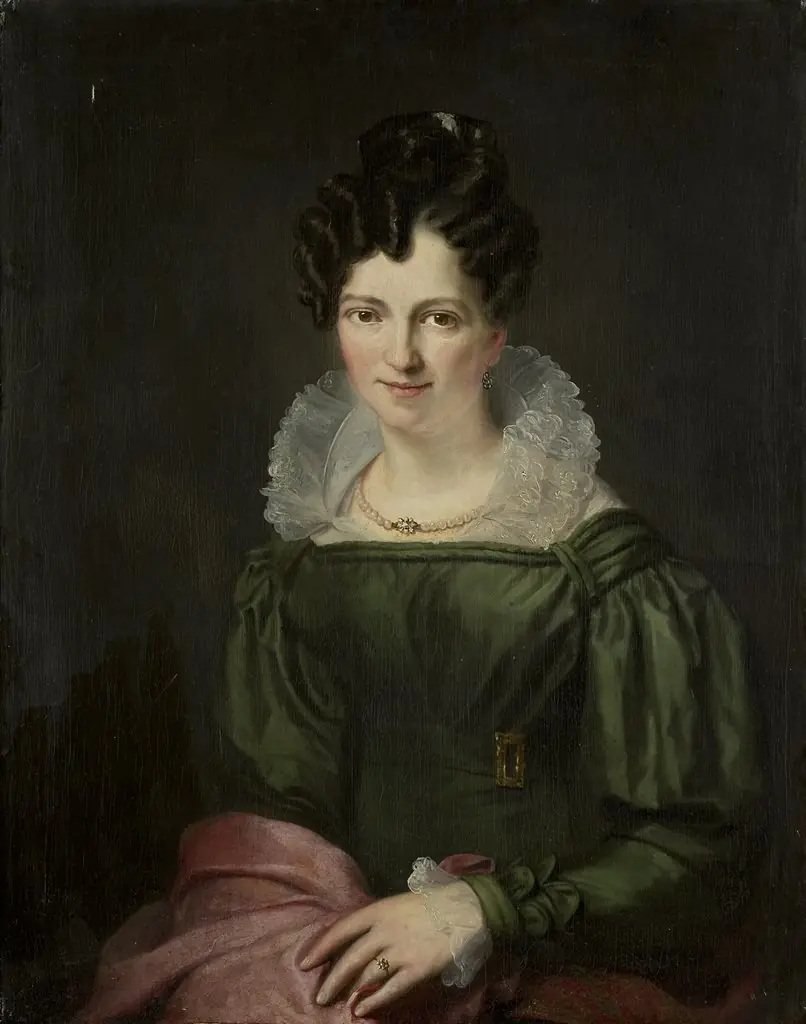 Portrait of Maria Christina Nijssen, Wife of Anthonie van der Hout
 D-ra Brezeanu
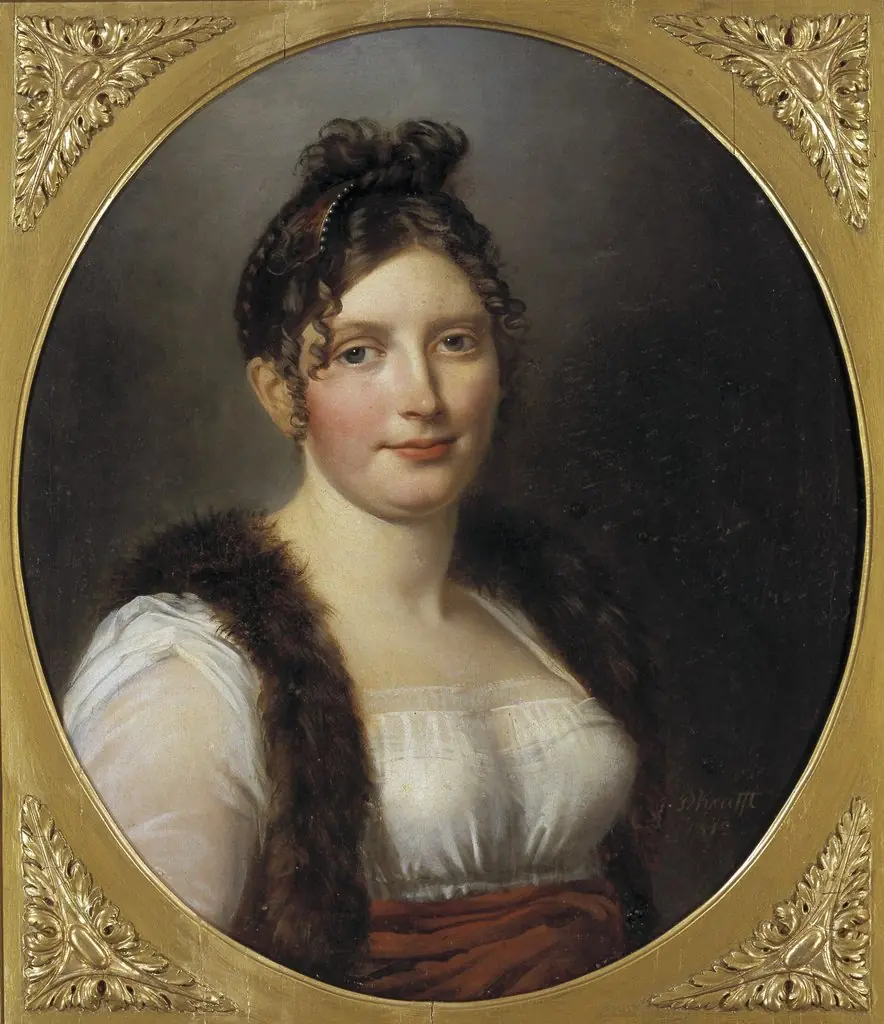 Catharina Charlotta Bågh (1777-1816), gift med friherre Pehr Erik Skjöldebrand
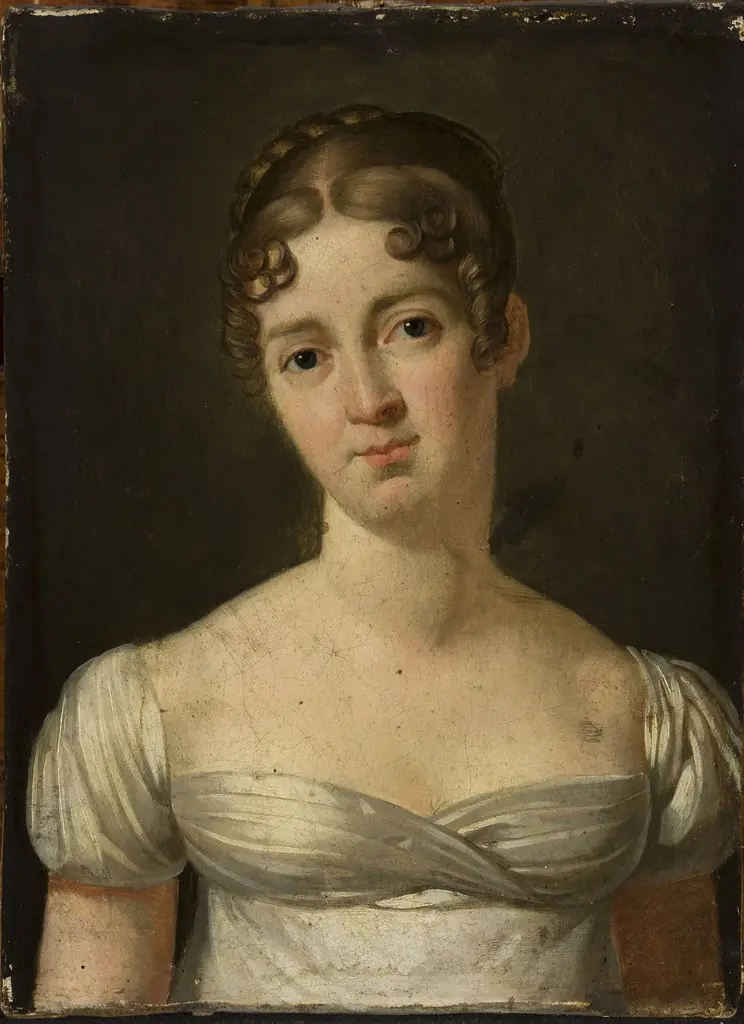 Portrait of a lady
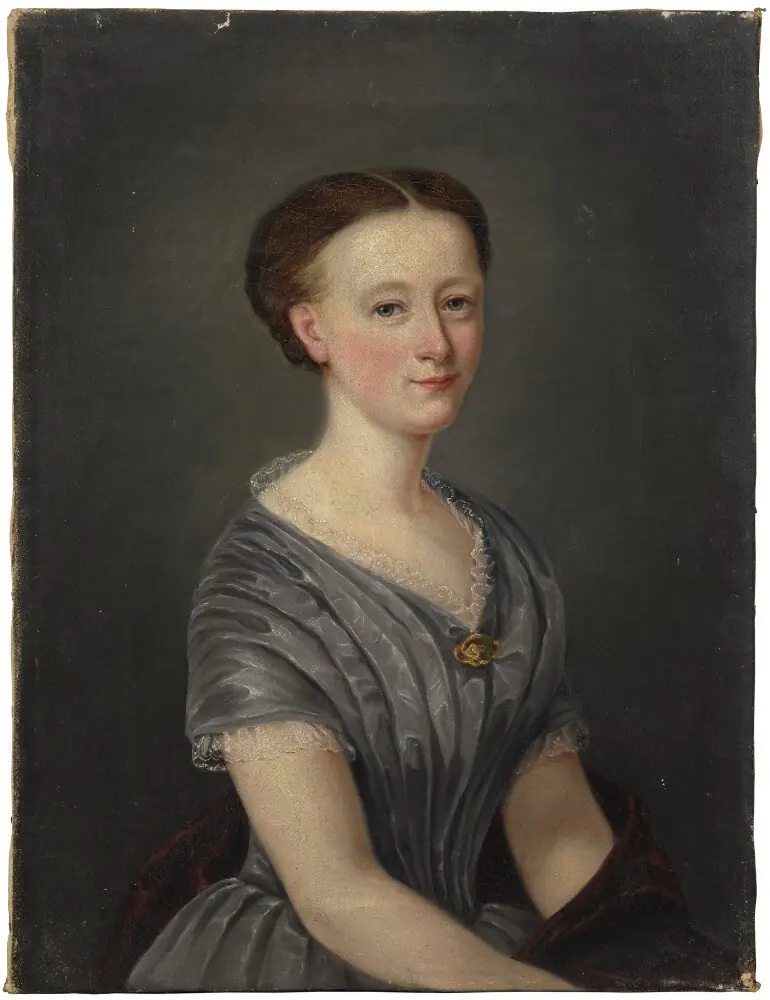 Self-portrait
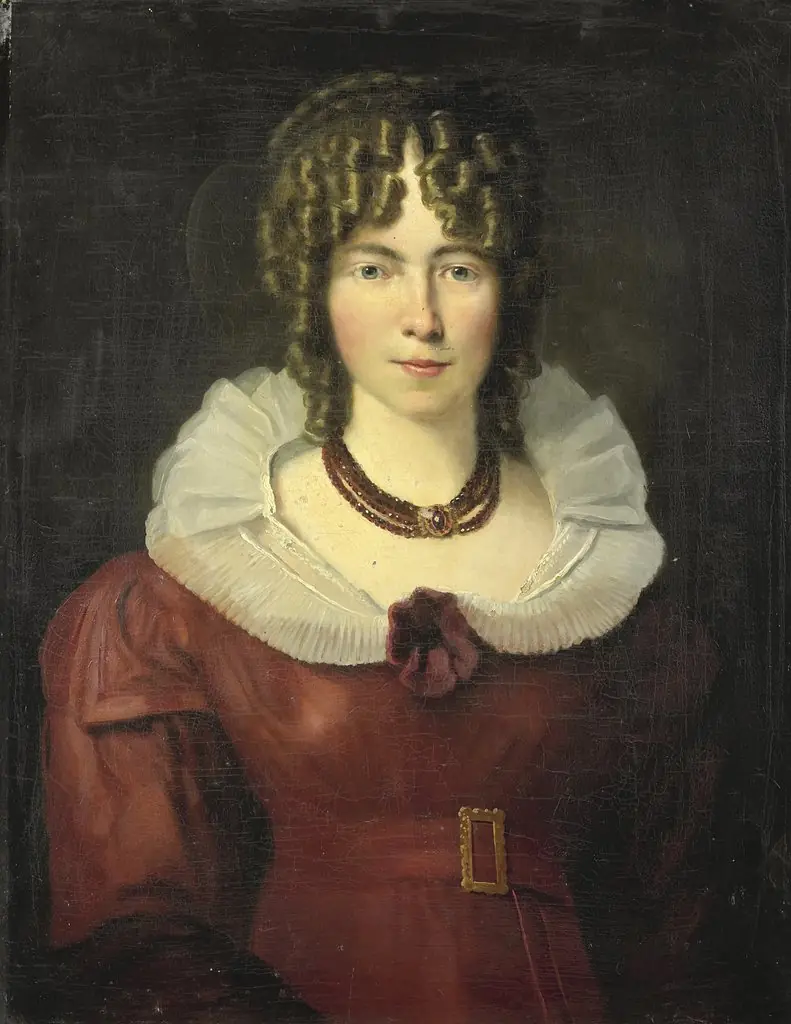 Portrait of a young Woman
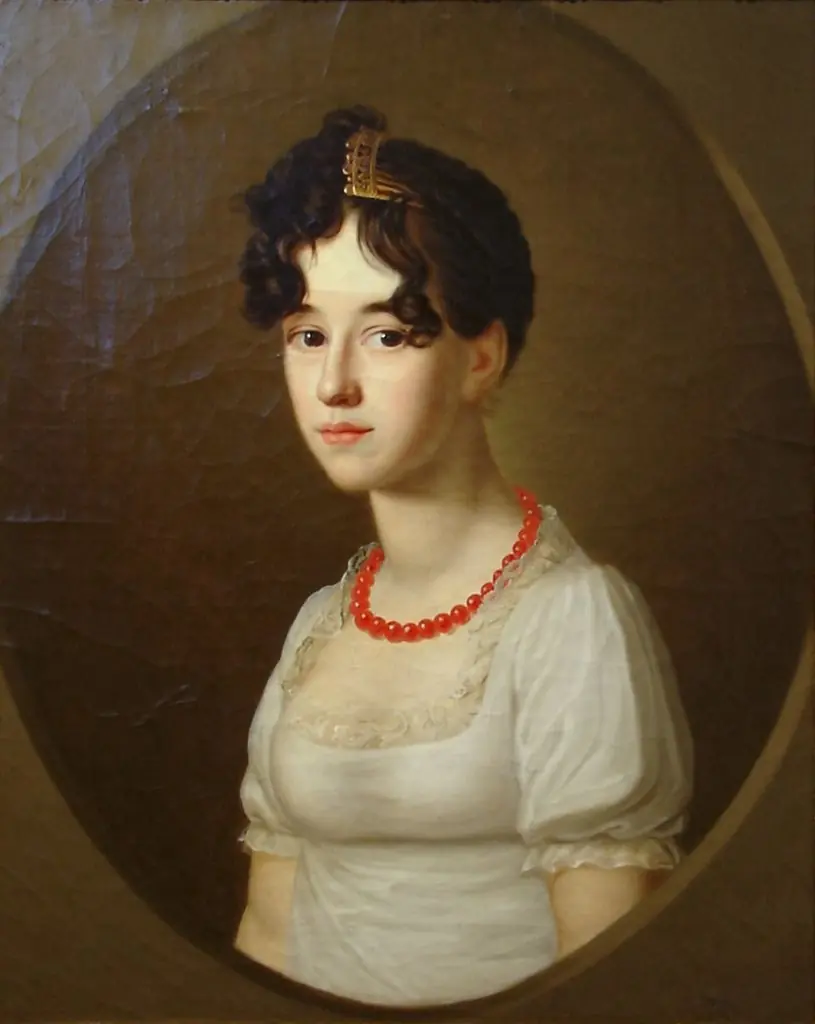 Portrait of Konstanzia Nákó
 Mrs. John Sevier, Jr. (Rebecca Richards)
 Unknown woman
 Portrait of Apolonia Kamińska née Sokołowska (1792-1846)
 Unknown woman