Artwork
Cupid's chastisement
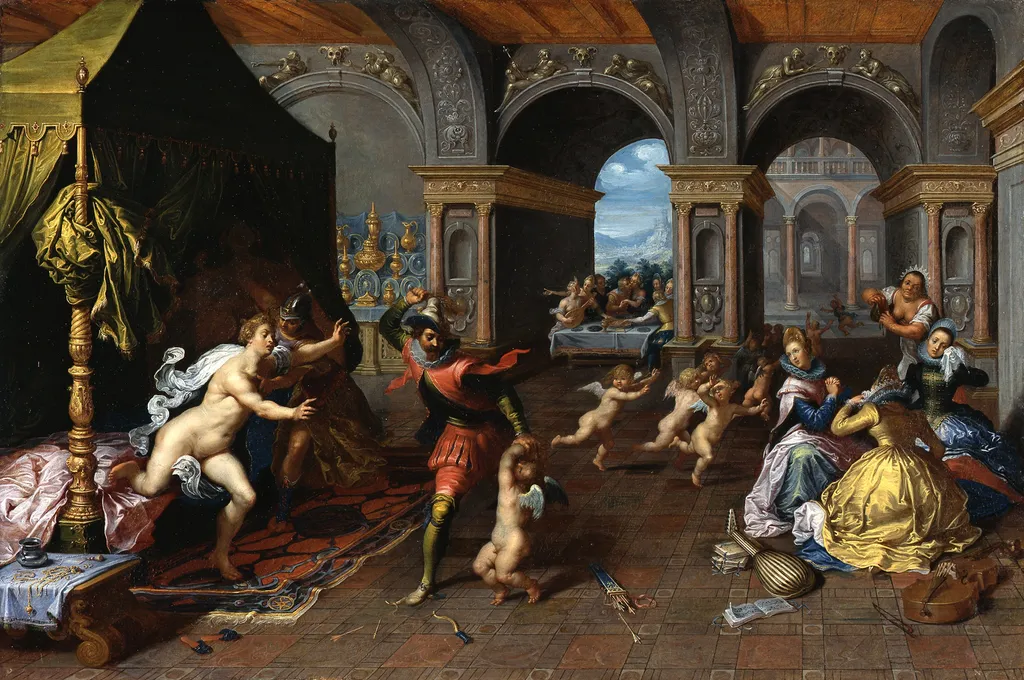
Cupid's chastisement is a paint painting by the Flemish Baroque painting artist Simon de Vos. It dates from 1626 and is held in the collection of the Bode Museum.
About this work
Overview
It blends mythological subject matter with the energetic realism of Flemish genre painting, reflecting his training and the artistic currents of the time.
Simon de Vos painted *Cupid's Chastisement* in 1626 during his formative years in Antwerp. Though later known for grander historical compositions, this work belongs to his early phase of intimate, small-scale scenes. It blends mythological subject matter with the energetic realism of Flemish genre painting, reflecting his training and the artistic currents of the time. The piece is now part of the Gemäldegalerie Berlin’s collection.
Subject & Meaning
The painting illustrates a mythological moment in which Cupid, the god of desire, is punished for his misdeeds. A nude figure—likely Cupid—is forcibly removed by a stern attendant, while a group of winged putti react with alarm. The scene suggests a moralizing narrative: the consequences of unchecked passion. The chaos and disarray imply a disruption of order, reinforcing themes of discipline and divine retribution common in early Baroque moral allegory.
Technique & Style
De Vos employs chiaroscuro to heighten emotional tension, contrasting warm interior tones with the cooler, pallid skin of the figures. Brushwork is lively and precise, capturing the texture of drapery, skin, and furnishings with attention to tactile detail. The composition is tightly packed, with figures arranged in a dynamic diagonal that guides the eye through the turmoil. This approach shows the influence of Caravaggisti, though with a distinctly Flemish sense of narrative clarity.
History & Provenance
Created in 1626, the painting emerged from De Vos’s early period before his stylistic shift toward Rubensian grandeur. It remained in private collections in the Low Countries before entering the Gemäldegalerie Berlin’s holdings in the 19th century. Its survival in relatively good condition allows for study of De Vos’s transition from genre scenes to larger mythological works, making it a key example of his artistic evolution.
Context
In early 17th-century Antwerp, artists often blended mythological themes with everyday realism to appeal to private collectors. De Vos’s work reflects this trend, responding to the demand for morally instructive yet visually engaging cabinet pictures. The influence of Caravaggio’s naturalism was widespread, but Flemish painters like him adapted it with greater attention to narrative detail and domestic settings, distinguishing their output from Italian counterparts.
Legacy
Though overshadowed by contemporaries like Rubens, *Cupid's Chastisement* remains a significant marker of De Vos’s artistic development. It captures a moment when Flemish painting was negotiating between intimate genre scenes and monumental history painting. The work contributes to understanding how mythological subjects were domesticated in Northern Europe, offering insight into the cultural values of private collectors in the early Baroque era.
Own this work as a print
Artist & collection
Artist
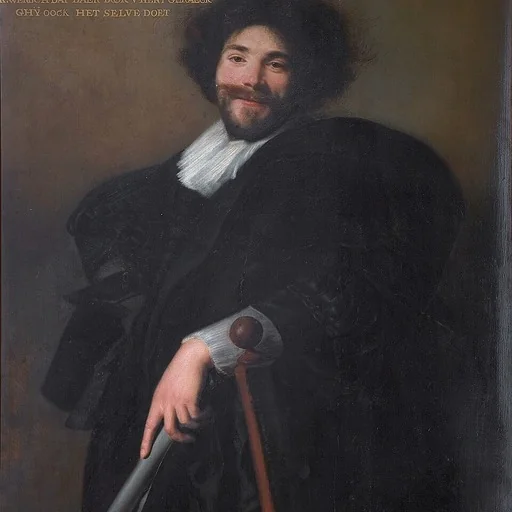
Simon de Vos (20 October 1603 – 15 October 1676) was a Flemish painter, draughtsman and art collector.

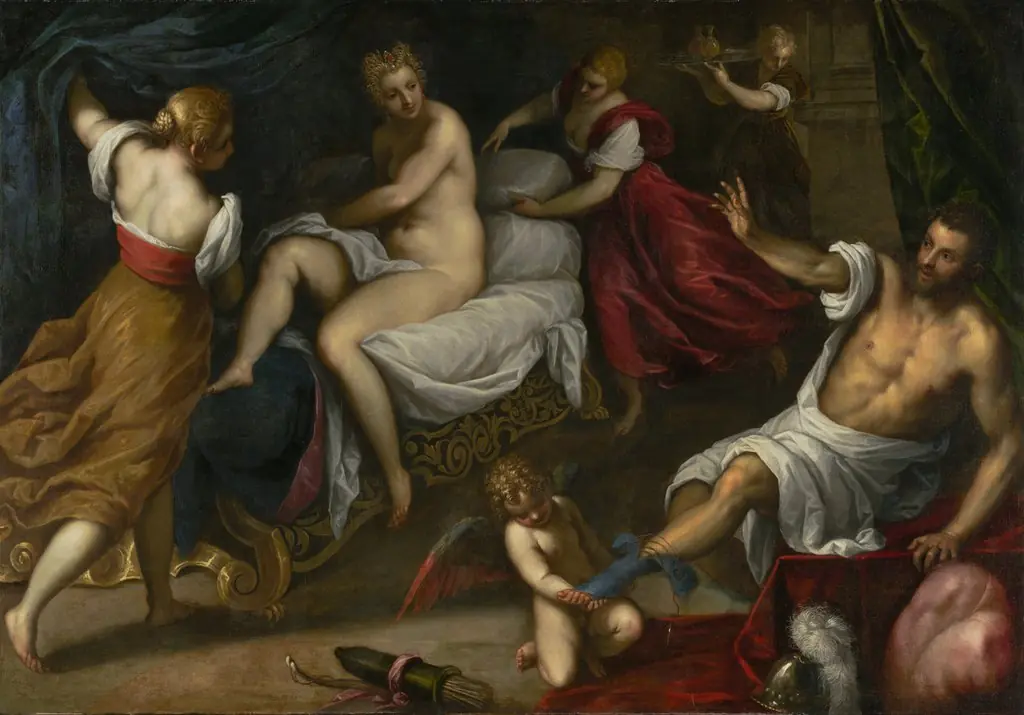 Venus and Mars
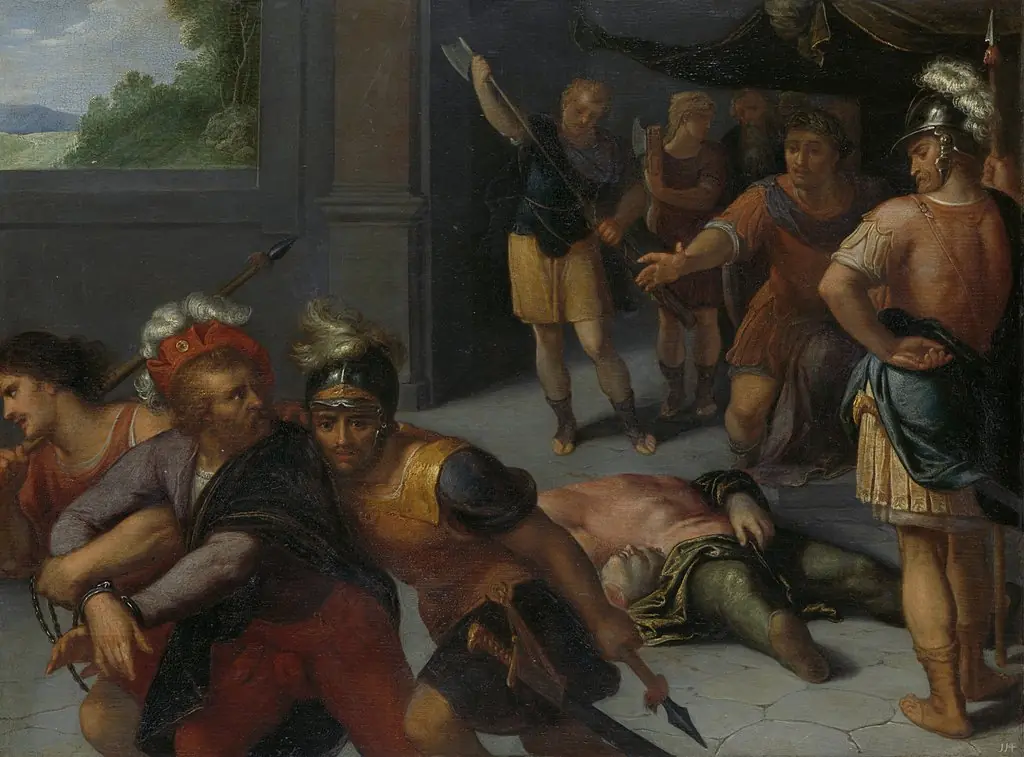 Beheading of Julius Paulus and Imprisonment of Claudius Civilis
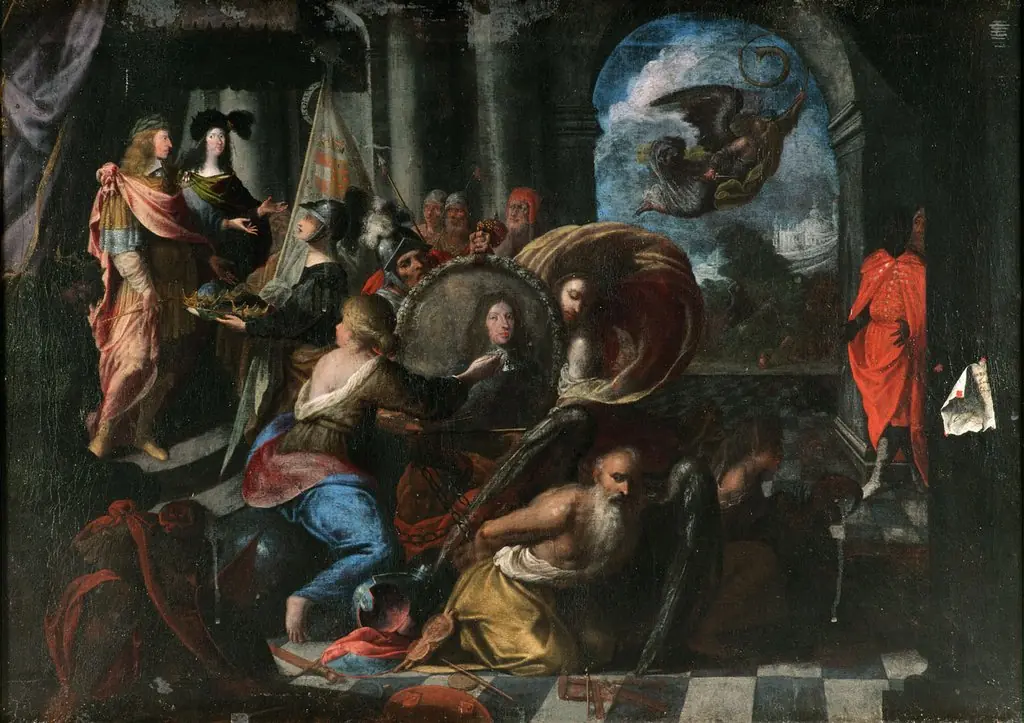 Allegory of the wedding of Archduke Ferdinand Karl and Anna de' Medici
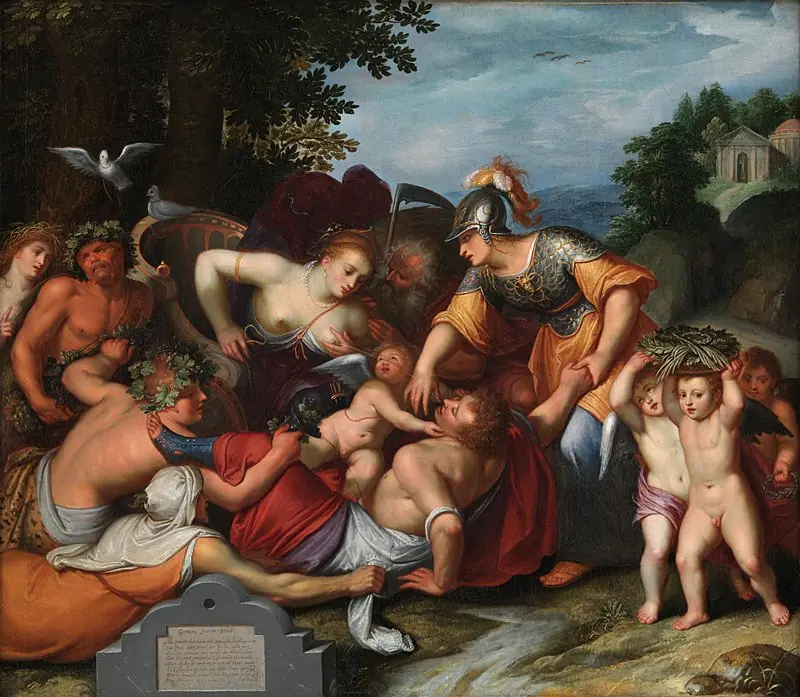 Gemeine Jeuchts Beeldt. Allegori på ungdommens fristelser
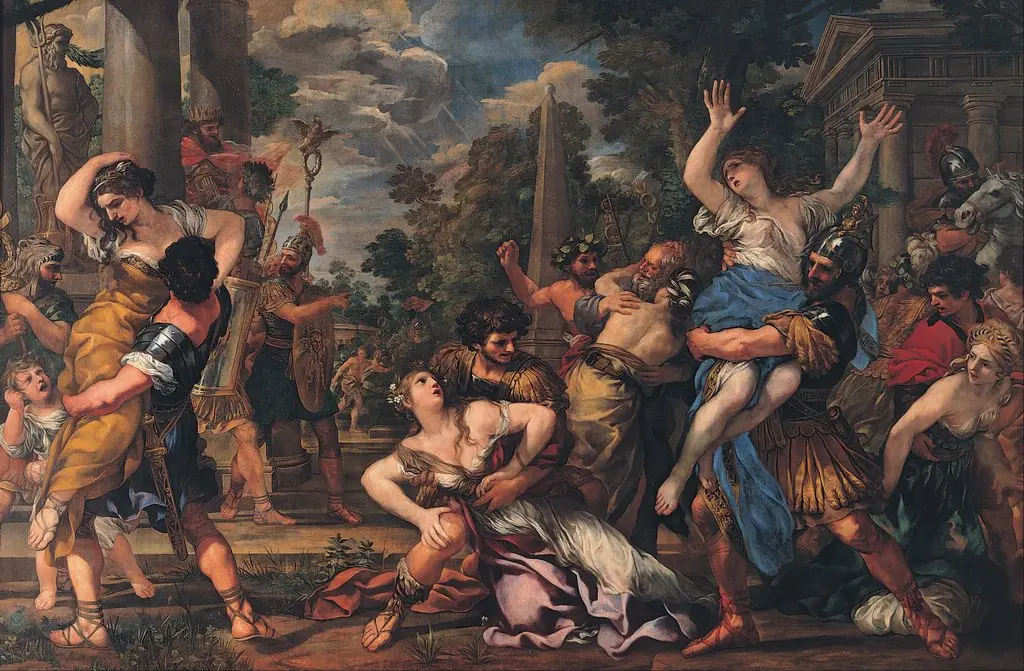 Rape of the Sabines
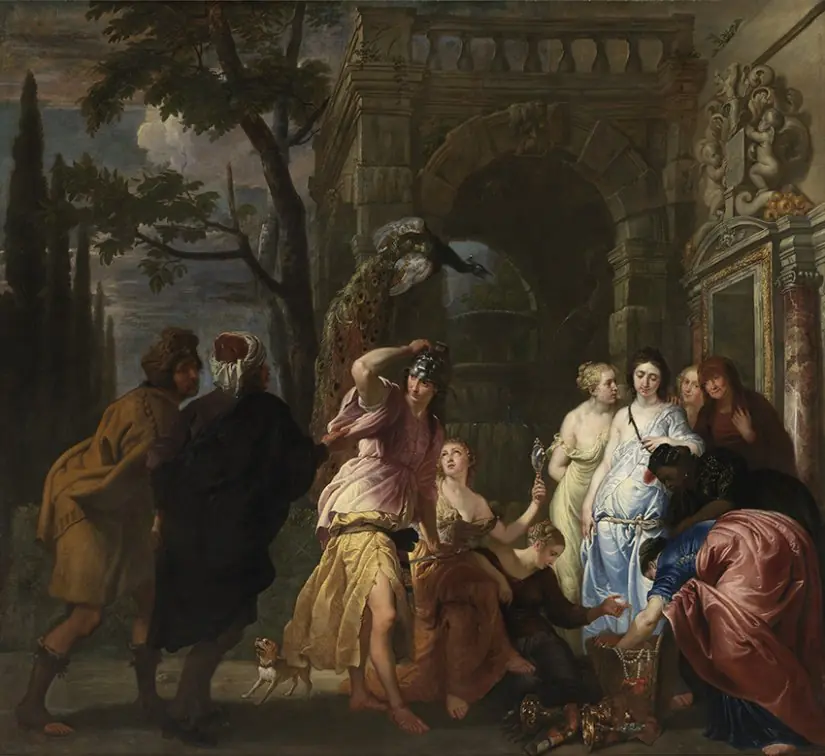 Achilles among the Daughters of Lycomedes
 Allegory of Peace
 Allegory of Peace
 David with Goliath's Head
 Achilles discovered by Ulysses and Diomedes
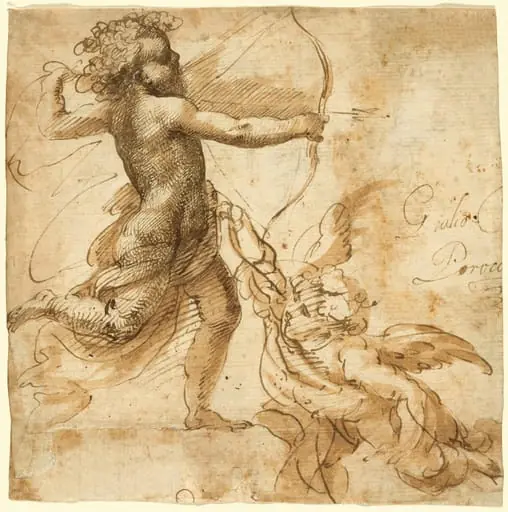 Cupid
Cupid