Artwork
A vase of flowers
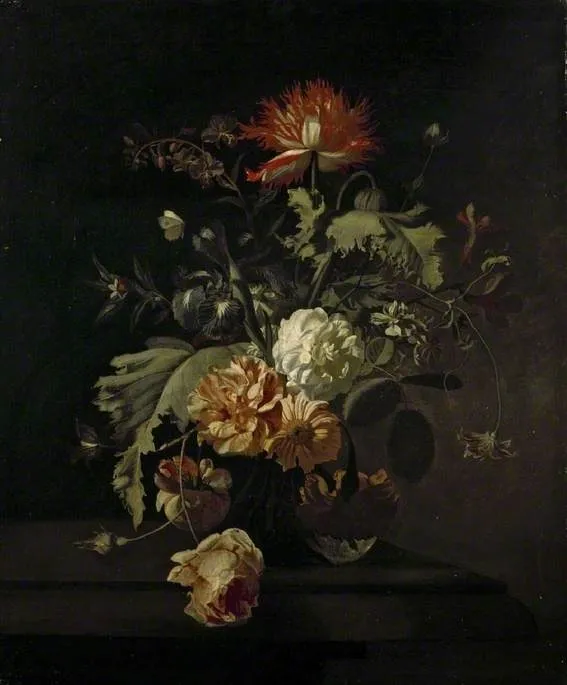
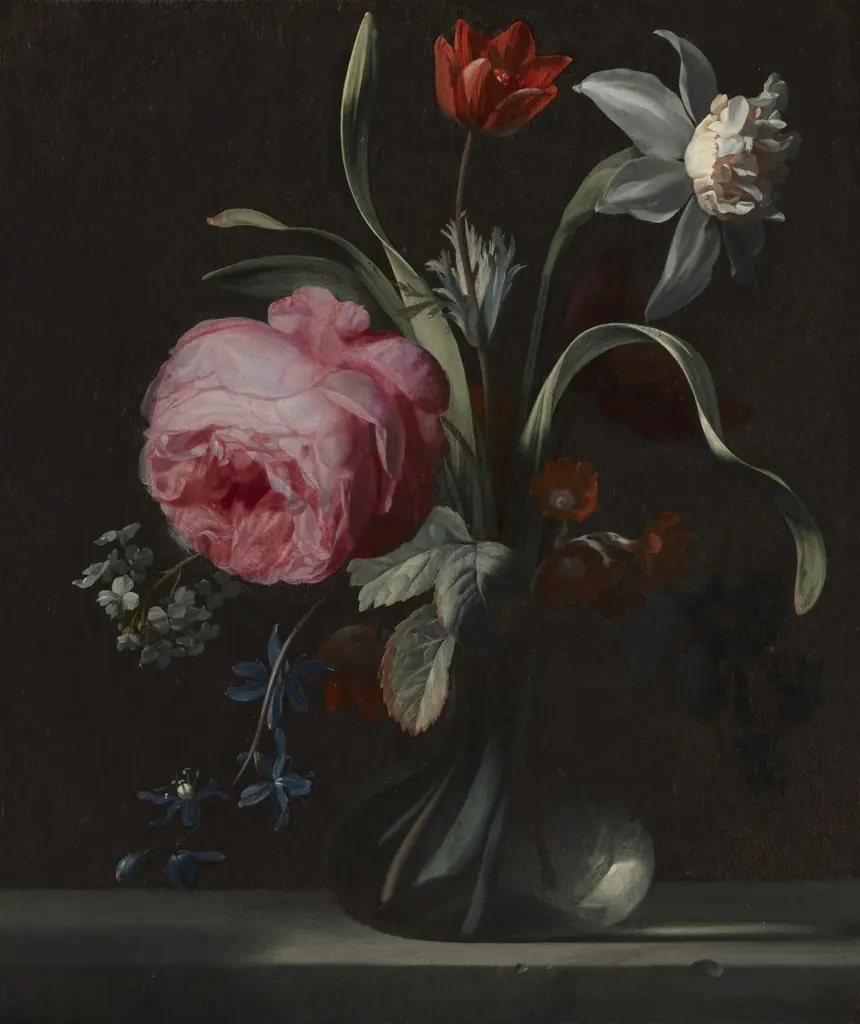
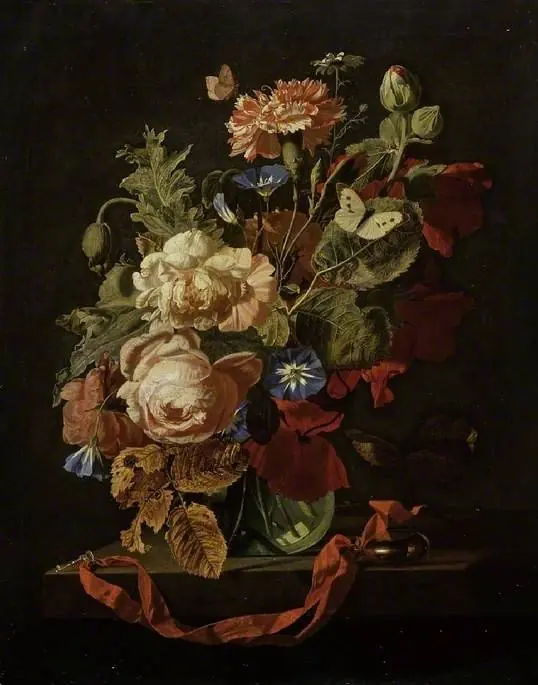
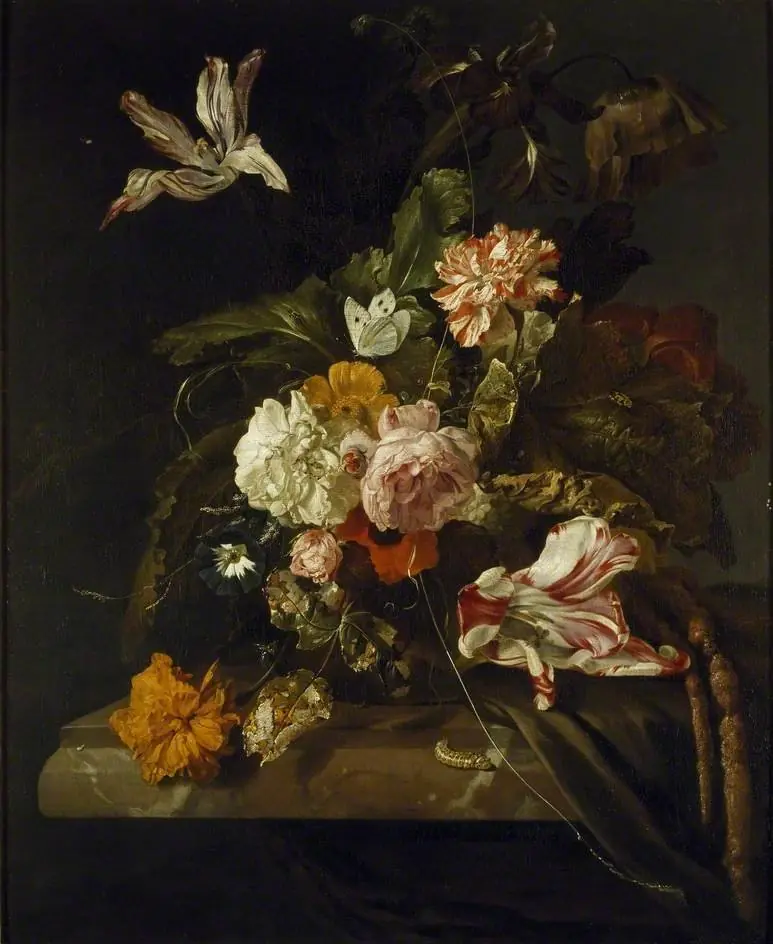
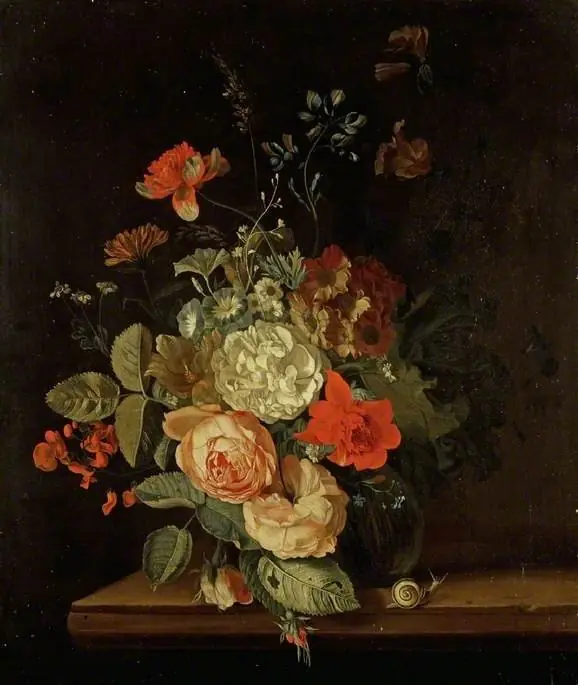
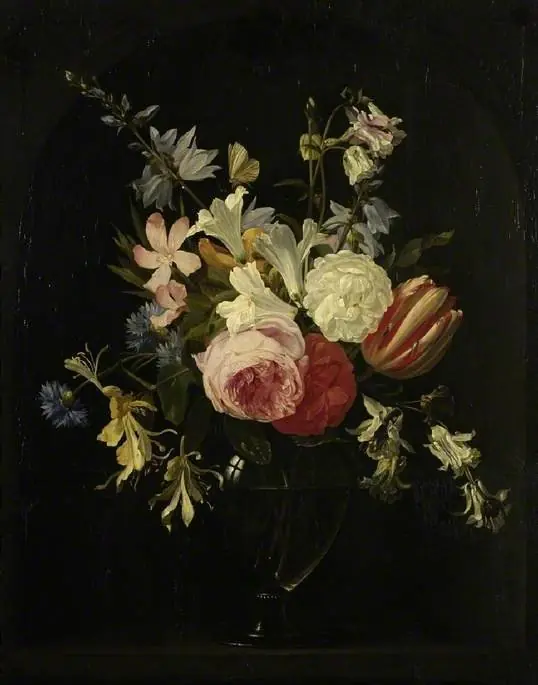
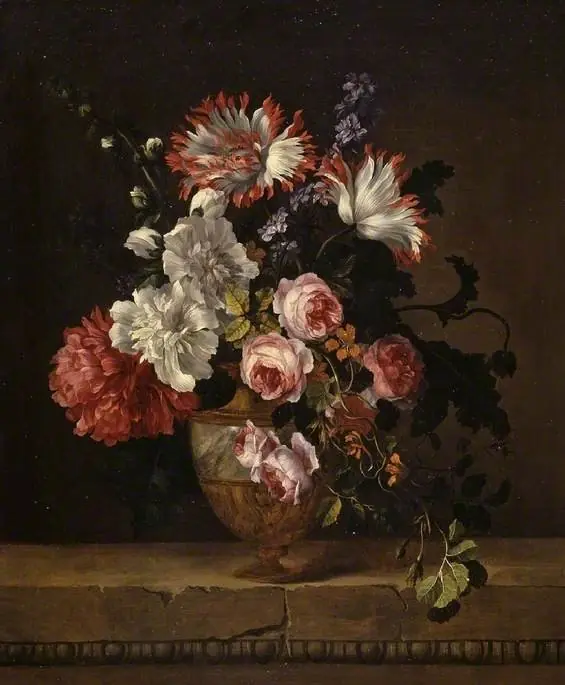
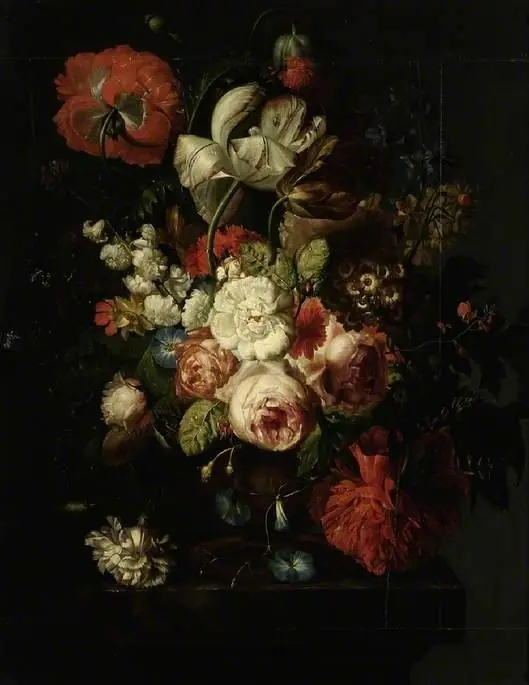
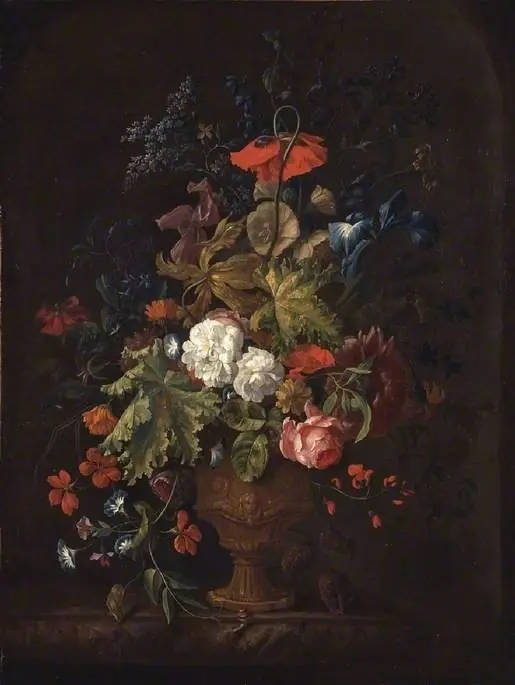
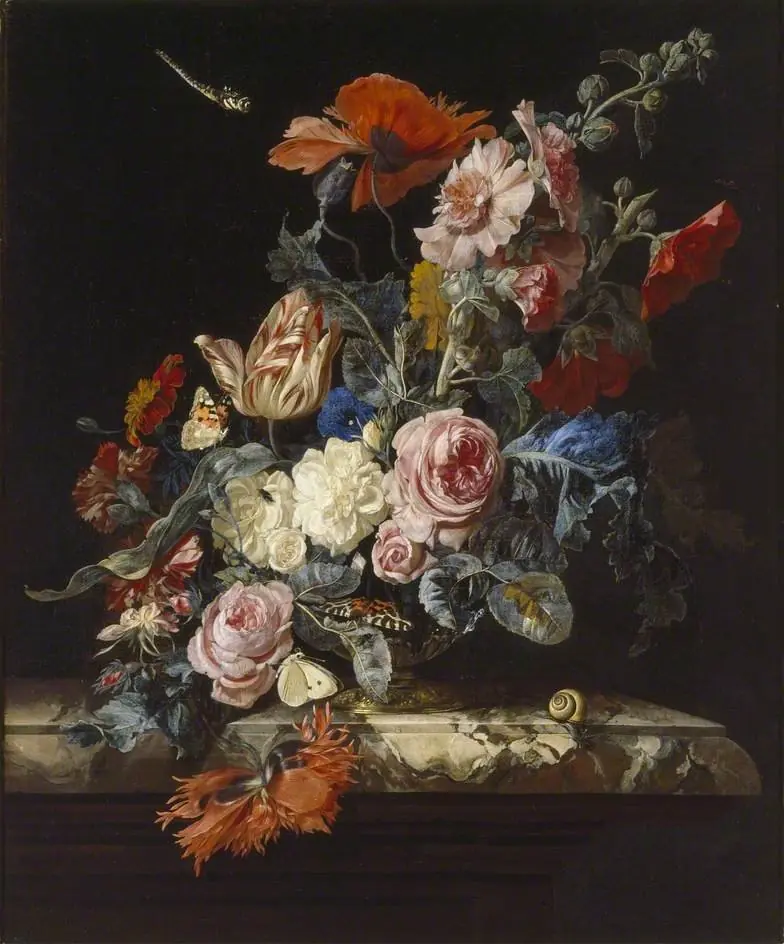
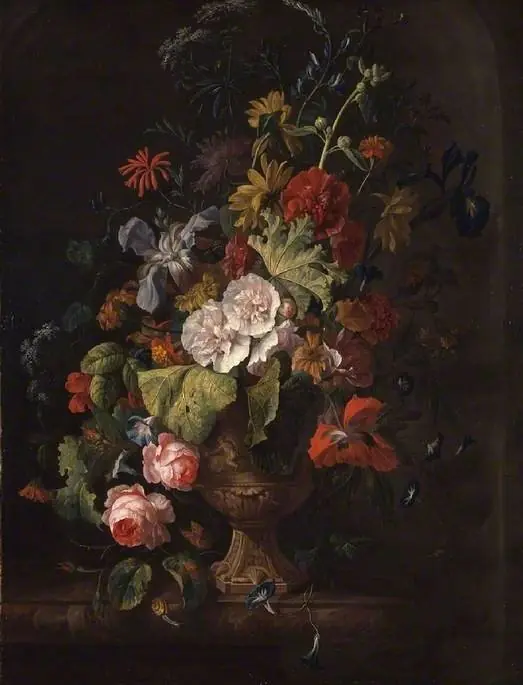
A vase of flowers is an oil painting by Simon Pietersz Verelst. It dates from 1692 and is held in the collection of the Fitzwilliam Museum.
About this work
Overview
The work exemplifies the enduring appeal of flower painting in European art of the period, combining natural observation with formal restraint.
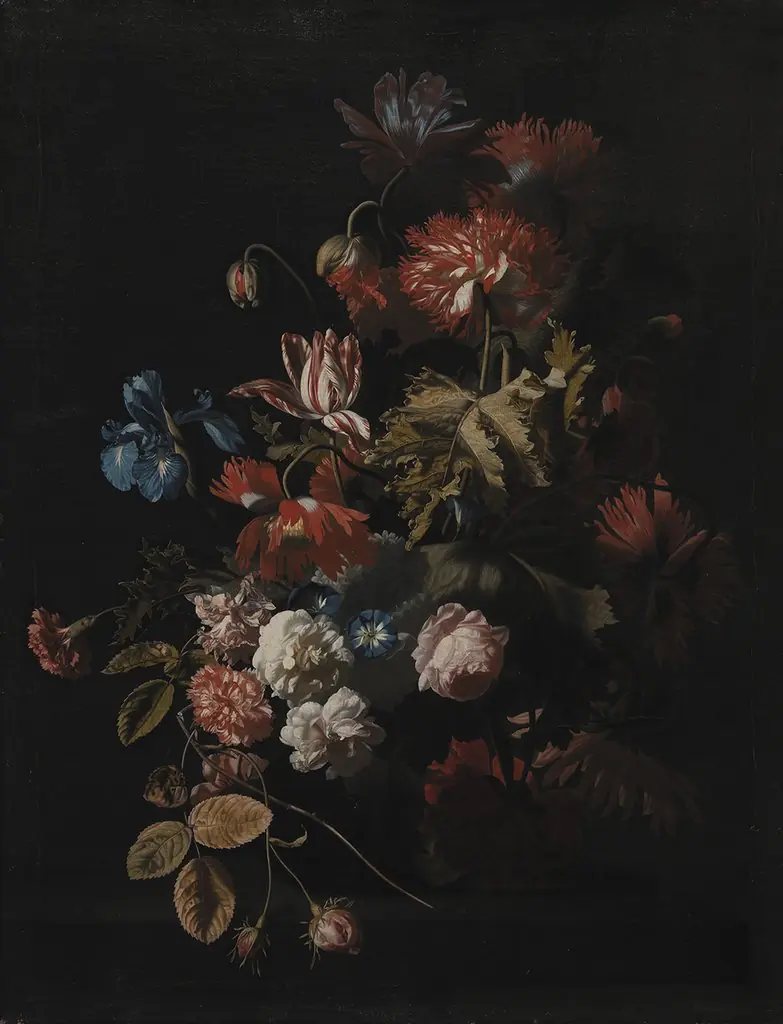
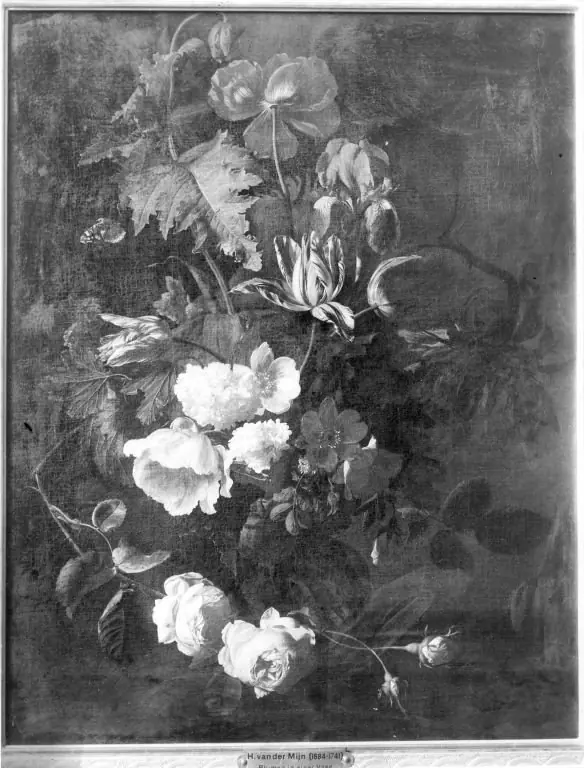
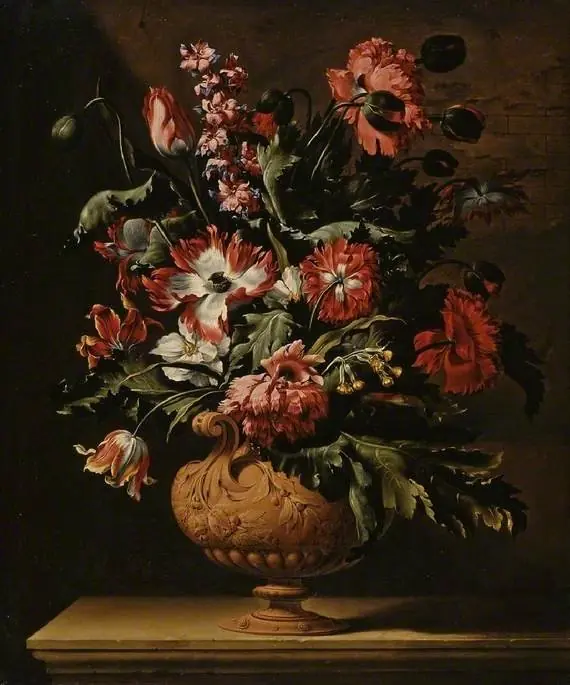
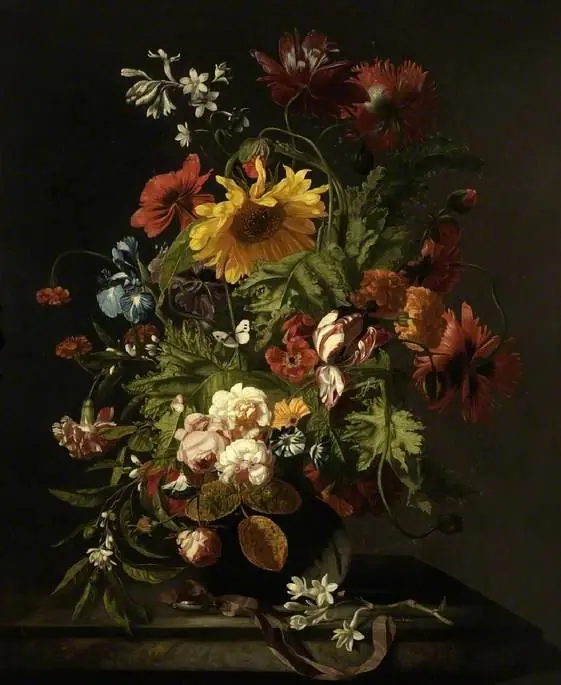
Painted around 1692 by Simon Pietersz Verelst, this oil-on-canvas still life depicts a vase filled with a variety of blossoms. Verelst, active in England and the Netherlands during the late 17th century, specialized in meticulously rendered floral compositions. The work exemplifies the enduring appeal of flower painting in European art of the period, combining natural observation with formal restraint.
Subject & Meaning
The arrangement features a dense cluster of blooms in white, yellow, and red, including roses, tulips, and other seasonal varieties. Though not overtly symbolic, the selection reflects the horticultural interests of the time and the cultural value placed on rare, cultivated flowers. The absence of fruit or insects distinguishes it from more allegorical still lifes, emphasizing aesthetic harmony over moral narrative.
Technique & Style
Verelst employed oil paint to capture subtle variations in petal texture and light. Each bloom is rendered with fine brushwork, highlighting delicate curves and translucency. The dark, unmodulated background isolates the bouquet, enhancing its three-dimensionality. Slender, gracefully bent stems guide the viewer’s eye through the composition, reinforcing a sense of quiet order and refined detail.
History & Provenance
The painting entered the collection of the Fitzwilliam Museum in Cambridge, where it remains today. Its documented history traces back to the late 17th century, consistent with Verelst’s active years in London. While specific earlier owners are not recorded, its preservation suggests it was valued by collectors who appreciated the precision and elegance of Dutch-inspired still life painting.
Context
During the late 1600s, floral still lifes flourished in both the Netherlands and England, fueled by scientific interest in botany and the display of exotic blooms in private gardens. Verelst’s work aligns with this trend, reflecting a broader cultural fascination with natural beauty and the technical mastery required to depict it faithfully in paint.
Legacy
Verelst’s floral paintings, including this one, contributed to the continued prestige of still life in British art. Though less celebrated than his Dutch contemporaries, his precise technique and compositional clarity influenced later generations of still life painters. The work endures as a quiet example of 17th-century observational artistry.
Artist & collection
Artist
Simon Pietersz Verelst (1644–c. 1710-1717) was an Anglo-Dutch painter. He is known for outstanding flower and fruit still life paintings.