Artwork
Catherine Manners, Duchess of Buckingham
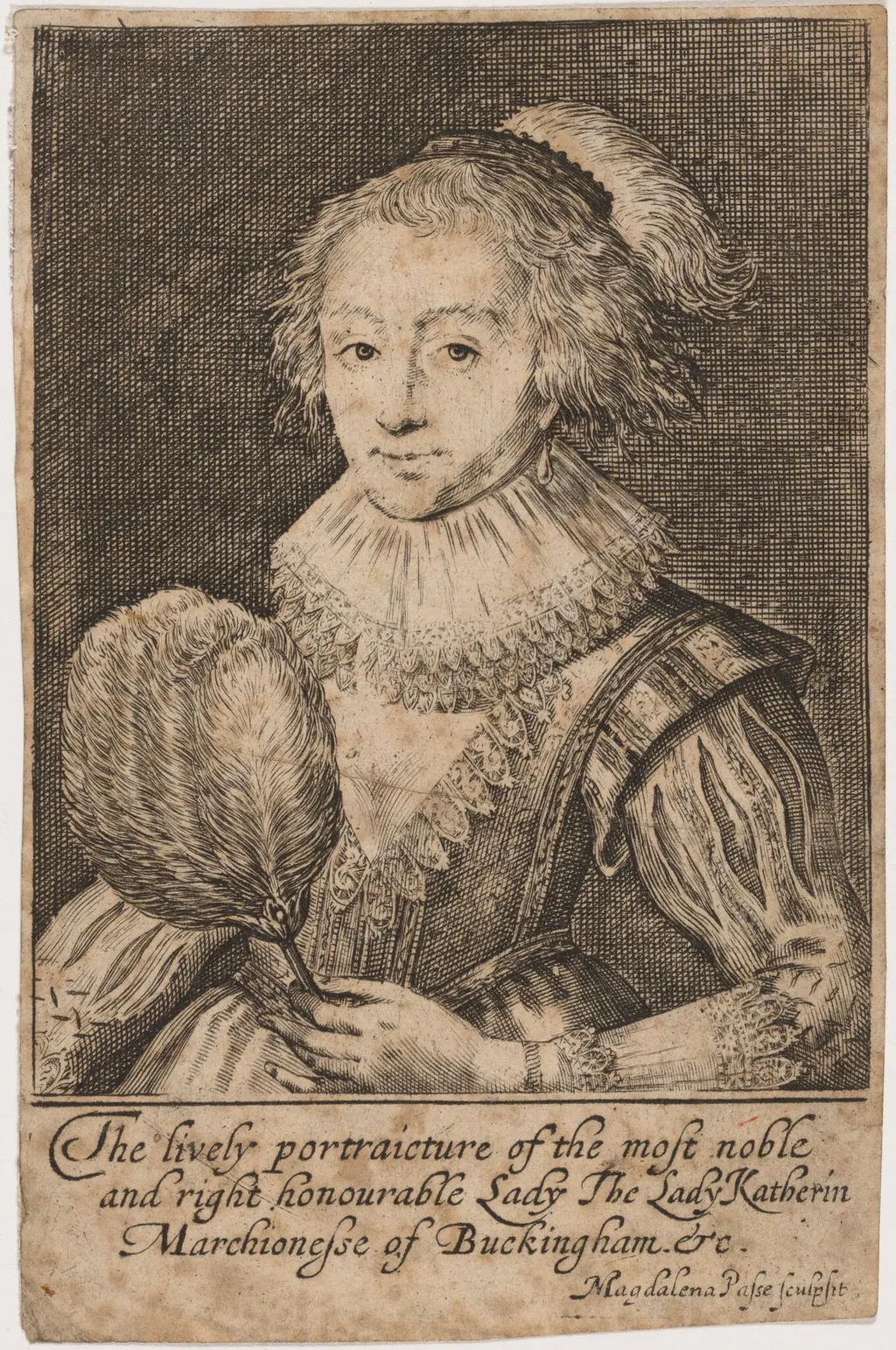
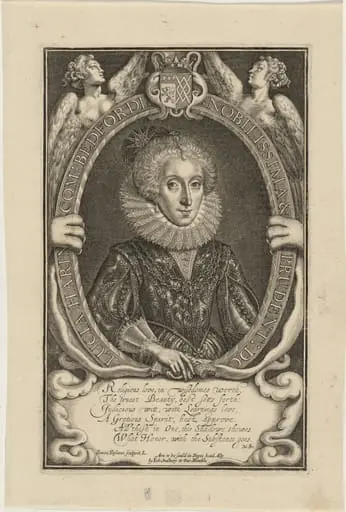
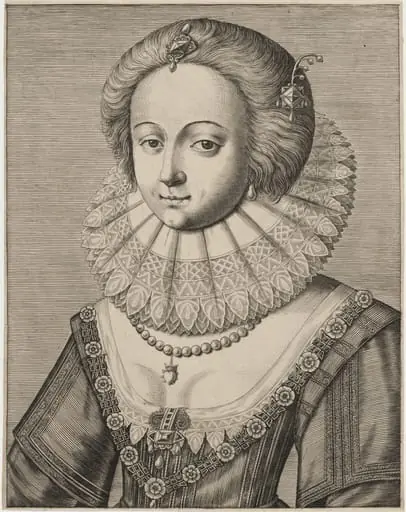
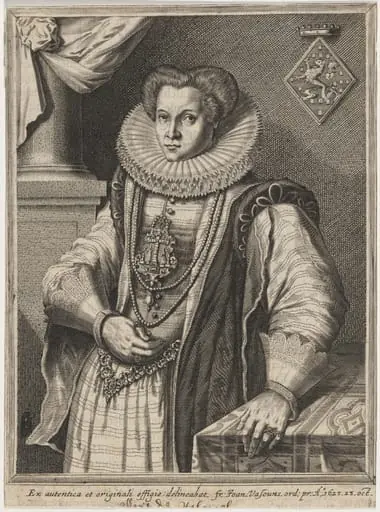
Catherine Manners, Duchess of Buckingham is an ink print by the Baroque artist Magdalena van de Passe. It dates from 1622 and is held in the collection of the National Gallery of Art.
About this work
Overview
Executed in fine line work on paper, it belongs to the tradition of portrait prints circulating among European aristocracy.
An engraving from 1622 by Magdalena van de Passe, this work depicts Catherine Manners, Duchess of Buckingham. Executed in fine line work on paper, it belongs to the tradition of portrait prints circulating among European aristocracy. The image captures the sitter in formal attire, rendered with precision typical of early 17th-century Northern printmaking. Its small scale and detailed execution suggest it was intended for private collection or diplomatic exchange.
Subject & Meaning
Catherine Manners, wife of George Villiers, 1st Duke of Buckingham, is portrayed with composed dignity, reflecting her status as a noblewoman at the English court. Her feathered headdress and fan are symbols of fashion and refinement, while her restrained expression conveys poise rather than emotion. The portrait functions as both personal representation and political statement, affirming her family’s prominence during a period of intense courtly maneuvering.
Technique & Style
Magdalena van de Passe employed fine, controlled engraving lines to render texture and form, emphasizing the lace of the ruff, the weave of fabric, and the delicate plumes of the fan. The dark, unmodeled background isolates the figure, directing focus to her attire and posture. Subtle gradations of shadow suggest volume without overt chiaroscuro, aligning with Northern European print conventions rather than Italian Baroque dramatism.
History & Provenance
Created in 1622, the engraving likely circulated in the Netherlands and England, where van de Passe’s family maintained a prominent print workshop. It may have been commissioned to commemorate the duchess’s marriage or social ascent. Surviving impressions are rare, with examples held in institutional collections such as the British Museum and the Rijksmuseum, indicating its early circulation among elite collectors.
Context
Van de Passe, one of the few professional female engravers of her time, worked within a family enterprise known for portraiture and mythological prints. Her depiction of the duchess reflects the transnational nature of aristocratic imagery, blending English courtly fashion with Dutch technical precision. The portrait emerged amid rising interest in printed likenesses as tools of social visibility and dynastic assertion.
Legacy
The engraving stands as a testament to the role of women in early printmaking and the use of portraiture to reinforce noble identity. While not widely reproduced today, it remains a key example of how aristocratic women were visually constructed in print. Van de Passe’s skill helped establish the legitimacy of female artists in a male-dominated field, influencing later generations of engravers.
Artist & collection

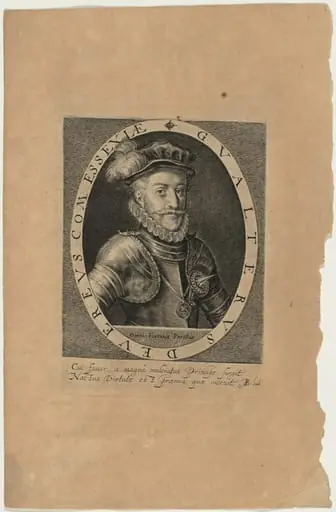 Walter Devereux, First Earl of Essex
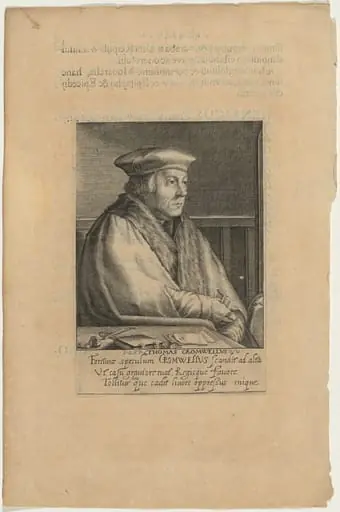 Thomas Cromwell, Earl of Essex
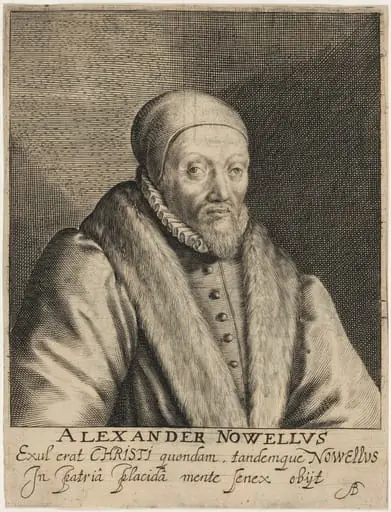 Alexander Nowell, Dean of Saint Paul's
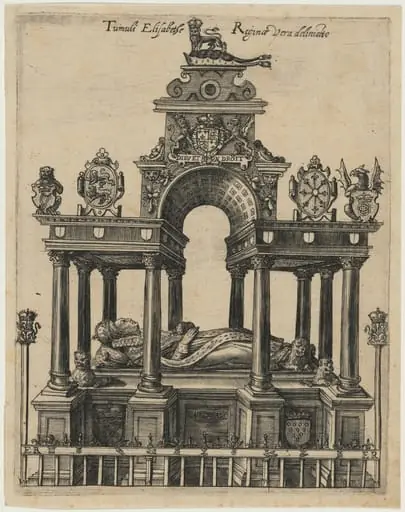 Elizabeth's Tomb
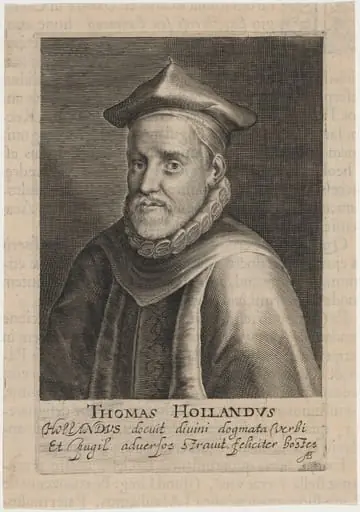 Thomas Holland, Regius Professor of Divinity at Oxford, and Rector of Exeter College
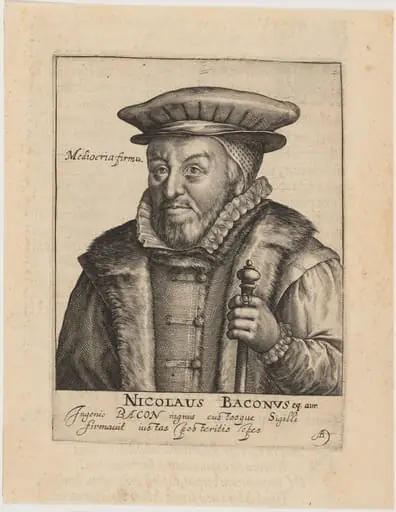 Sir Nicholas Bacon, Lord Keeper
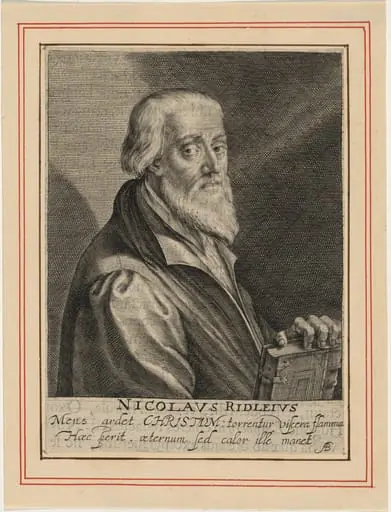 Nicholas Ridley, Bishop of London, Protestant Martyr
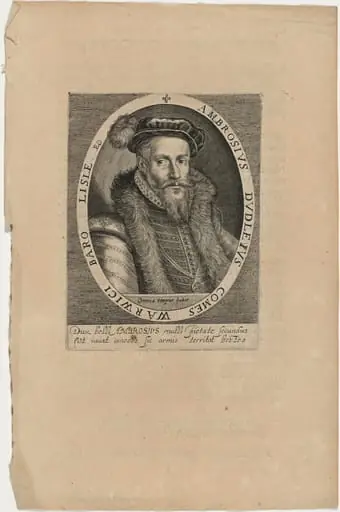 Ambrose Dudley, Earl of Warwick