Artwork
Strasburgh Cathedral
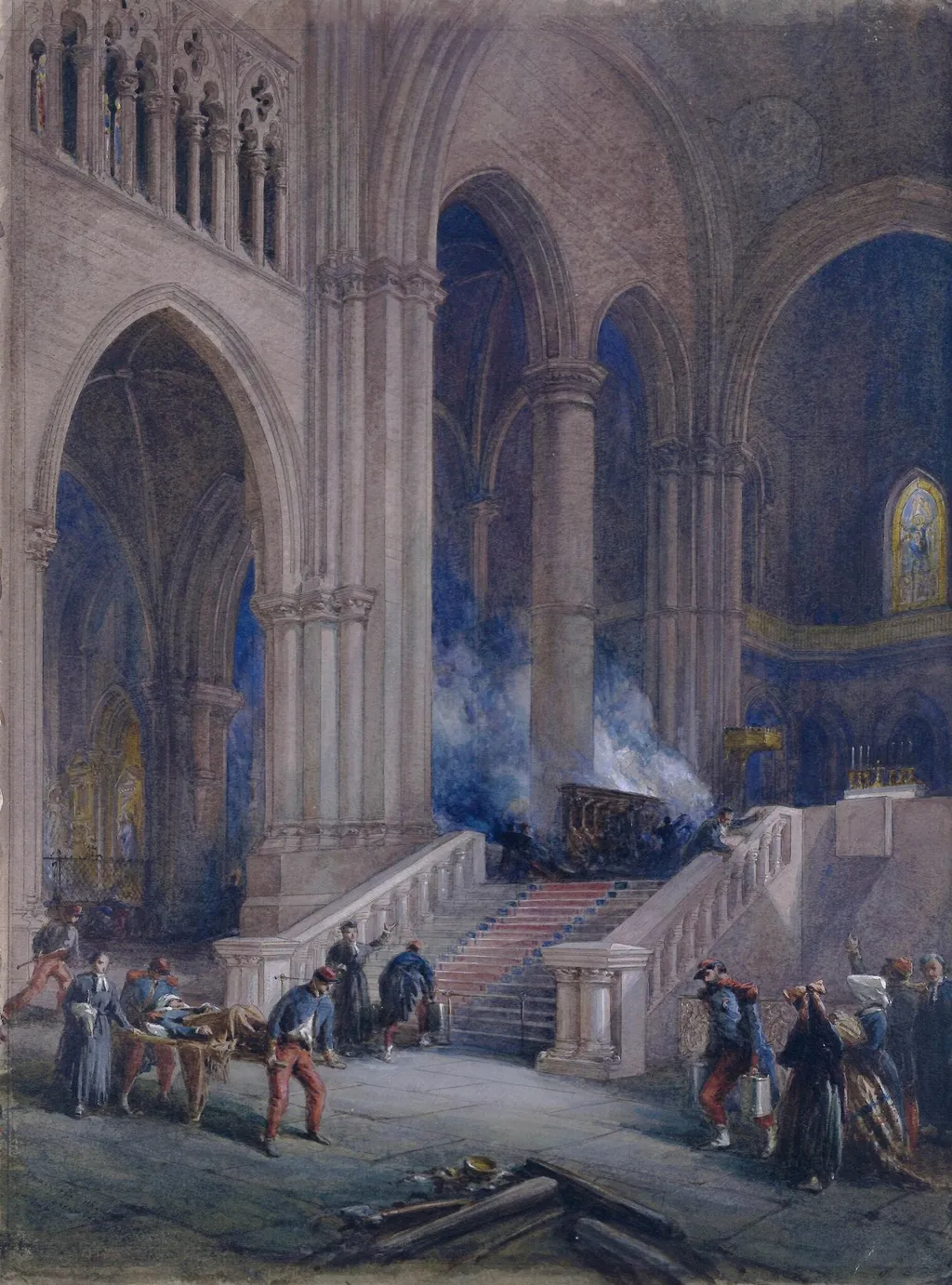
Strasburgh Cathedral is a watercolor work on paper by the Impressionist artist William R.I. F.R.G.S. Simpson. It dates from 1890 and is held in the collection of the Victoria and Albert Museum. This watercolor captures the interior of Strasbourg Cathedral in 1870, during the siege of the city in the Franco-German War.
About this work
Overview
This watercolor captures the interior of Strasbourg Cathedral in 1870, during the siege of the city in the Franco-German War. The scene is neither purely religious nor purely military, but a collision of sacred space and wartime urgency. Figures move through the nave amid smoke and disruption, transforming the cathedral into a makeshift refuge and emergency site.
Subject & Meaning
Two soldiers carry a wounded man on a stretcher through the nave, while others rush toward a fire near the altar, armed with buckets. The presence of civilians in dark garments alongside uniformed troops suggests a community under duress. The cathedral, traditionally a place of worship, becomes a site of survival, its sacred architecture repurposed by the chaos of conflict.
Technique & Style
The artist employs precise watercolor washes to render the cathedral’s stone architecture and the play of light through stained glass.
The artist employs precise watercolor washes to render the cathedral’s stone architecture and the play of light through stained glass. Subtle gradations define the volume of figures and the density of smoke, grounding the scene in realism. The contrast between the cool stone and the warm glow of fire enhances the tension, while careful attention to perspective reinforces the cathedral’s monumental scale.
History & Provenance
Created during the 1870–71 siege of Strasbourg by Prussian forces, the work reflects firsthand observation of the cathedral’s use as a shelter and medical station. Though the artist’s identity is not widely documented, the piece aligns with contemporary military sketches produced by observers on the ground, offering a rare visual record of civilian and military life within a besieged religious site.
Context
As German artillery bombarded the city, Strasbourg Cathedral’s thick walls offered relative safety. Its vast interior was converted into a field hospital and storage space, a common adaptation in wartime. The painting reflects a broader pattern in which sacred spaces across Europe were repurposed during conflict, their spiritual symbolism overshadowed by immediate human need.
Legacy
The work stands as a quiet testament to the intersection of war and architecture, preserving a moment when cultural heritage became a stage for survival. It contributes to a modest but significant body of 19th-century watercolors documenting the civilian experience of war, offering a counterpoint to grander battle paintings of the era.
Artist & collection
Artist
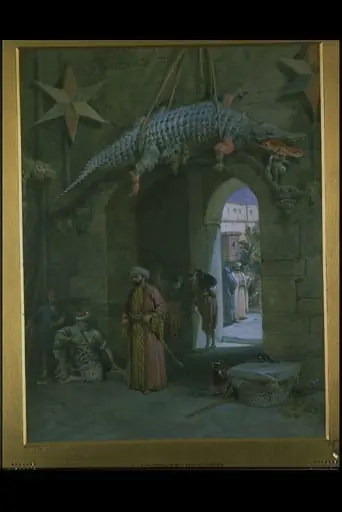
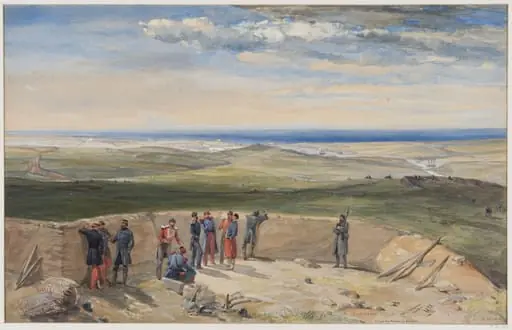
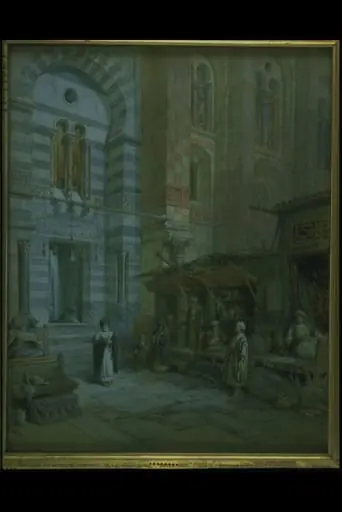
William Simpson drew travel scenes in watercolor and pencil during the 1800s. He sketched A Doorway in Cairo in 1884, showing arched doorways and sunlight on stone. His 1855 Sebastopol: View from the Victoria Redoubt…

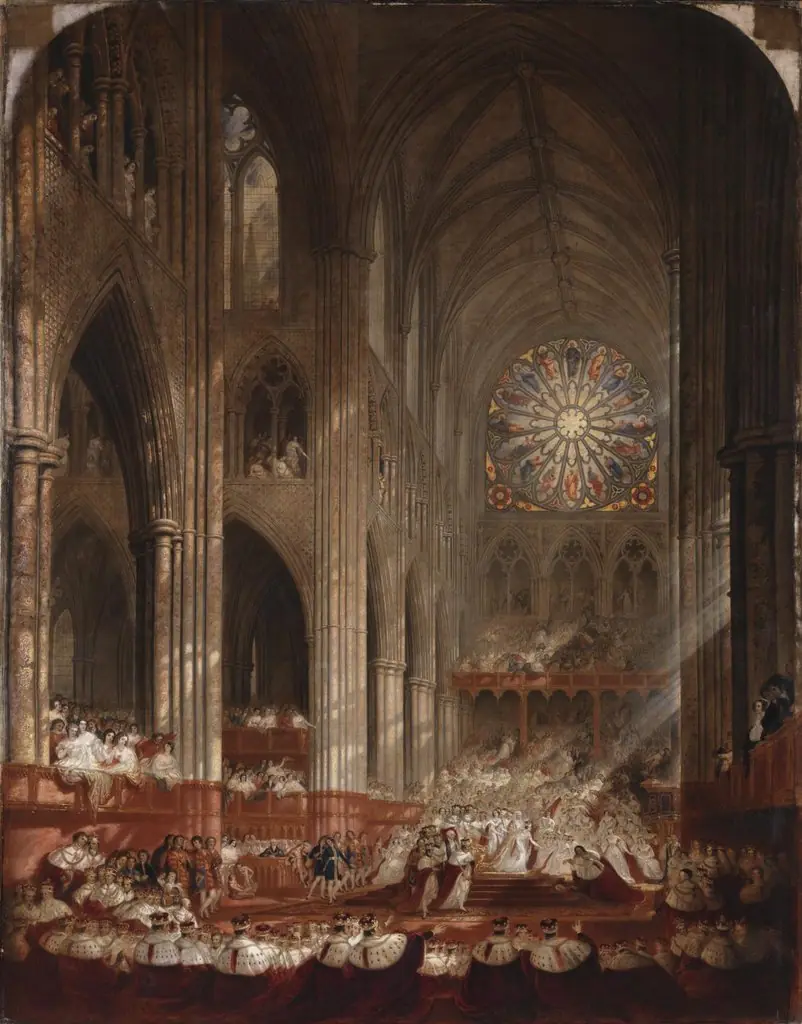 The Coronation of Queen Victoria
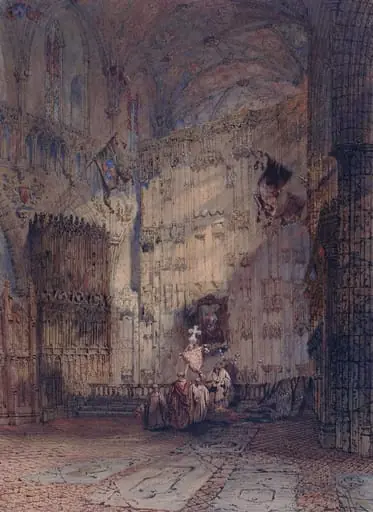 The High Altar Screen, St Albans Abbey
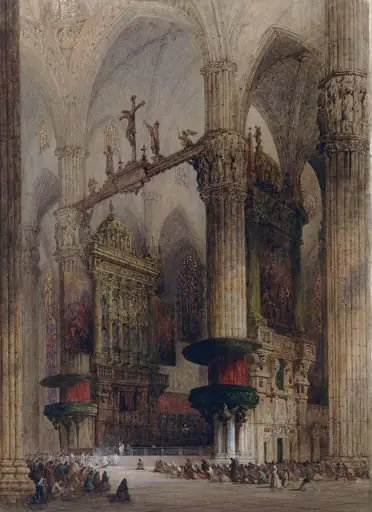 Interior of Milan Cathedral
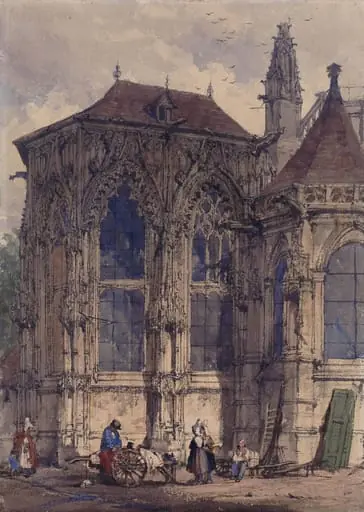 East End of the Church of St. Jacques, Dieppe
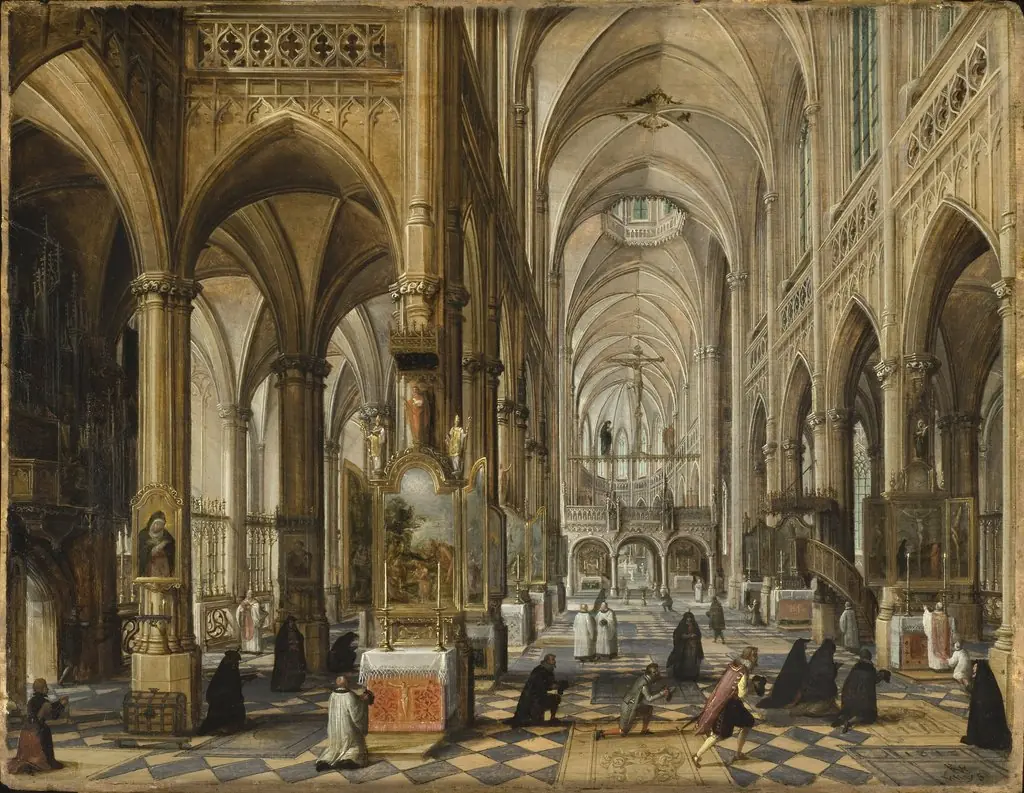 Interior of a Gothic Cathedral
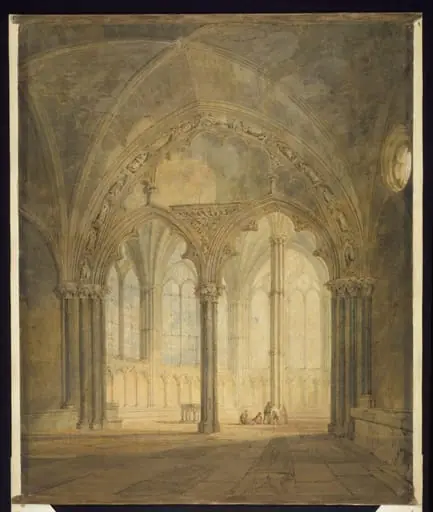 Entrance to the Chapter House, Salisbury Cathedral
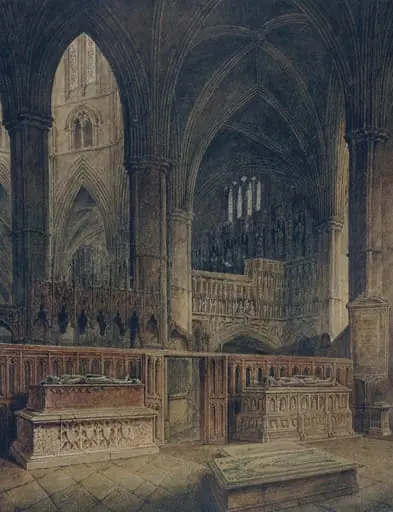 Interior of Edmund's Chapel, Westminster Abbey
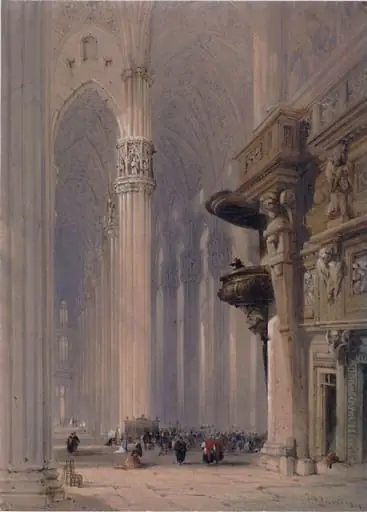 Interior of Milan Cathedral
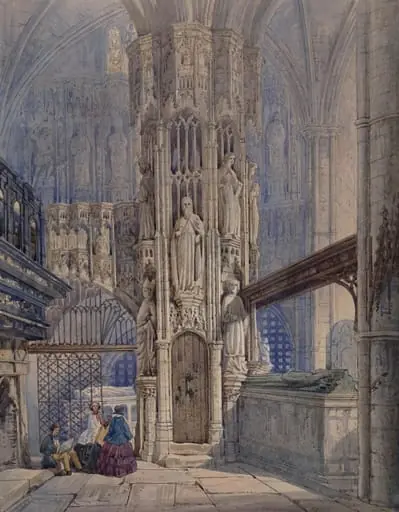 Edward the Confessor's Chapel, Westminster Abbey
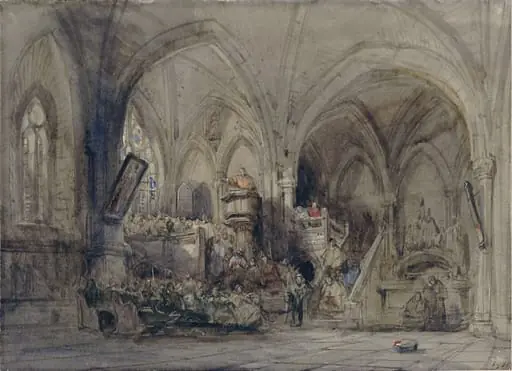 Interior of a church, Spain