Artwork
Jonathan Swift, the Dean of St. Patrick's (1667-1745)
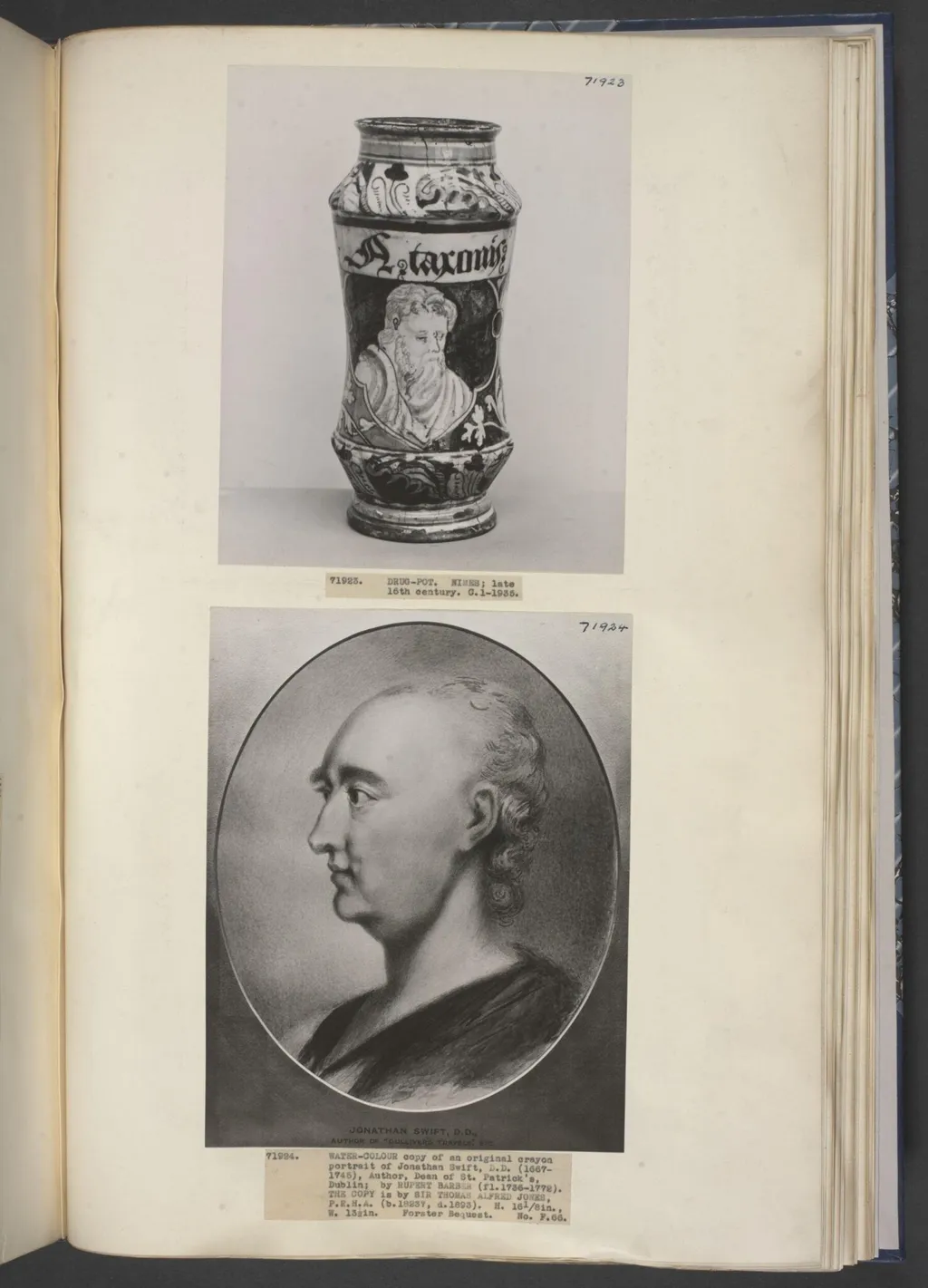
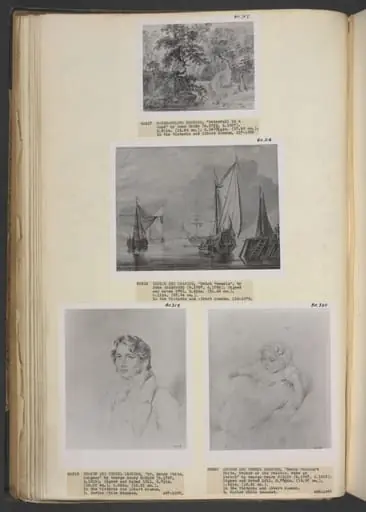
Jonathan Swift, the Dean of St. Patrick's (1667-1745) is a watercolor work on paper by the Impressionist artist Thomas Alfred Jones. It dates from 1850 and is held in the collection of the Victoria and Albert Museum. This watercolour portrait depicts Jonathan Swift, the Anglo-Irish satirist and Dean of St.
About this work
This is a black-and-white portrait of a man’s face and shoulders turned slightly to the side.
This is a black-and-white portrait of a man’s face and shoulders turned slightly to the side. His hair is curly, pulled back neatly, and he wears a high collar. The background is plain, keeping all focus on his serious expression.
The image is a watercolor copy of an earlier crayon portrait, made around 1850–1890. The artist used soft shading to show light and shadow on the face.
Look up the Victoria and Albert Museum to see more works like this.
Overview
This watercolour portrait depicts Jonathan Swift, the Anglo-Irish satirist and Dean of St. Patrick’s Cathedral in Dublin. Created between 1850 and 1890, it is a reproductive work based on an earlier crayon drawing. The piece captures Swift’s likeness with restrained tonal gradations, emphasizing his features without embellishment. Its modest scale and monochrome palette reflect 19th-century practices of preserving historical likenesses through delicate, hand-rendered copies.
Subject & Meaning
Swift is portrayed with a composed, introspective gaze, his expression conveying the gravity associated with his intellectual and ecclesiastical roles. The neat, pulled-back curls and high collar signify formal dignity, aligning with his public identity as a cleric and writer. The absence of symbolic objects or setting directs attention to his countenance, suggesting a focus on character rather than status or achievement.
Technique & Style
The artist employed soft watercolour washes to model the face and shoulders, using subtle shifts in value to suggest volume and light. The technique avoids bold outlines, relying instead on layered transparency to define contours. This method echoes the delicate handling of 18th-century crayon portraits, adapted here for watercolour’s fluidity. The plain background ensures visual clarity, reinforcing the portrait’s documentary intent.
History & Provenance
The watercolour is a 19th-century reproduction of a now-lost original crayon portrait, likely created during Swift’s lifetime. Such copies were common in Victorian England and Ireland, where interest in historical figures spurred the replication of portraits for private collections and institutions. Its survival reflects a broader cultural effort to preserve the likenesses of notable literary and religious figures from earlier centuries.
Context
In the mid-to-late 1800s, there was a surge in the production of historical portraits, especially of writers and clergy, driven by rising public interest in national heritage. Watercolour was favoured for its affordability and ease of reproduction. Swift’s image, already well-known through prints and engravings, was reinterpreted in this medium to meet the demand for accessible, intimate representations of revered figures.
Legacy
This watercolour contributes to the visual record of Swift’s enduring cultural presence. While not an original likeness, it demonstrates how 19th-century artists engaged with historical figures through careful, reverent replication. It remains a quiet testament to the persistence of Swift’s persona in public memory, preserved not through grandeur but through understated, deliberate craftsmanship.
Artist & collection
Artist
Sir Thomas Alfred Jones (c.1823–1893) was an Irish portrait and genre painter and a President of the Royal Hibernian Academy (RHA).

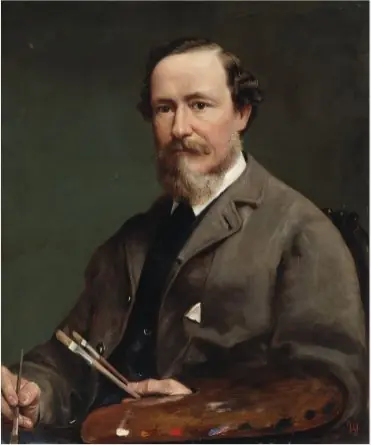
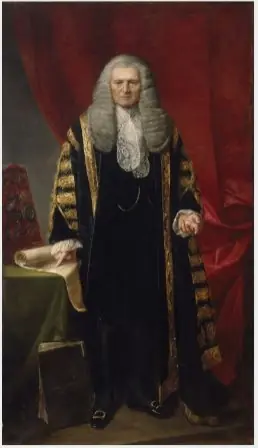
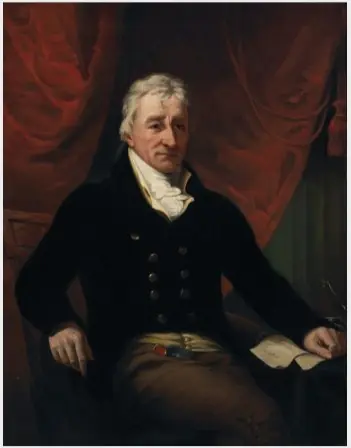
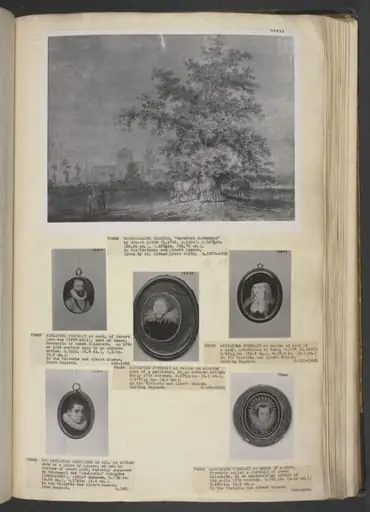 Hereford Cathedral, seen from the meadows
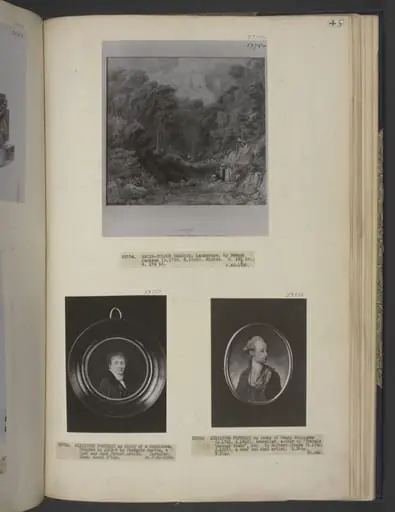 Nightingale Valley near Clifton with St. Vincent's Rocks and the Obsevatory Tower
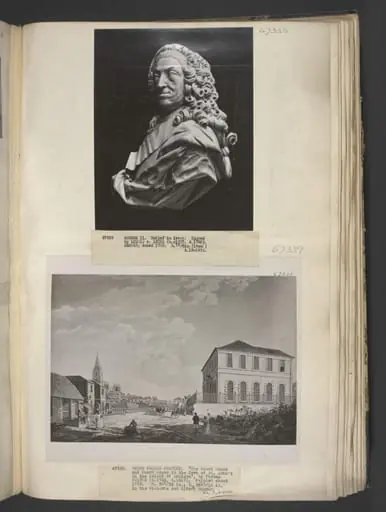 The Court House and Guard House in the town of St. John's in the Island of Antigua
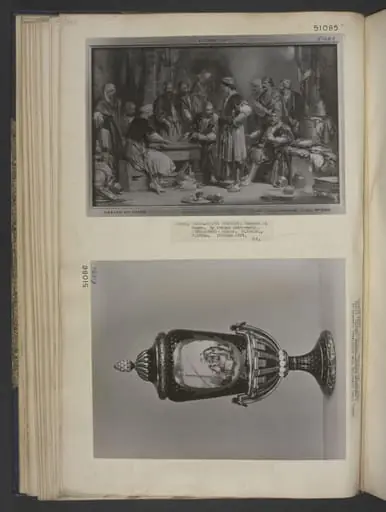 Pirates at Cards
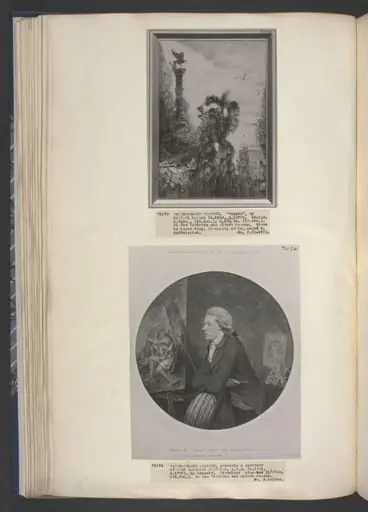 Portrait of a painter
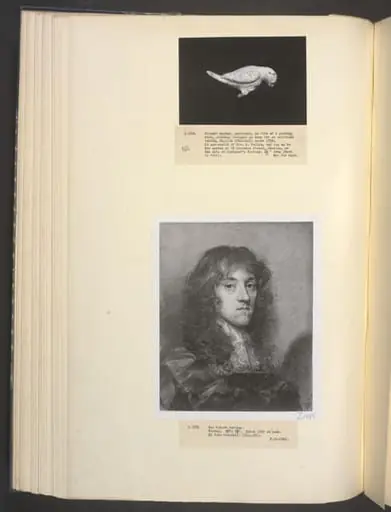 Sir Robert Worsley
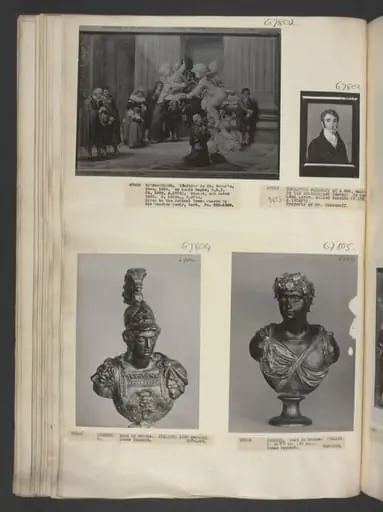 Bénitier in St. Peter's, Rome
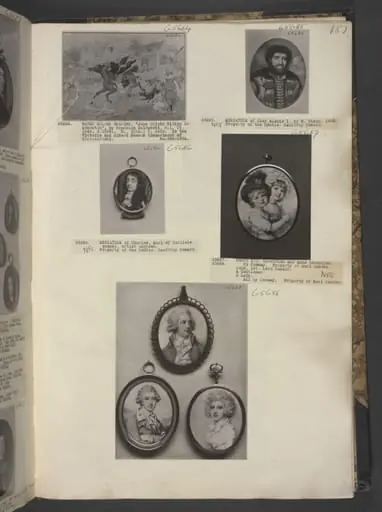 John Gilpin riding to Edmonton
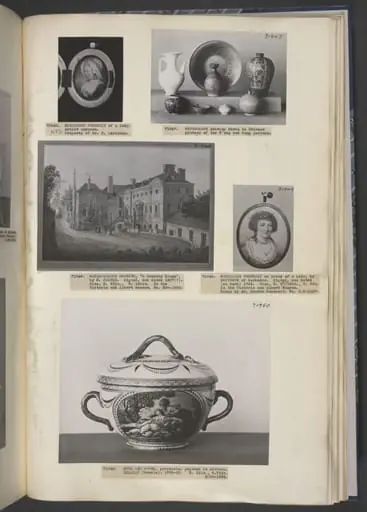 A country house
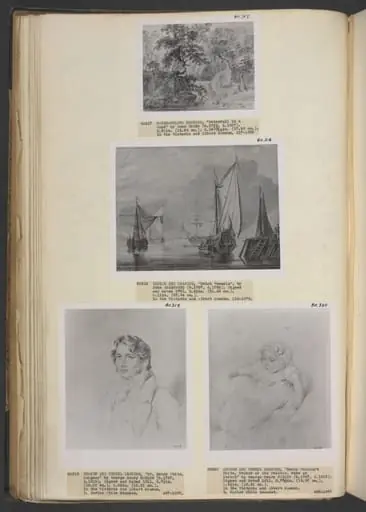 Dutch Vessels
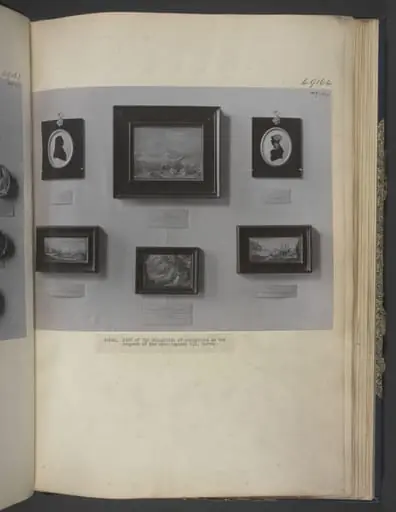 Miniature painting of a battle scene
 Henry White, surgeon