Artwork
pictură de șevalet
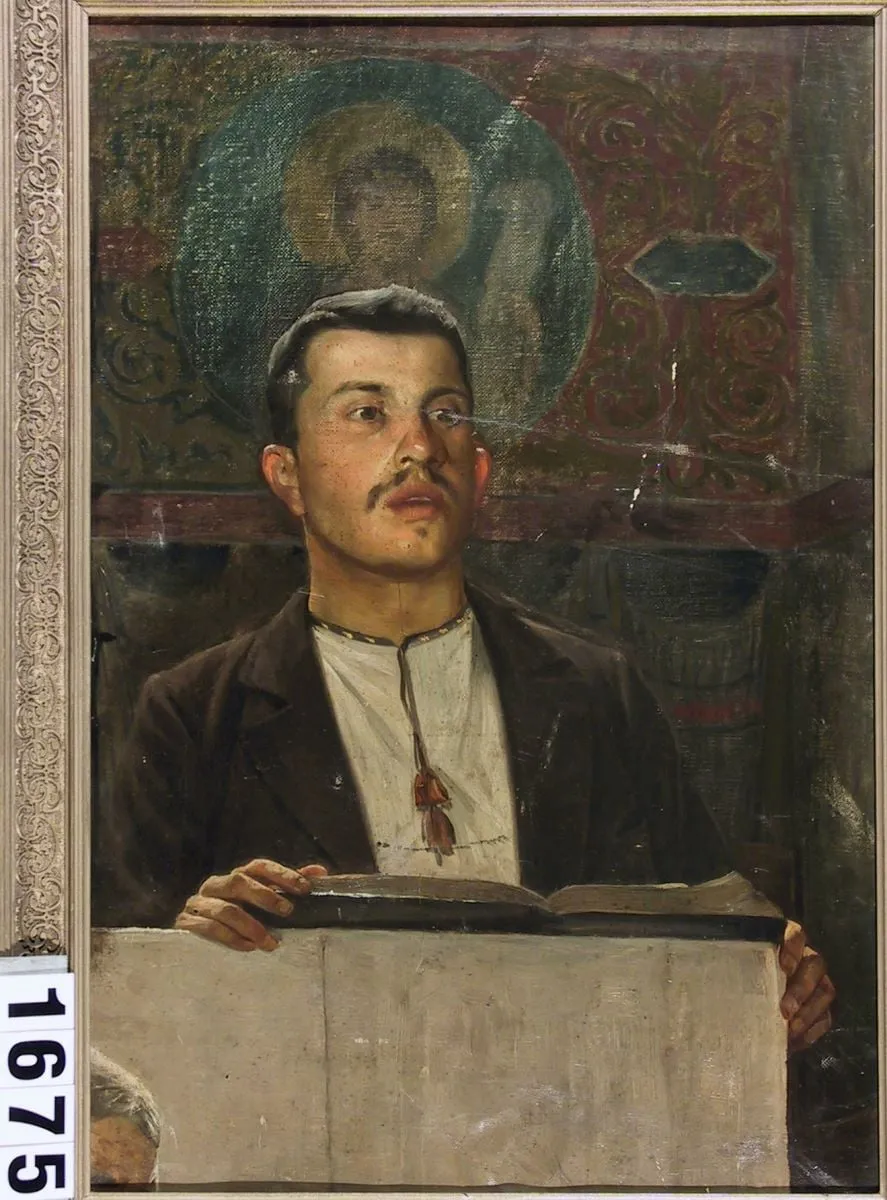
pictură de șevalet is an unspecified painting by the Academic Art artist Octavian Smigelschi. It is held in the collection of the Brukenthal National Museum. This easel painting depicts a man in quiet contemplation, dressed in a brown jacket over a white shirt, with dark hair and a mustache.
About this work
Overview
The composition centers on his face and hands, with a softly blurred background suggesting decorative elements in red, green, and gold.
This easel painting depicts a man in quiet contemplation, dressed in a brown jacket over a white shirt, with dark hair and a mustache. He holds an open, weathered book on a wooden stand, his gaze lifted slightly as if absorbed in thought. The composition centers on his face and hands, with a softly blurred background suggesting decorative elements in red, green, and gold. The lighting is restrained, emphasizing form without dramatic contrast.
Subject & Meaning
The figure appears engaged in scholarly or introspective activity, suggested by the aged book and still posture. His calm expression and upward gaze imply reflection rather than active reading. No identifying symbols or inscriptions are present, leaving his identity and purpose ambiguous. The focus on the book and facial expression invites interpretation of intellectual or spiritual contemplation without narrative specificity.
Technique & Style
The painter employs a simplified, direct approach, concentrating on the figure’s features and hands with careful modeling. Background elements are rendered loosely, creating depth through soft focus rather than detailed rendering. The use of muted tones and subtle transitions between light and shadow suggests an awareness of chiaroscuro, though without the intensity seen in high-contrast Baroque works. Brushwork is controlled, prioritizing clarity over flourish.
History & Provenance
No documented history or ownership record is available for this work. It lacks signatures, dates, or inscriptions that might link it to a known artist or period. Its style aligns with 18th- or early 19th-century portraiture from regions where domestic intellectual themes were common, but its origins remain unverified. The painting survives as an anonymous study of quiet concentration.
Context
In the broader tradition of European portraiture, depictions of individuals with books often signaled literacy, piety, or scholarly status. This work fits within a modest genre of private, non-commissioned portraits that valued introspection over status display. Its lack of elaborate setting or symbolism suggests it was intended for personal or familial use rather than public display.
Legacy
As an unattributed work, it contributes to the understanding of everyday visual culture in pre-modern Europe, where portraiture extended beyond the elite to include individuals engaged in quiet intellectual pursuits. Its preservation reflects an appreciation for subtle human expression, even in the absence of fame or historical documentation.
Artist & collection
Artist
This Austrian-Hungarian artist painted prints, religious scenes, and portraits between the late 1800s and early 1900s.

 The Wedding at Cana
 The Wedding at Cana
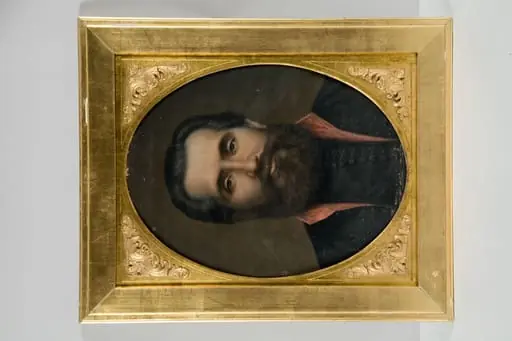 Ioan Mihălțeanu, Protopopul Zarandului
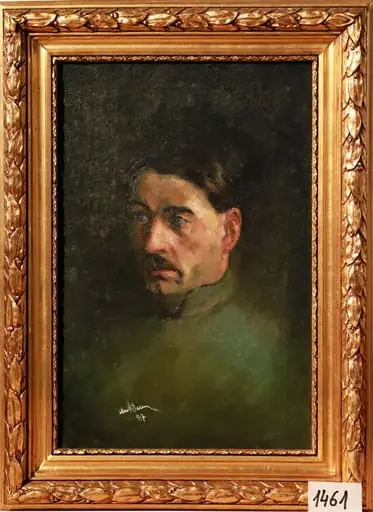 George Topârceanu
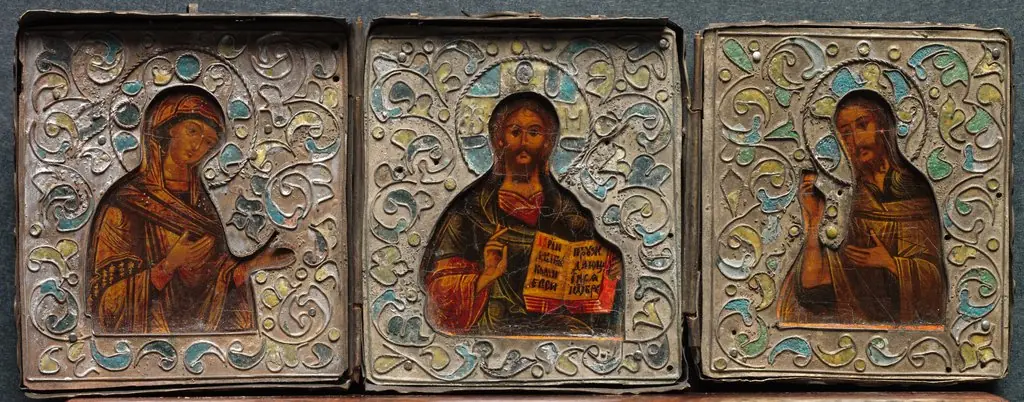 Triptych with Christ, the Virgin, and St. John the Evangelist
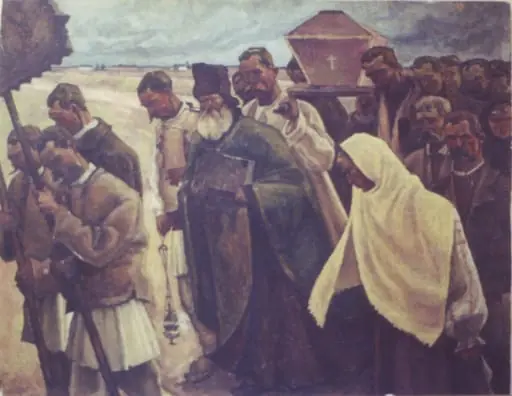 Inmormantare la tara
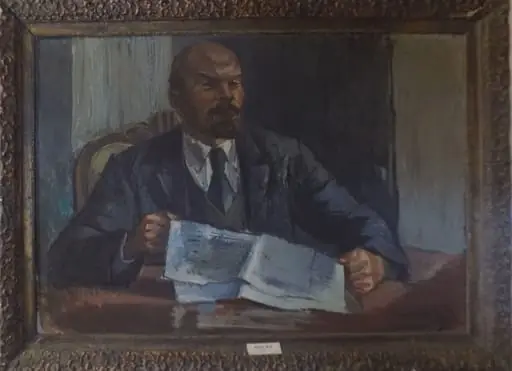 V.I. Lenin
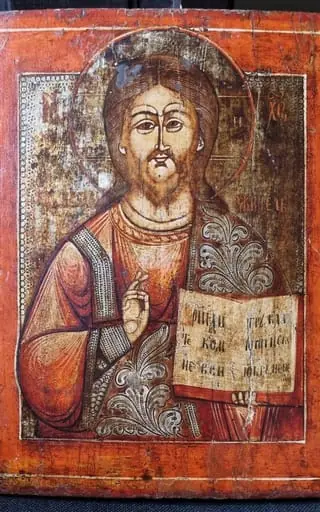 Isus Hristos Pantocrator
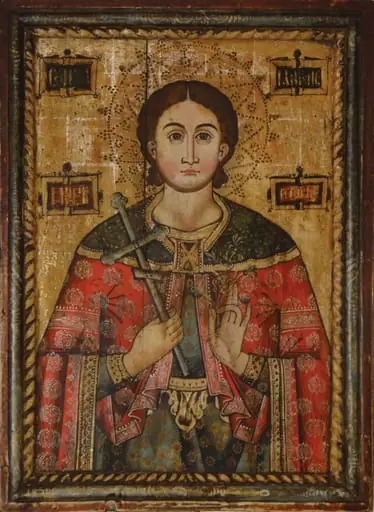 Sf. Gheorghe
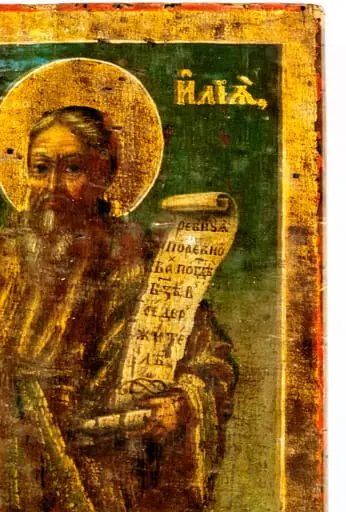 Sfăntul Ilie este redat 3/4, din semiprofil, cu un pumnal lung, ridicat în sus în mâna dreaptă, și un filacter desfășurat în stânga. Sfântul este redat bătrân, cu părul și barba albe, pictate în detaliu, ochii mari, negri, încruntat. Înveșmântat cu o tunică sărăcăciaosă cafenie peste care poartă o mantie verde prinsă la brâu.În jurul capului are un nimb aurit cu chenar alb. Fond verzui, nuanțat, mai închis în partea de sus, luminat în cea de jos Inscripția este scrisă în partea de sus, cu litere caligrafice și prescurtări. Chenar aurit, delimitat de o linie roșie la exterior și una albă la interior, Pictura a fost aplicată în zona veșmintelor peste un strat de bronz care transpare la falduri, dând luminozitate icoanei. Pe spate are bătute două pene în relief, care depășesc marginea icoanei.
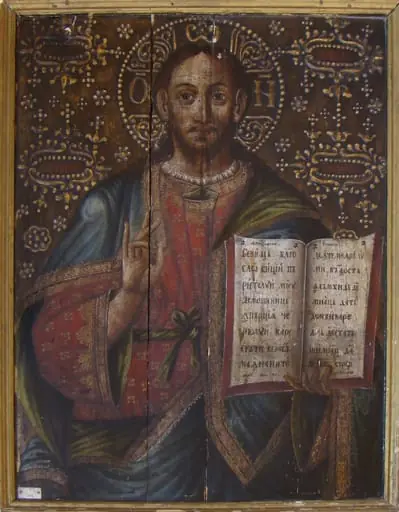 Iisus Hristos Învățător
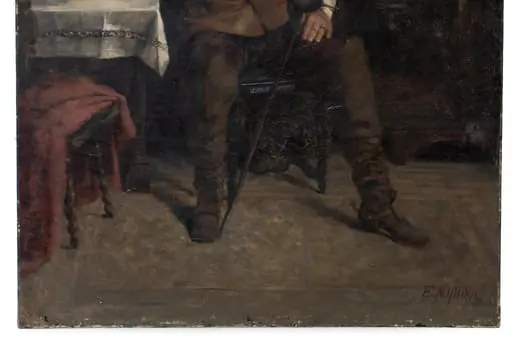 Un cavaler - Porthos