Artwork
曽我二直庵筆 高士・柏鷹図|Daoist Sage and Hawk
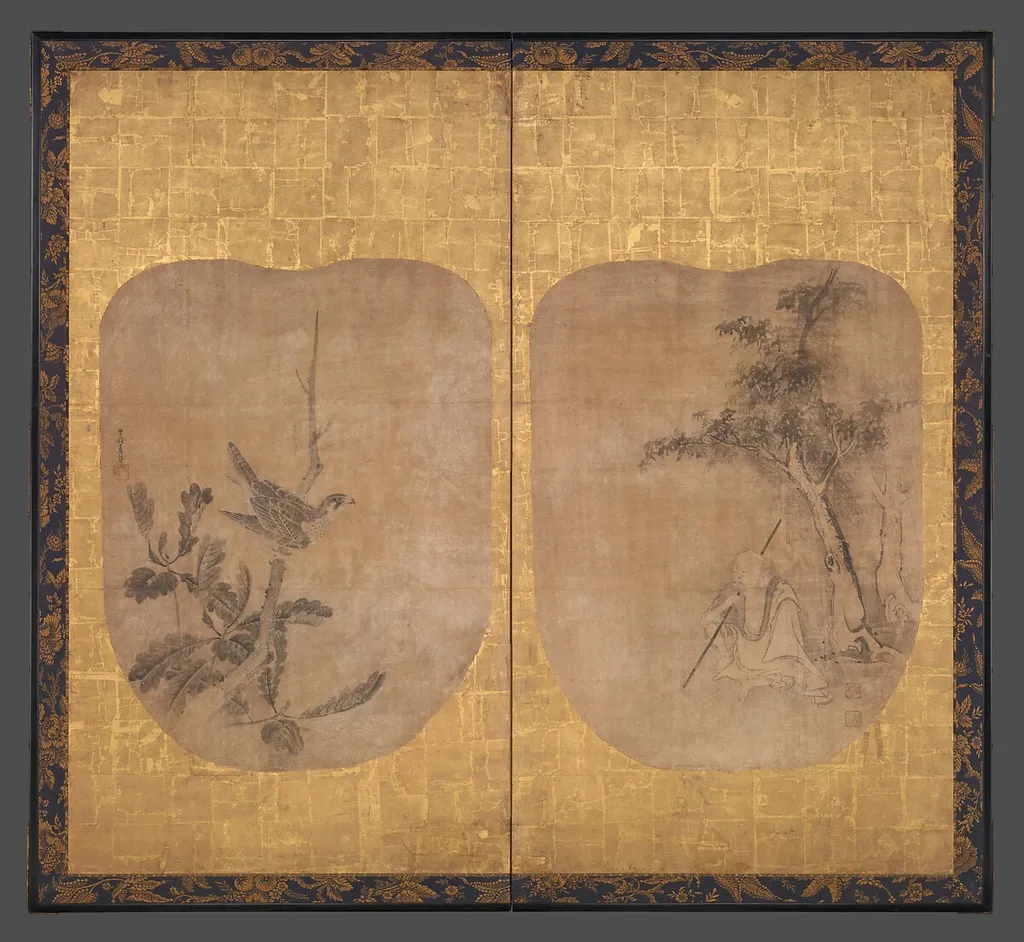
曽我二直庵筆 高士・柏鷹図|Daoist Sage and Hawk is an ink painting by the Baroque artist Soga Nichokuan. It dates from 1650 and is held in the collection of the Metropolitan Museum of Art.
About this work
Overview
A pair of fan-shaped ink paintings on paper, mounted as a two-panel folding screen, attributed to Soga Nichokuan and dated circa 1650. The works feature a Daoist sage and a hawk, each depicted in isolation against a gold-ground background marked by a subtle grid. Originally intended as decorative screens, they reflect the quiet aesthetic of early Edo-period Japanese painting.
Subject & Meaning
The left panel portrays a hawk perched on a bare branch, its stillness suggesting vigilance or spiritual focus. The right panel depicts a robed figure seated beneath a sparse tree, staff in hand, embodying the contemplative ideal of the Daoist hermit. Together, the images evoke themes of solitude, natural harmony, and inner stillness, common in Zen-influenced imagery of the period.
Technique & Style
Executed in monochrome ink on paper, the works employ minimal brushwork to suggest form and atmosphere. The gold background, textured with a fine grid, creates a luminous, non-representational space that isolates the figures. Sparse foliage and restrained lines emphasize economy of form, aligning with the aesthetic of suibokuga while retaining decorative elements typical of screen painting.
History & Provenance
The pair was produced during the early Edo period by Soga Nichokuan, a painter active in the Soga school tradition. It entered the collection of The Metropolitan Museum of Art through documented acquisition, though its earlier provenance prior to the 20th century remains unrecorded in public sources.
Context
Created during a time when Zen Buddhism and Daoist ideals influenced Japanese elite culture, these works reflect a broader trend of integrating scholarly and spiritual motifs into decorative arts. The use of gold grounds and fan shapes connects them to earlier Yamato-e traditions, while their simplicity aligns with emerging Edo-period tastes for restrained, meditative imagery.
Legacy
Though not widely exhibited, the screen remains a representative example of early Edo religious painting that bridges Chinese philosophical themes with Japanese formal conventions. It contributes to scholarly understanding of how Daoist iconography was adapted in Japanese monastic and courtly contexts during the 17th century.
Artist & collection

 Winter and Summer Flowers
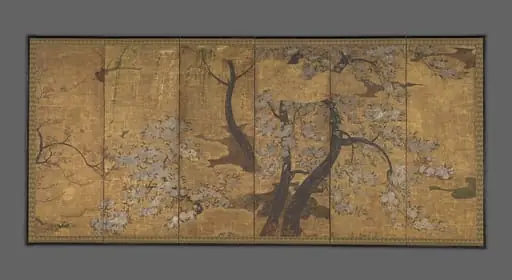 桜梅柳図屏風|Cherry, Plum and Willow Trees
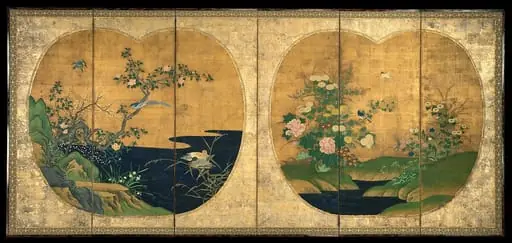 狩野周信筆 秋冬花鳥図屏風|Birds and Flowers of Autumn and Winter
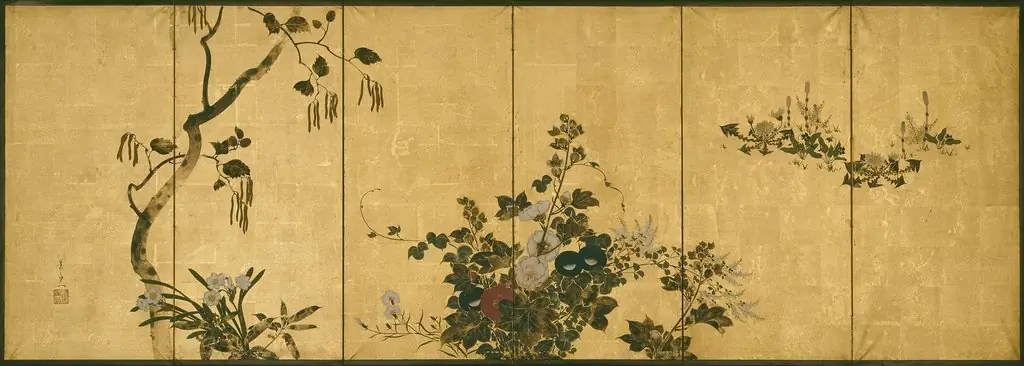 Flowers of Autumn and Winter
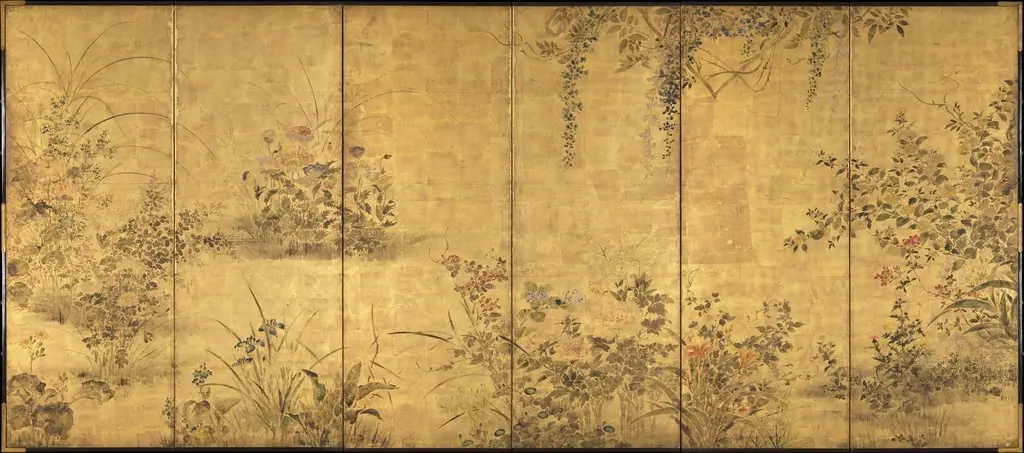 Flowering Plants and Vegetables of the Four Seasons
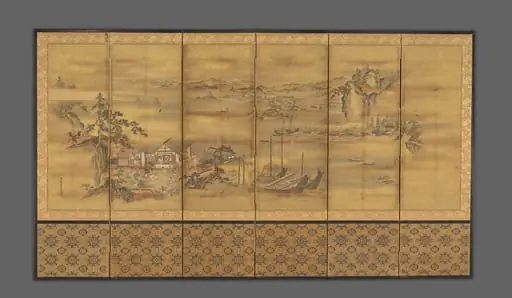 Untitled
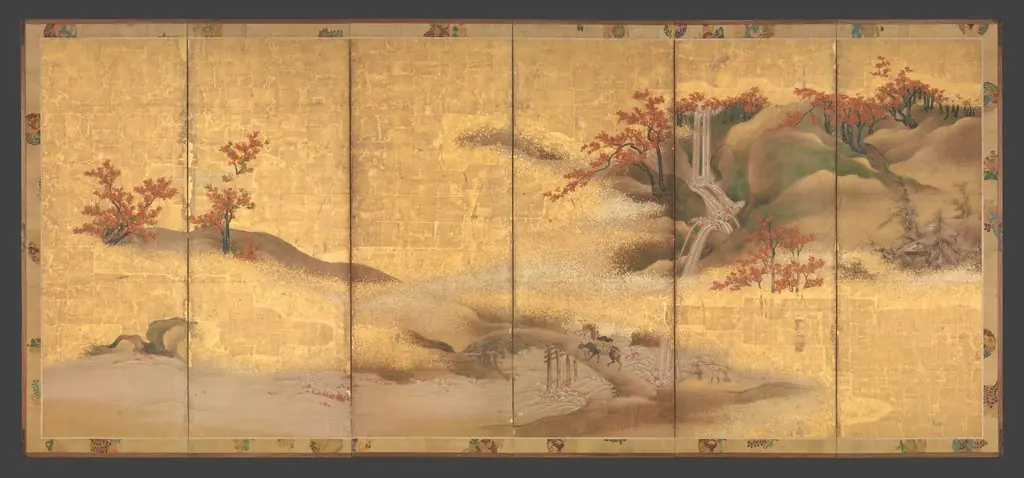 Mountains and Rivers in Autumn
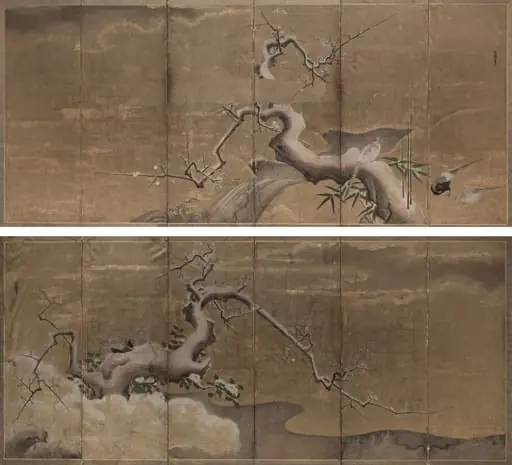 Winter Scene with Plum Trees and Pheasants
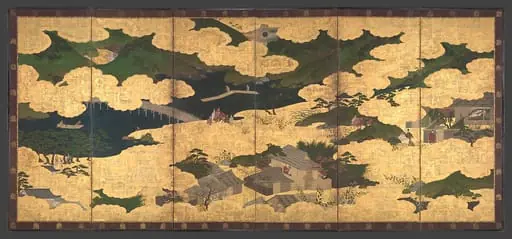 平家物語図屏風 「小督」 「大原御幸」|"Kogō" and "The Imperial Procession to Ōhara", from The Tale of the Heike (Heike monogatari)
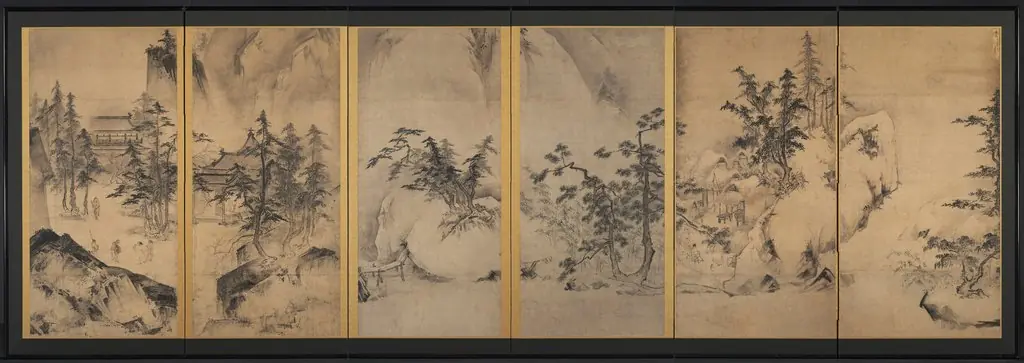 Winter and Spring Landscape
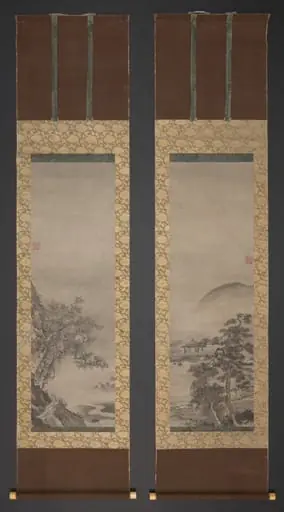 Landscapes with Figures
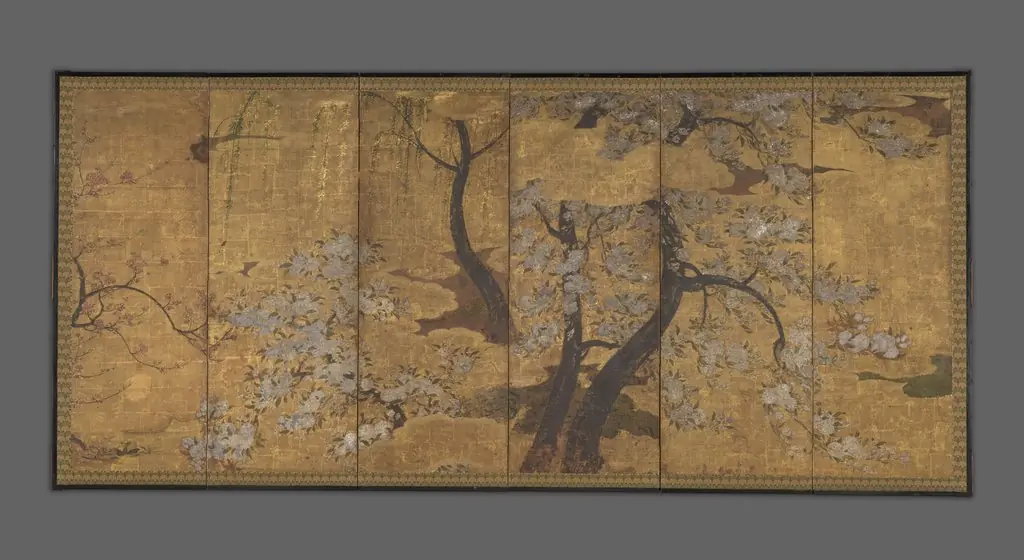 Cherry, Plum and Willow Trees