Artwork
Untitled
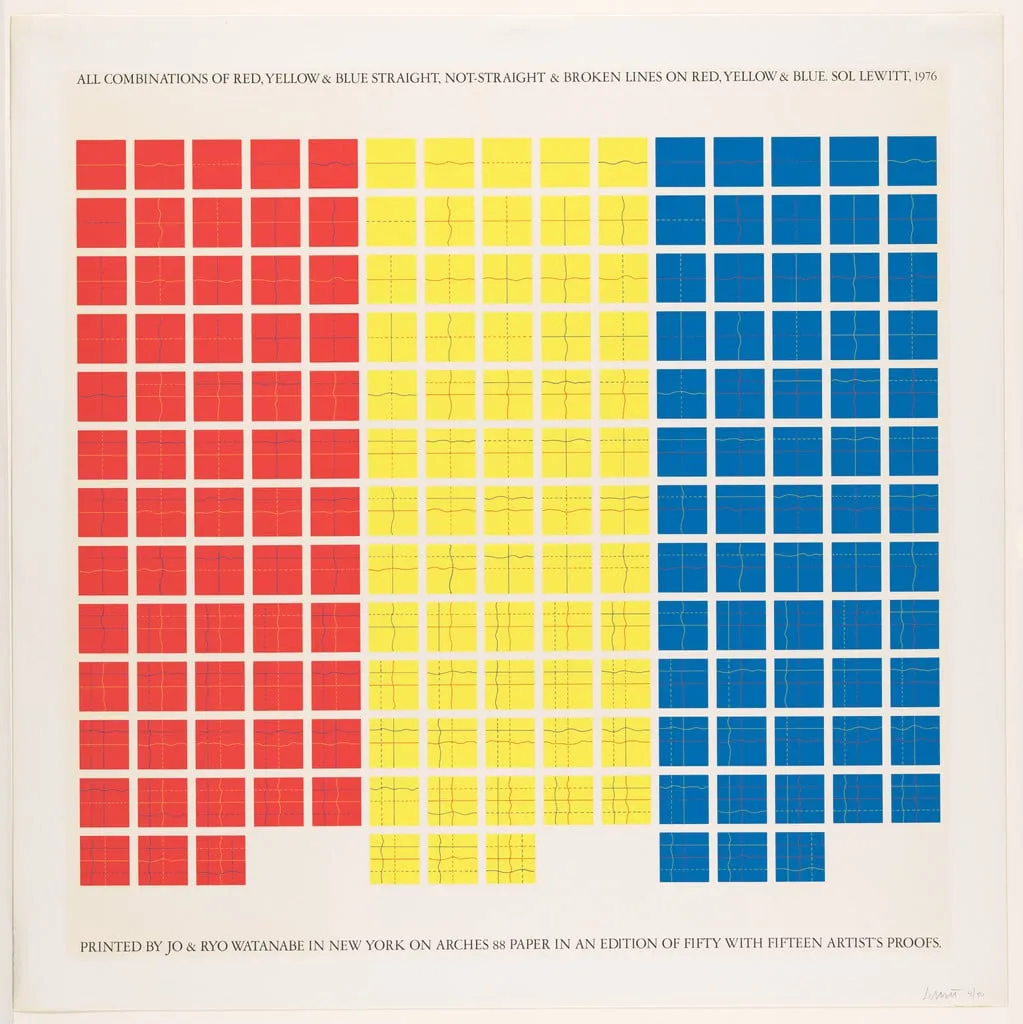
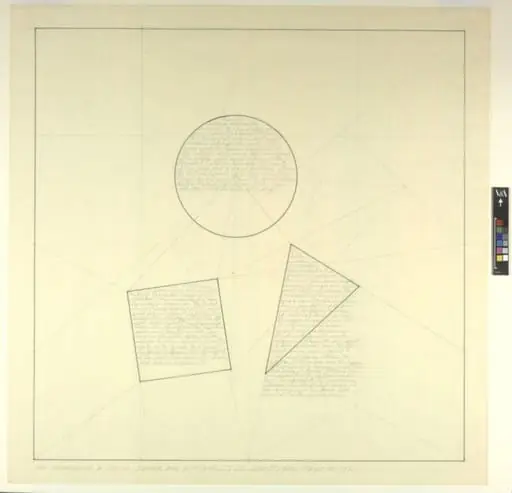
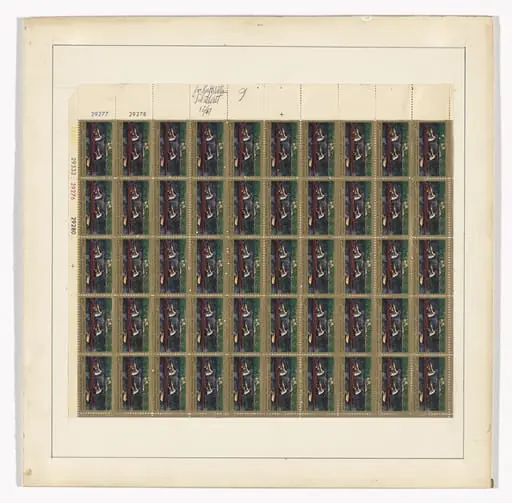
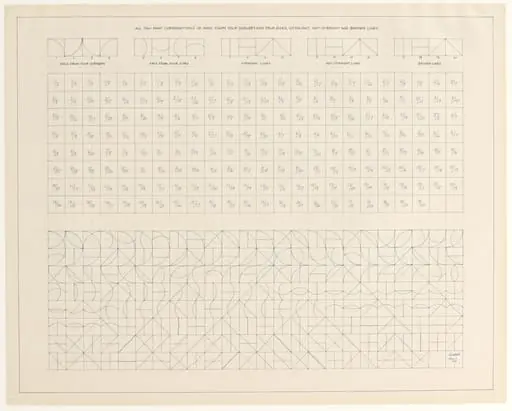
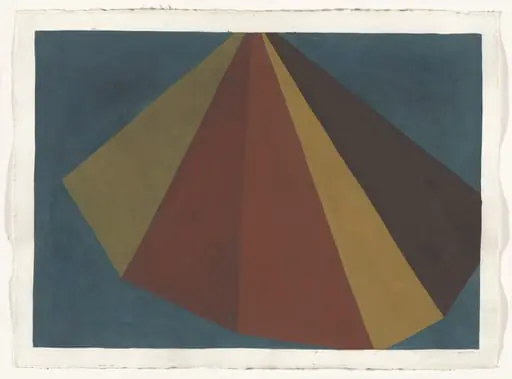
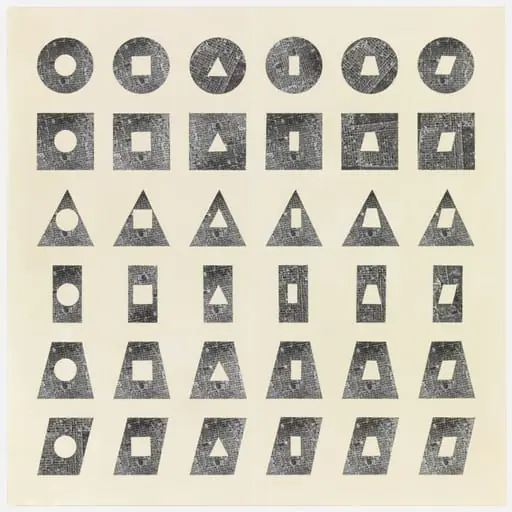
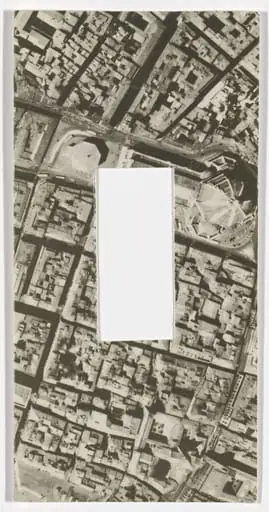
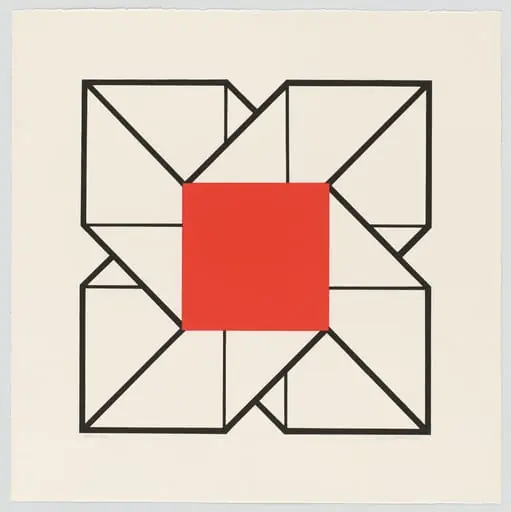
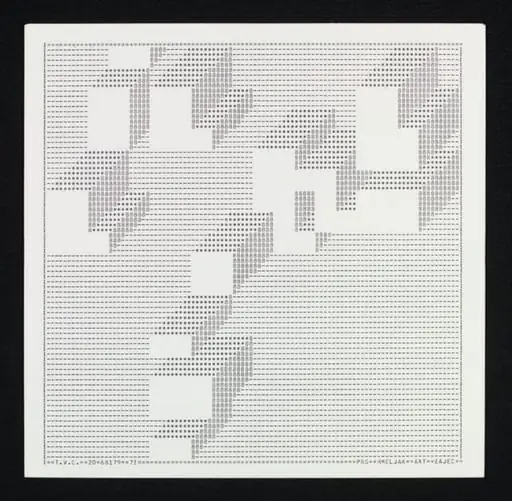
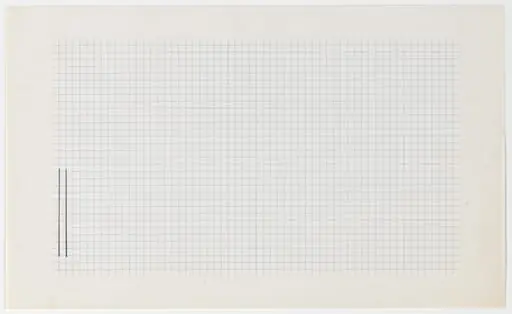
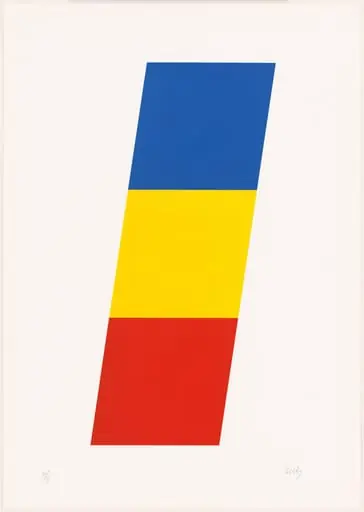
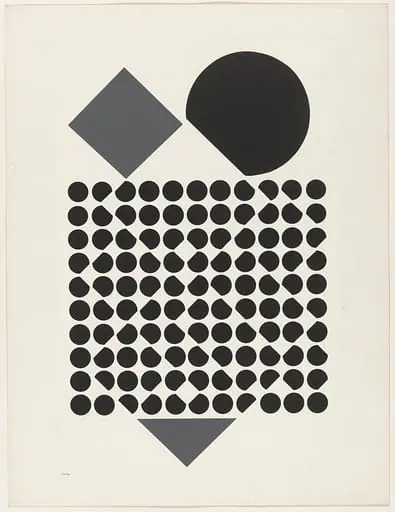
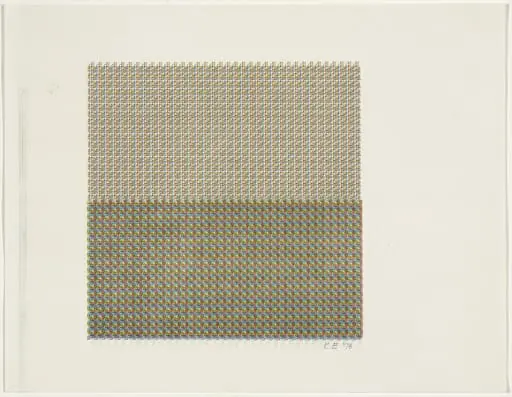
Untitled is an ink print by Sol LeWitt. It dates from 1976 and is held in the collection of the Museum of Modern Art.
About this work
Overview
LeWitt, a central figure in conceptual and minimal art, used mechanical processes to translate systematic ideas into visual form.
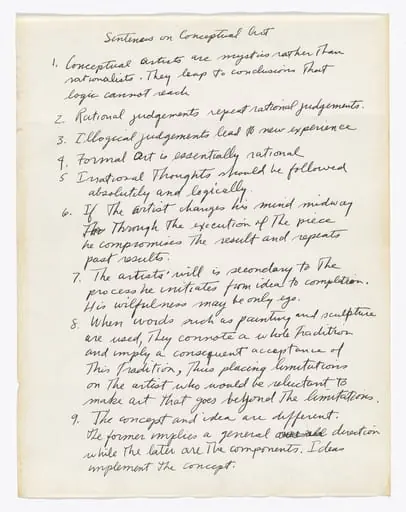
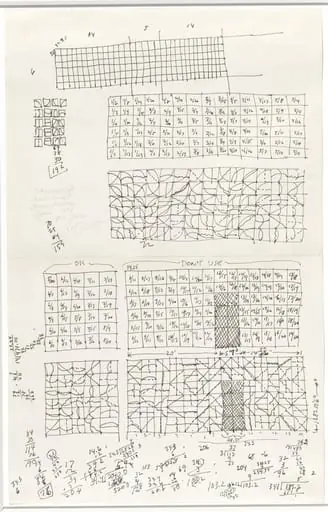
Created in 1976, this screenprint by Sol LeWitt is part of his broader exploration of printmaking during the 1970s. LeWitt, a central figure in conceptual and minimal art, used mechanical processes to translate systematic ideas into visual form. The work reflects his interest in structure, repetition, and the separation of concept from execution, aligning with his practice of delegating production while retaining control over the underlying rule set.
Subject & Meaning
The composition consists of a grid of primary-colored squares—red, yellow, and blue—arranged with partial overlaps and irregular spacing. There is no representational subject; meaning arises from the system governing placement and color distribution. The work invites attention to the logic of its construction rather than emotional or narrative content, embodying LeWitt’s belief that the idea behind the work is the primary artistic element.
Technique & Style
Screenprinting allowed LeWitt to produce multiple iterations of his geometric designs with precision. The bright, flat colors are applied in uniform layers, while intentional breaks in the lines suggest imperfections in the printing process or deliberate disruption of the grid. These fractures introduce subtle variation within an otherwise rigid structure, balancing control with chance—a hallmark of his approach to serial work.
History & Provenance
This print emerged during a period when LeWitt was actively expanding his output in print media, following his earlier wall drawings and sculptural forms. It was produced in a limited edition, consistent with his practice of making multiples accessible beyond gallery settings. The work has been included in institutional collections since the late 1970s, reflecting its significance in the documentation of conceptual art’s engagement with reproduction.
Context
In the 1970s, artists across disciplines questioned traditional notions of authorship and originality. LeWitt’s use of grids, primary colors, and mechanical processes aligned with broader movements in minimalism and systems-based art. His prints responded to industrial production methods and the rise of conceptual frameworks, positioning art as an intellectual exercise rather than a unique object tied to the artist’s hand.
Legacy
LeWitt’s screenprints influenced subsequent generations of artists working with rule-based systems and serial forms. By treating prints as vehicles for conceptual exploration rather than decorative objects, he expanded the boundaries of the medium. His emphasis on process over aesthetics continues to inform contemporary practices in digital art, generative design, and institutional critique.
Artist & collection
Artist
Solomon "Sol" LeWitt (September 9, 1928 – April 8, 2007) was an American artist linked to various movements, including conceptual art and minimalism.