Artwork
Gramatica (Grammar)
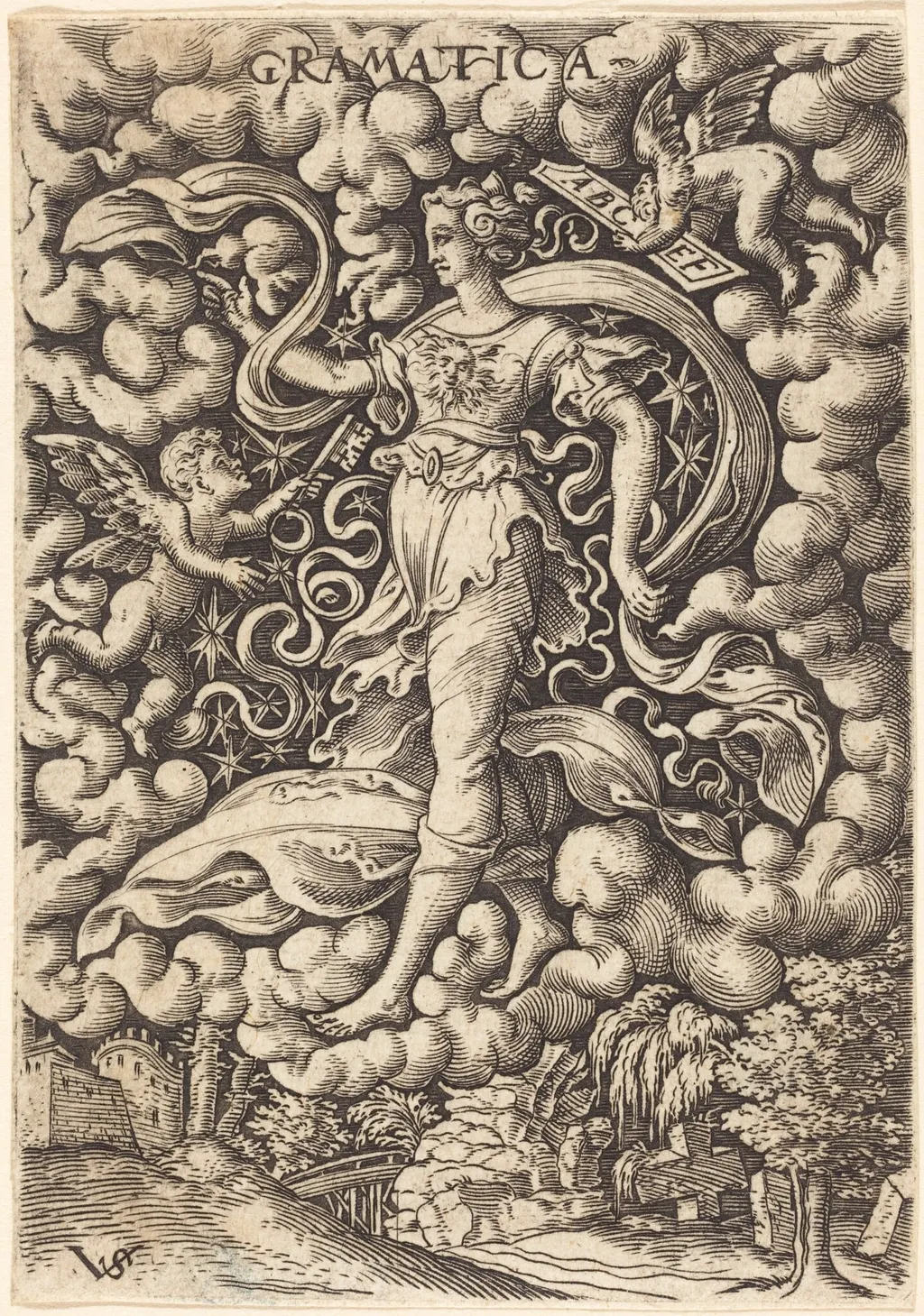
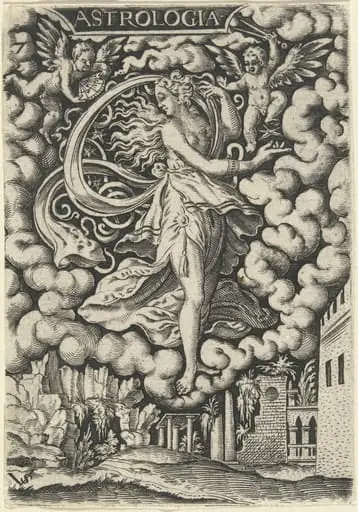
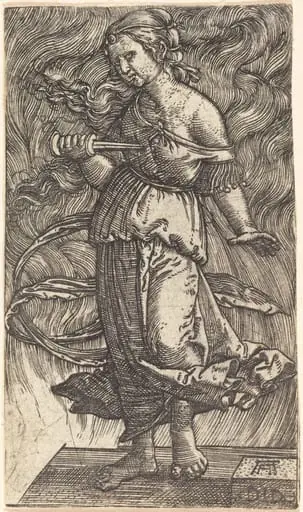
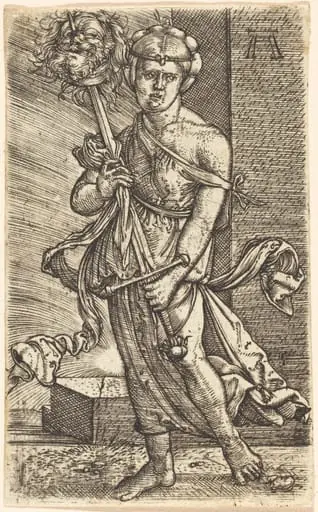
Gramatica (Grammar) is an ink print by the Renaissance artist Virgil Solis. It dates from 1538 and is held in the collection of the National Gallery of Art.
About this work
Overview
Virgil Solis, a Nuremberg‑born artist active in the early sixteenth century, produced the copper‑plate engraving titled *Gramatica* in 1538. The print exemplifies the intricate, densely populated compositions characteristic of German workshop practices of the period, and it remains a representative work among Solis’s extensive output of prints and woodcuts.
Subject & Meaning
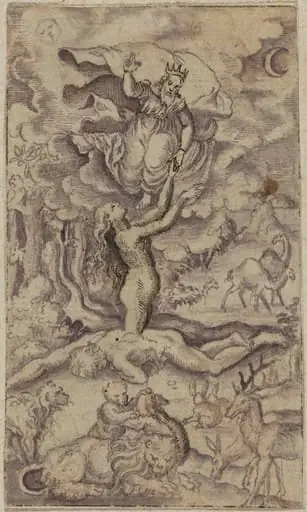
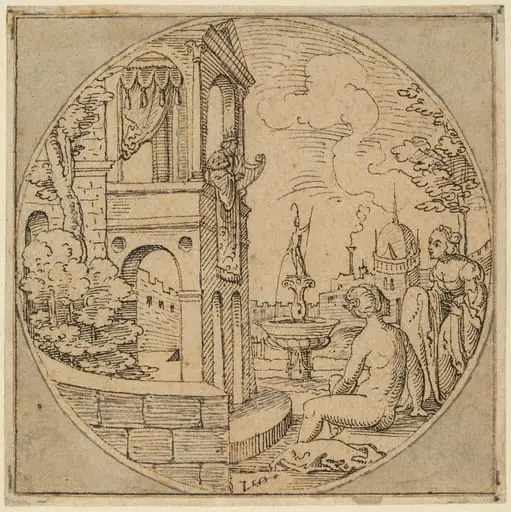
At the composition’s core a female figure clasps a scroll, surrounded by an array of floating faces, clouds, stars and ornamental curls. The inscription *Gramatica* suggests an allegorical link to the study of language or instruction, while the surrounding symbols create a visual metaphor for the complexity and abundance of knowledge associated with grammar.
Technique & Style
Solis employed fine, incised lines and cross‑hatching to achieve tonal variation and a sense of depth on a monochrome surface. The engraving’s busy background, filled with swirling motifs and miniature figures, demonstrates the artist’s skill in rendering intricate detail through the controlled use of line, a hallmark of German printmaking in the 1500s.
History & Provenance
Born into a family of craftsmen in 1514, Solis spent his career largely in Nuremberg, where he contributed to the city’s thriving print market. *Gramatica* was produced during a prolific phase of his career, and surviving copies are held in several European print collections, reflecting the work’s circulation among collectors of the era.
Artist & collection

Artist
Virgil Solis or Virgilius Solis (1514 – 1 August 1562), a member of a prolific family of artists, was a German draughtsman and printmaker in engraving, etching and woodcut who worked in his native city of Nuremberg.