Artwork
David and Bathsheba
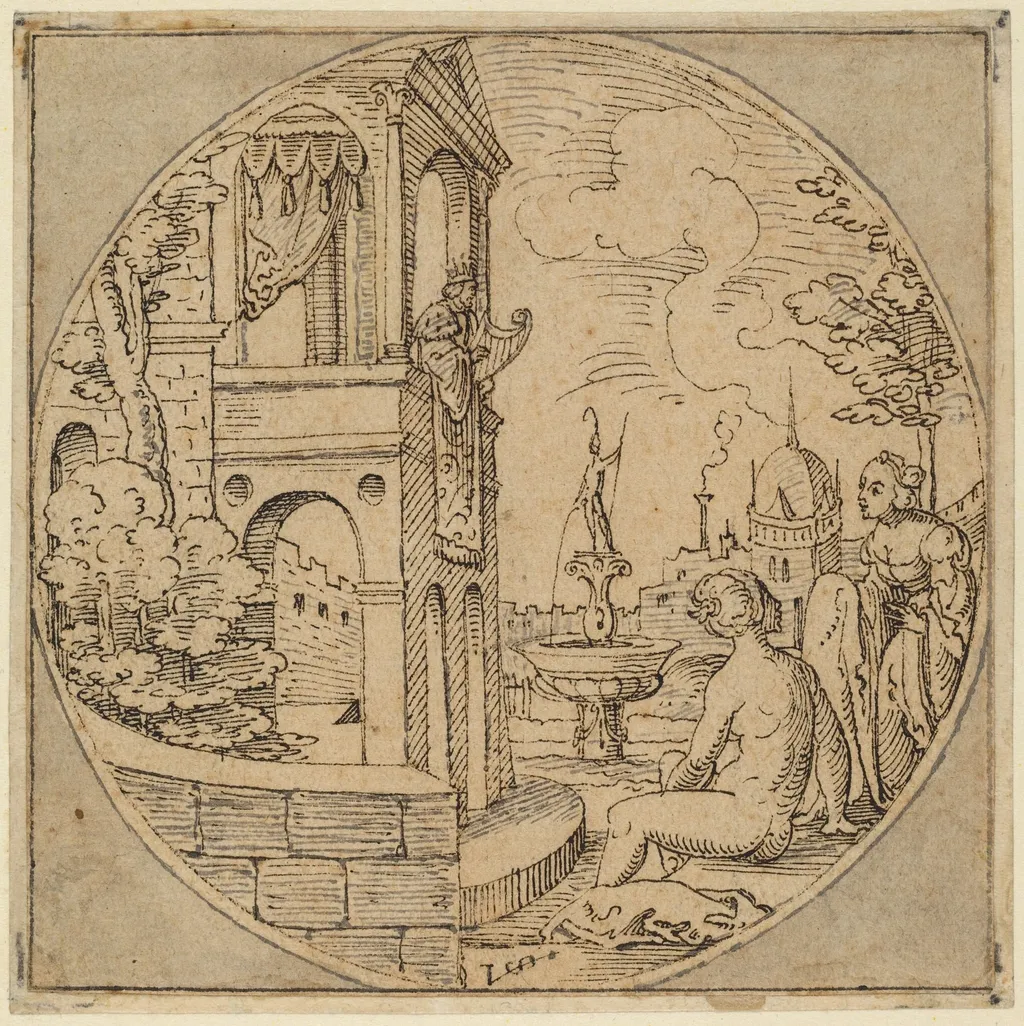
David and Bathsheba is an ink drawing by the Renaissance artist Virgil Solis. It dates from 1545 and is held in the collection of the National Gallery of Art.
About this work
Overview
Created in 1545, this drawing by German artist Virgil Solis portrays the biblical episode in which King David watches Bathsheba while she bathes. Executed with pen, black ink and a gray wash on laid paper, the work reflects Solis’s activity in Nuremberg, where he worked within a family noted for its extensive artistic production.
Subject & Meaning
The composition captures a moment from the Old Testament narrative, focusing on the voyeuristic gaze of King David as he observes Bathsheba’s private ritual. This theme, recurrent in Renaissance and Northern European visual culture, underscores moral and political tensions surrounding power, desire, and the consequences of transgression.
Technique & Style
Solis employs fine pen lines to delineate figures and architectural elements, while a subtle gray wash adds depth and tonal variation to the scene. The use of laid paper provides a textured surface that enhances the contrast between the stark ink and the softer wash, characteristic of mid‑sixteenth‑century German draughtsmanship.
History & Provenance
The drawing originates from Solis’s workshop in Nuremberg, a city that served as a hub for printmakers and draughtsmen during the period. Though specific ownership records are limited, the work has been documented in collections of German Renaissance drawings, reflecting the artist’s reputation for prolific output across multiple media.
Artist & collection

Artist
Virgil Solis or Virgilius Solis (1514 – 1 August 1562), a member of a prolific family of artists, was a German draughtsman and printmaker in engraving, etching and woodcut who worked in his native city of Nuremberg.

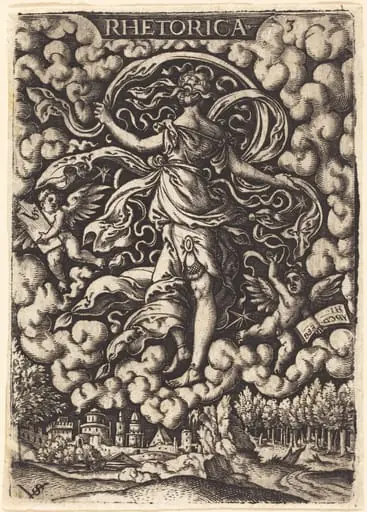
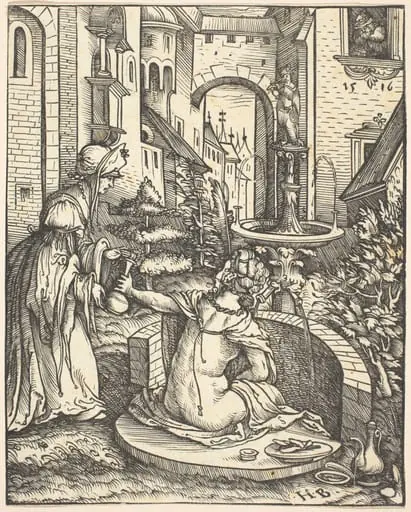 Bathsheba at Her Bath
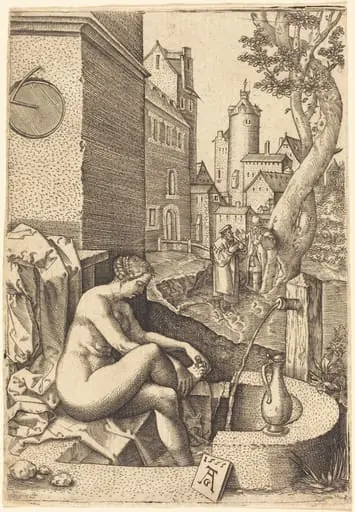 Susanna Surprised by the Two Elders
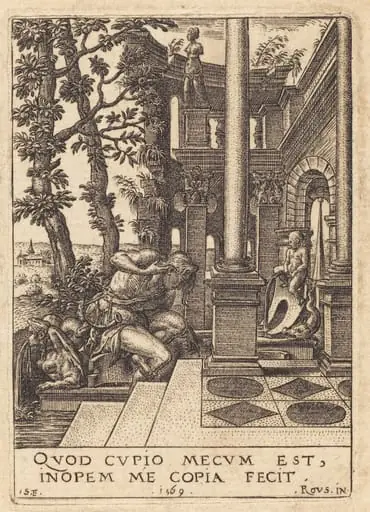 Narcissus at the Fountain
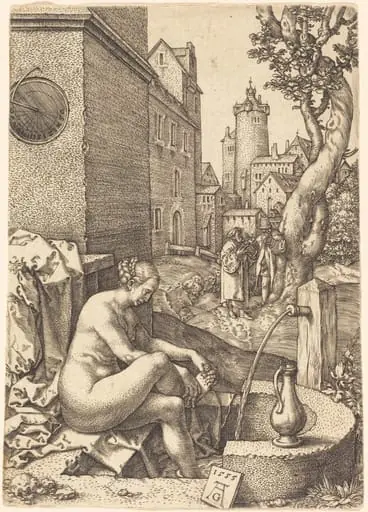 Susanna Surprised by the Two Elders
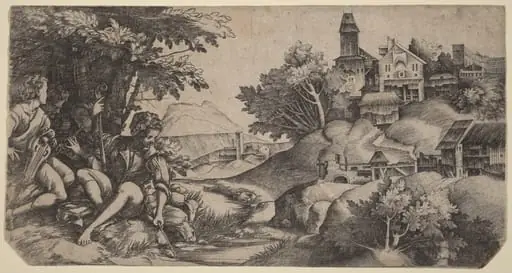 Shepherds in a Landscape
![Temporalis Aeternitas [Second Version], by Italian 17th Century](https://artifactworldgallery.com/img/italian-17th-century--temporalis-aeternitas-second-version--2b55857961773f67-w320.webp) Temporalis Aeternitas [Second Version]
Temporalis Aeternitas [Second Version]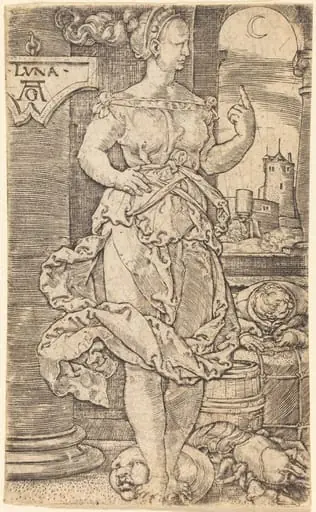 Luna
Luna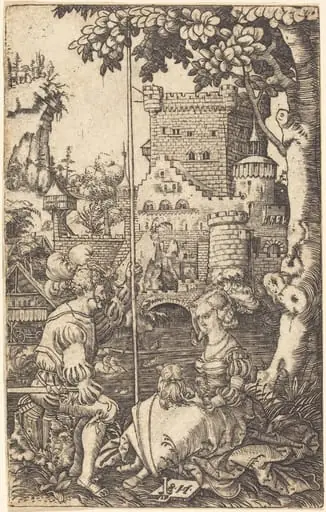 Knight and Lady
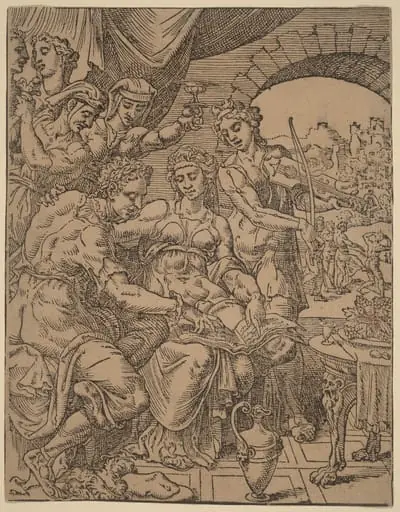 The Prodigal Son Squandering His Inheritance on Harlots
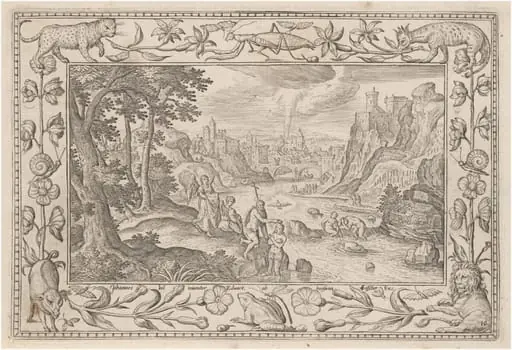 The Baptism of Christ
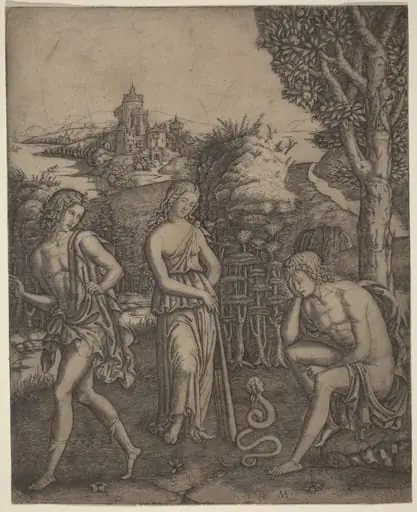 Serpent Speaking to a Young Man
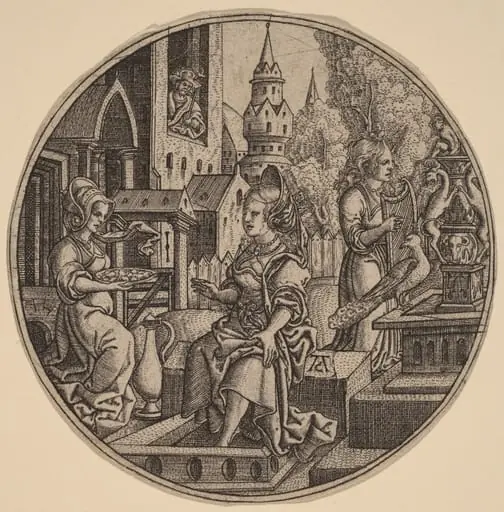 David and Bathsheba