Artwork
Pierre de Montesquiou, comte d'Artagnan, maréchal de France (1645-1725)
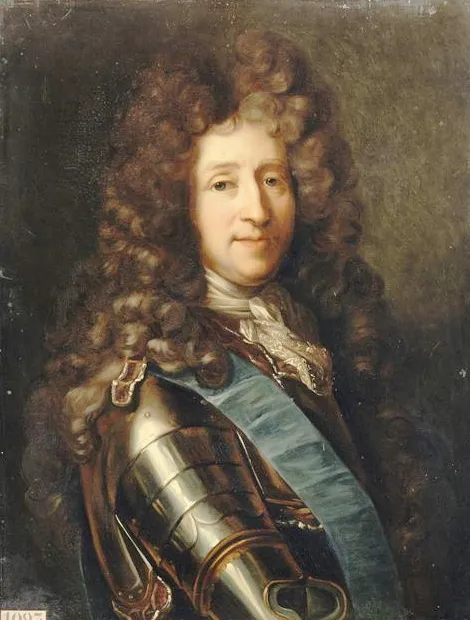
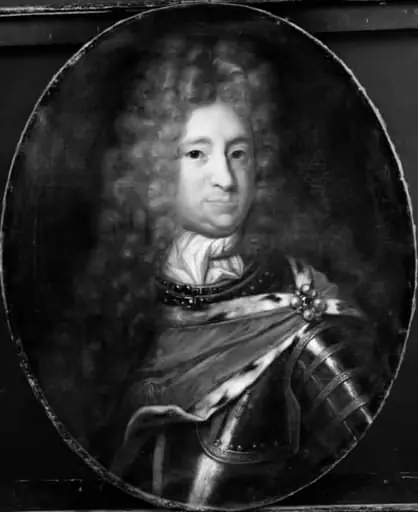
Pierre de Montesquiou, comte d'Artagnan, maréchal de France (1645-1725) is an oil painting by the French Romanticist artist Sophie Rochard. It dates from 1834 and is held in the collection of the Palace of Versailles.
About this work
The painting's use of chiaroscuro, a technique that uses strong contrasts between light and dark, adds depth and dimension to the subject.
This portrait painting depicts a man with long, curly brown hair and a mustache. He is wearing a blue sash over his right shoulder and a brown jacket adorned with gold accents. The background of the painting is dark and shadowy.
The man's attire and hairstyle suggest that he may be a figure from the 17th or 18th century. The painting's use of chiaroscuro, a technique that uses strong contrasts between light and dark, adds depth and dimension to the subject.
The level of detail and realism in the painting suggests that it was created by a skilled artist. If you're interested in learning more about the artist who created this painting, you might want to look up Sophie Rochard.
Overview
This oil painting, completed in 1834 by Sophie Rochard, portrays Pierre de Montesquiou d'Artagnan, a French military officer who rose to the rank of marshal. Though created nearly a century after his death, the portrait seeks to capture his official likeness. It resides in the Palace of Versailles, among other historical portraits of French nobility and military leaders.
Subject & Meaning
The subject, Pierre de Montesquiou d'Artagnan, was a prominent figure in Louis XIV’s court and military. His depiction in ceremonial attire—blue sash, gold-trimmed jacket—emphasizes his status and service to the crown. The portrait functions as a visual record of aristocratic identity, reinforcing his legacy within the institutional memory of the French monarchy.
Technique & Style
Rochard employs chiaroscuro to model the figure with subtle gradations of light and shadow, lending volume and presence to the subject. The dark, unbroken background isolates the figure, focusing attention on his facial expression and richly rendered garments. Fine brushwork captures the texture of fabric and hair, reflecting a commitment to realistic representation typical of early 19th-century portraiture.
History & Provenance
Painted in 1834, the work was likely commissioned as part of a broader effort to document and display the lineage of French military leaders at Versailles. Though created long after d'Artagnan’s death in 1725, it draws on earlier iconography to maintain historical continuity. The painting entered the palace’s collection soon after completion, where it remains today.
Context
In the 1830s, the French monarchy under Louis-Philippe sought to reframe national history through curated displays of royal and military heritage. Portraits like this one were integrated into Versailles’ transformation into a museum of French history, blending commemoration with political symbolism to legitimize the new regime’s connection to the past.
Legacy
Sophie Rochard’s portrait contributes to the visual archive of French military elites, preserving the appearance and status of a figure whose name is often conflated with the fictional d'Artagnan of literature. While not a contemporary likeness, it reflects 19th-century efforts to materialize historical memory through disciplined, formal portraiture.
Artist & collection

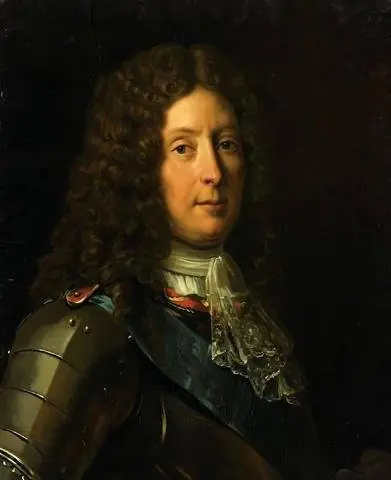 Claude, Count of Choiseul, Marshal of France
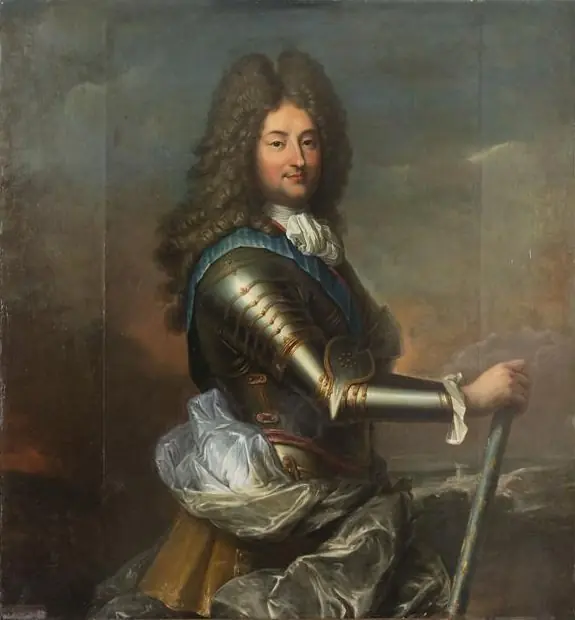 Philippe d'Orléans, duc d'Orléans, Régent (1674-1723)
 Cavaler al ordinului Sfântul Hubertus
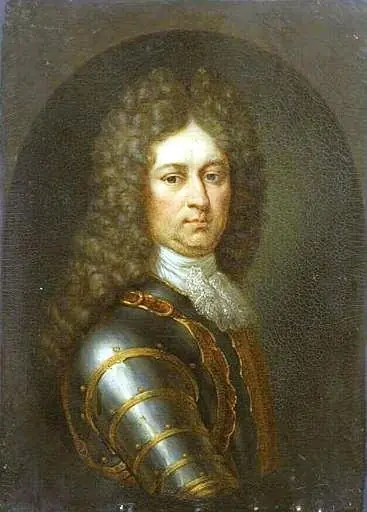 François-Henri de Rougé, marquis du Plessis-Bellière, maréchal de camp (1651-1692)
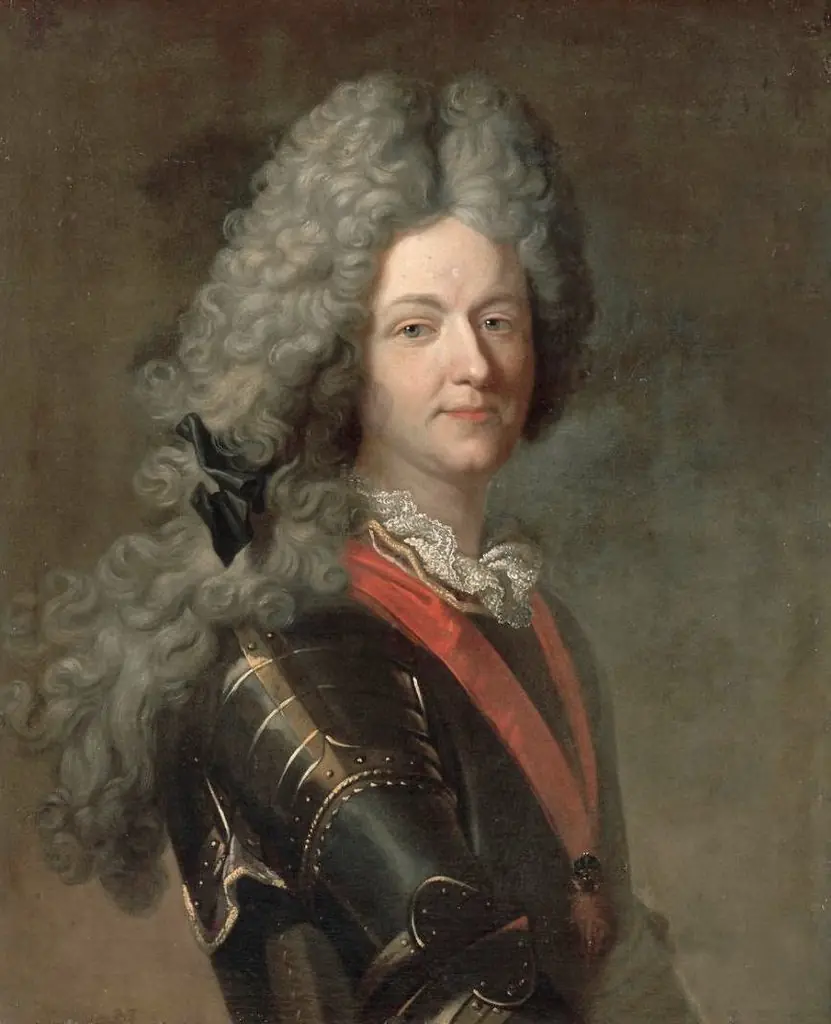 Jacques de Fitz-James, duc de Berwick
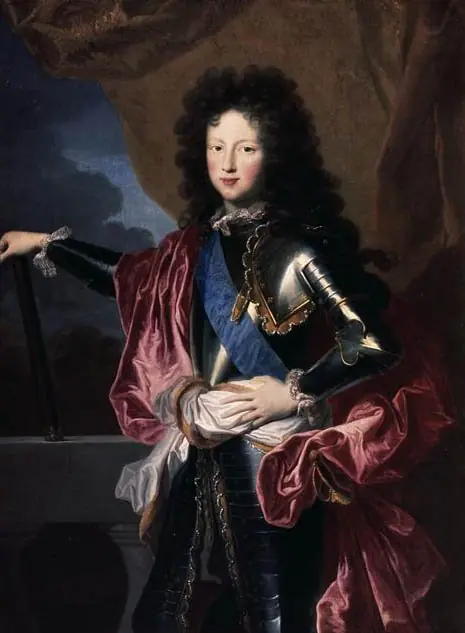 Portrait of Philippe II of Orléans (1674–1723), future regent of France
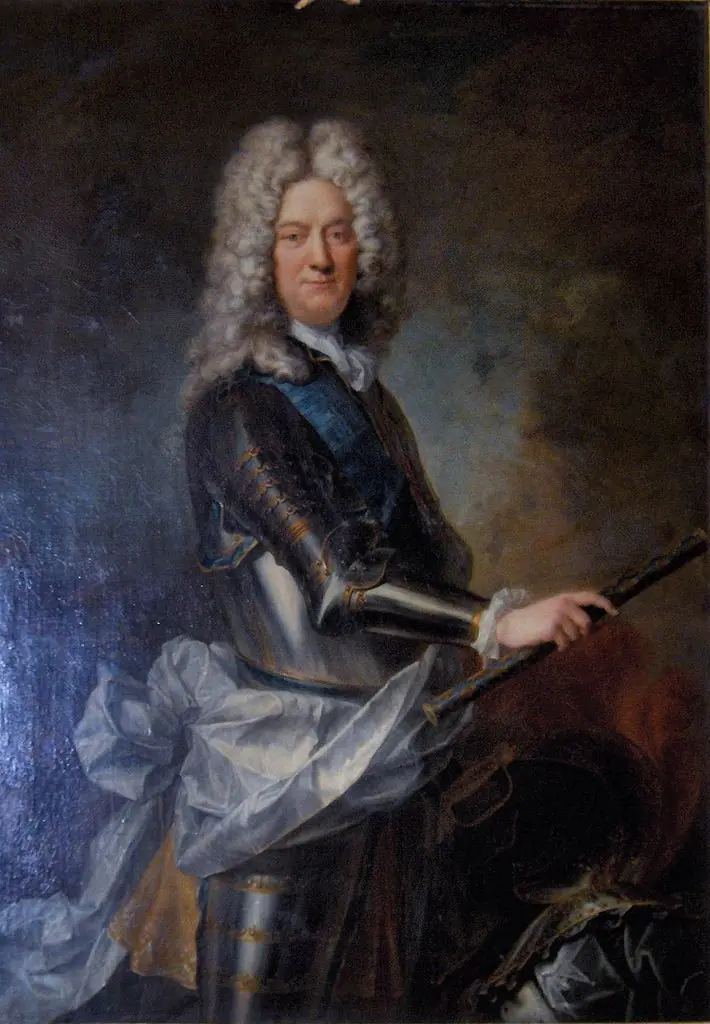 Portrait of Charles-Armand de Gontaut, Duke of Biron, Marshall of France
 Porträt des Anne-Jules, Herzog von Noailles (1650-1708)
 Portrait of King Frederik IV as Prince
 Portrait of Louis of France, Grand Dauphin
 Markgraf Georg Friedrich II von Brandenburg Ansbach
 Hertug Gustaf Adolf til Mechlenborg