Artwork
Cavaler al ordinului Sfântul Hubertus
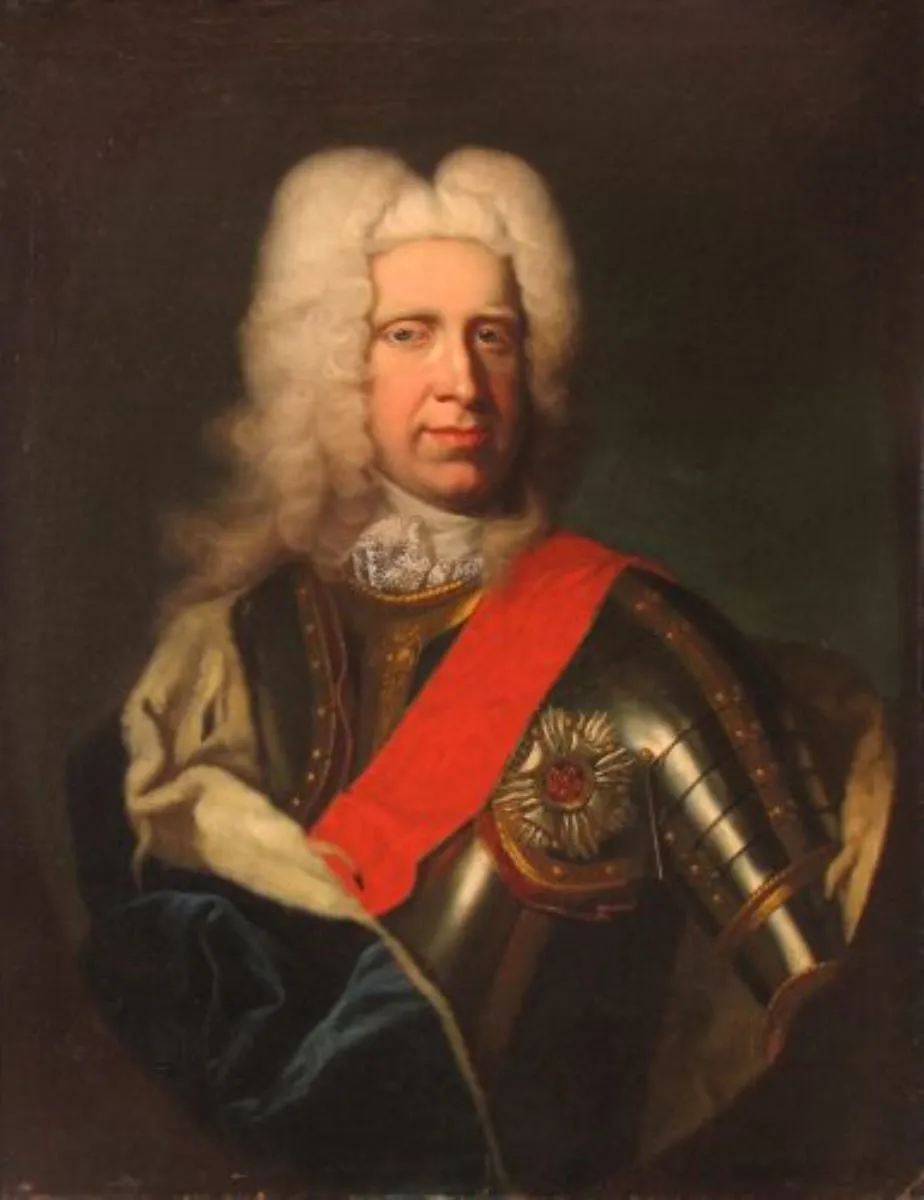
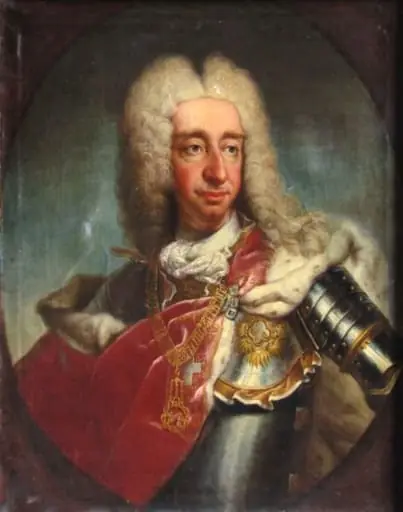
Cavaler al ordinului Sfântul Hubertus is an unspecified painting by the Baroque artist Martin Meytens cel Tânăr. It is held in the collection of the Brukenthal National Museum. This portrait depicts a man in formal attire, likely a member of a chivalric order.
About this work
Overview
This portrait depicts a man in formal attire, likely a member of a chivalric order. His elaborate white wig, dark jacket, and red sash indicate high social standing. A metallic armguard bearing a red star is prominently displayed, signaling a specific honor or rank. The composition isolates the figure against a deep, unbroken background, focusing attention entirely on his presence and regalia.
Subject & Meaning
The subject is identified as a recipient of the Order of Saint Hubertus, a noble chivalric institution associated with hunting and religious devotion. The red star on the armguard is the order’s emblem, worn to denote membership and rank. His composed gaze and restrained posture convey dignity and solemnity, aligning with the order’s ideals of discipline and honor rather than martial display.
Technique & Style
Brushwork is precise, emphasizing texture without overt flourish, reflecting a restrained, aristocratic aesthetic.
The artist employs chiaroscuro to model the figure’s form with subtle gradations of light and shadow, enhancing the three-dimensionality of the wig, fabric, and metal armguard. The dark background intensifies the contrast, drawing the eye to the luminous details of the sash and insignia. Brushwork is precise, emphasizing texture without overt flourish, reflecting a restrained, aristocratic aesthetic.
History & Provenance
The portrait likely dates to the 18th century, when the Order of Saint Hubertus remained active among European nobility, particularly in the Low Countries and the Rhineland. Its subject was probably a regional noble or court official granted membership. The work’s origin is tied to private commissions, common among members seeking to document their honors in formal portraiture.
Context
The Order of Saint Hubertus, founded in the early 15th century, was one of several dynastic orders that merged religious symbolism with aristocratic privilege. By the 1700s, its ceremonial role had outgrown its original hunting associations, becoming a marker of loyalty to ruling houses. Portraits like this served as visual affirmations of status within tightly controlled noble hierarchies.
Legacy
This portrait contributes to a broader tradition of chivalric portraiture that documented membership in elite orders. While the order itself faded after the 19th century, such images remain valuable records of how nobility visually encoded authority, piety, and lineage. The work’s simplicity and focus reflect a shift toward understated dignity over flamboyant display in later portraiture.
Artist & collection
Artist
Martin Meytens the Younger painted formal portraits of European nobles in the early 18th century.

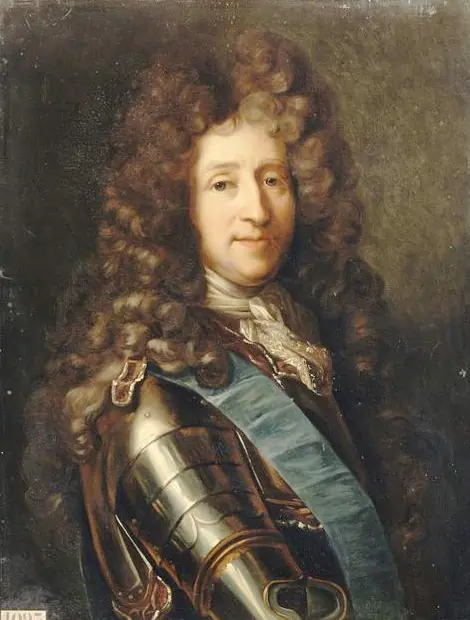 Pierre de Montesquiou, comte d'Artagnan, maréchal de France (1645-1725)
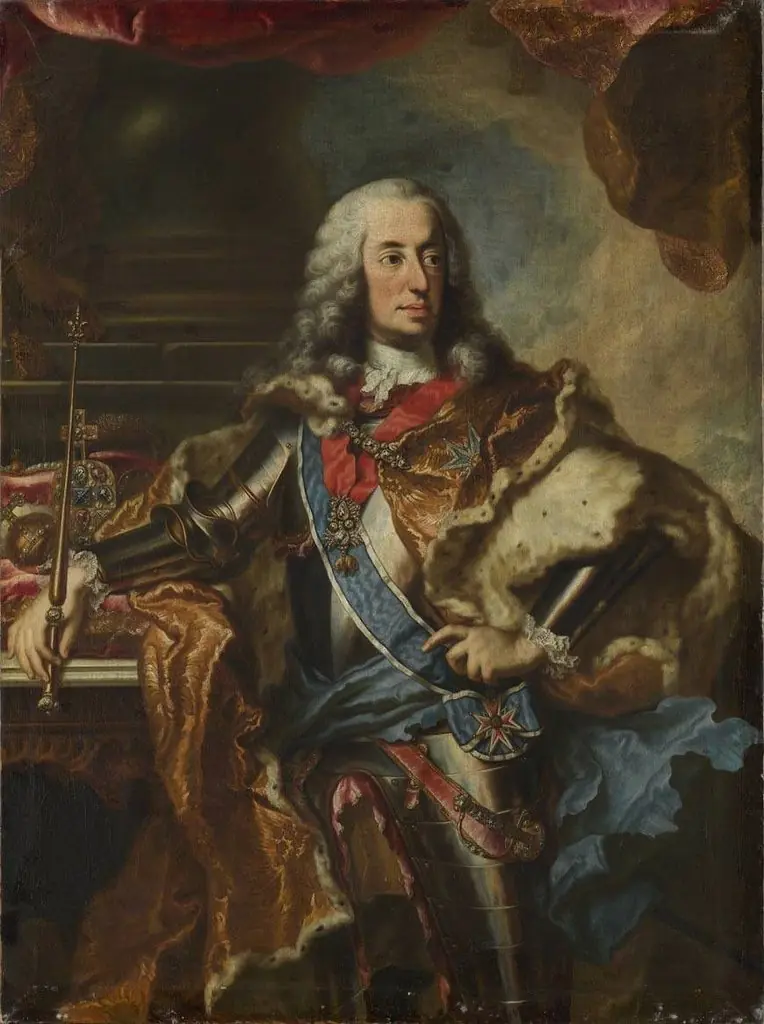 Kurfürst Karl Albrecht als Kaiser Karl VII. (1697-1745)
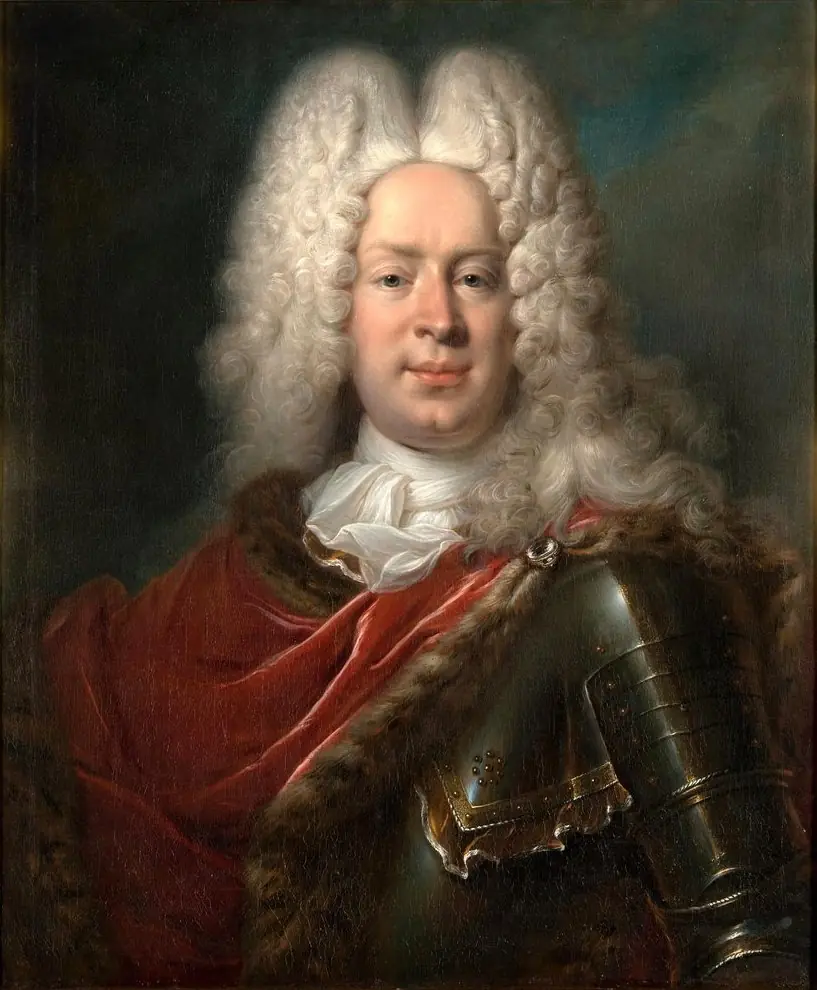 Portrait of Count Georg Wilhelm Werthern
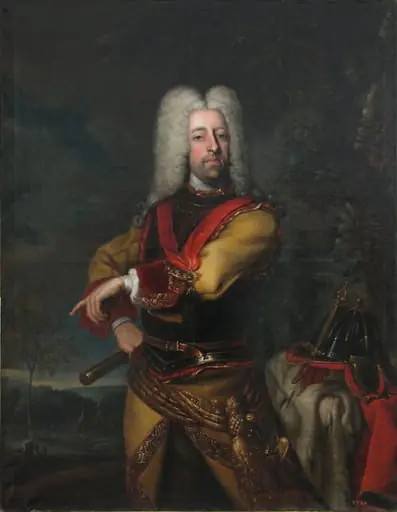 Principele Johann Georg Christian von Lobkowitz, general-comandant în Transilvaniei (în Registrul inventar: Principele Georg Christian von Lobkowitz).Pandant: Marie Henriette von Waldstein-Wartenburg, soția principelui Johann Georg Christian von Lobkowitz
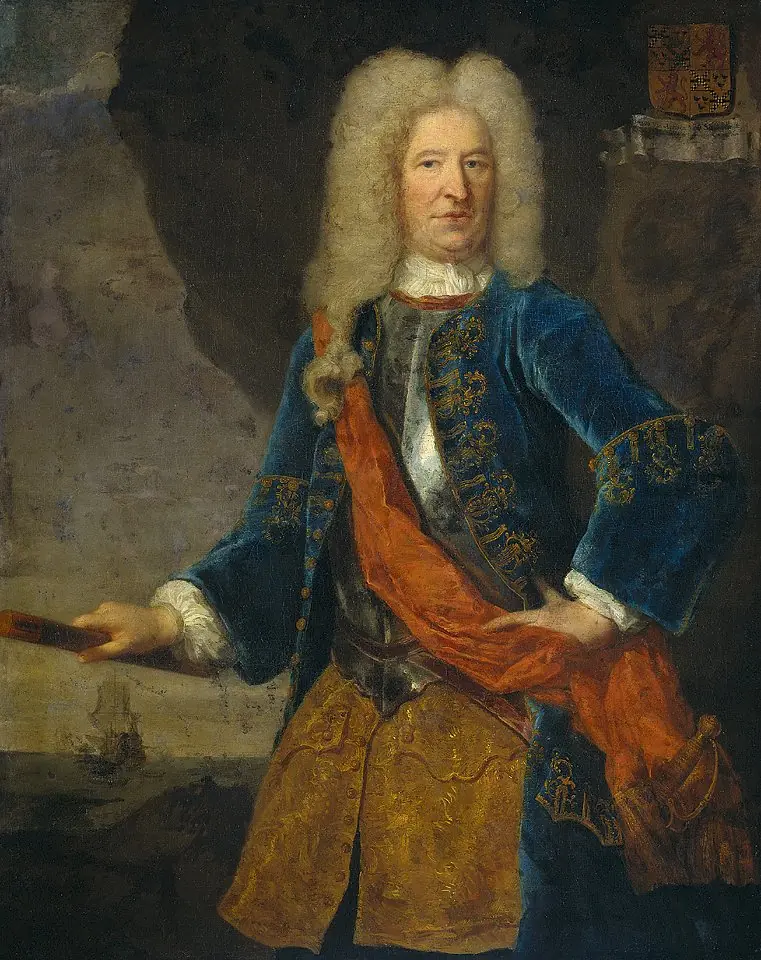 Portrait of François van Aerssen, Lord of Sommelsdijk, Vice-Admiral of Holland and West-Friesland
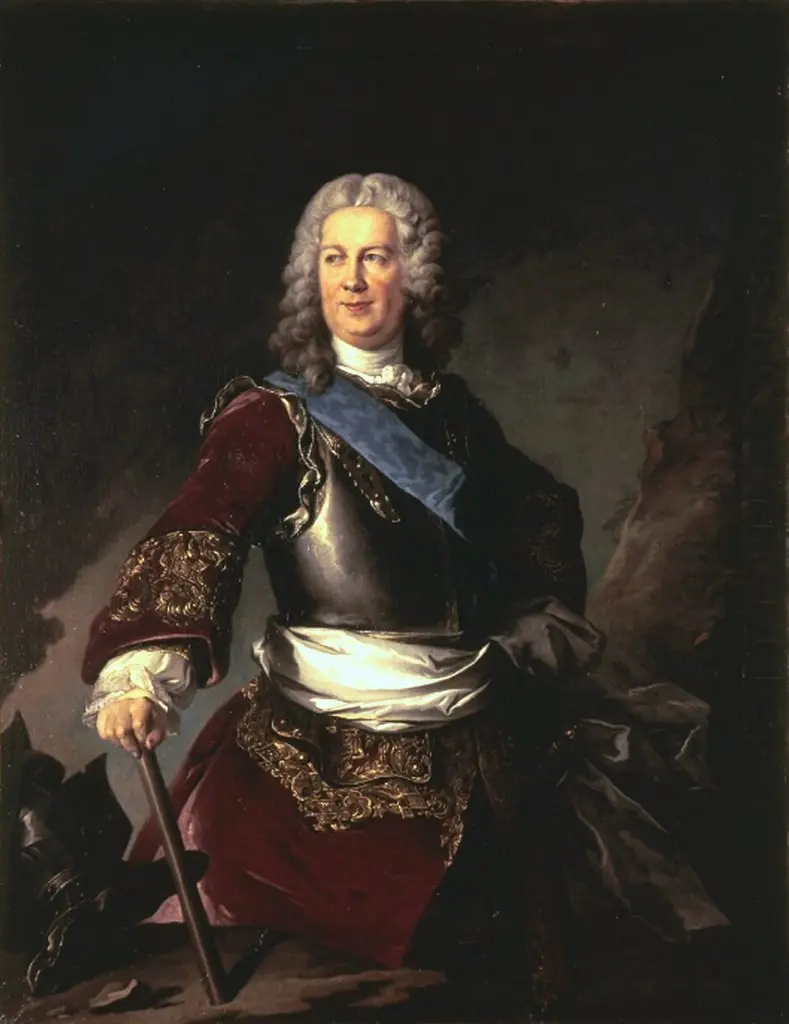 Thomas Goyon de Matignon (1684-1766), comte de Gacé, seigneur de Briquebec, Brigadier des armées du Roi en 1719.
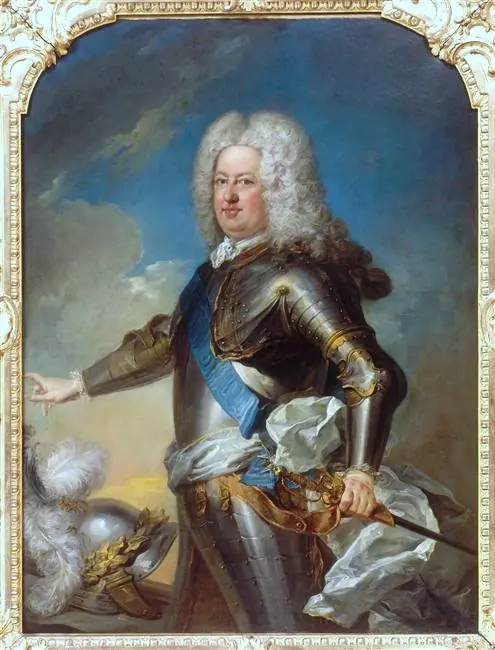 Portrait of Stanisław Leszczyński (1677-1766), King of Poland
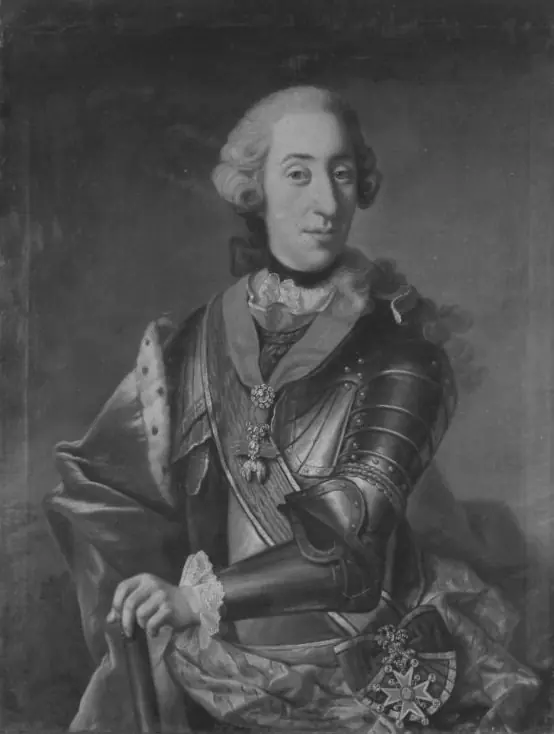 Clement Francis of Bavaria
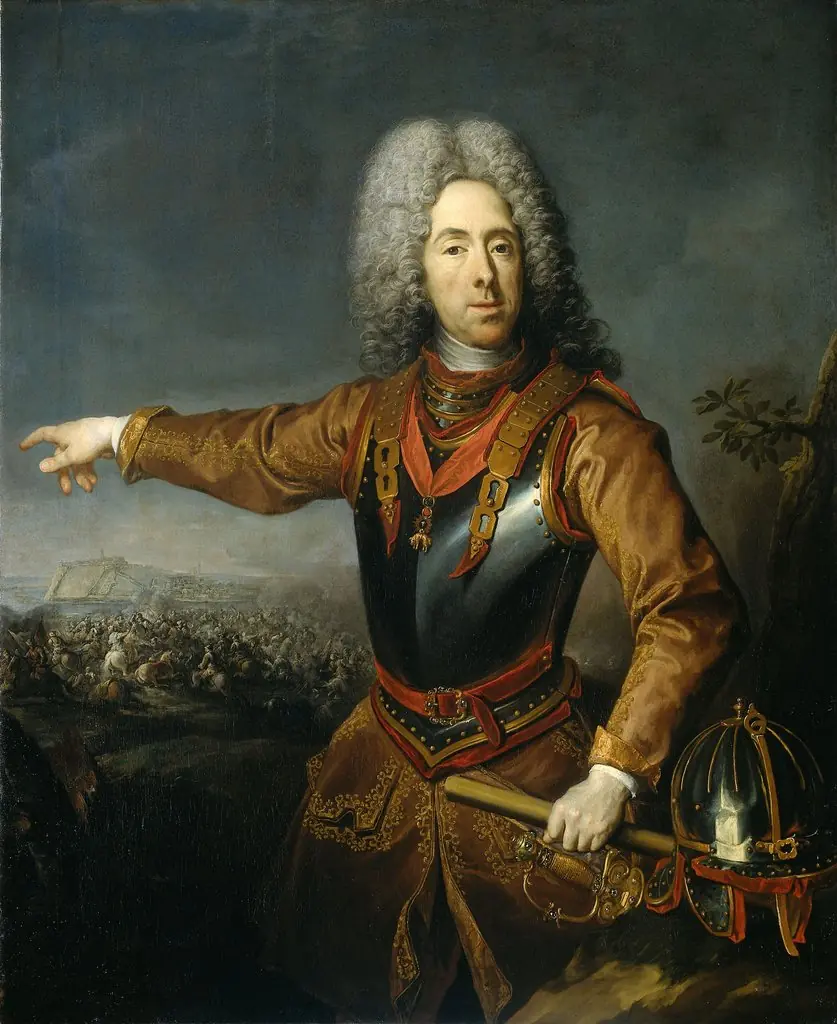 Portrait of Eugene, Prince of Savoy
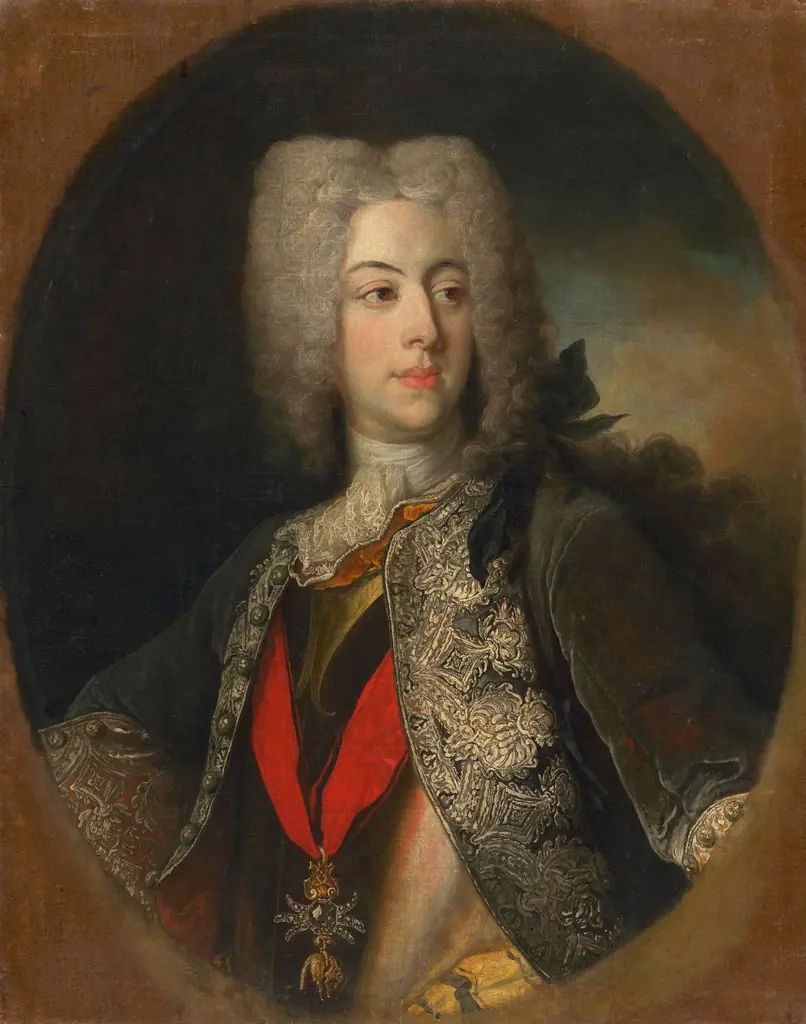 Elector Charles Albert of Baviera
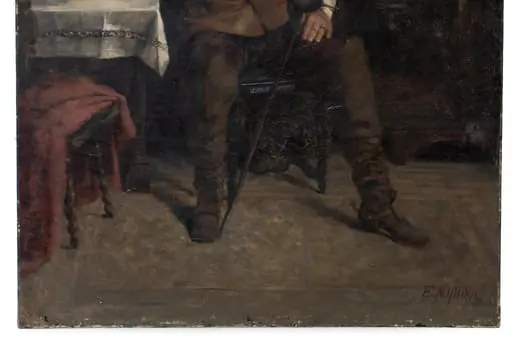 Un cavaler - Porthos