Artwork
Antoine III, duc de Gramont, maréchal de France (1604-1678)
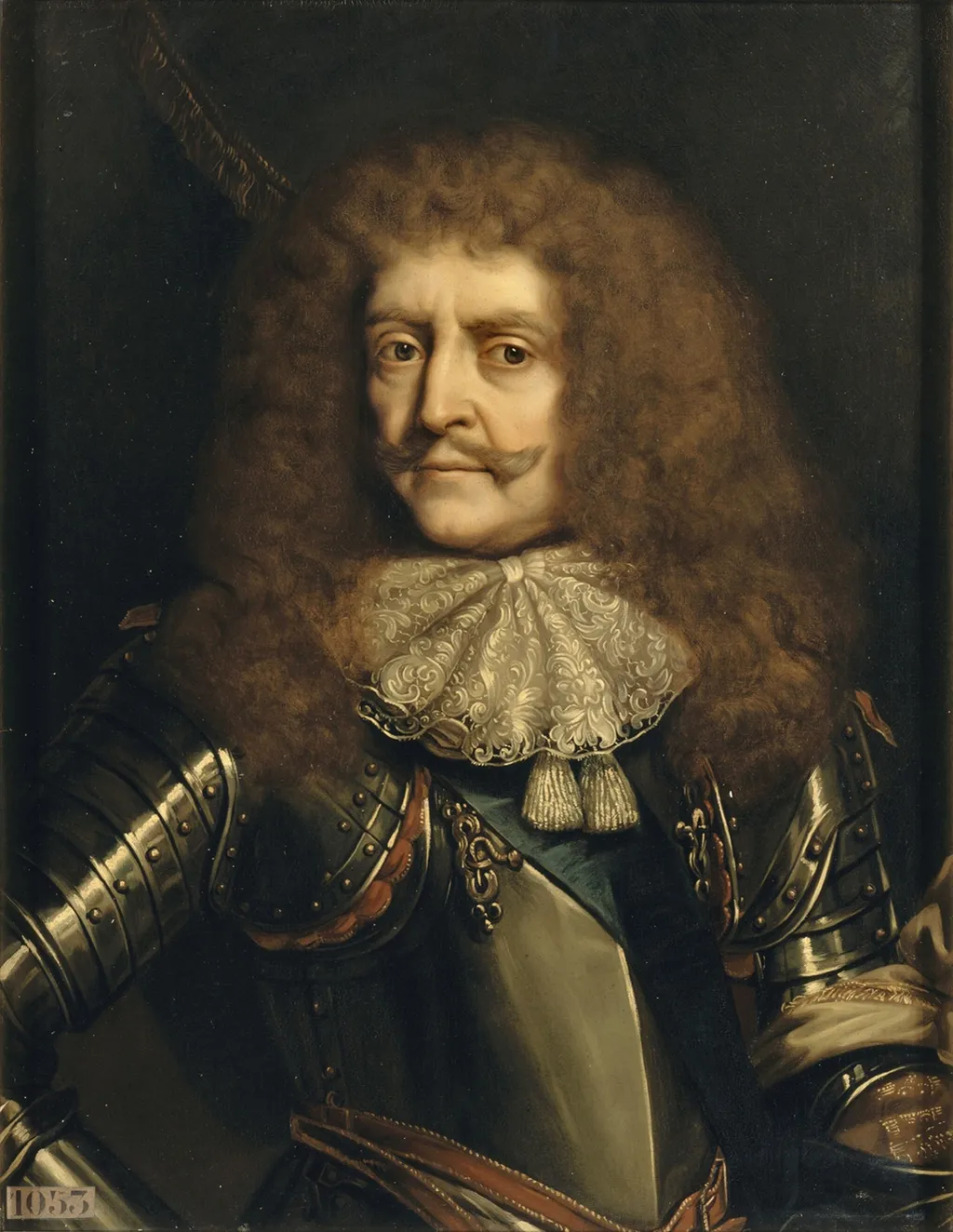
Antoine III, duc de Gramont, maréchal de France (1604-1678) is an oil painting by the French Romanticist artist Sophie Rochard. It dates from 1834 and is held in the collection of the Palace of Versailles.
About this work
Overview
This oil portrait, painted in 1834 by Sophie Rochard, presents Antoine III de Gramont, a French nobleman and marshal who died in 1678.
This oil portrait, painted in 1834 by Sophie Rochard, presents Antoine III de Gramont, a French nobleman and marshal who died in 1678. Though created nearly two centuries after his death, the work serves as a retrospective representation, capturing his status through formal dress and composed demeanor. The painting resides in the Palace of Versailles, among its collection of historical portraiture.
Subject & Meaning
Antoine III de Gramont is depicted as a figure of military and aristocratic authority. His attire—dark jacket with gold trim, white ruffled collar, and gauntlets—signals his rank and connection to courtly tradition. The direct gaze and neutral expression convey stoic dignity, aligning with the expected gravitas of a marshal of France, even as the portrait reflects 19th-century ideals of historical reverence.
Technique & Style
Rochard employs precise brushwork to render fabric textures and fine details of the collar and gauntlets. The dark, unmodulated background isolates the figure, drawing focus to his attire and facial features. The lighting is even and controlled, avoiding dramatic contrasts, which reflects a scholarly, rather than theatrical, approach to historical portraiture typical of early 19th-century academic practice.
History & Provenance
Commissioned in 1834, the portrait was likely part of a broader effort to visually document France’s military elite for display at Versailles. As a posthumous image, it draws on earlier engravings or descriptions rather than direct observation. Its placement in the palace underscores its role in constructing a continuous narrative of French nobility and state service.
Context
During the 1830s, the French monarchy under Louis-Philippe sought to legitimize its rule by reviving symbols of pre-revolutionary grandeur. Portraits of historical figures like Gramont were commissioned to reinforce continuity between the Ancien Régime and the July Monarchy. Rochard’s work fits within this state-sponsored project of historical memory.
Legacy
The portrait remains a reference for understanding how 19th-century artists interpreted 17th-century figures through the lens of contemporary aesthetics. While not contemporary to Gramont, it preserves his public image as defined by later generations. It contributes to the visual archive of French military nobility housed at Versailles.
Own this work as a print
Artist & collection

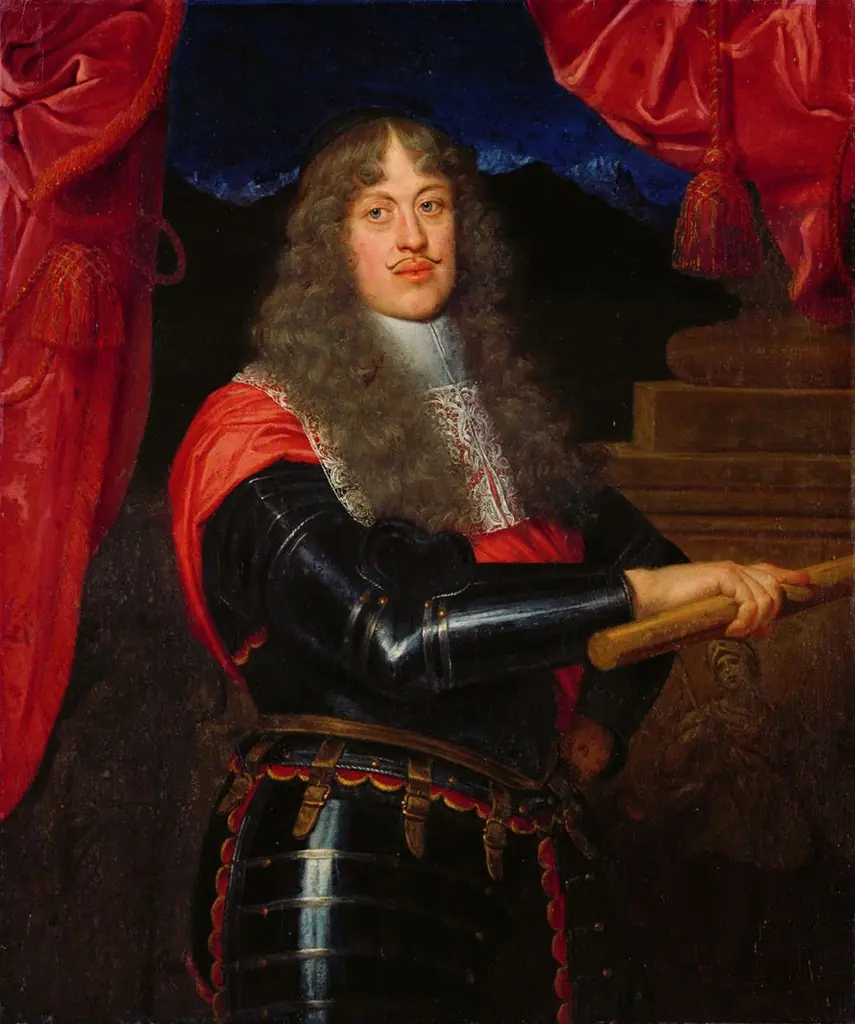 Erzherzog Sigismund Franz (1630-1665) im Harnisch, Kniestück
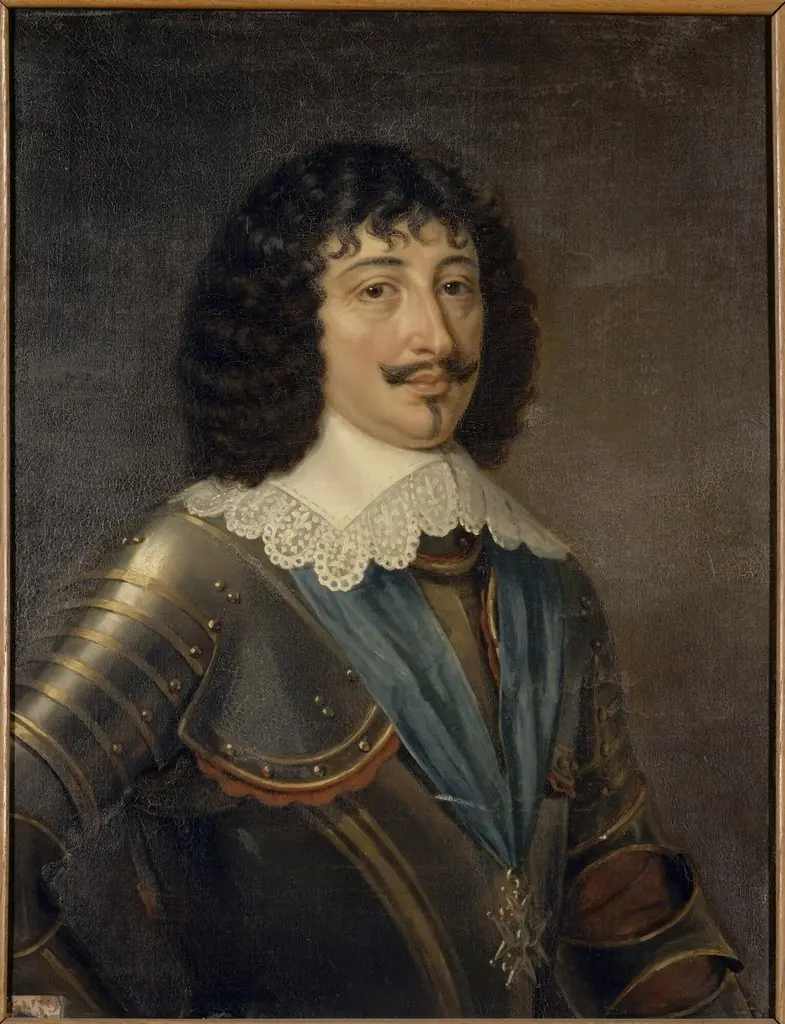 Urbain de Maillé, Marquis de Brézé, Marshal of France (1597-1650)
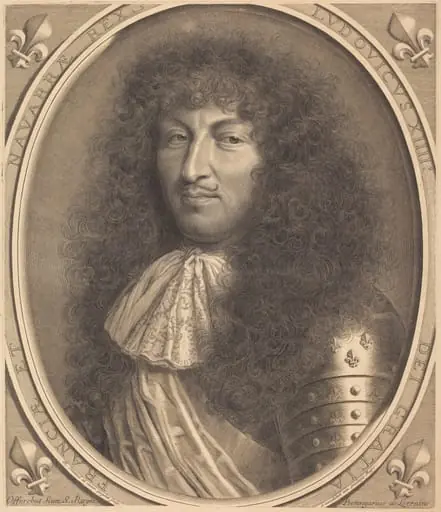
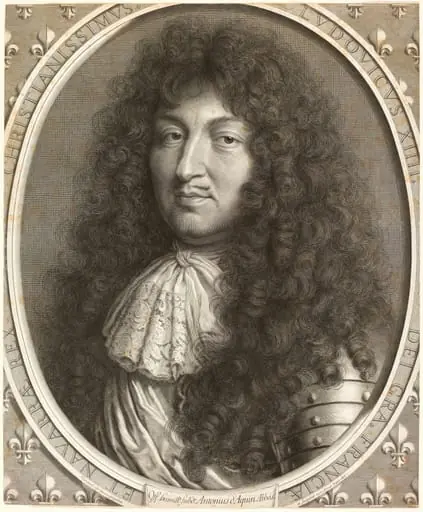 Louis XIV
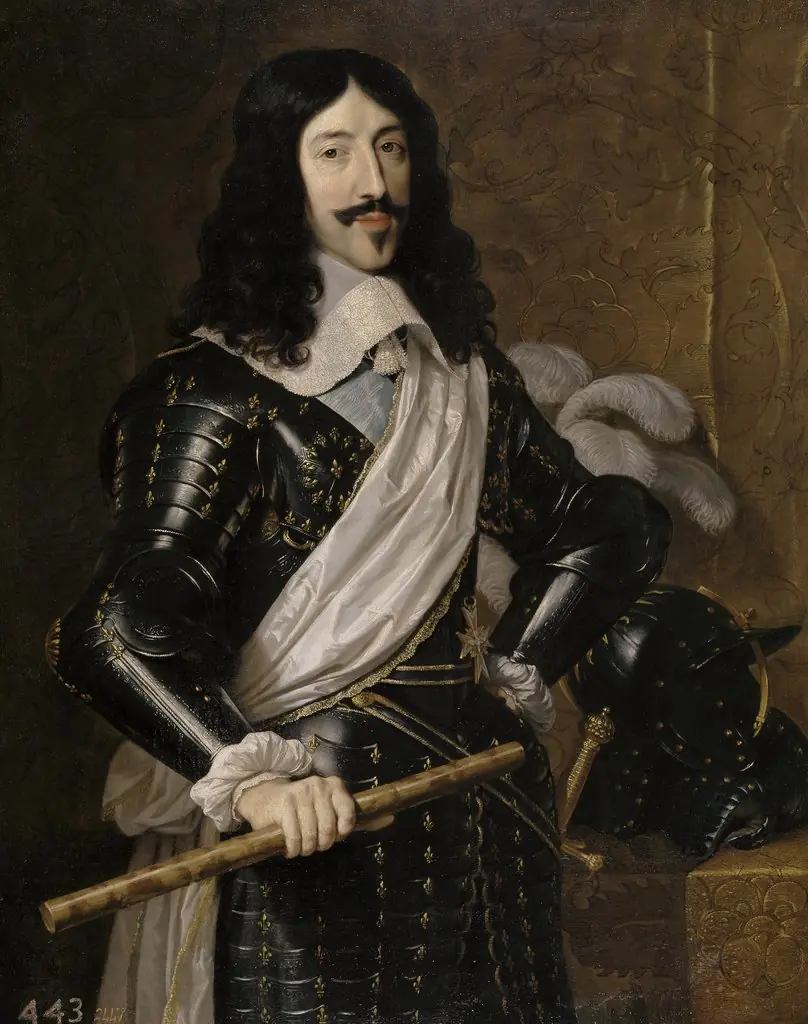 Louis XIII, King of France
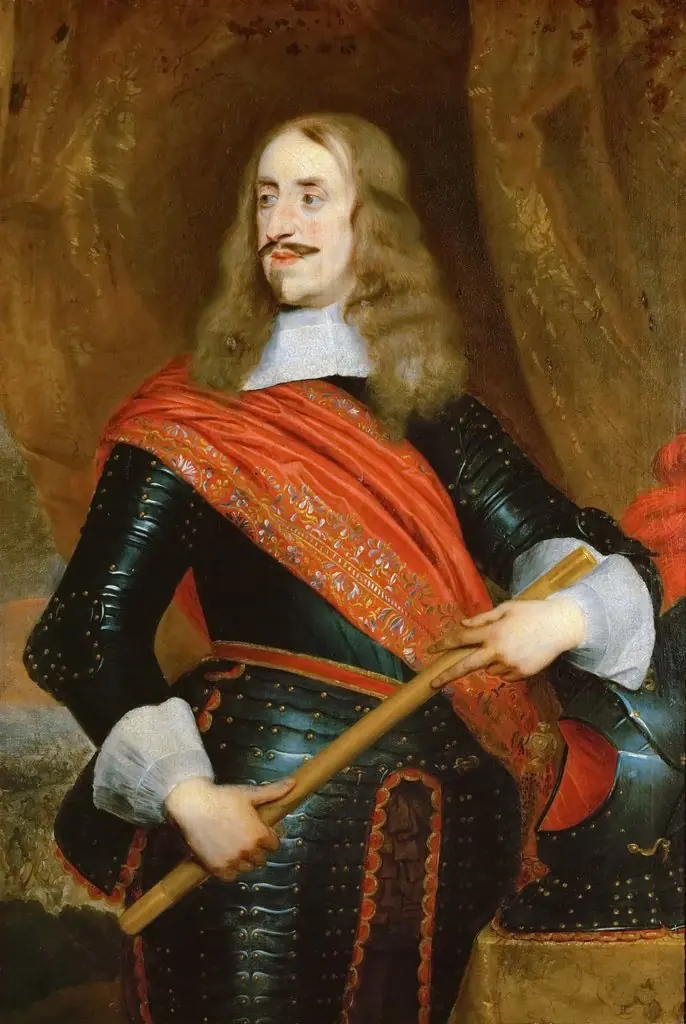 Portrait of Archduke Leopold Wilhelm (1614-1662)
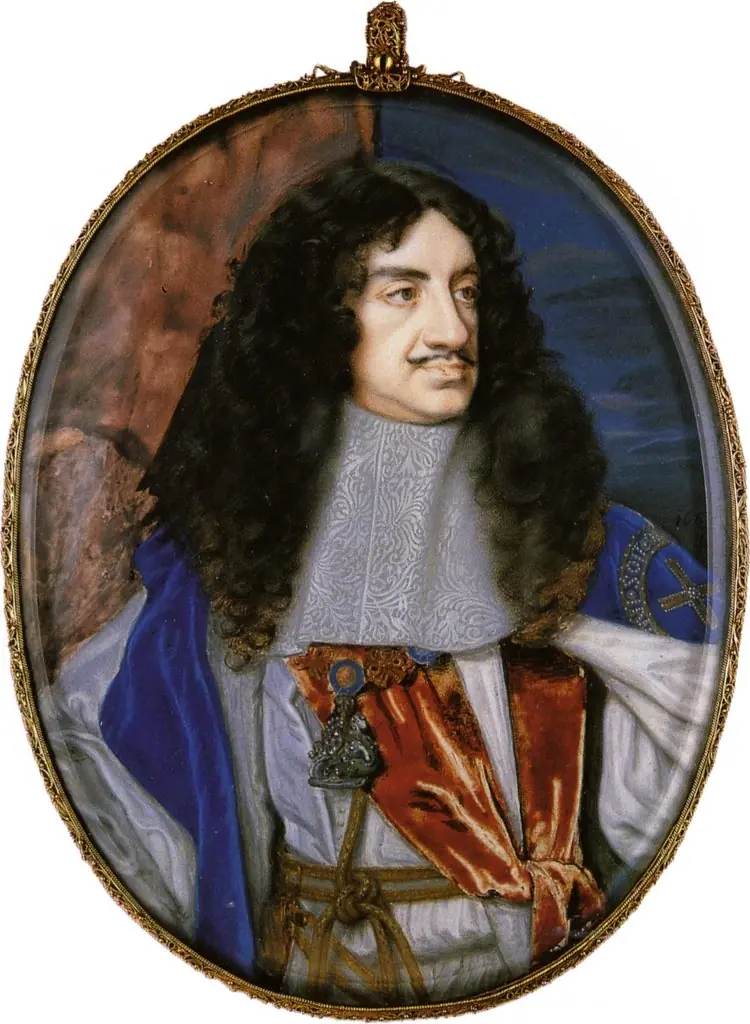 Portrait of Charles II (1630-1685) in royal robes.
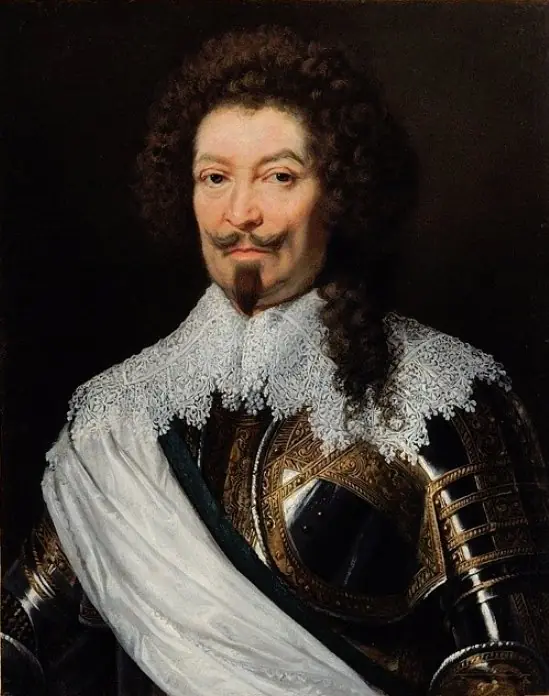 Portrait of Charles de Lorraine, fourth Duke of Guise in armour
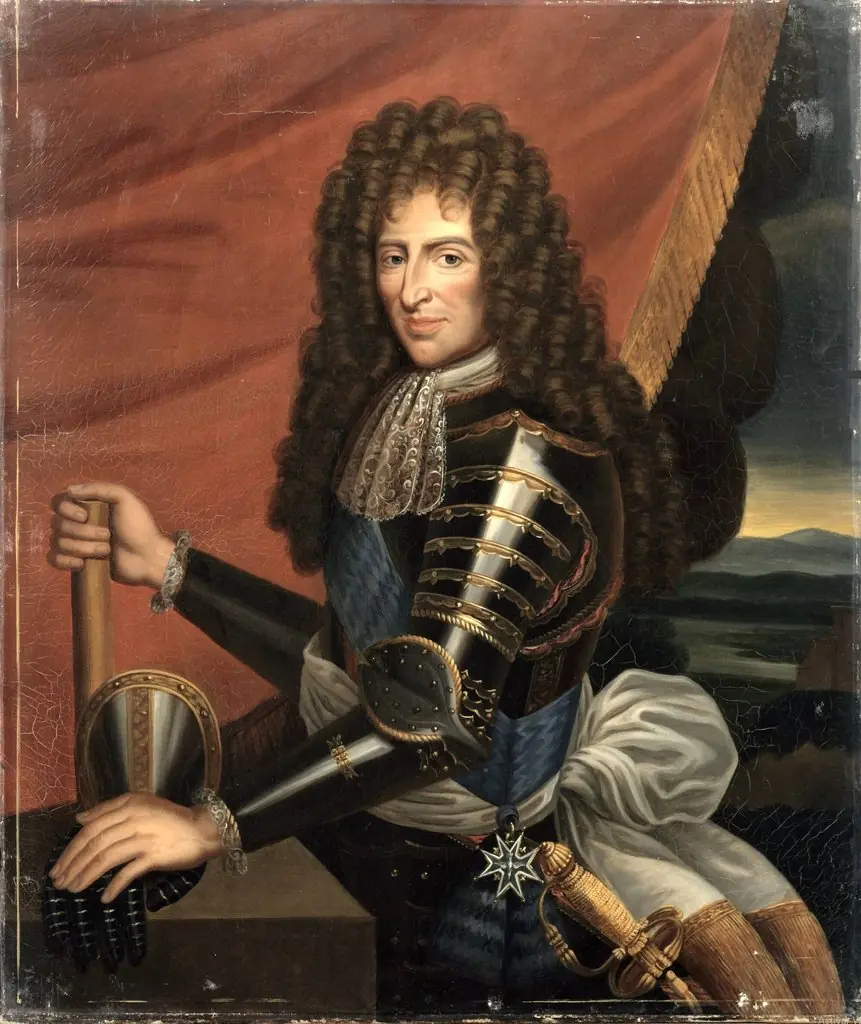 Claude de Thiard (1620-1701), comte de Bissy
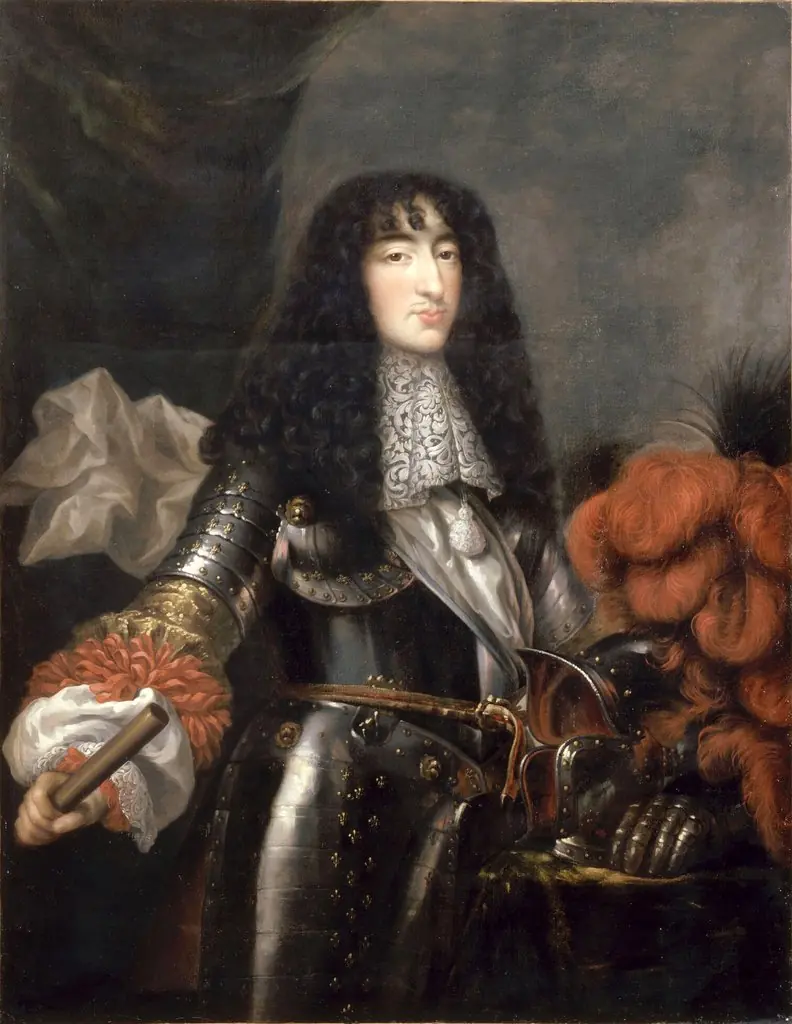 Philippe of France, Duke of Orleans
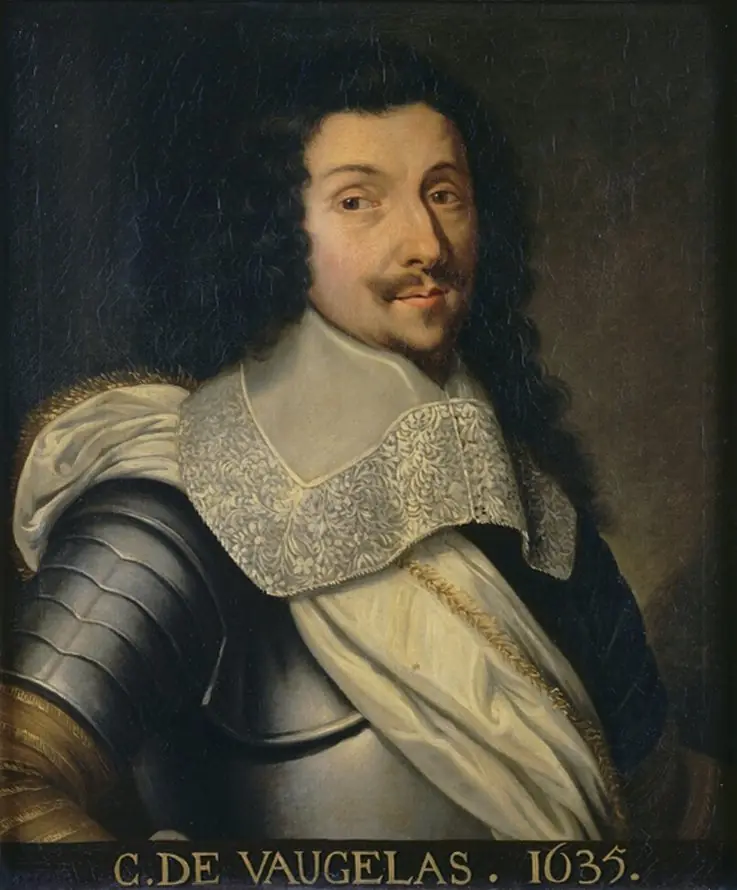 Claude Fabre, seigneur de Vaugelas (1585-1650), grammairien, membre de l'Académie française
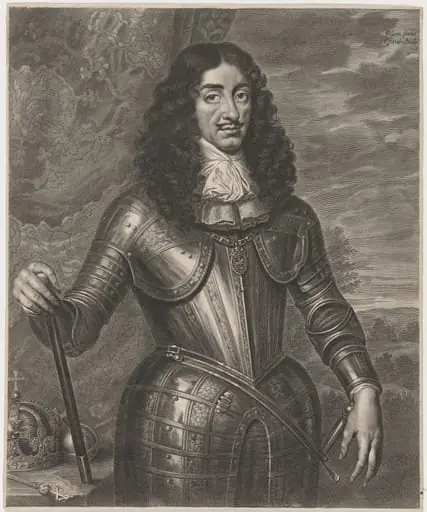 Charles II
 Louis XIV