Artwork
Erasmus of Rotterdam
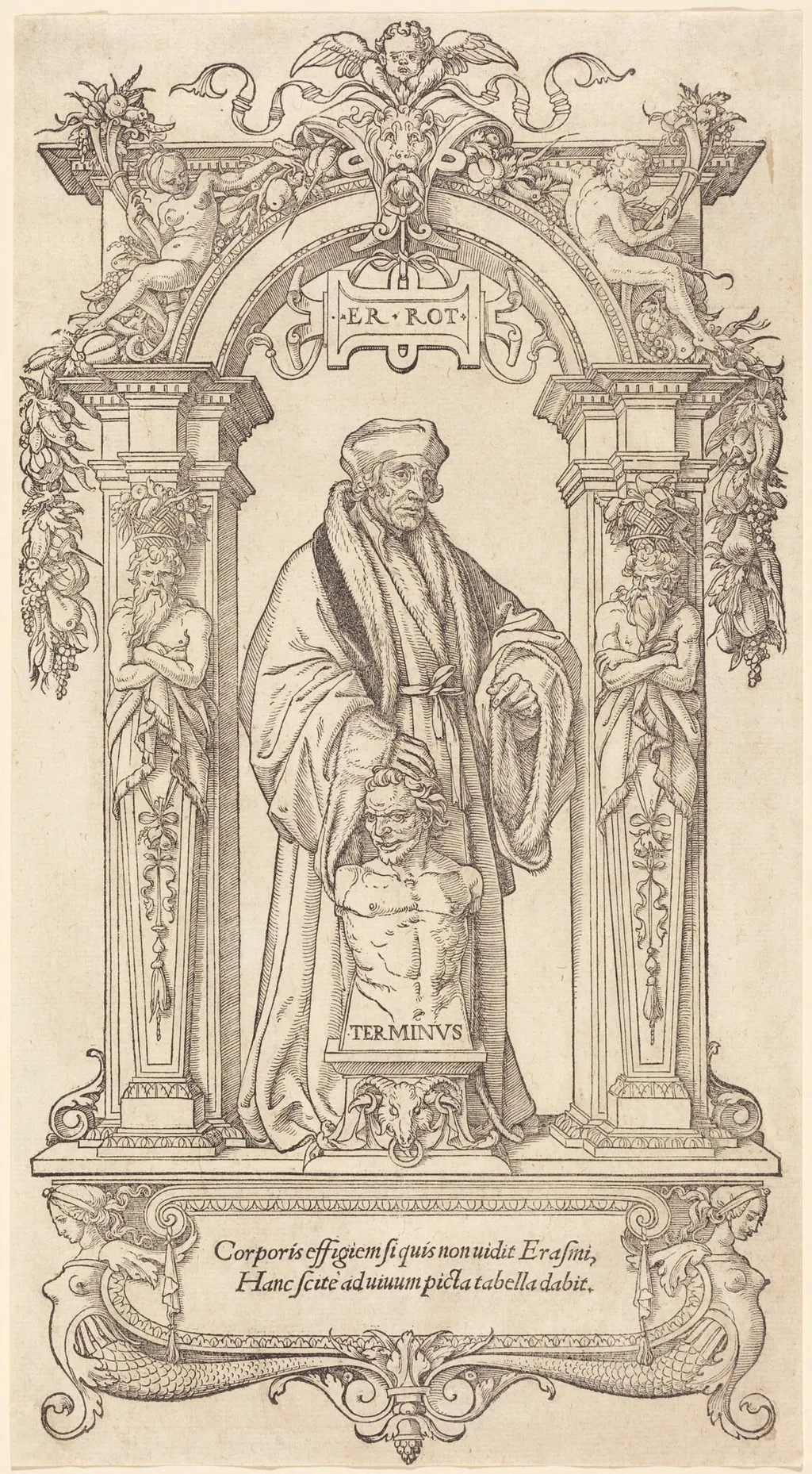
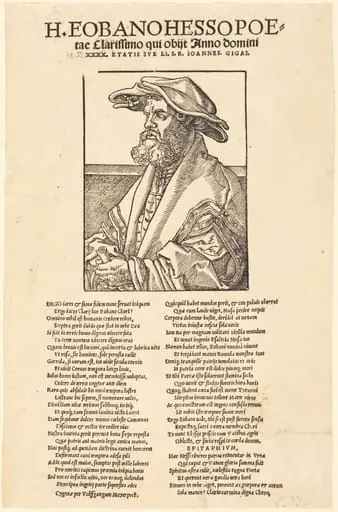
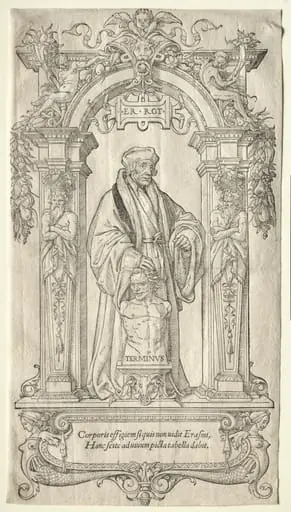
Erasmus of Rotterdam is an ink print by the Renaissance artist Veit Specklin. It dates from 1538 and is held in the collection of the National Gallery of Art.
About this work
Overview
Veit Specklin’s woodcut of Erasmus of Rotterdam, dated to around 1538, presents the Dutch humanist in a dignified pose. Executed on laid paper, the image captures Erasmus with a solemn expression, dressed in period attire and clutching a book, underscoring his reputation as a scholar and reformer.
Subject & Meaning
The portrait emphasizes Erasmus’s intellectual stature by foregrounding a volume, a common symbol of learning in the sixteenth century. His austere facial expression and modest clothing convey seriousness and humility, qualities associated with his theological and humanist contributions.
Technique & Style
Created through the woodcut process, the image relies on carved relief blocks to produce bold lines and stark contrasts on laid paper. Specklin’s handling of detail—particularly in the folds of the garment and the book’s binding—reflects the precision typical of Northern European printmaking of the period.
History & Provenance
The work originates from the early Reformation era, a time when printed portraits circulated widely to disseminate the likenesses of prominent thinkers. While specific ownership records are scarce, the print likely served both as a devotional object for admirers of Erasmus and as a means of promoting his ideas across Europe.
Artist & collection