Artwork
Philipp Melanchthon
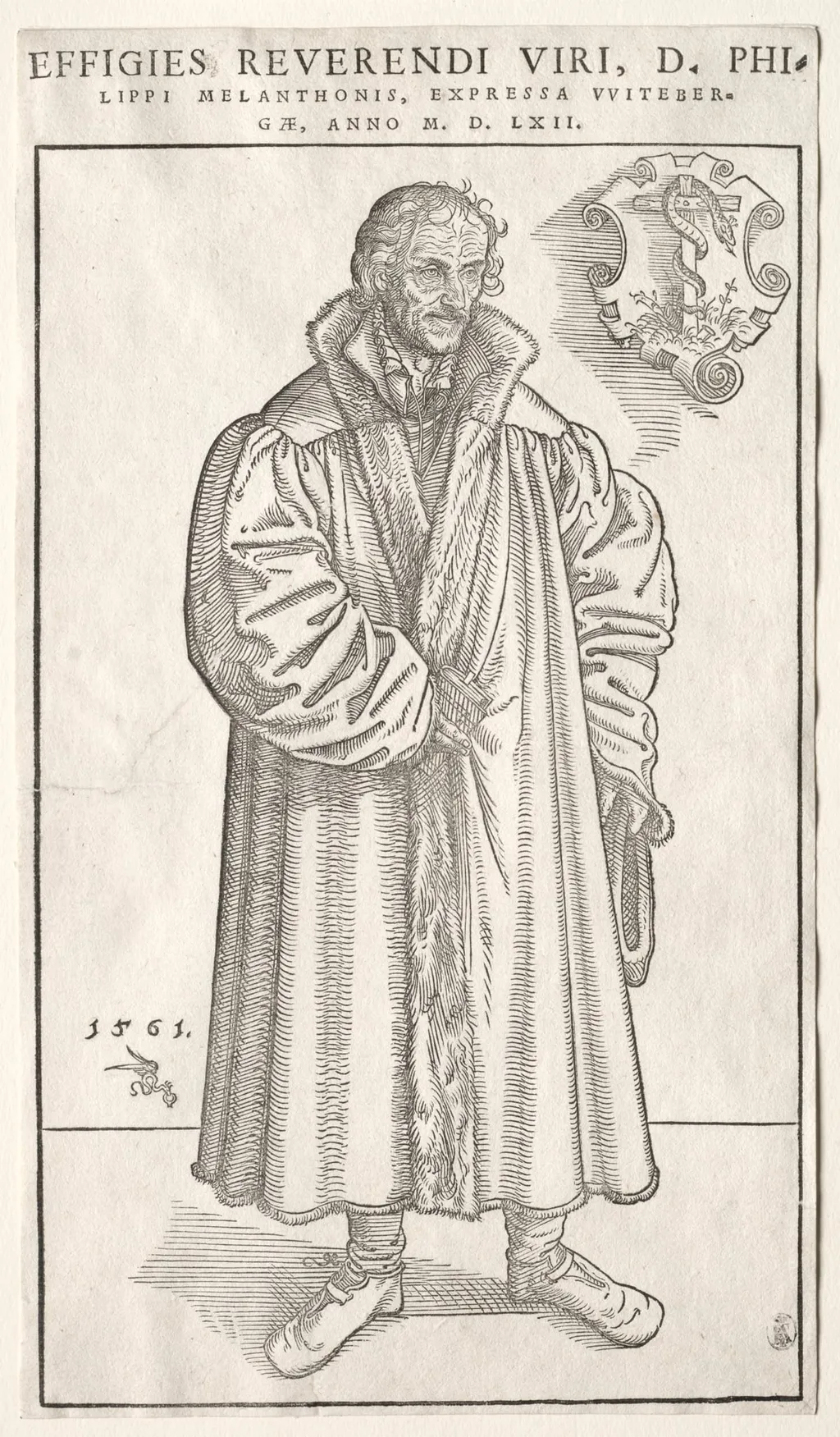
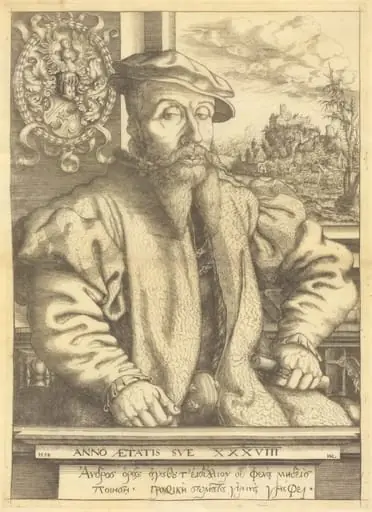
Philipp Melanchthon is a print by Lucas Cranach the Younger. It dates from 1560 and is held in the collection of the Cleveland Museum of Art.
About this work
Overview
Created around 1560, this portrait is attributed to Lucas Cranach the Younger, who continued the workshop traditions of his father. It presents Philipp Melanchthon, a prominent theologian and humanist of the Protestant Reformation, rendered in the characteristic German Renaissance style of the mid‑sixteenth century.
Subject & Meaning
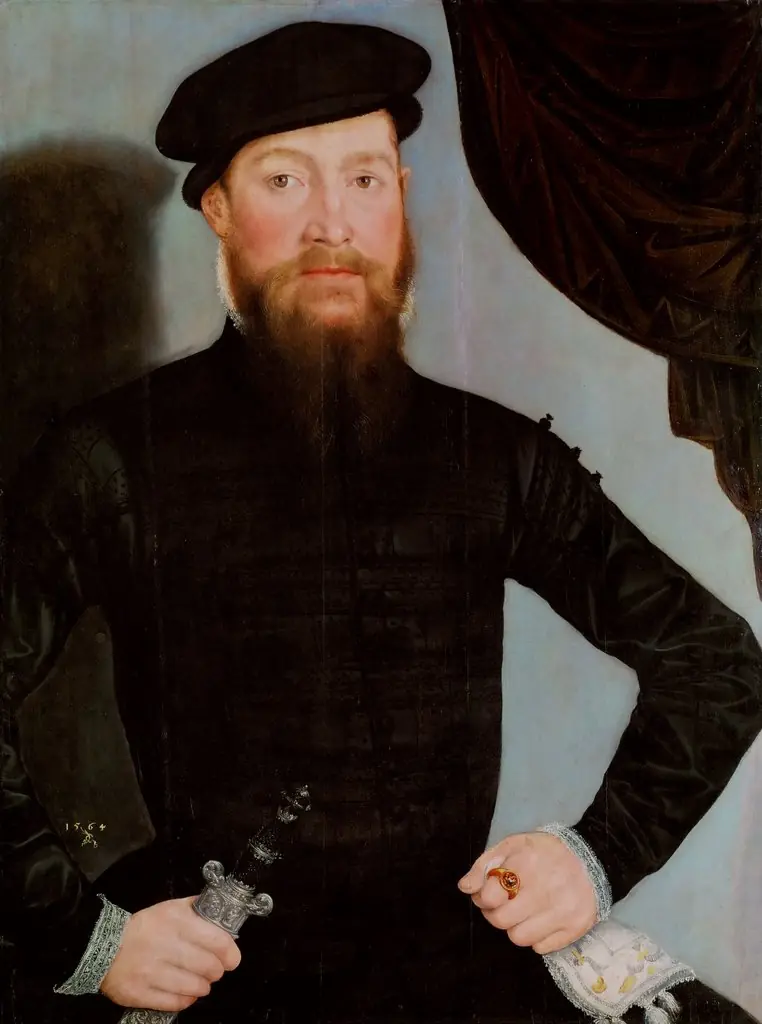
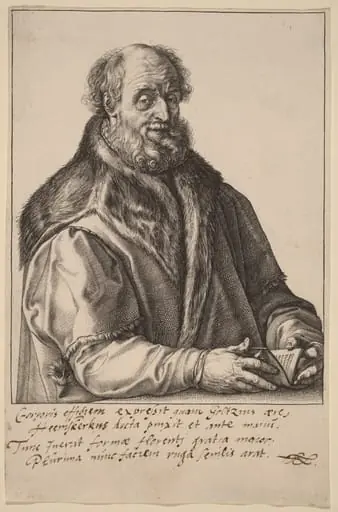
The sitter is shown from the waist upward, wearing a long coat edged with fur, his hands clasped before him. His solemn expression and dignified bearing reflect Melanchthon’s reputation as a scholarly statesman and a key intellectual partner of Martin Luther.
Technique & Style
Cranach employs a restrained chiaroscuro, allowing a subtle shadow to fall behind the figure and give the composition a modest three‑dimensionality. The careful modeling of the face and the fine rendering of the fur‑trimmed garment illustrate the artist’s skill in balancing realism with the formal conventions of portraiture.
History & Provenance
The work originates from the German Renaissance period, when Cranach the Younger was active as a court painter and portraitist. Though specific ownership records are limited, the portrait has been associated with collections documenting the visual culture of the Reformation and the legacy of Melanchthon’s intellectual contributions.
Artist & collection
Artist
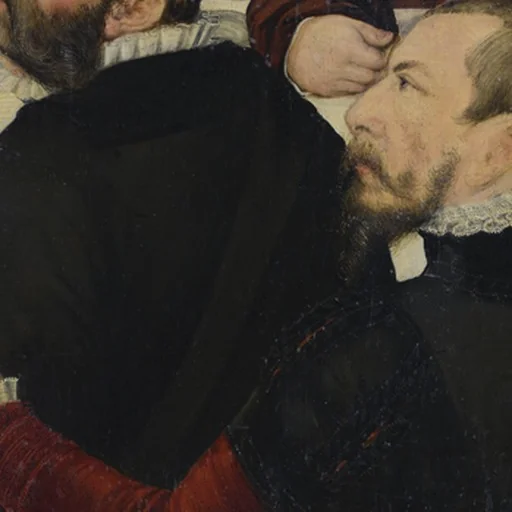
Lucas Cranach the Younger (German: Lucas Cranach der Jüngere, IPA: ; 4 October 1515 – 25 January 1586) was a German Renaissance painter and portraitist, the son of Lucas Cranach the Elder and brother of Hans Cranach.