Artwork
Poiana Țapului
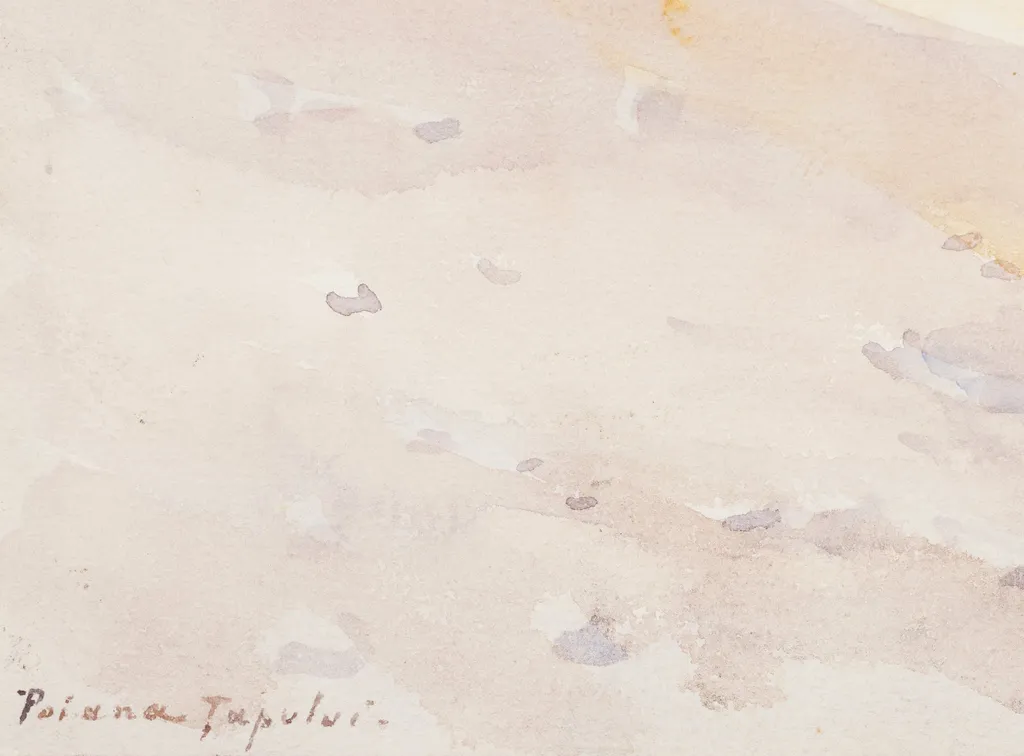
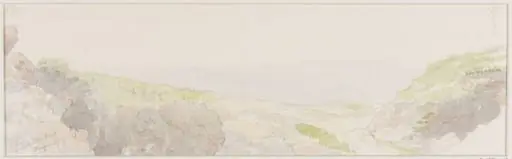
Poiana Țapului is an unspecified painting by Emil Sperlich. It dates from 1850 and is held in the collection of the National Museum of Art of Romania.
About this work
Overview
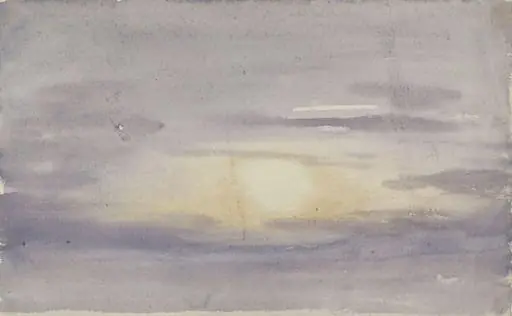
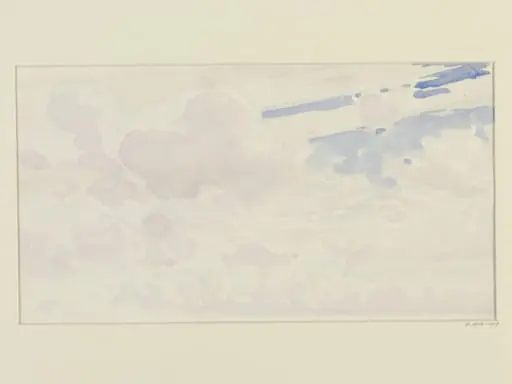
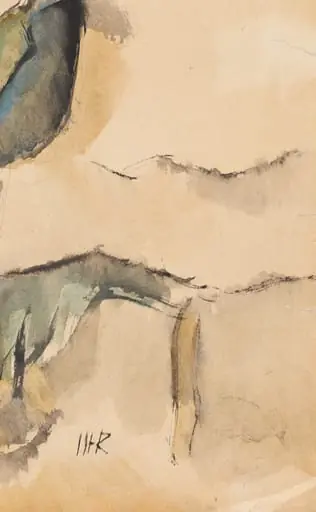
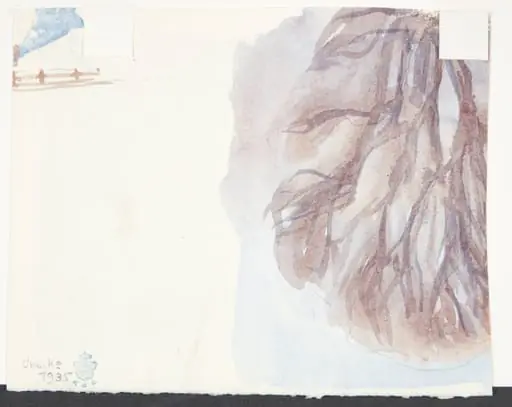
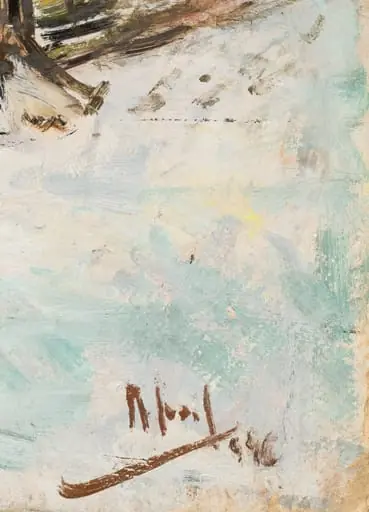
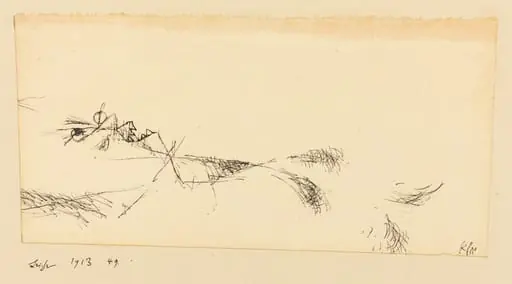
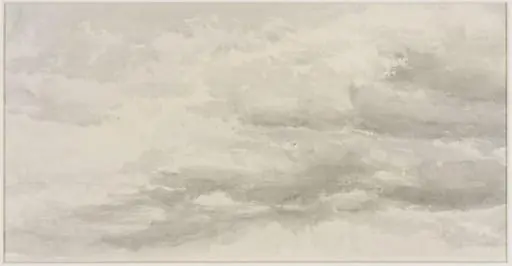
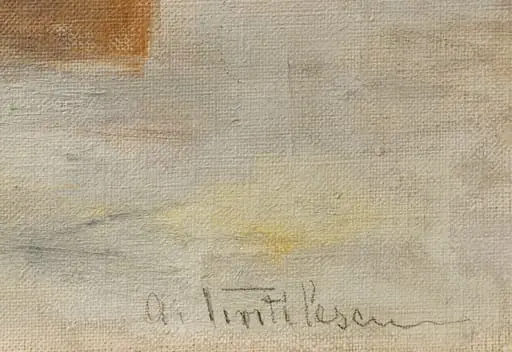
Emil Sperlich’s work titled Poiana Țapului dates to around 1850. The piece consists of a lightly toned canvas where muted beige and gray hues merge in a soft, almost imperceptible manner. A modest inscription of the title appears in the lower corner, rendered in uneven, hand‑drawn lettering. The overall effect suggests a preliminary exploration rather than a polished final composition.
Technique & Style
The surface is treated with extremely thin layers of paint, giving the work a translucent quality reminiscent of the sfumato approach, though applied in a markedly restrained fashion. Brushwork is minimal, producing barely defined shapes that hint at forms without detailing them. This economy of material creates a sense of atmospheric depth despite the painting’s seemingly unfinished appearance.
Subject & Meaning
While the title references a specific locale—Poiana Țapului—the visual content offers no explicit landscape or narrative elements. The faint shapes may allude to natural features such as trees or hills, leaving interpretation open to the viewer’s imagination. The work functions more as a visual note, capturing an impression of place rather than a literal depiction.
History & Provenance
Created circa 1850, the piece belongs to the early period of Sperlich’s output, a time when he was experimenting with tonal subtleties. Documentation of its ownership is limited, and the painting appears to have remained within private collections before being recorded in recent catalogues of 19th‑century Romanian art.
Artist & collection
Artist
Emil Sperlich’s paintings show quiet, leaf-strewn woodland scenes from the Carpathian foothills.