Artwork
Portret de femeie
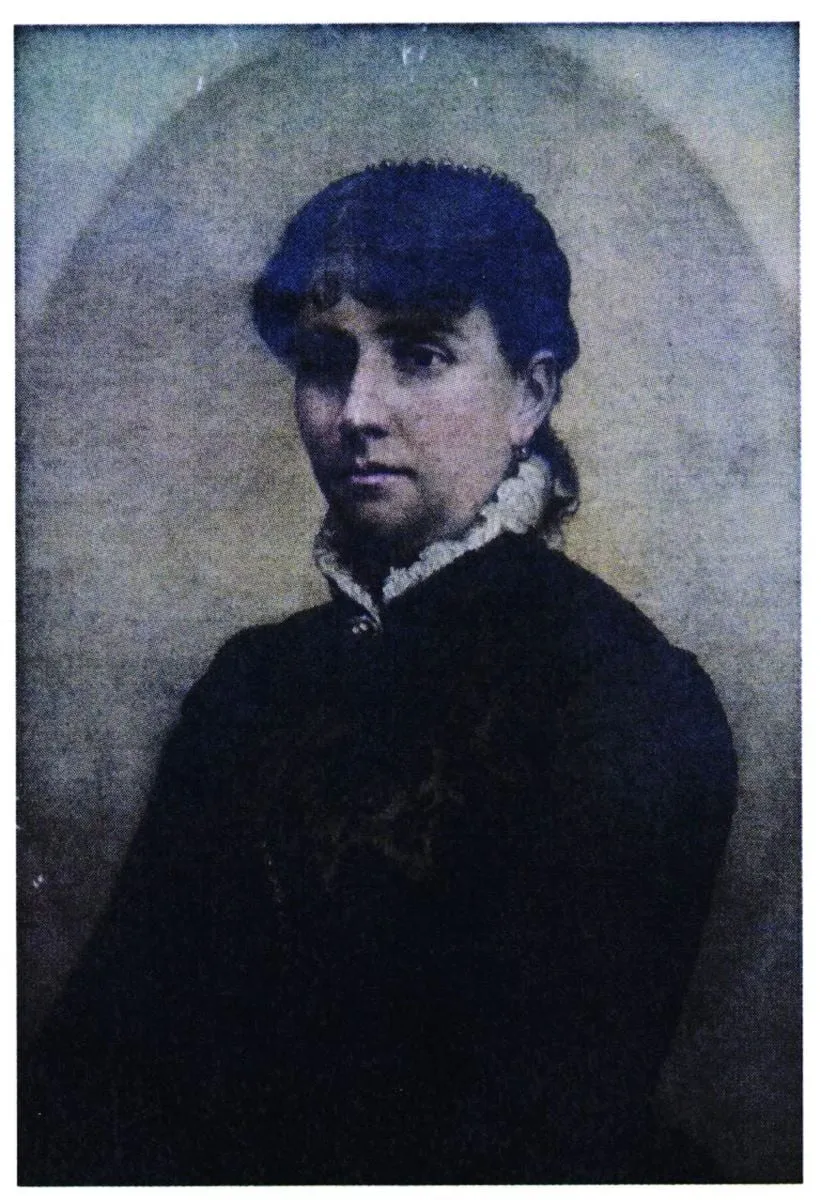
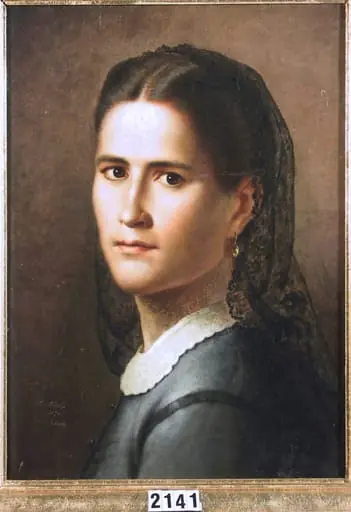
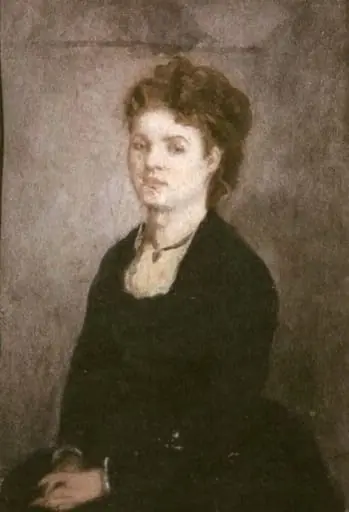
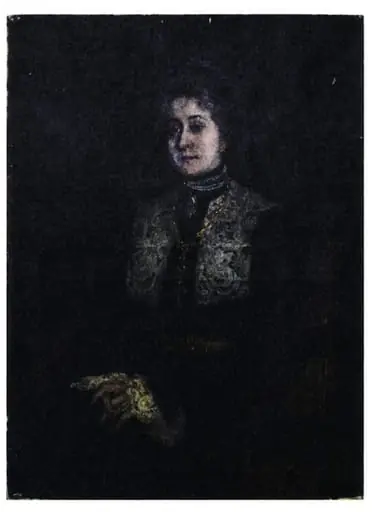
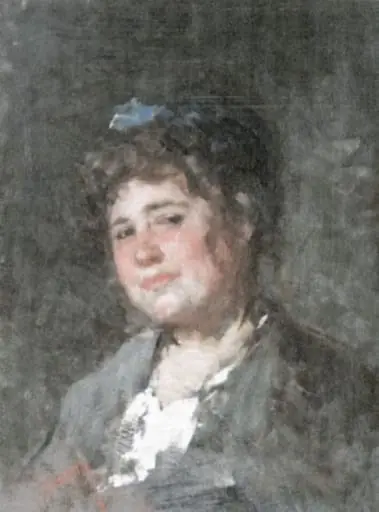
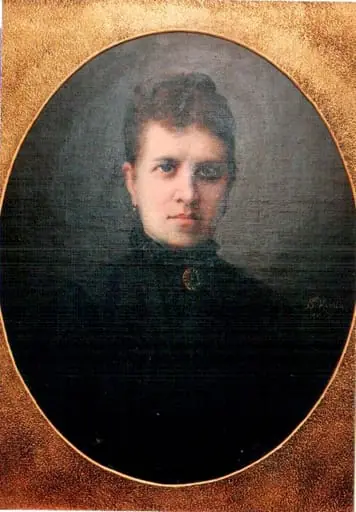
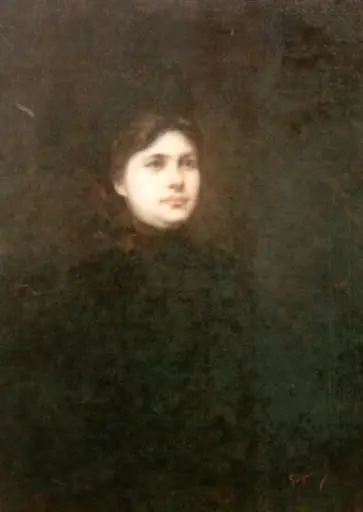
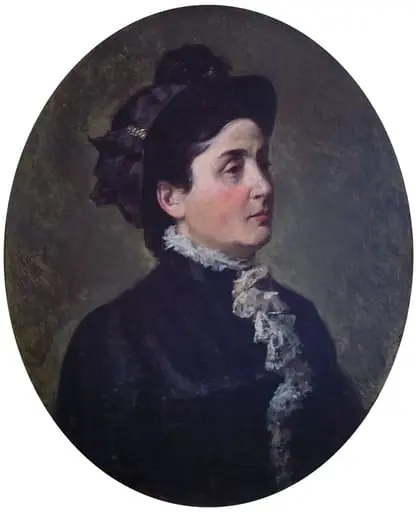
Portret de femeie is a print by the Impressionist artist Constantin Daniel Stahi. It dates from 1892 and is held in the collection of the Ion Ionescu-Quintus Prahova County Art Museum.
About this work
Overview
The painter’s loose handling of paint suggests immediacy, capturing a fleeting presence rather than an idealized likeness.
Painted in 1892 by Constantin Daniel Stahi, this portrait depicts a woman in quiet stillness. Executed in oil, the work is part of the Museum of Ethnography’s collection. Its intimate scale and unadorned setting reflect a shift away from formal portraiture toward candid observation. The painter’s loose handling of paint suggests immediacy, capturing a fleeting presence rather than an idealized likeness.
Subject & Meaning
The subject is a woman dressed in dark, modest clothing, her hair secured beneath a somber hat. Her high collar and serious gaze convey restraint, possibly reflecting regional or social norms of the time. There is no indication of status or identity beyond her attire and demeanor, inviting interpretation rooted in everyday life rather than aristocratic representation. The portrait feels personal, yet anonymous.
Technique & Style
Stahi employs loose, visible brushwork that avoids smooth finish, emphasizing texture over polish. The background is softly blurred, directing attention to the woman’s face and upper torso. This approach aligns with emerging Impressionist tendencies—prioritizing light, movement, and spontaneity over academic precision. The effect is intimate, as if the viewer has encountered her in passing.
History & Provenance
The painting entered the Museum of Ethnography’s holdings in the early 20th century, likely through acquisition or donation tied to Romanian cultural preservation efforts. Its inclusion in an ethnographic context suggests interest in documenting regional dress and social types. No record of prior ownership or exhibition history is widely documented, reinforcing its status as a quiet, personal study rather than a commissioned work.
Context
In late 19th-century Romania, artists increasingly turned to everyday subjects as national identity took shape beyond courtly or religious themes. Stahi’s portrait reflects this trend, aligning with broader European movements that valued authenticity over grandeur. The woman’s attire may represent rural or provincial dress, making the work a subtle record of local customs during a period of modernization.
Legacy
Though not widely exhibited outside Romania, the portrait remains a significant example of Stahi’s engagement with modern portraiture. Its unembellished realism and painterly technique distinguish it from academic traditions of the era. It contributes to a growing body of work that redefined portraiture as a record of individual presence, not merely social status.
Artist & collection

Museum
Ion Ionescu-Quintus Prahova County Art Museum
Continue through works from the same source collection.