Artwork
Studies of Italian women, Amalfi
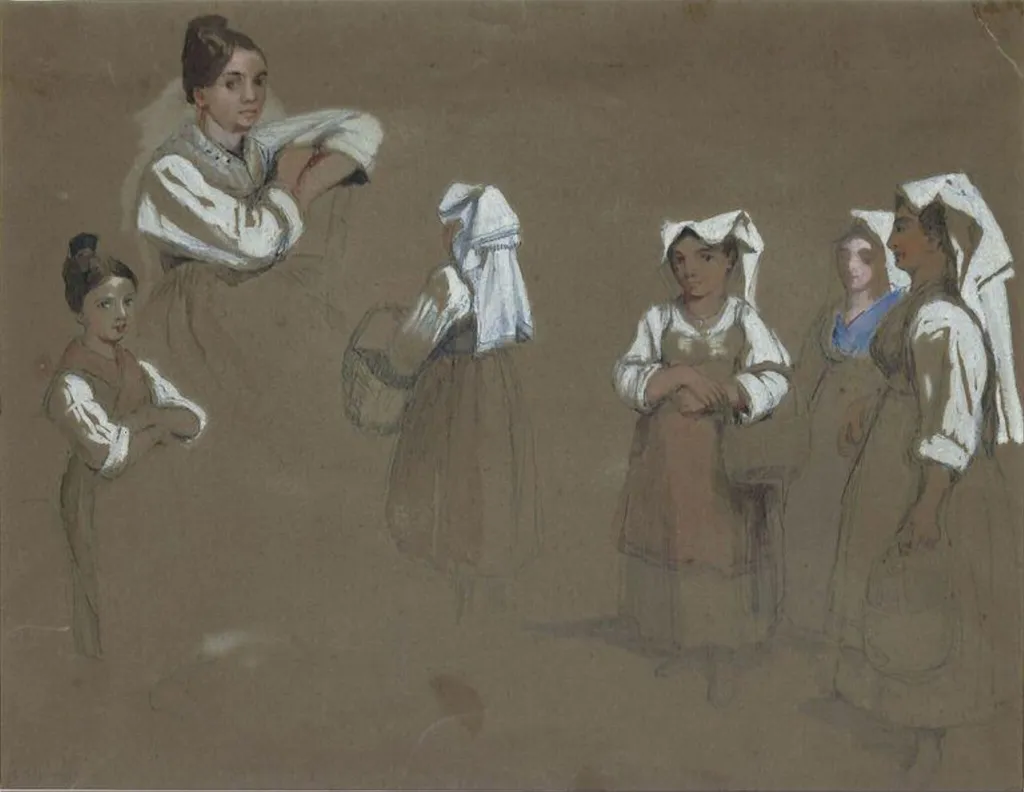
Studies of Italian women, Amalfi is a watercolor work on paper by the Romanticist artist Clarkson Frederick Stanfield. It dates from 1820 and is held in the collection of the Victoria and Albert Museum.
About this work
Overview
The work belongs to a broader tradition of topographical and ethnographic sketching common among 19th-century British artists traveling in southern Europe.
Clarkson Frederick Stanfield created a series of watercolour sketches capturing everyday moments in Amalfi, Italy. These studies focus on local women engaged in quiet, routine activities. Executed with light, fluid brushwork, the drawings reflect the artist’s interest in observational detail rather than theatrical composition. The work belongs to a broader tradition of topographical and ethnographic sketching common among 19th-century British artists traveling in southern Europe.
Subject & Meaning
The scene portrays six women standing in an open field, dressed in modest, light garments and head coverings typical of the region. One holds a woven basket, suggesting domestic or agricultural labor. Their postures are unposed, conveying a sense of spontaneity. Stanfield’s choice to depict ordinary figures without narrative or symbolism emphasizes the dignity of daily life, aligning with a growing 19th-century interest in realism over idealized imagery.
Technique & Style
Stanfield employed loose, transparent watercolour washes to suggest form and atmosphere rather than define it precisely. The dry grass background is rendered with minimal strokes, while the figures are suggested with soft outlines and subtle tonal shifts. There is no heavy detail in faces or fabric, yet their presence feels immediate. This approach reflects a sketchbook sensibility—quick, responsive, and attentive to light and movement rather than finish.
History & Provenance
These watercolours were likely made during Stanfield’s travels in southern Italy in the 1830s or 1840s. As a British artist known for maritime and landscape subjects, his Italian sketches were personal studies, not commissioned works. They entered the Victoria and Albert Museum’s collection through later acquisitions, part of a larger archive of his travel drawings that document his engagement with European vernacular life.
Context
During the early 19th century, British artists increasingly traveled to Italy, drawn by its light, architecture, and rural customs. Stanfield’s studies align with a trend of ethnographic sketching that valued authenticity over romanticized depictions. Unlike grand historical or religious scenes, these works reflect a quieter, more intimate mode of observation—part of a broader shift toward documenting the lives of ordinary people in art.
Legacy
Stanfield’s Italian watercolours remain significant as records of regional dress and social habits in pre-industrial southern Italy. Though not widely exhibited, they contribute to understanding how British artists engaged with foreign cultures through direct observation. Their modest scale and unembellished style offer a counterpoint to the monumental works of his contemporaries, preserving a sense of immediacy and quiet humanity.
Artist & collection

Artist
Clarkson Frederick Stanfield was an English artist best known for his large-scale paintings of marine art and landscapes.

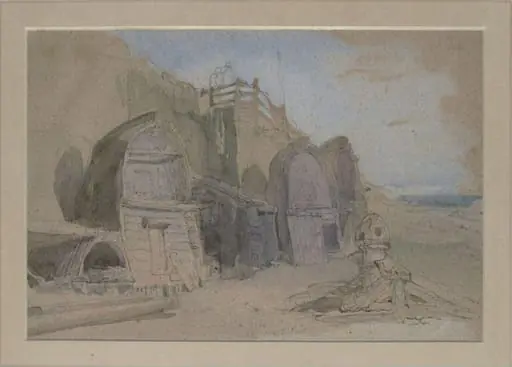
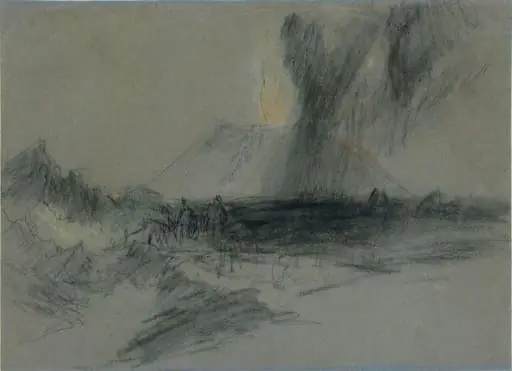
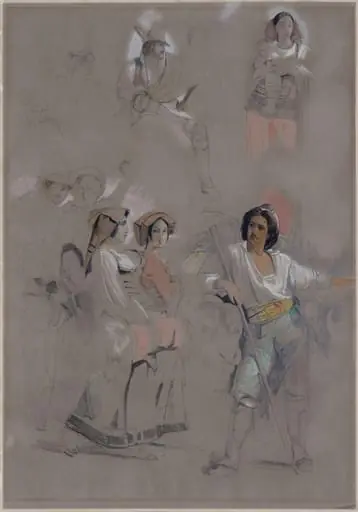 Figures in Italia Costume
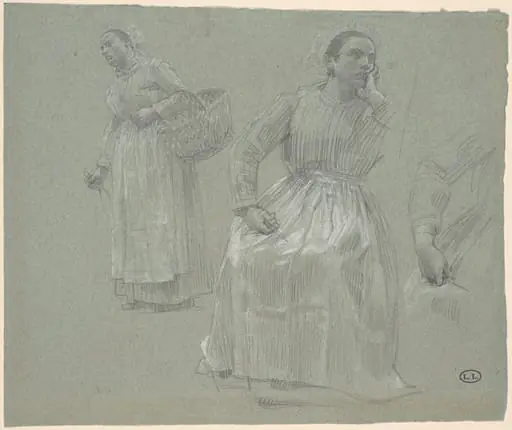 Study of Two Women, One Seated and One Holding a Basket
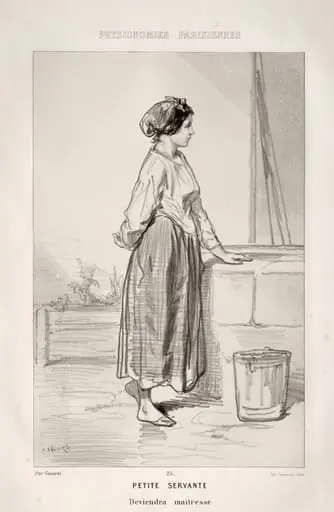 Petite Servante
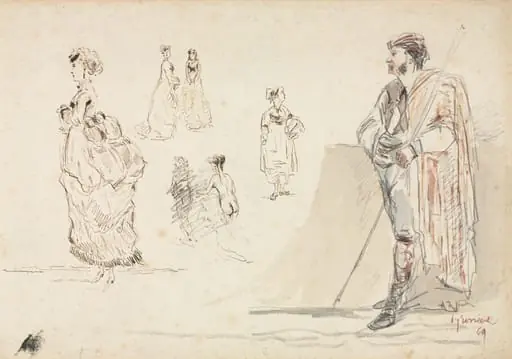 Sketches of Figures
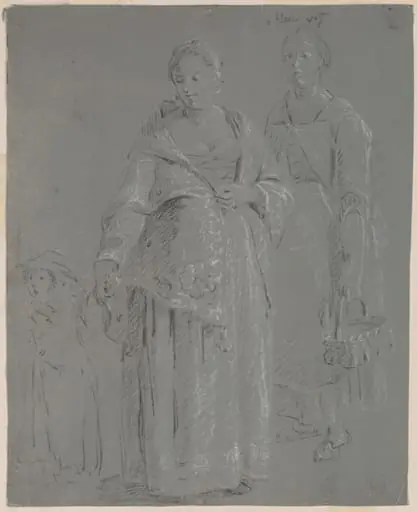 Three Figures
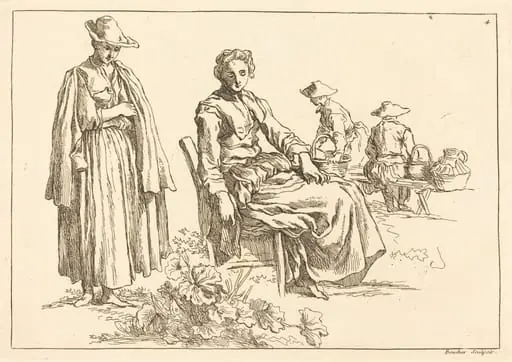 Figures in a Landscape
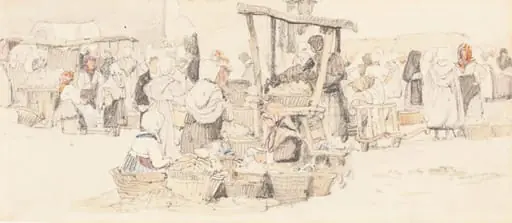 An Outdoor Market
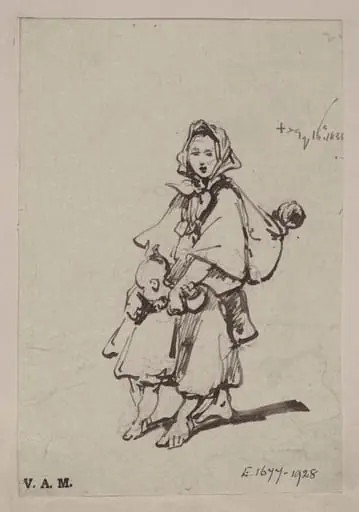 A boatwoman with two children, one of them strapped to her back
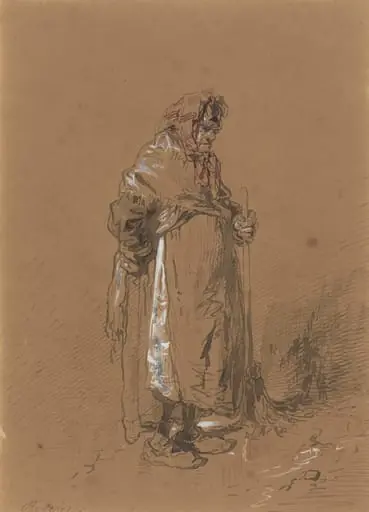 Reverie
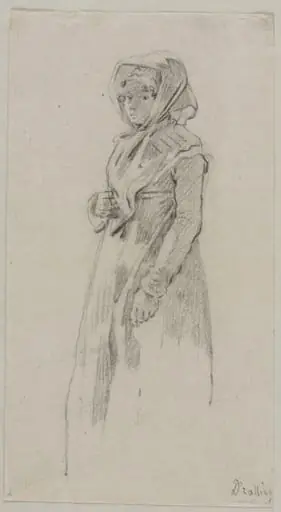 Figure of a Woman
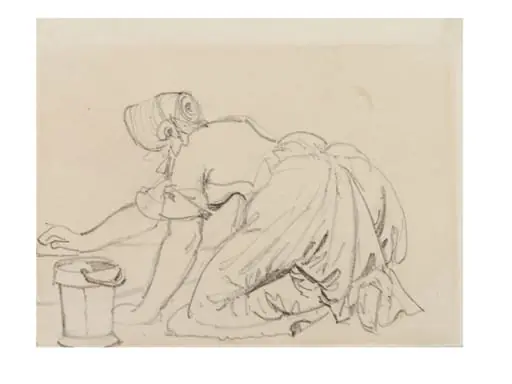 Woman Scrubbing the Floor
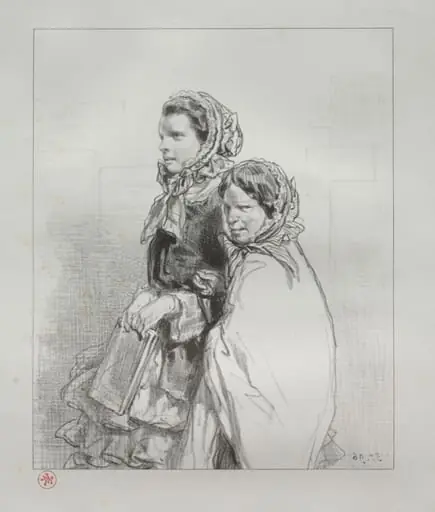 Par-ci, par-lá: My Daughter has sung