Artwork
View of the Kościuszko Mound from the window in the artist's studio, gray day
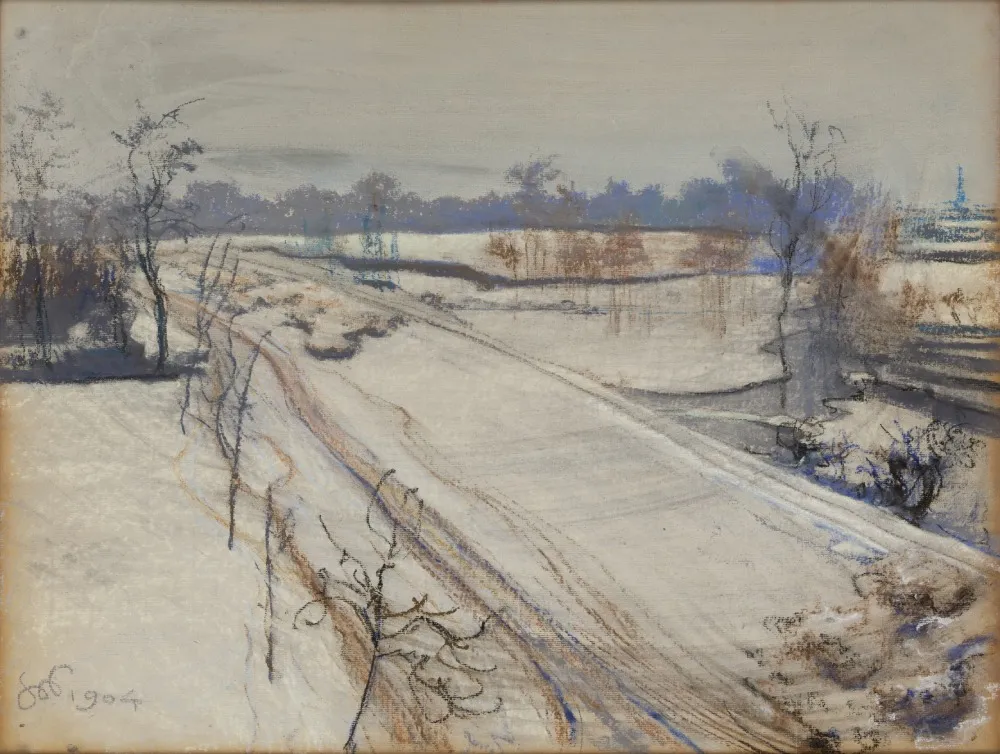
View of the Kościuszko Mound from the window in the artist's studio, gray day is an unspecified painting by the Post-Impressionist artist Stanisław Wyspiański. It dates from 1904 and is held in the collection of the National Museum in Kraków.
About this work
Overview
Stanisław Wyspiański's 1904 painting captures a winter landscape from his studio window. The work is a characteristic example of the artist's post-impressionist style, blending modern techniques with traditional influences.
Subject & Meaning
The painting depicts a snow-covered road leading to the Kościuszko Mound, a national monument, on a gray day. The serene scene conveys a sense of stillness, with the mound as the central focus, potentially symbolizing national identity during Poland's period under foreign rule.
Technique & Style
Wyspiański employed soft, muted colors to create a calm atmosphere. The composition is dominated by the distant mound, achieved through the artist's use of post-impressionist techniques, which emphasize mood and feeling over realistic representation.
History & Provenance
The painting is part of the National Museum in Kraków's collection. It is associated with the Young Poland movement, which sought to express national themes and symbolism during a time of foreign partitions in Poland.
Artist & collection
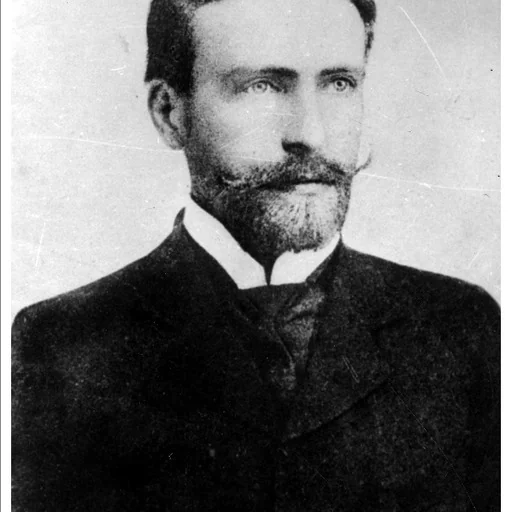
Artist
Stanisław Mateusz Ignacy Wyspiański (pronounced ; 15 January 1869 – 28 November 1907) was a Polish playwright, painter, poet, and interior and furniture designer.

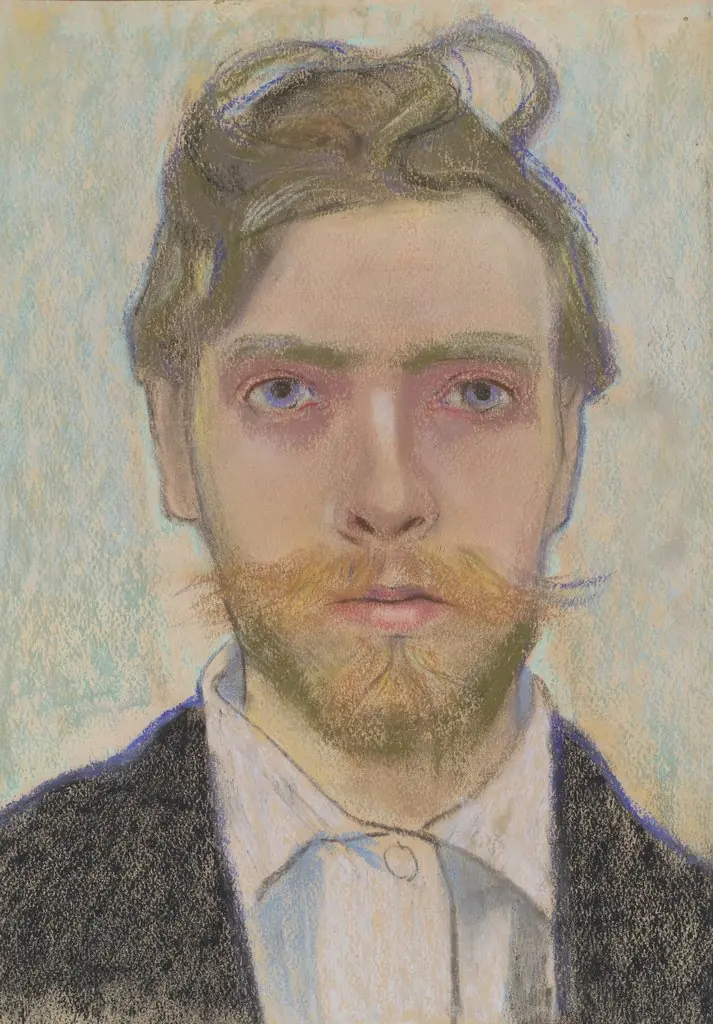 Self-Portrait
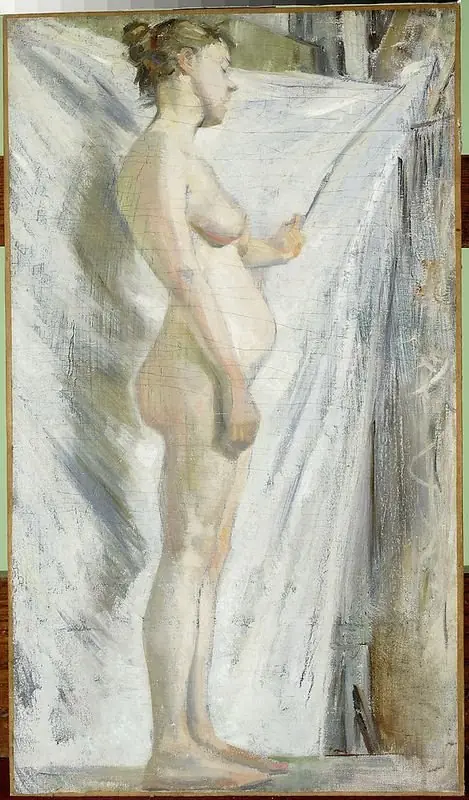 Female nude
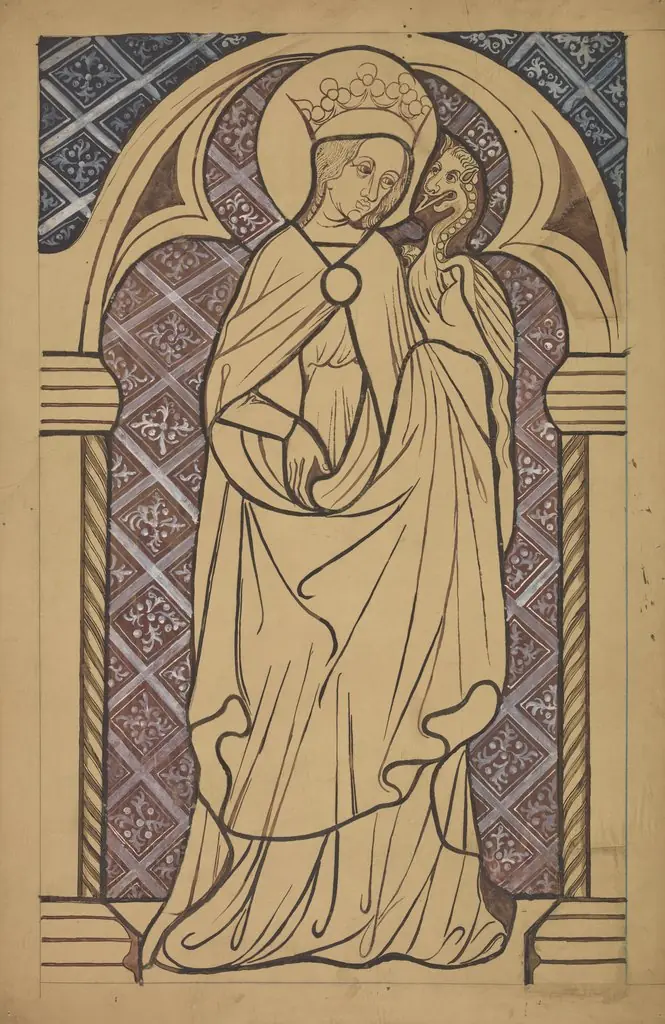 Saint Margaret. Artistic reconstruction of a stained-glass panel from the Dominican church in Kraków
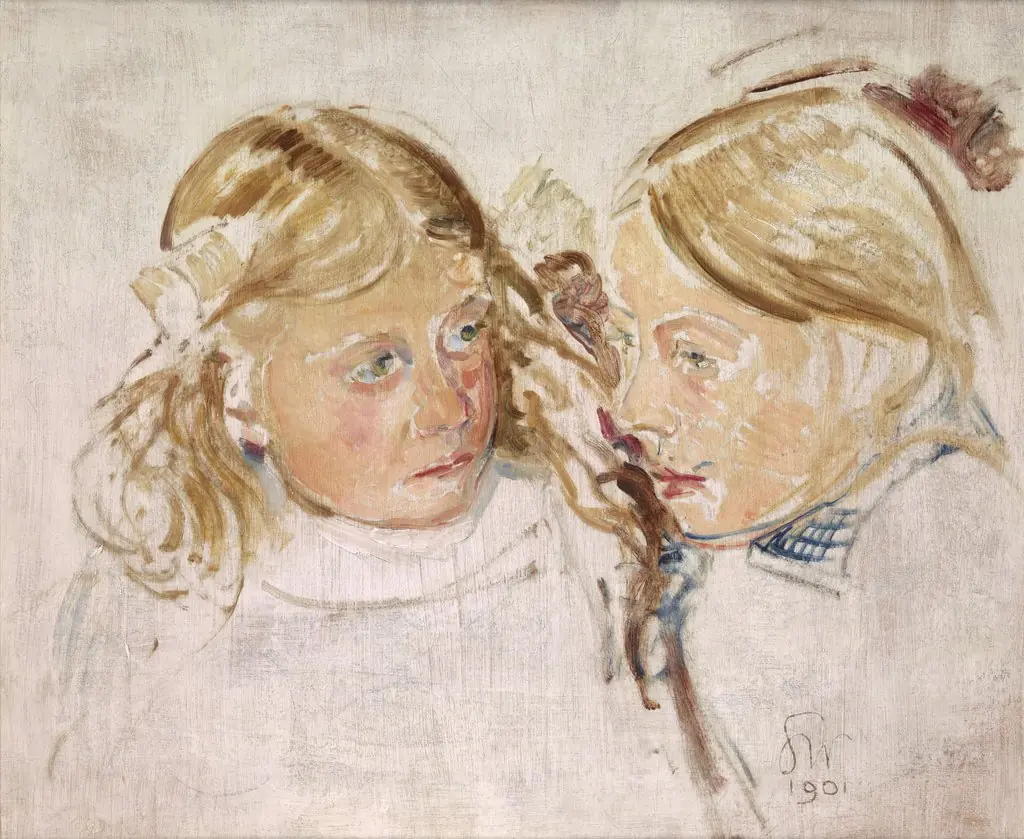 Double Portrait
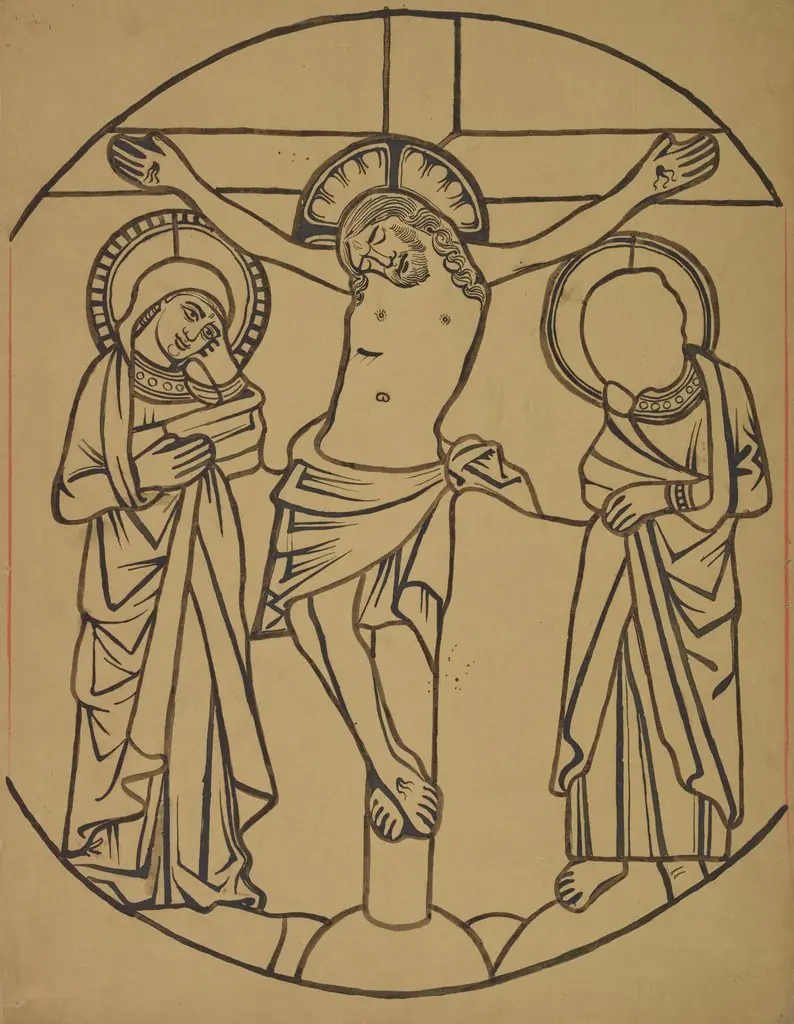 Crucifixion. Artistic reconstruction of a stained-glass panel from the Dominican church in Kraków
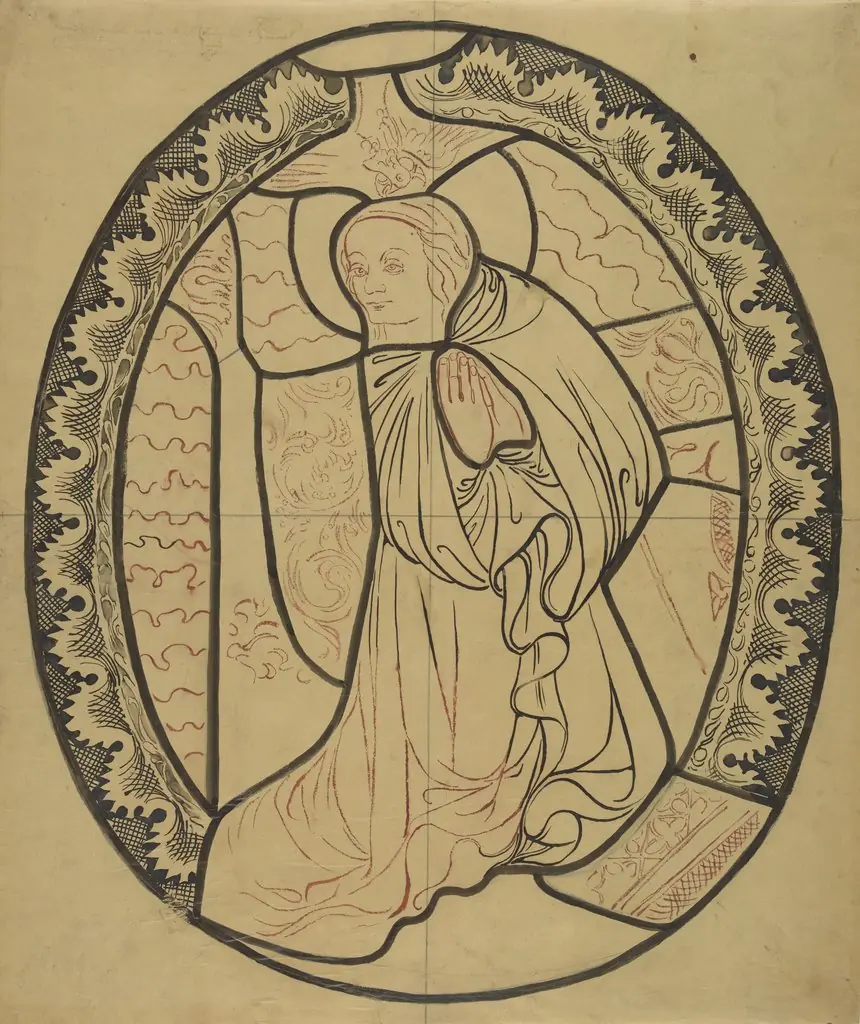 The Blessed Virgin Mary from the scene "Annunciation" (right part). Artistic reconstruction of a stained-glass panel from the Dominican church in Kraków
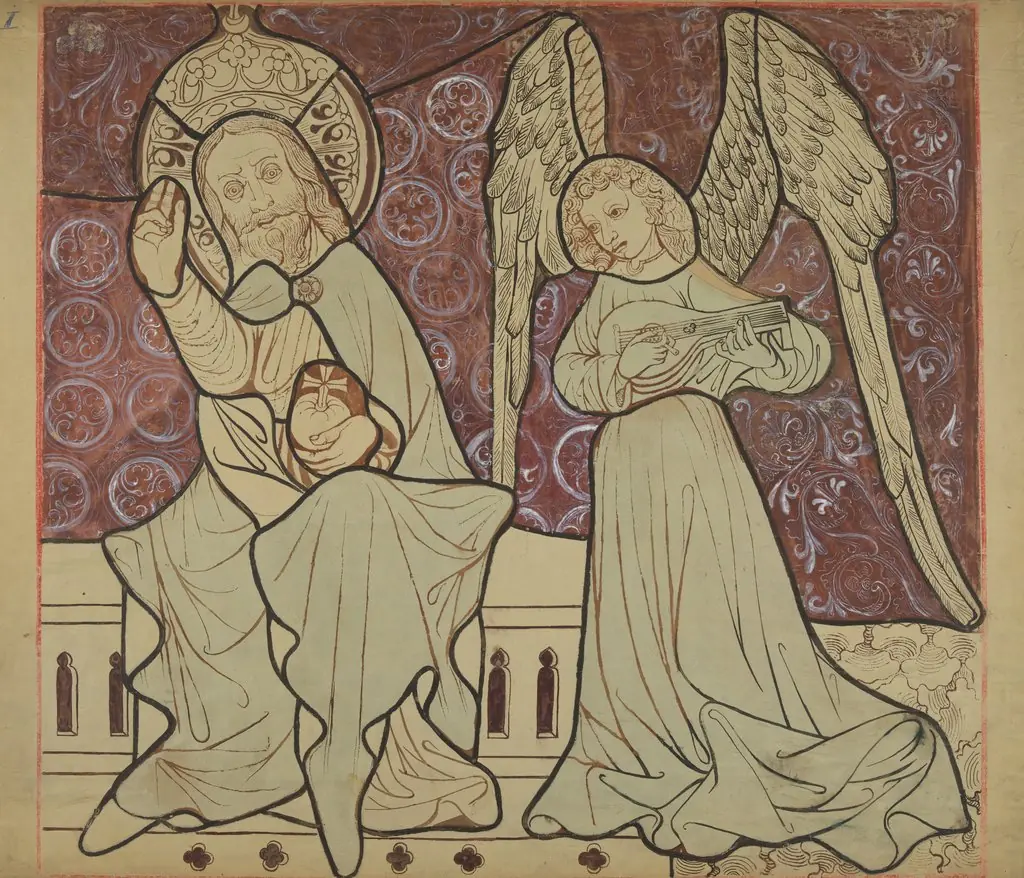 Enthroned Christ with an angel from the scene "Coronation of the Blessed Virgin Mary" (right part). Artistic reconstruction of a stained-glass panel from the Dominican church in Kraków
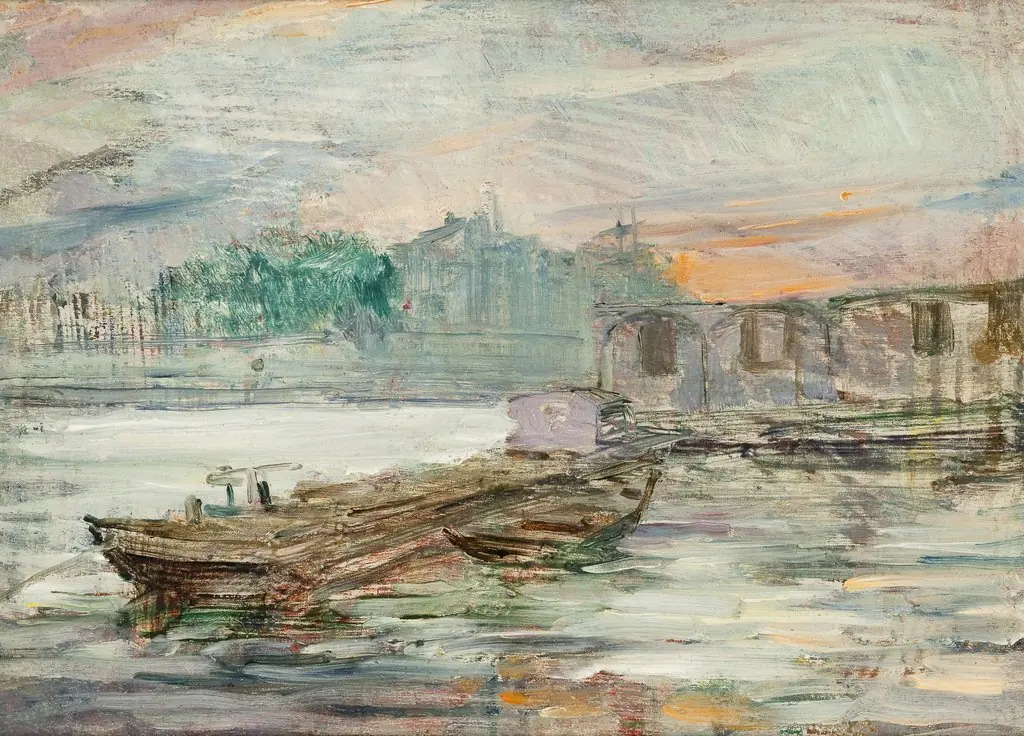 Barges on the Seine
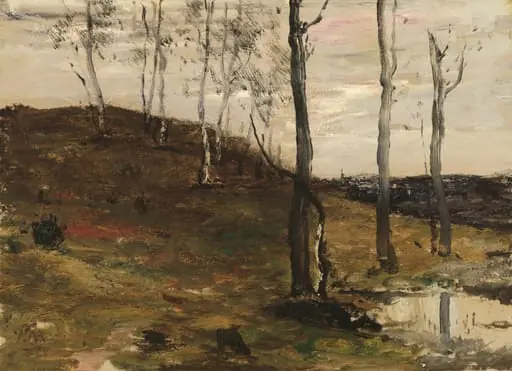 Hillside with Trees
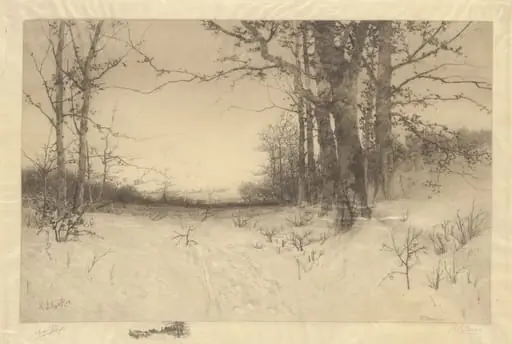 Midwinter
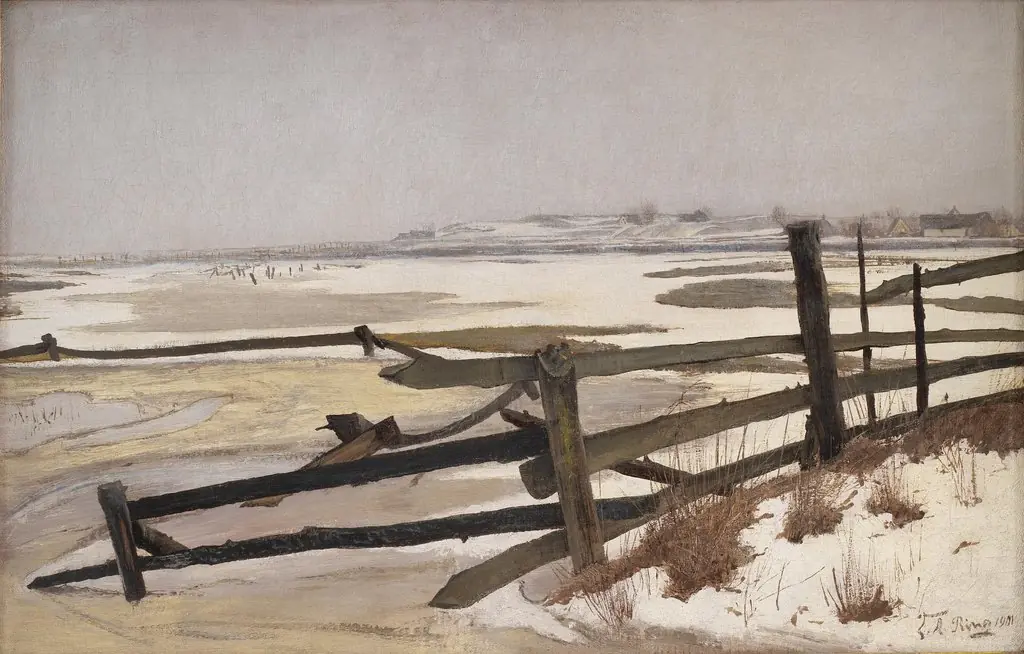 Thaw
Thaw Thaw
Thaw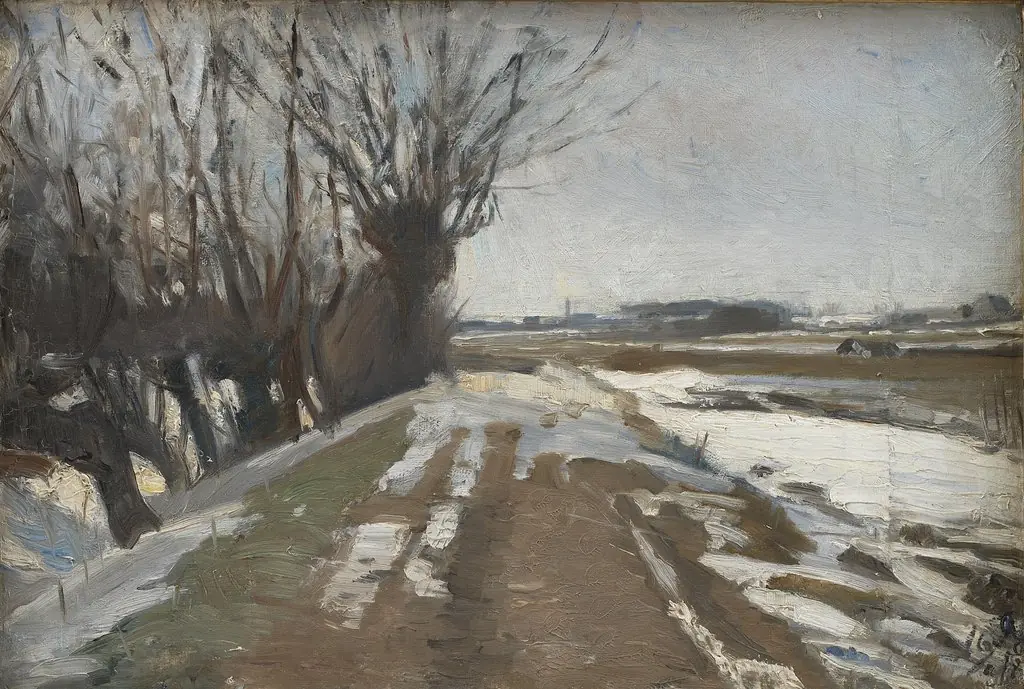 Winter Landscape. Utterslev near Copenhagen
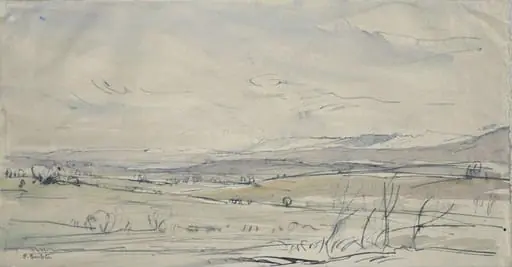 Sligo
Sligo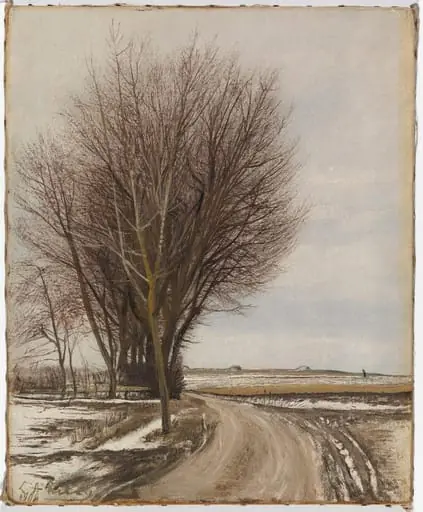 Talvimaisema, Baldersbrønde
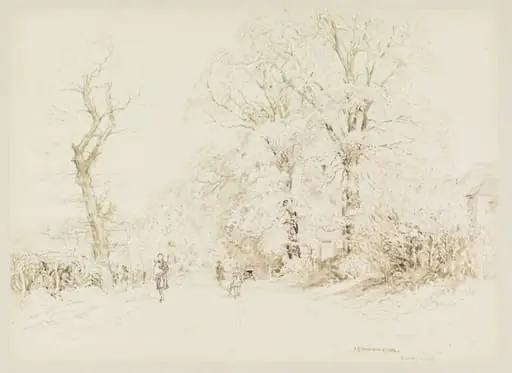 Sandy Lane, Ham
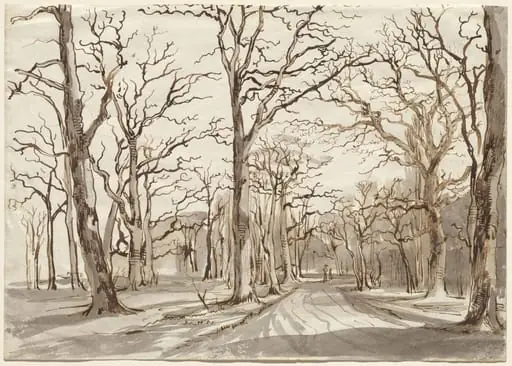 A Woodland Path in Rosenthal in Winter
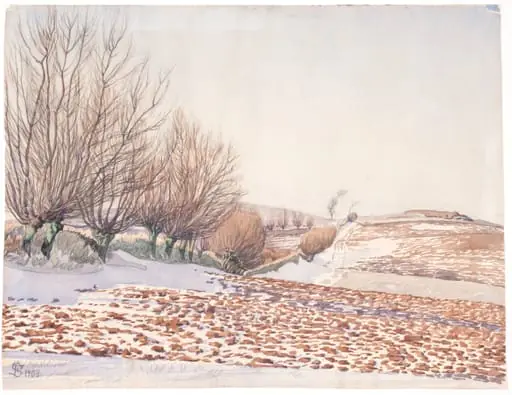 Landskab med piletræer og pløjemark i sne
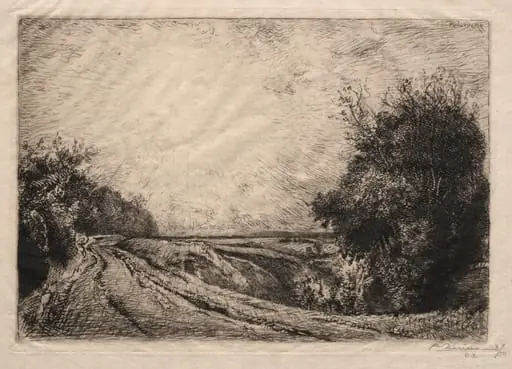 La Route de la Houssoye
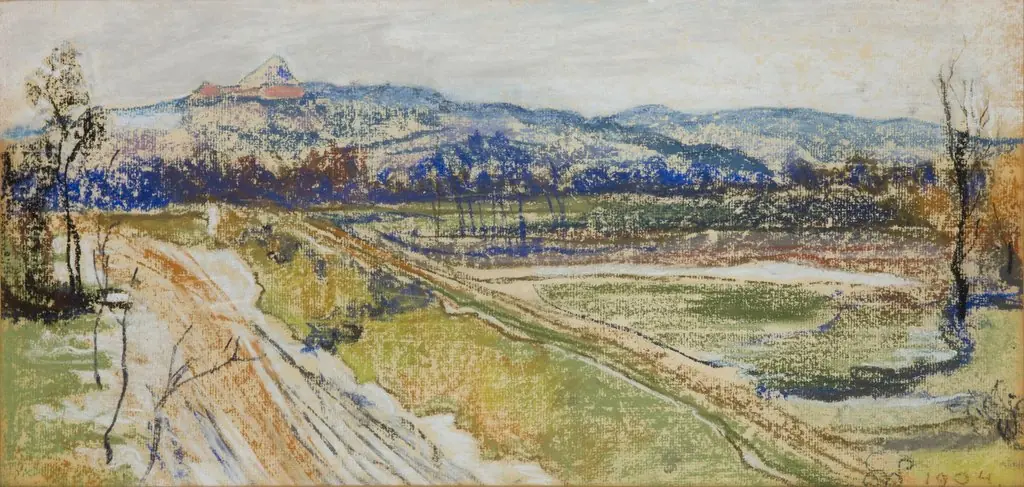 View of the Kościuszko Mound in Krakow from the Window in the Artist's Studio