Artwork
Synchromy No. 3
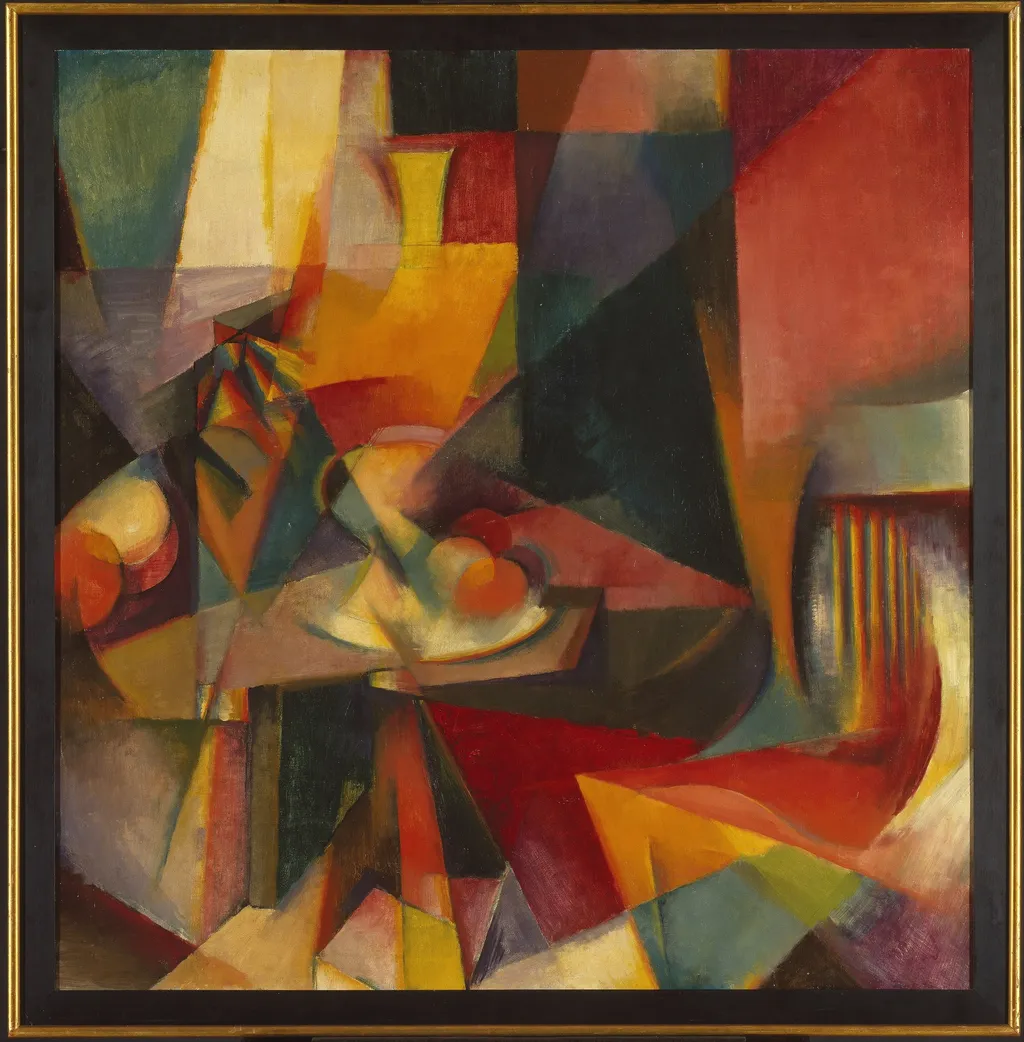
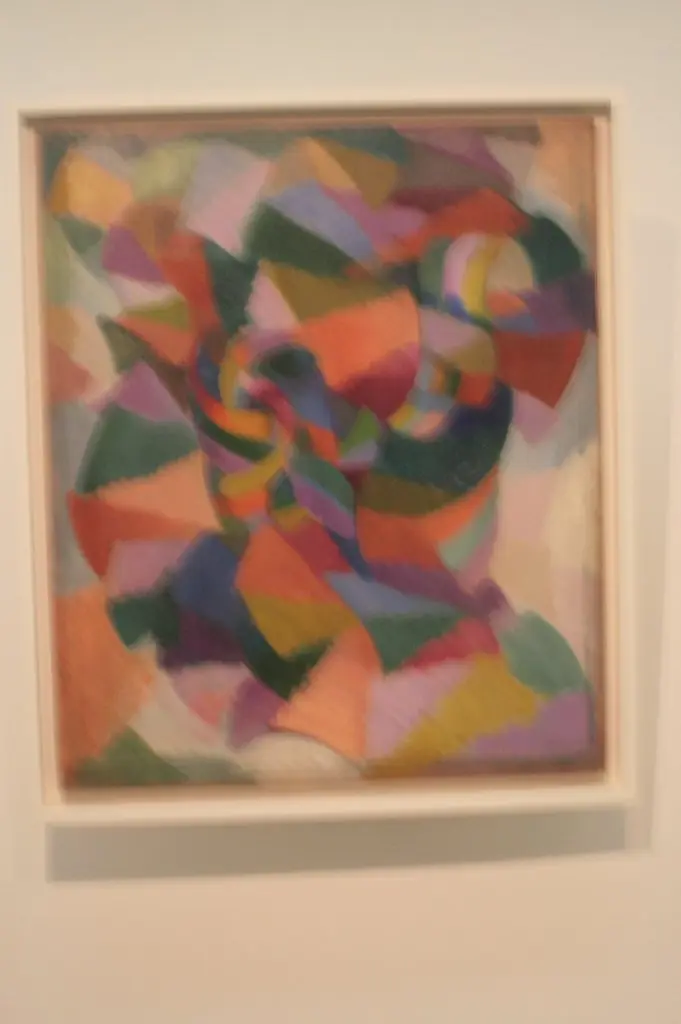
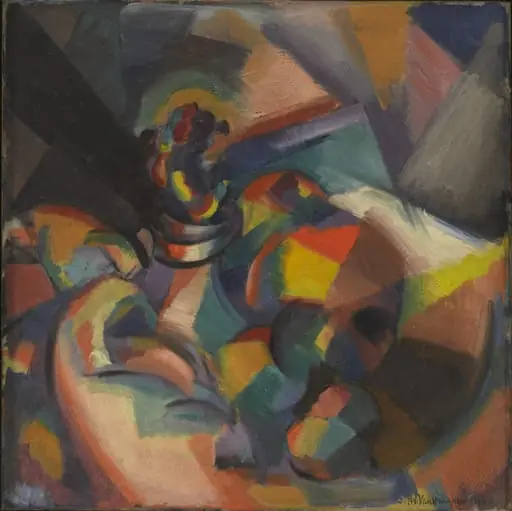
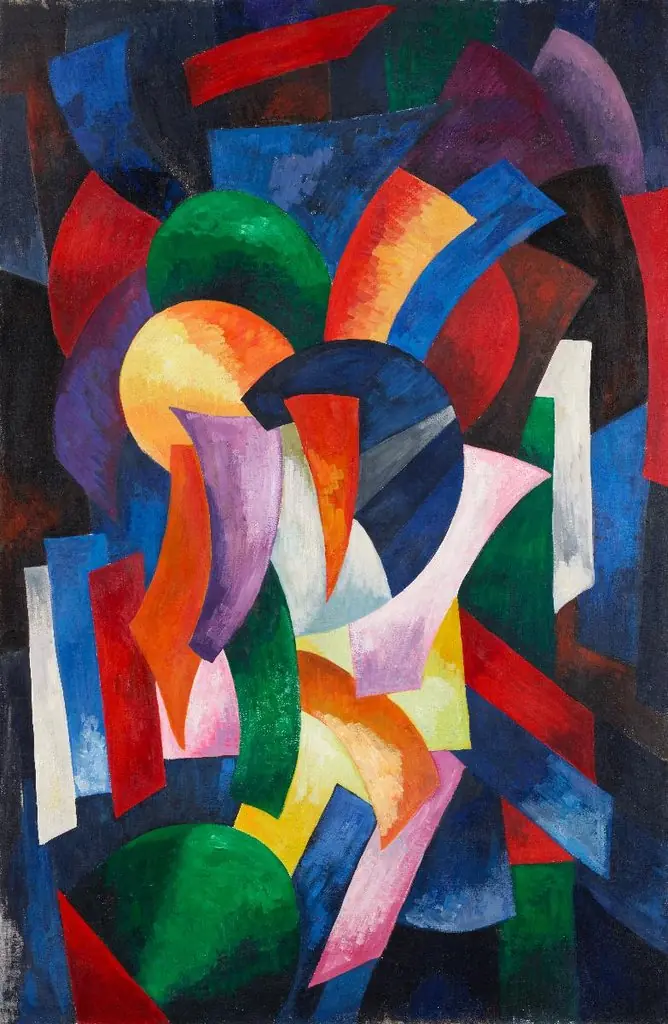
Synchromy No. 3 is an oil painting by Stanton Macdonald-Wright. It dates from 1917 and is held in the collection of the Brooklyn Museum. Created in 1917, *Synchromy No.
About this work
Overview
Created in 1917, *Synchromy No. 3* is an oil painting by American modernist Stanton Macdonald‑Wright. The work exemplifies the visual language of Synchromism, a movement the artist helped found, and is presently part of the Brooklyn Museum’s permanent collection.
Subject & Meaning
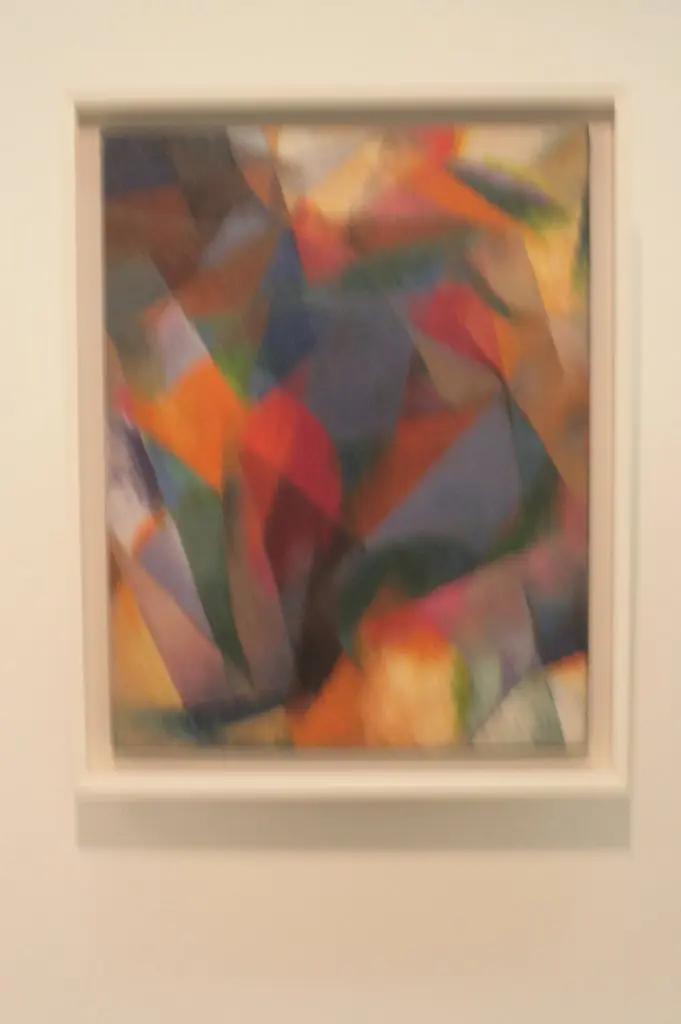
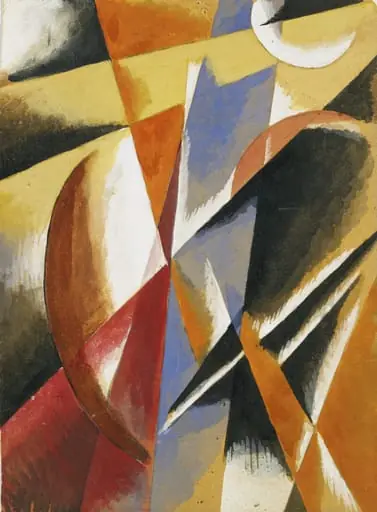
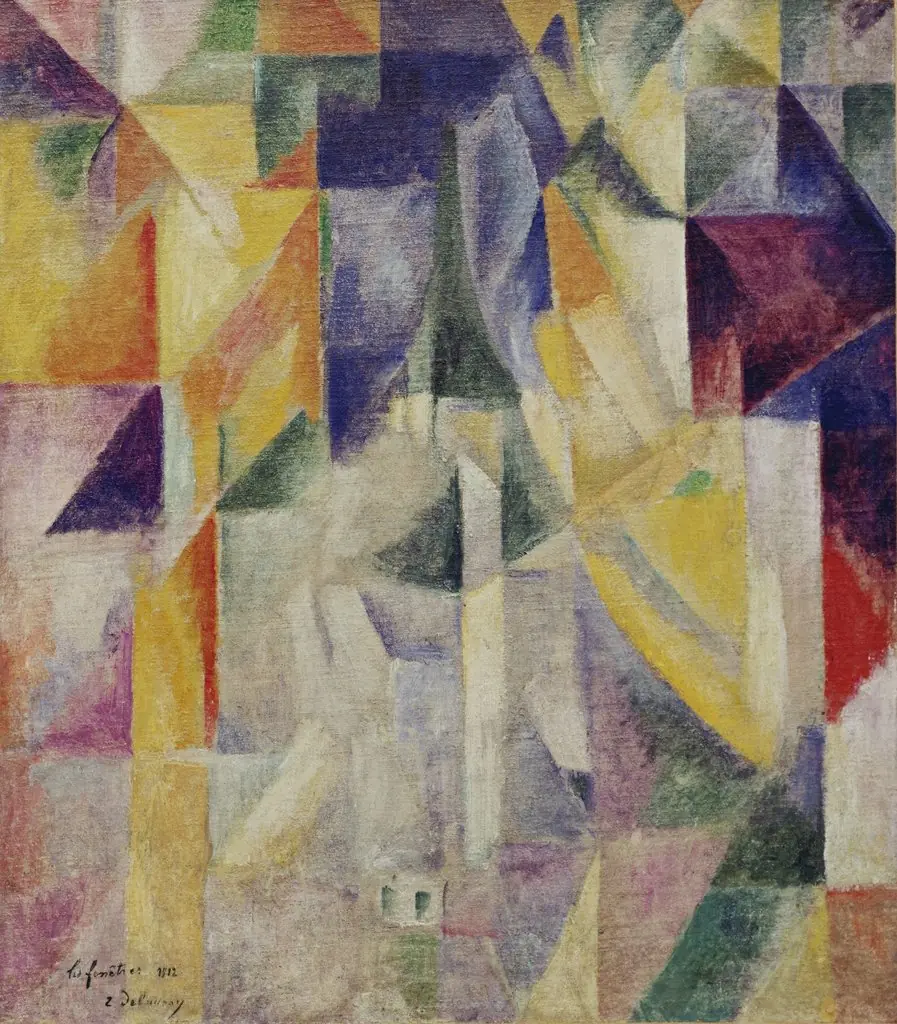
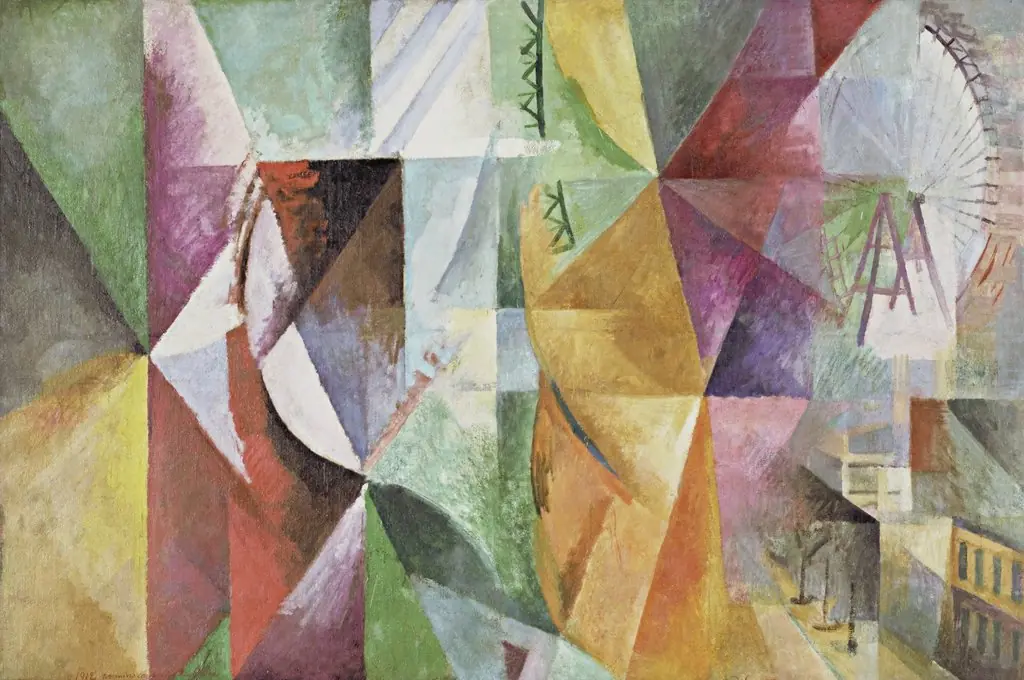
The canvas presents an entirely non‑representational arrangement of interlocking planes and fields of color. Rather than depicting recognizable objects, the composition explores how hues interact, suggesting rhythm and movement through purely chromatic relationships.
Technique & Style
Macdonald‑Wright employed oil pigments to achieve saturated, layered tones that blend and contrast across the surface. The painting’s structure follows Synchromist principles, organizing forms according to a systematic color theory that treats hue as the primary compositional element, akin to musical harmony.
History & Provenance
After its completion, *Synchromy No. 3* entered the art market and was eventually acquired by the Brooklyn Museum, where it has been displayed as a representative example of early American abstraction.
Context
Synchromism emerged during the 1910s as the first American avant‑garde movement to receive attention abroad, positioning itself against European Cubism by foregrounding color over line. Macdonald‑Wright’s work reflects this shift, contributing to the broader transition toward pure abstraction in twentieth‑century painting.
Artist & collection
Artist
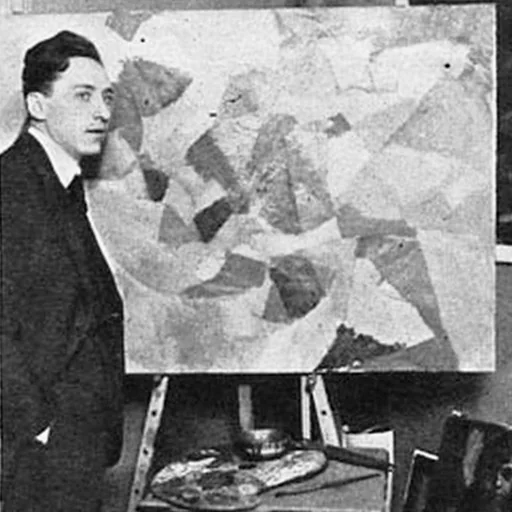
Stanton Macdonald-Wright (July 8, 1890 – August 22, 1973), was a modern American artist.