Artwork
Synchromy
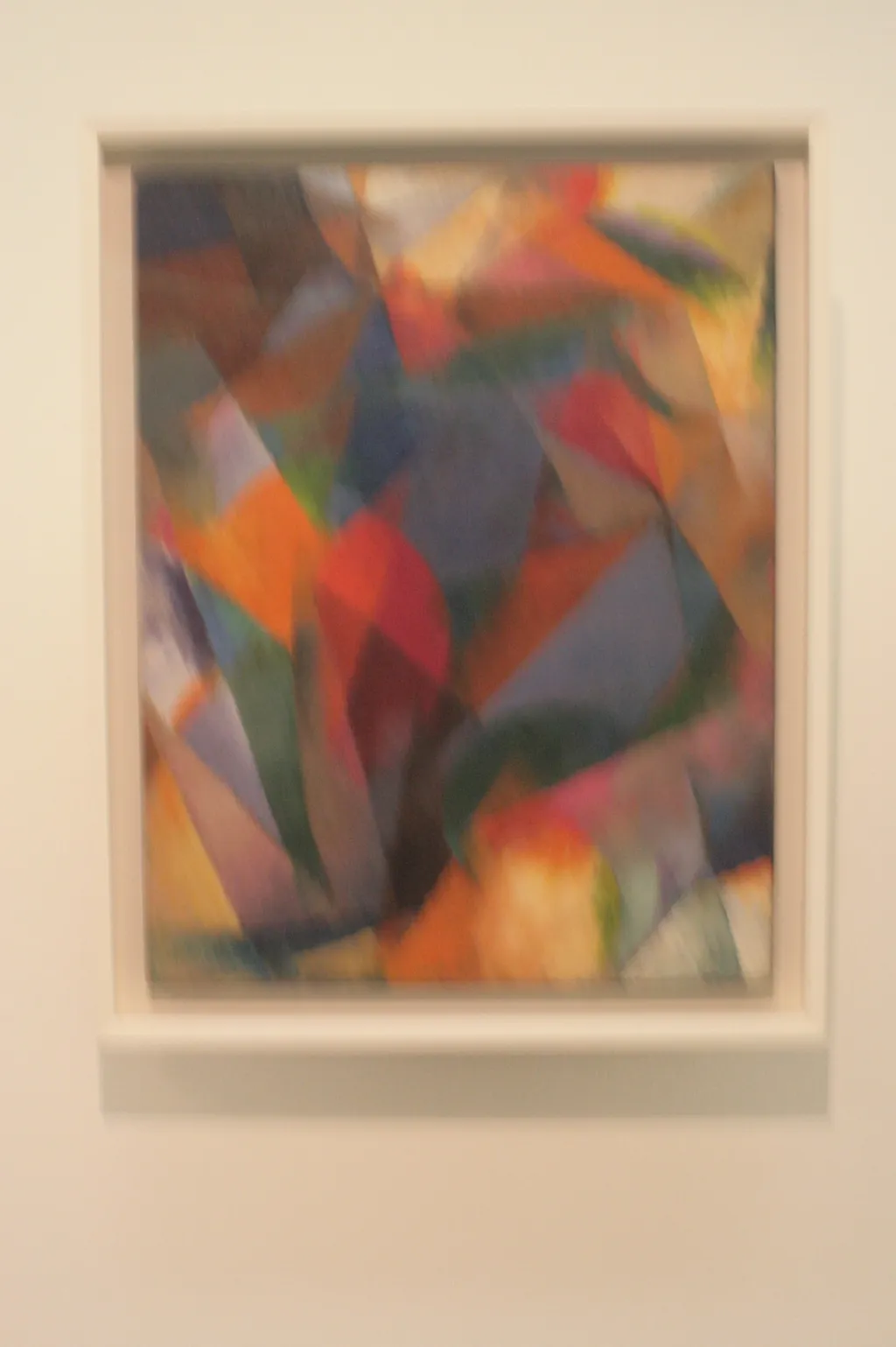
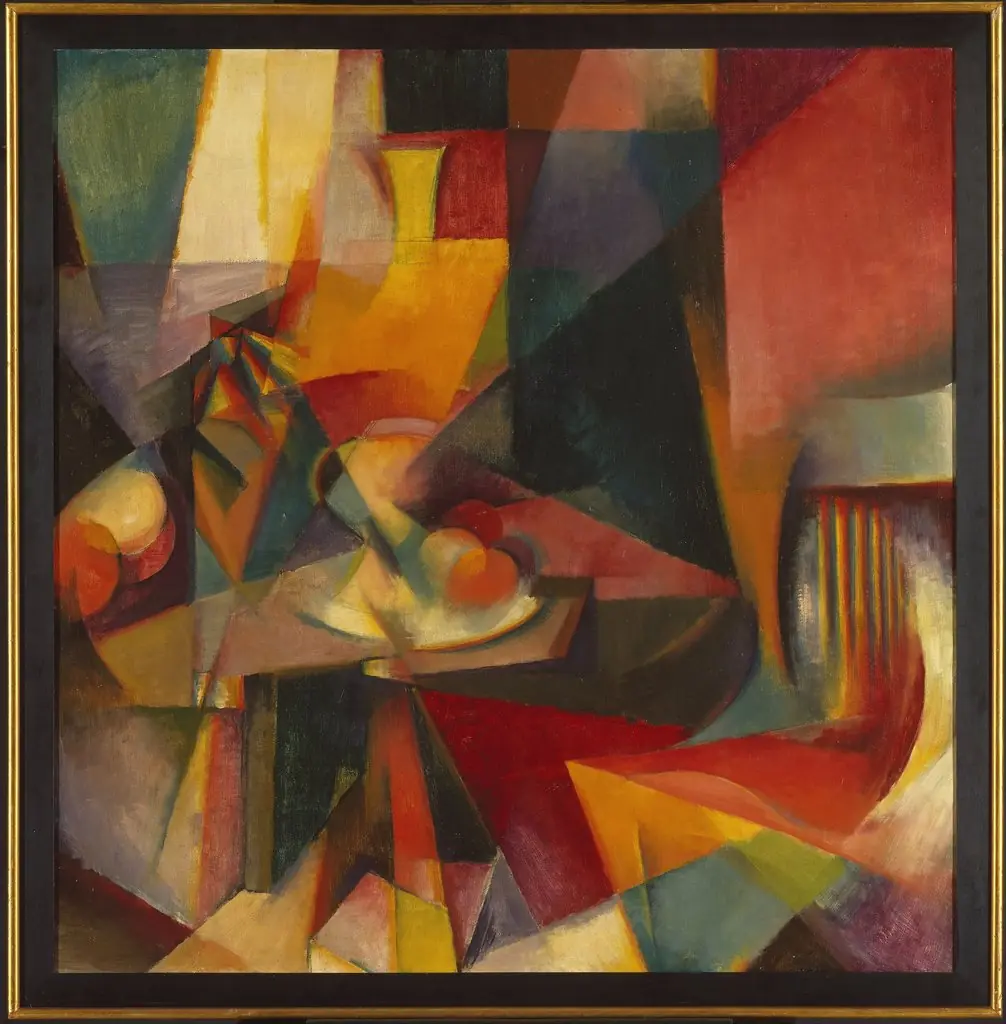
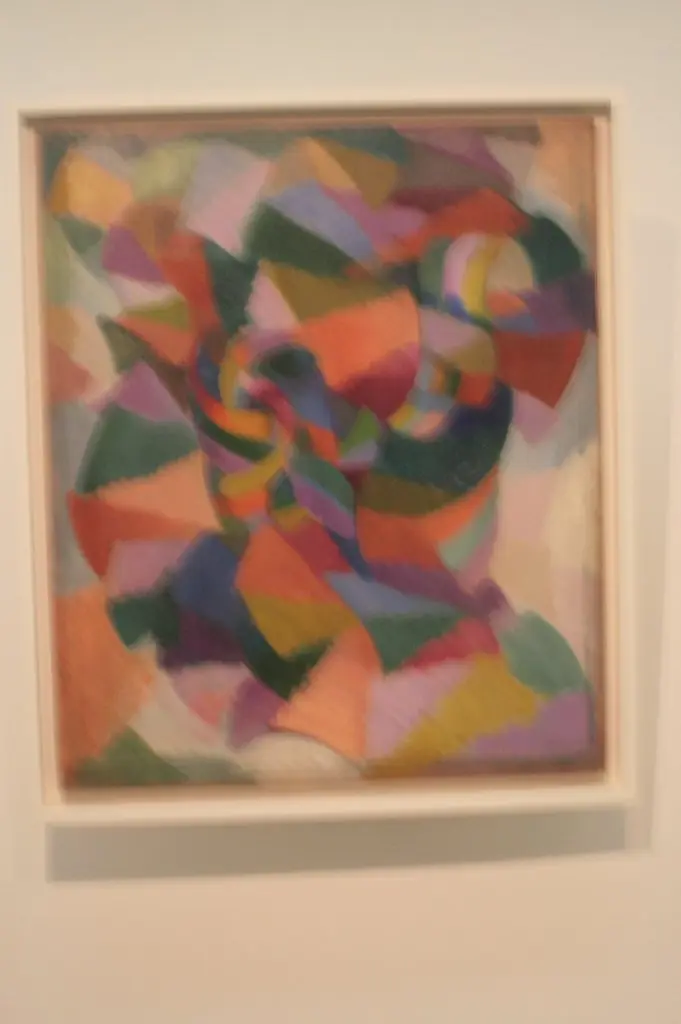
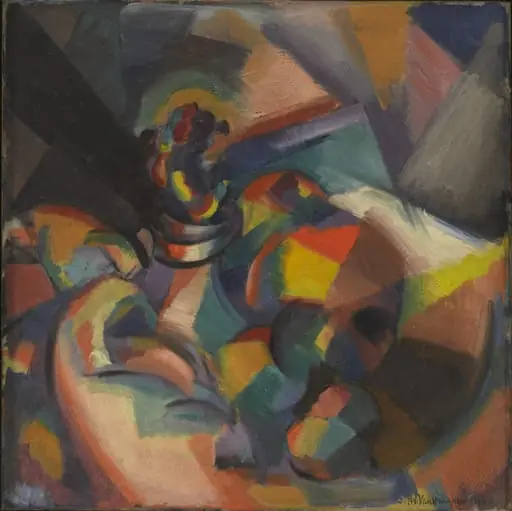
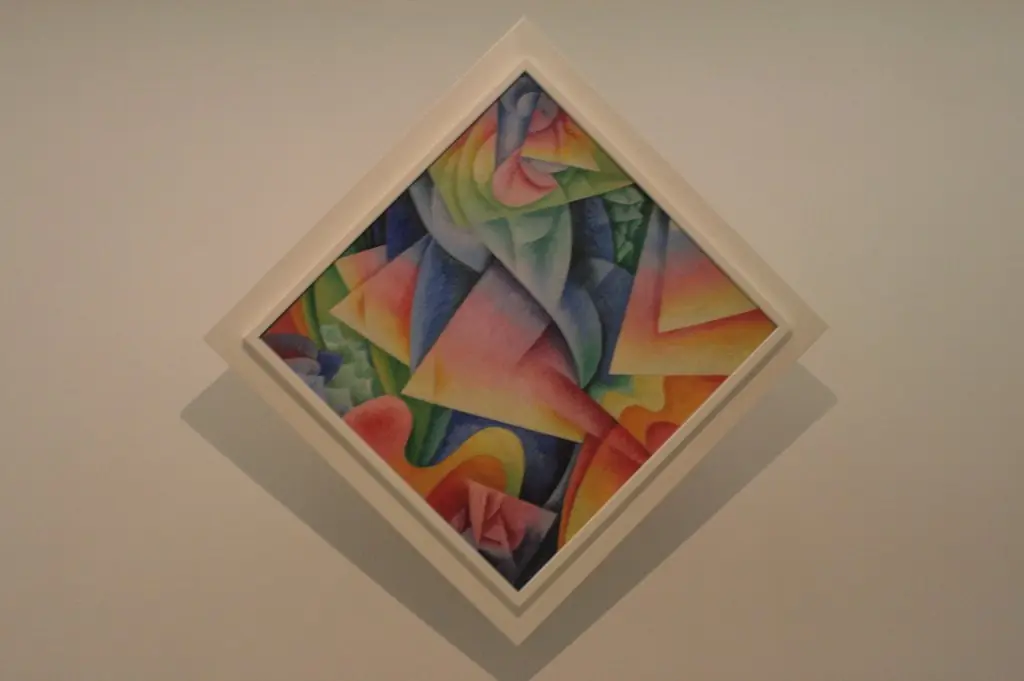
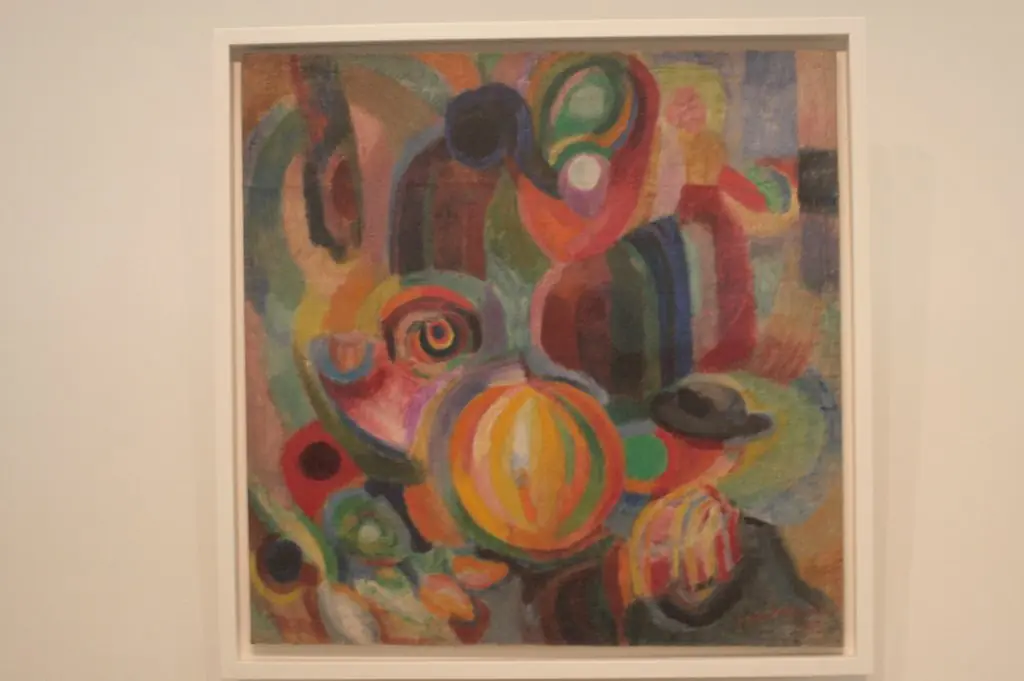
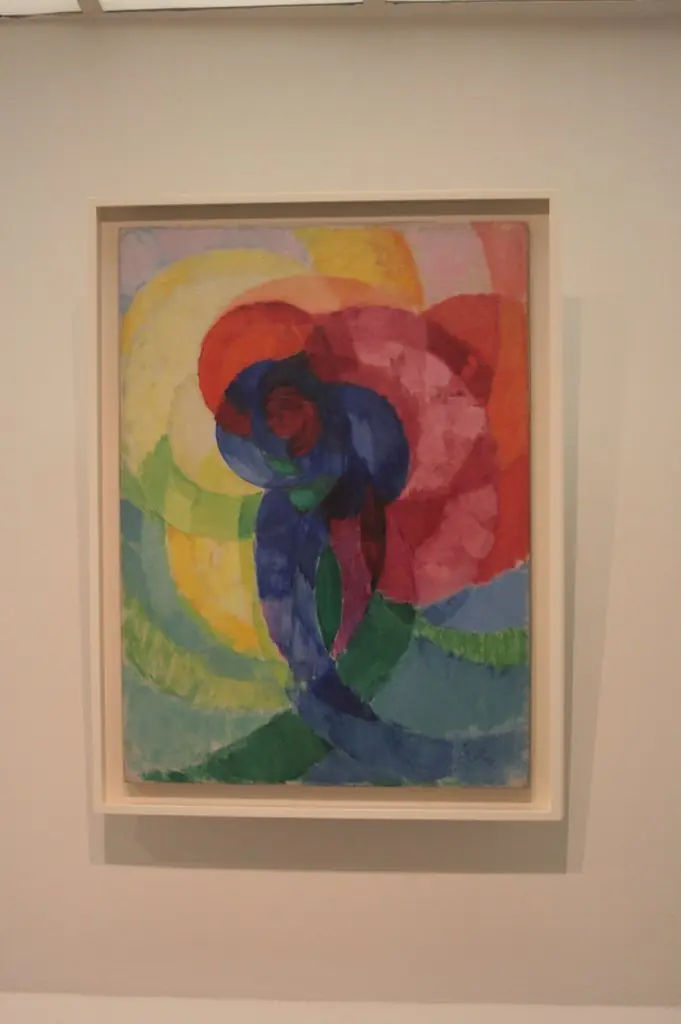
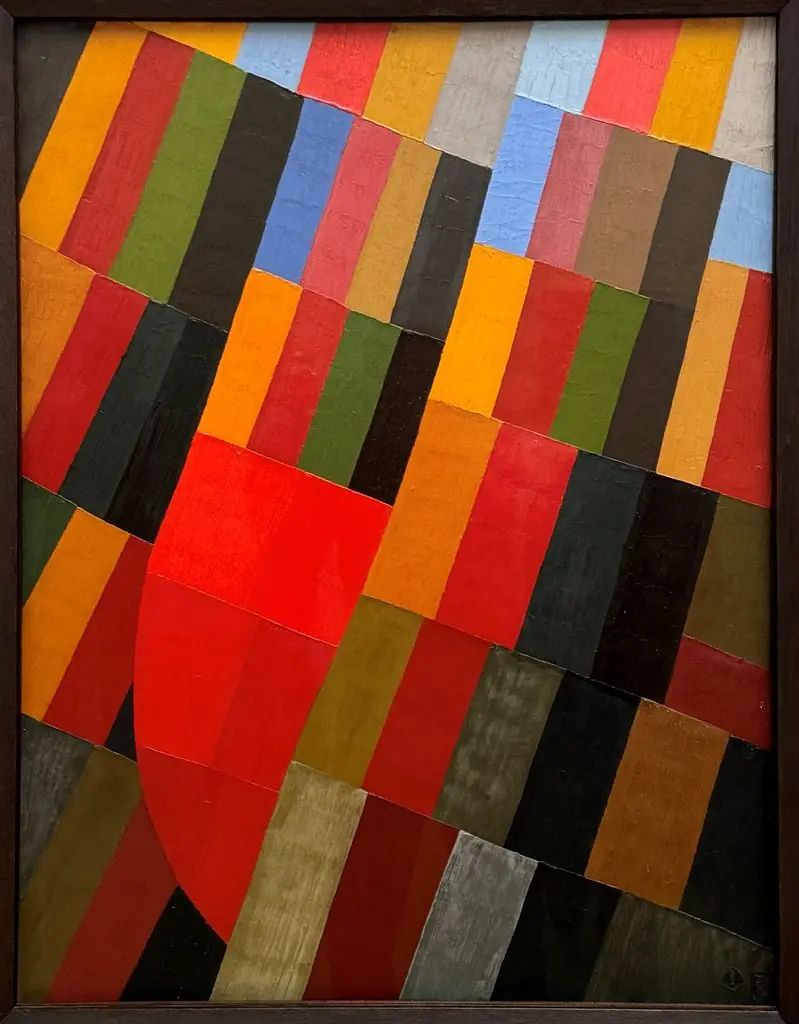
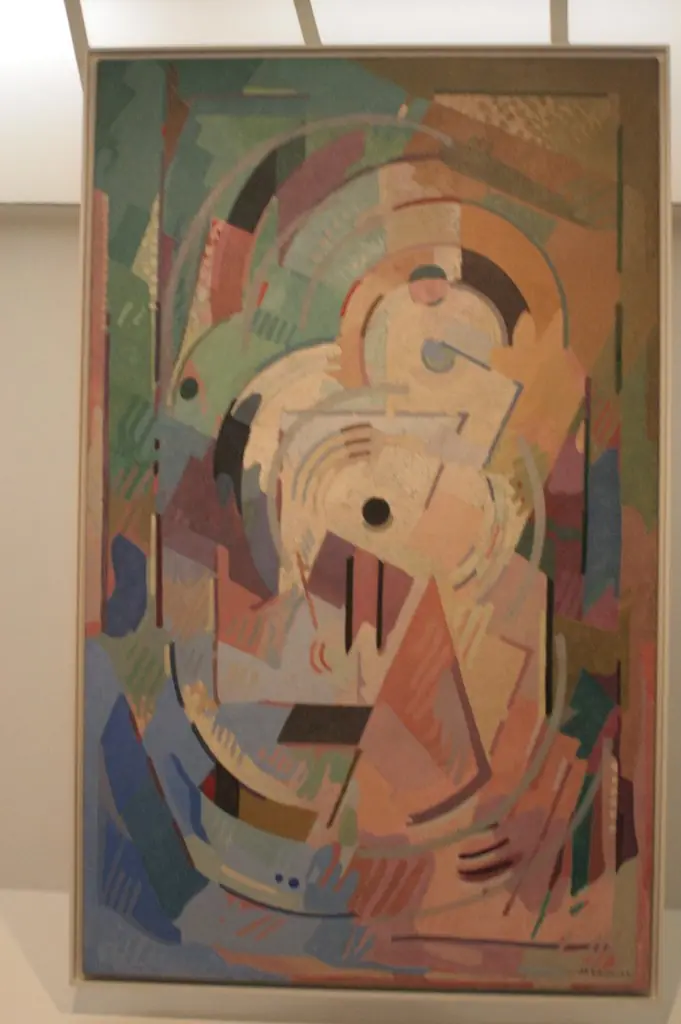
Synchromy is an oil painting by Stanton Macdonald-Wright. It dates from 1917 and is held in the collection of the Museum of Modern Art.
About this work
Overview
Synchromy is a 1917 oil painting by Stanton Macdonald-Wright, a key figure in Synchromism, the first internationally recognized American avant-garde art movement.
Subject & Meaning
The painting embodies Synchromism's core principle: prioritizing color harmony over representational forms, creating an abstract composition that explores the emotional and expressive potential of color.
Technique & Style
Characterized by muted shades of orange, yellow, green, and purple, the work features overlapping geometric shapes (triangles, rectangles) that convey a sense of dynamic movement and serene calm through soft, blended hues.
History & Provenance
Synchromy is part of the collection at the Museum of Modern Art, reflecting its significance within the Synchromist movement and early 20th-century American avant-garde art.
Context
Created during a pivotal moment in American modernism, Synchromy represents a shift towards abstract expression, distinguishing itself from European contemporaries through its unique color-centric approach.
Legacy
As a seminal work of Synchromism, it has influenced subsequent abstract art movements, while Macdonald-Wright's innovation in color theory continues to be studied in the context of early 20th-century artistic experimentation.
Artist & collection
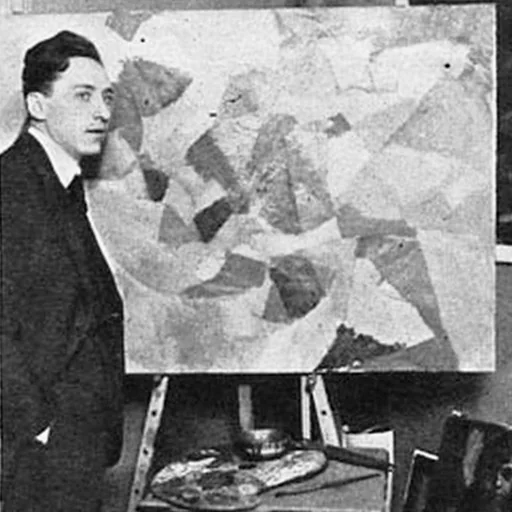
Artist
Stanton Macdonald-Wright (July 8, 1890 – August 22, 1973), was a modern American artist.