Artwork
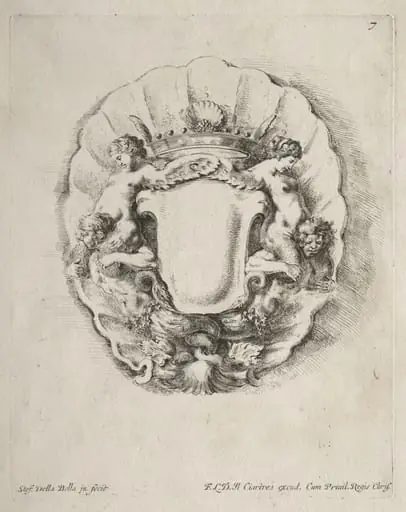
Collection of Various Caprices and New Designs of Cartouches and Ornaments: No 15
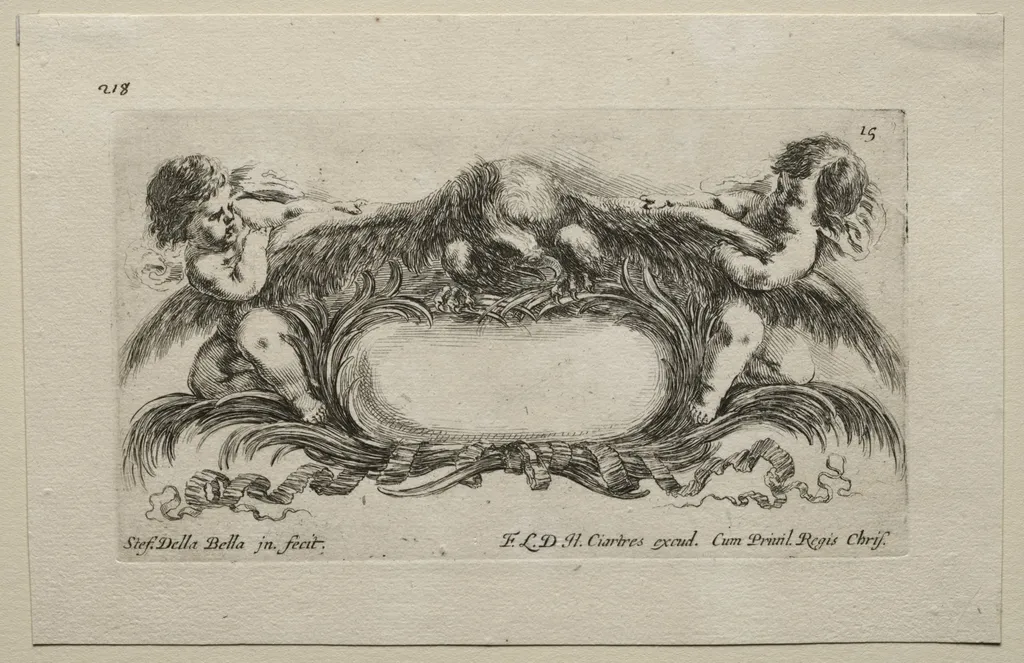
Collection of Various Caprices and New Designs of Cartouches and Ornaments: No 15 is a print by the Baroque artist Stefano Della Bella. It dates from 1642 and is held in the collection of the Cleveland Museum of Art.
About this work
Overview
As a Florentine artist known for his prolific etchings, della Bella specialized in intricate decorative forms that bridged fine art and applied design.
Created around 1642 by Stefano della Bella, this print is one of many in a series of ornamental designs intended as templates for craftsmen. As a Florentine artist known for his prolific etchings, della Bella specialized in intricate decorative forms that bridged fine art and applied design. This piece, executed in ink, showcases his facility with line and his interest in translating spontaneous draftsmanship into reproducible patterns for use in architecture and publishing.
Subject & Meaning
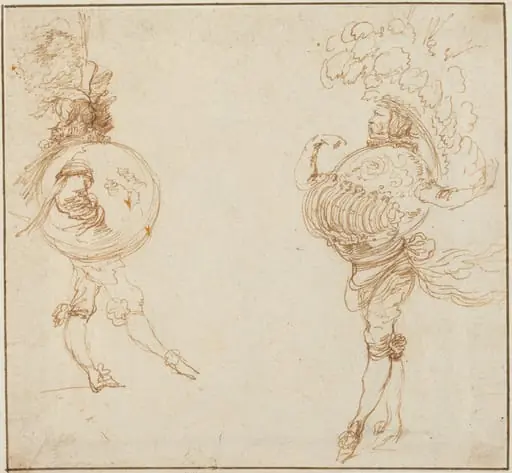
The composition features a dense arrangement of scrolls, foliage, and miniature figures—musicians, animals, and mythic creatures—integrated into swirling frames. These elements do not convey a narrative but instead celebrate ornament as a form of visual play. The inclusion of whimsical details, such as a dog chasing its tail or a lute player, suggests a delight in the absurd and the decorative, reflecting Renaissance and Baroque traditions of fanciful design.
Technique & Style
Della Bella rendered the design with rapid, assured pen strokes, emphasizing fluidity over precision. The lines are deliberately uneven, with occasional hesitations and ink blots preserved, revealing the hand of the artist. This approach contrasts with the polished finish expected in engraved plates, underscoring the drawing’s role as a preliminary model. The density of detail and rhythmic flow of forms demonstrate his mastery of linear composition and decorative pacing.
History & Provenance
The print was produced as part of a larger portfolio of ornamental studies meant for dissemination among artisans and publishers. Such collections were circulated among engravers, stucco workers, and book illustrators across Europe. While the original drawing likely resided in della Bella’s studio, surviving impressions were used as references in decorative arts production throughout the 17th century, particularly in France and the Low Countries.
Context
In mid-17th century Florence, artists like della Bella operated at the intersection of fine art and craft. Ornamental design was a vital commercial activity, with demand rising for embellishments in books, furniture, and interiors. His work responded to this market while retaining the spontaneity of personal expression, distinguishing him from more rigid academic draftsmen and aligning him with a broader European trend of artist-as-decorator.
Legacy
Della Bella’s caprices influenced generations of decorative artists by demonstrating that ornament could be both inventive and functional. His willingness to preserve the energy of the sketch in final designs challenged the notion that preparatory work must be refined before reproduction. Surviving examples in museum collections attest to the enduring utility and aesthetic appeal of his approach to pattern-making.
Artist & collection
Artist
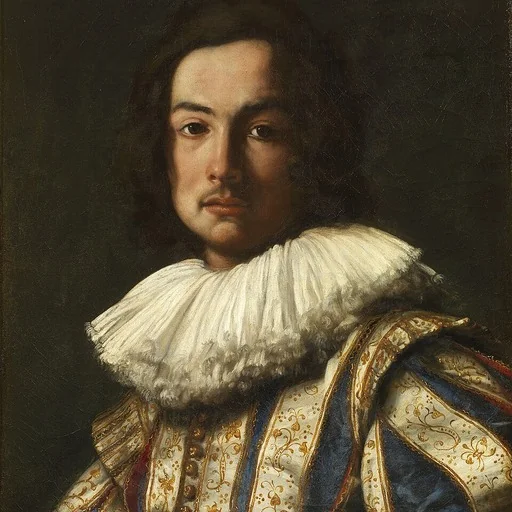
Stefano della Bella (18 May 1610 – 12 July 1664) was an Italian draughtsman and printmaker known for etchings of a great variety of subjects, including military and court scenes, landscapes, and lively genre scenes.

![The Flight into Egypt [verso], by Stefano Della Bella](https://artifactworldgallery.com/img/stefano-della-bella--the-flight-into-egypt-verso--3a100db72e6d25e3-w320.webp)
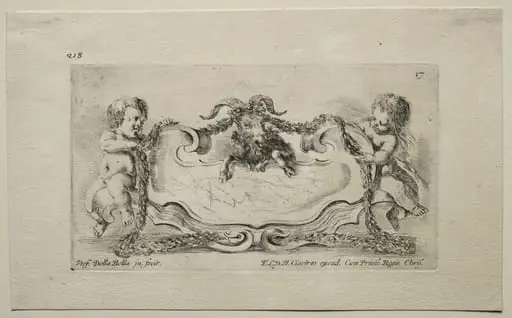 Collection of Various Caprices and New Designs of Cartouches and Ornaments: No 17
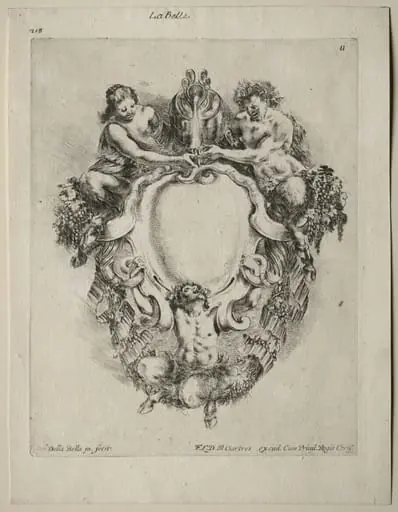 Collection of Various Caprices and New Designs of Cartouches and Ornaments: No 11
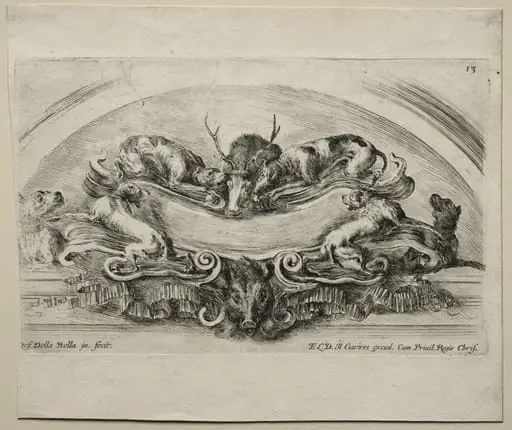 Collection of Various Caprices and New Designs of Cartouches and Ornaments: No 13
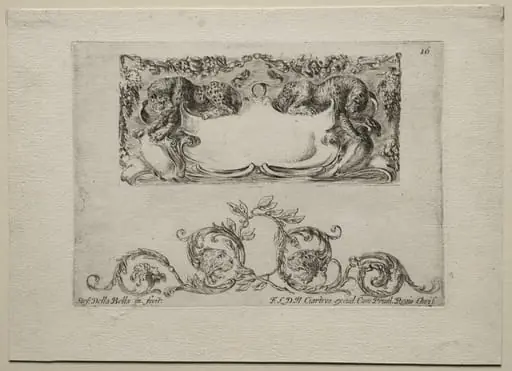 Collection of Various Caprices and New Designs of Cartouches and Ornaments: No 16
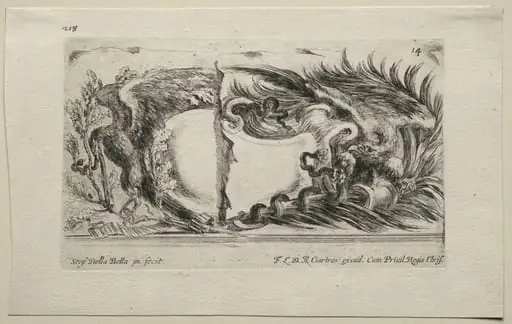 Collection of Various Caprices and New Designs of Cartouches and Ornaments: No 14
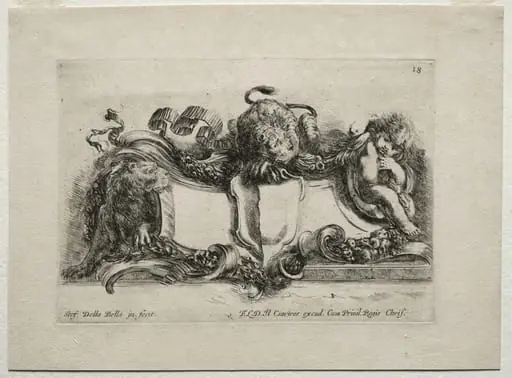 Collection of Various Caprices and New Designs of Cartouches and Ornaments: No 18
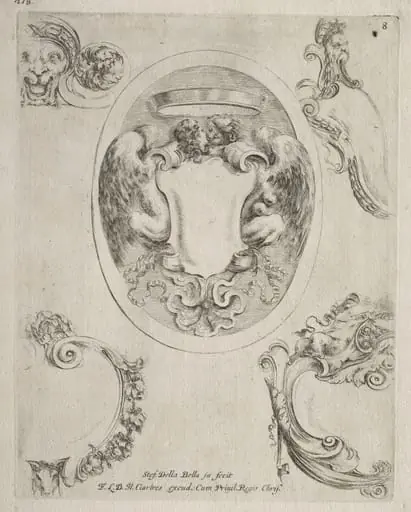 Collection of Various Caprices and New Designs of Cartouches and Ornaments: No 8
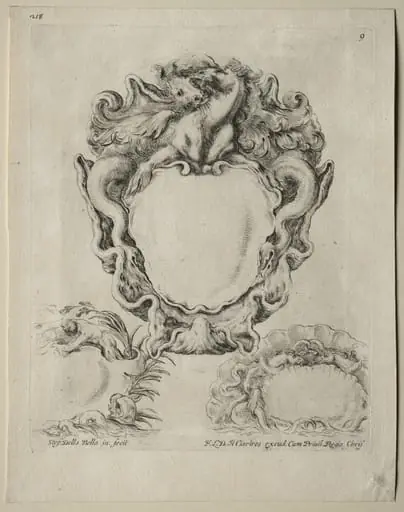 Collection of Various Caprices and New Designs of Cartouches and Ornaments: No. 9
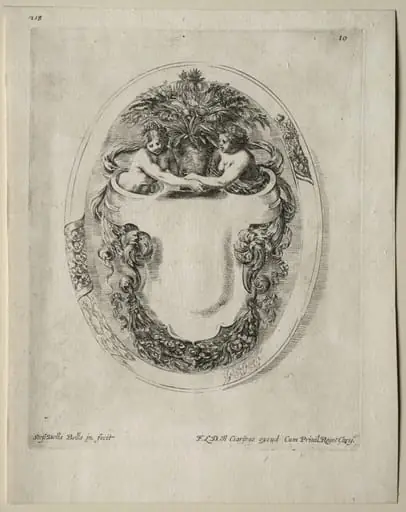 Collection of Various Caprices and New Designs of Cartouches and Ornaments: No 10
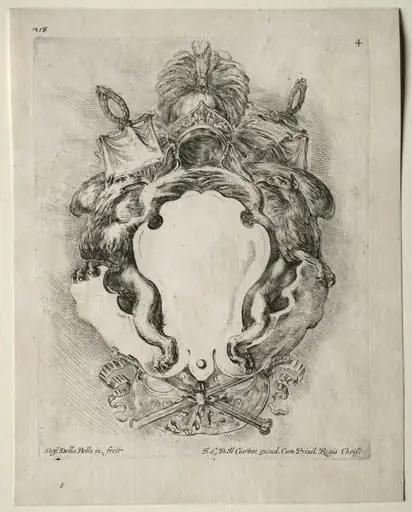 Collection of Various Caprices and New Designs of Cartouches and Ornaments: No. 4
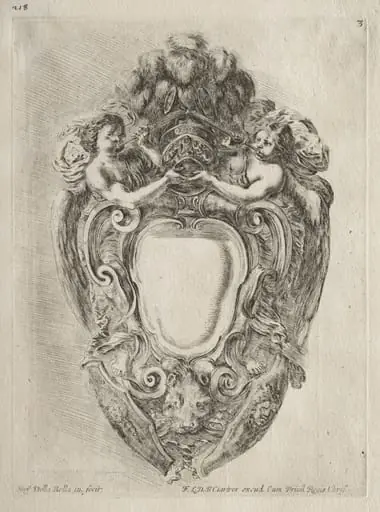 Collection of Various Caprices and New Designs of Cartouches and Ornaments: No. 3
 Collection of Various Caprices and New Designs of Cartouches and Ornaments: No 7