Artwork
Penitence
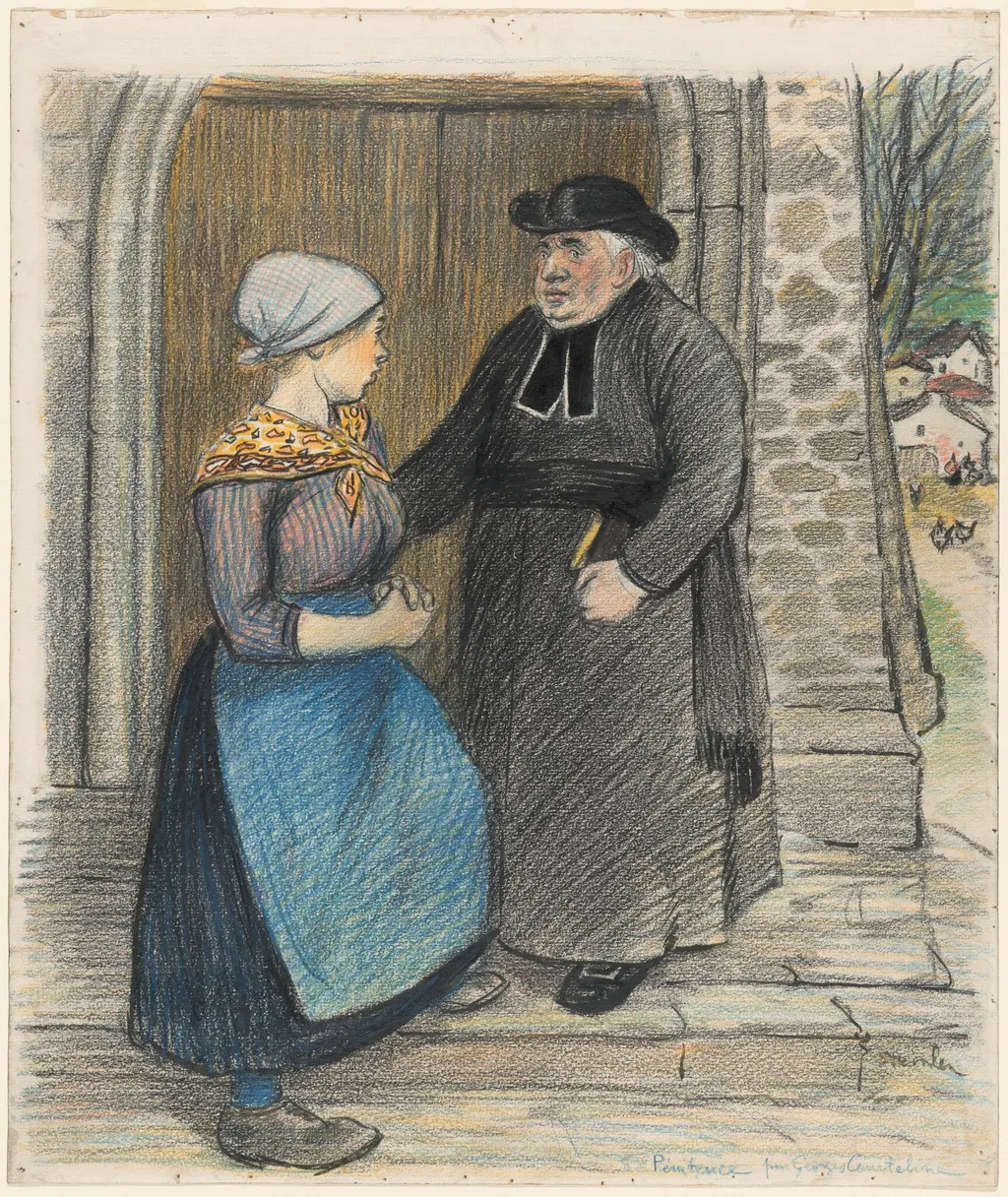
Penitence is an ink drawing by the Impressionist artist Théophile Alexandre Steinlen. It dates from 1899 and is held in the collection of the National Gallery of Art.
About this work
Overview
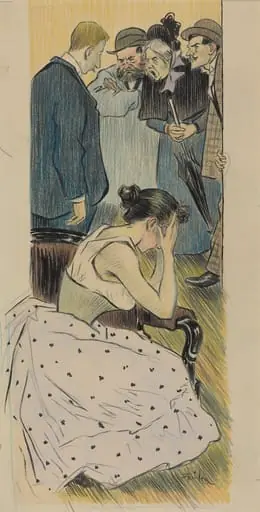
Created in 1899 by Théophile Alexandre Steinlen, *Penitence* is a drawing executed in brush and black ink, enhanced with black and colored crayon.
Created in 1899 by Théophile Alexandre Steinlen, *Penitence* is a drawing executed in brush and black ink, enhanced with black and colored crayon. Steinlen, a Swiss-born artist active in France, was known for his illustrations in radical political journals. This work belongs to a body of drawings that convey emotional and social weight through minimal means, reflecting his commitment to depicting marginalized lives with dignity and quiet intensity.
Subject & Meaning
The drawing depicts a woman kneeling in solitary prayer, her face obscured and her clothing plain. The anonymity of the figure invites universal interpretation, suggesting guilt, sorrow, or spiritual reckoning. The title, *Penitence*, frames the scene as an act of inner contrition, possibly referencing the struggles of working-class women or the moral weight carried by those excluded from public discourse. The absence of context deepens the sense of isolation.
Technique & Style
Steinlen employed fluid brushwork and layered crayon to build form with economy. Dark, dense strokes define the figure’s posture and the surrounding space, while subtle colored crayon adds muted tonal variation. Cross-hatching reinforces volume and shadow without detail, creating a somber atmosphere. The lack of background and the focus on silhouette emphasize emotional resonance over narrative specificity, aligning with Symbolist and socially aware drawing traditions of the time.
History & Provenance
The drawing emerged during Steinlen’s most politically active years, when he contributed regularly to anarchist and socialist periodicals such as *La Révolte* and *L’Assiette au Beurre*. While its exact provenance before entering institutional collections is undocumented, its style and subject align with his other works from the late 1890s, which often illustrated the inner lives of the poor and disenfranchised. It was likely produced as a standalone piece rather than for publication.
Context
In late 19th-century France, artists like Steinlen used drawing to respond to social unrest and class inequality. *Penitence* reflects a broader trend in Art Nouveau and Symbolist circles where personal emotion and moral themes replaced overt realism. The work resonates with contemporary debates on poverty, gender, and redemption, offering a visual counterpoint to the era’s industrial optimism by centering quiet suffering rather than public spectacle.
Legacy
Though less known than Steinlen’s posters, *Penitence* exemplifies his ability to convey complex human states with restrained means. It influenced later illustrators who sought emotional depth in minimalist forms and remains a touchstone for studies of socially engaged graphic art. Its enduring presence in museum collections underscores its role as a quiet but potent document of empathy in an age of rapid social change.
Artist & collection
Artist
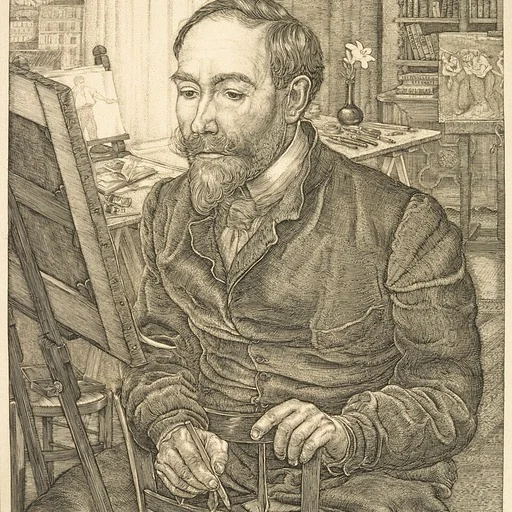
Théophile Alexandre Steinlen (November 10, 1859 – December 13, 1923), was a Swiss-born French Art Nouveau painter and printmaker. He was politically engaged and collaborated with the anarchist and socialist press.

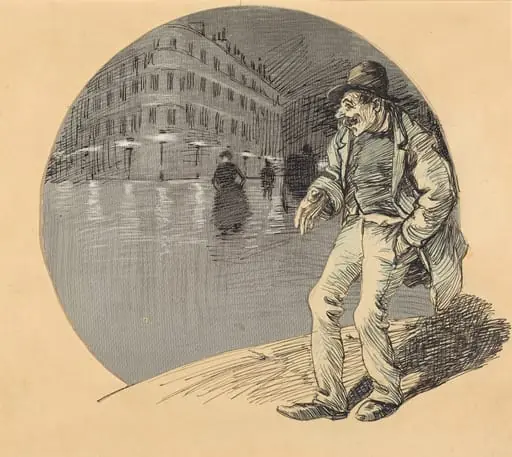
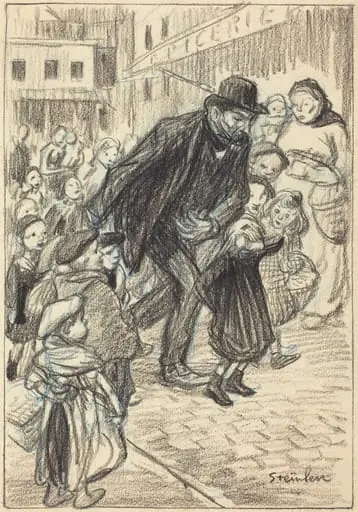
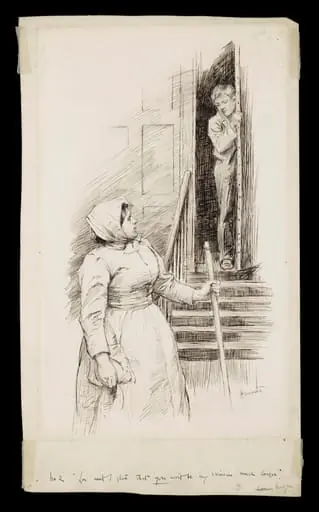 Untitled
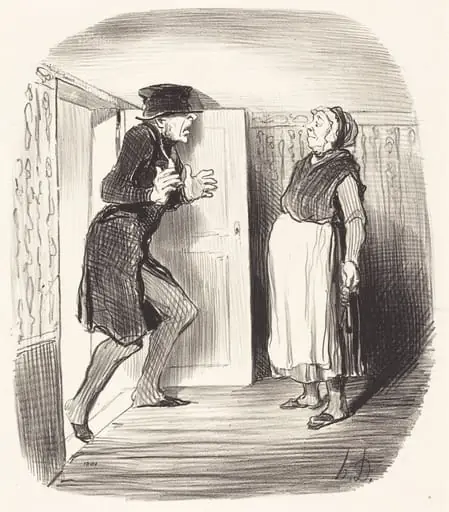 Inconvénient de visiter sans précaution un entresol...
 Vingt sous de denier a Dieu...
 A Betrothal Scene. Interior with Dutch peasants
 Domestic Dispute
 Comment!... tous mes moutons sont morts...
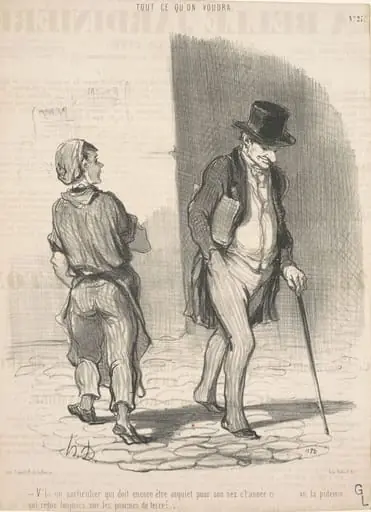 V'la un particulier qui doit ...être inquiet ...
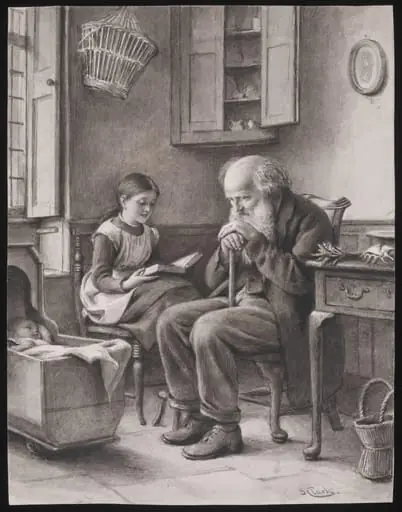 Sketch for oil painting 'The Word of Life'
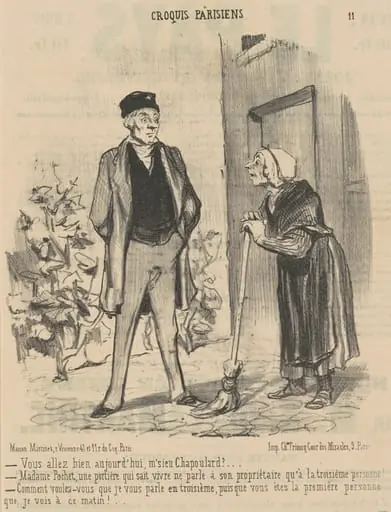 Vous allez bien aujourd'hui, M'sieu Chapoulard? ...
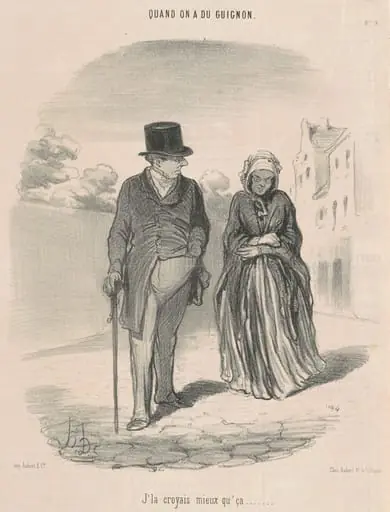 J'la croyais mieux qu'ça ...
 After Mass