Artwork
Portret de femeie
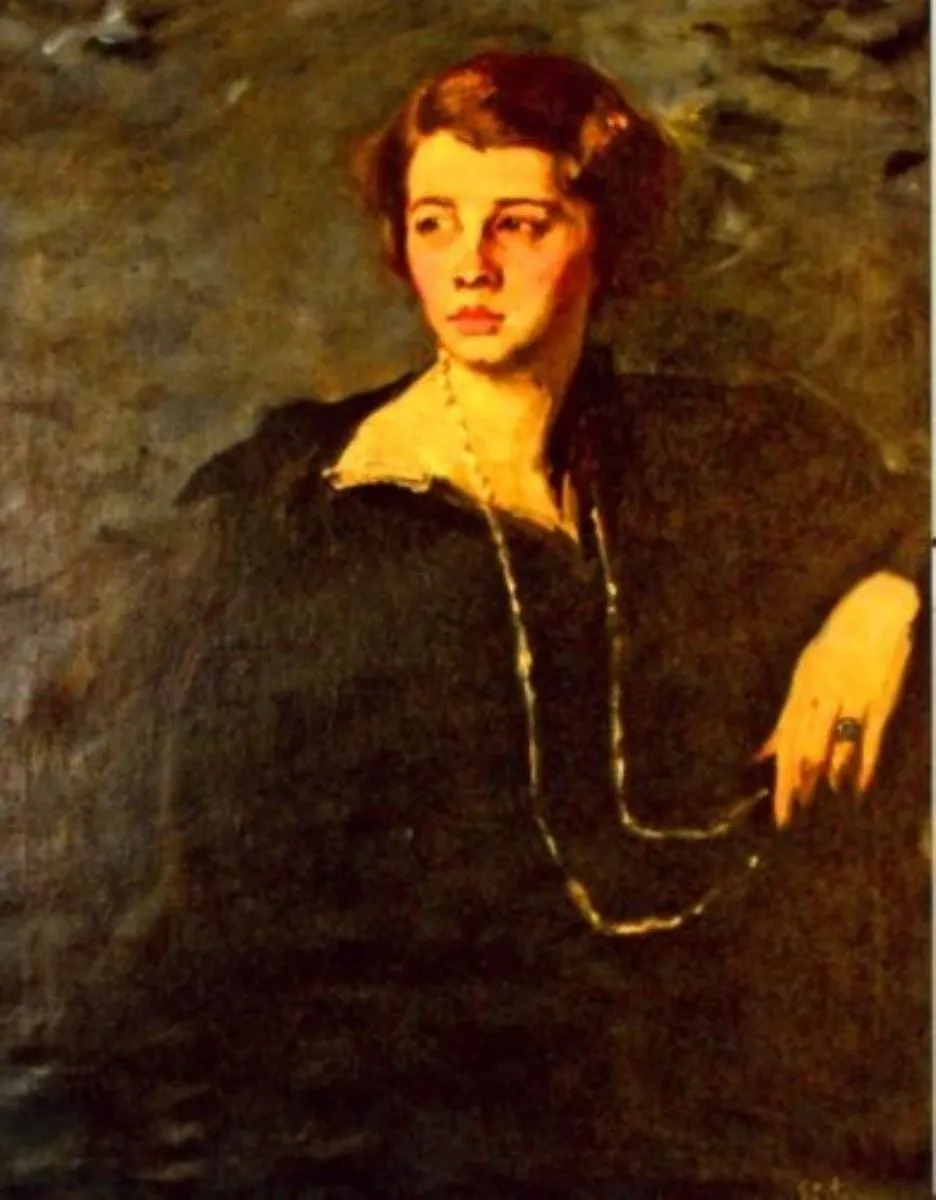
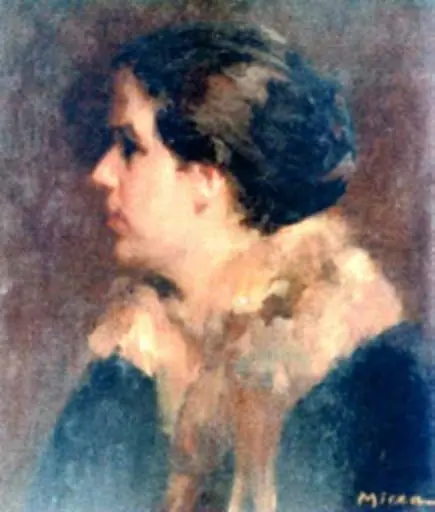
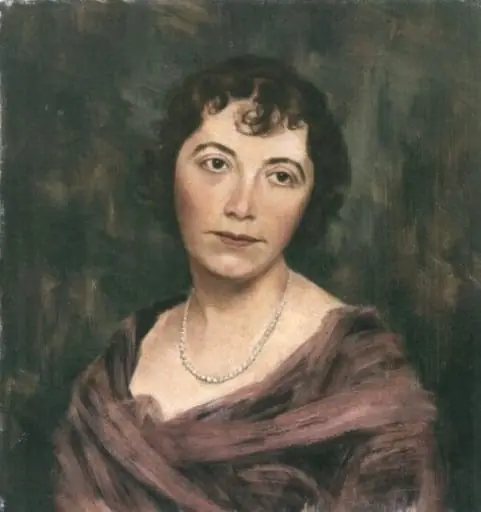
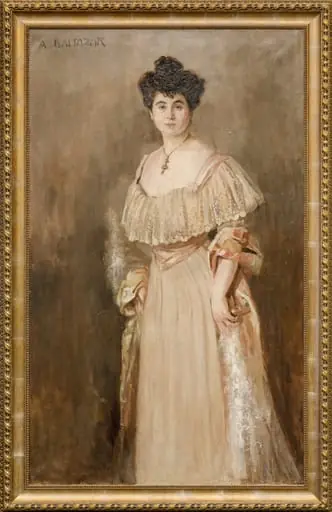
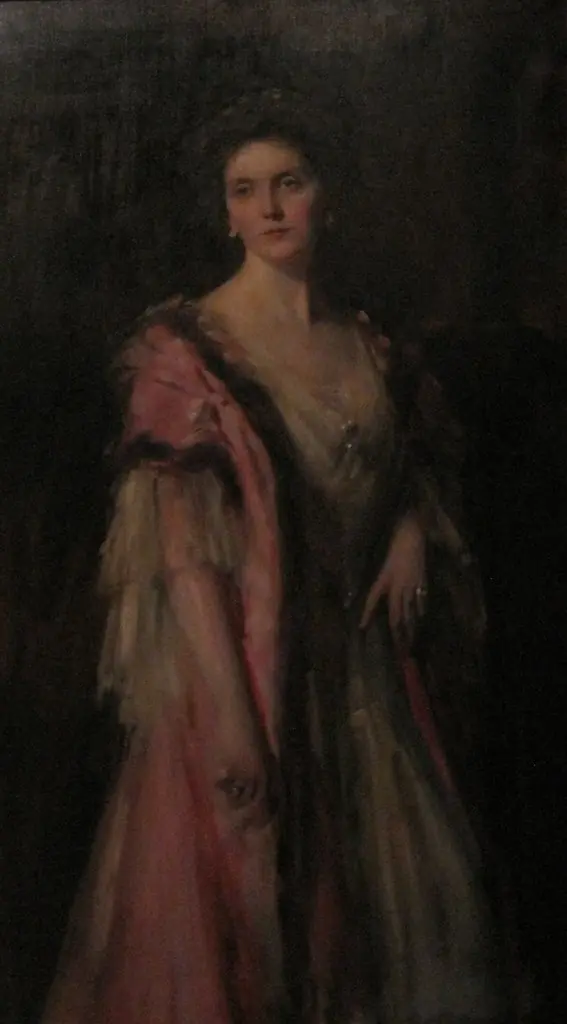
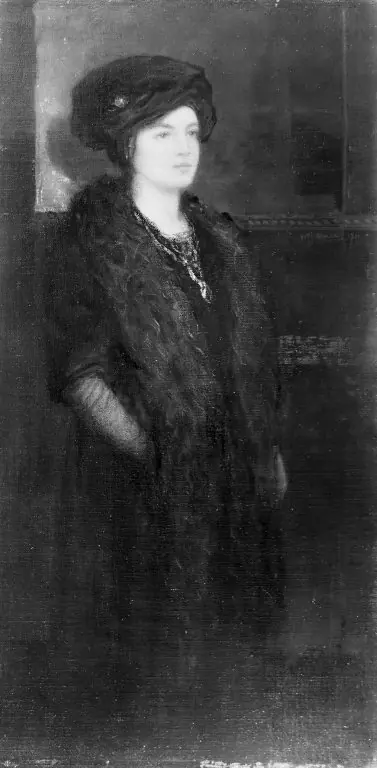
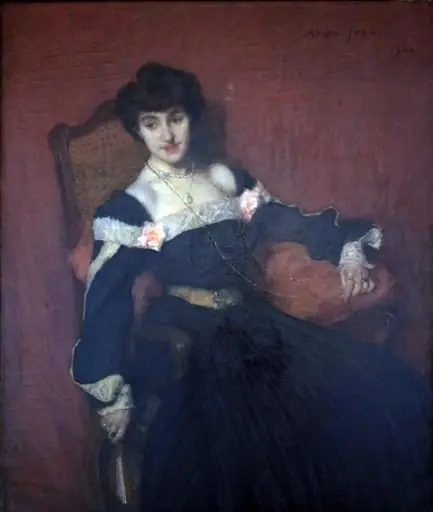
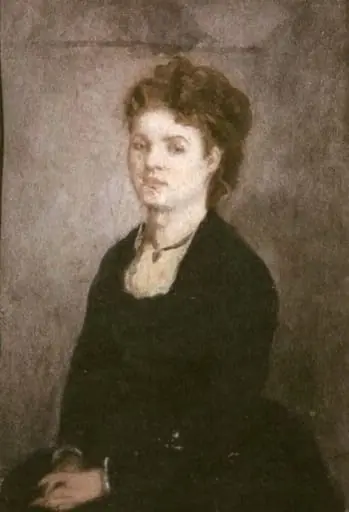
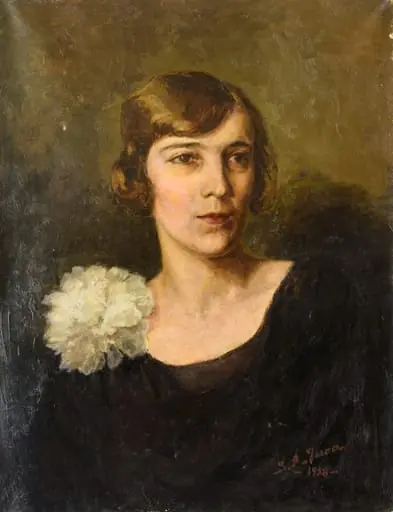
Portret de femeie is an unspecified painting by Eustațiu Stoenescu. It dates from 1930 and is held in the collection of the Argeș County Museum.
About this work
Overview
This work reflects his established technique and sustained engagement with European academic traditions, particularly in the rendering of light and character.
Painted around 1930 by Romanian artist Eustațiu Stoenescu, *Portret de femeie* is a formal portrait that exemplifies his refined approach to depicting individual presence. Stoenescu, trained in Paris under Jean-Paul Laurens, developed a career centered on psychological depth in portraiture. This work reflects his established technique and sustained engagement with European academic traditions, particularly in the rendering of light and character.
Subject & Meaning
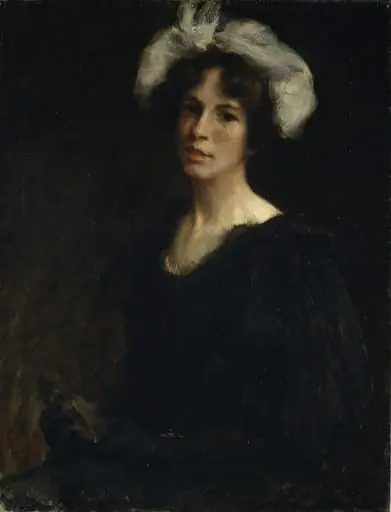
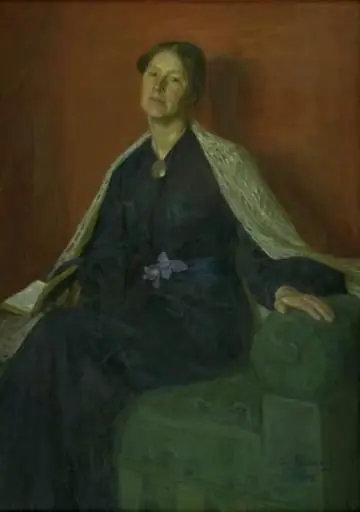
The subject is a woman portrayed with quiet dignity, her direct gaze and composed posture suggesting introspection rather than performative elegance. Her dark clothing and minimal jewelry emphasize restraint, while the absence of narrative elements focuses attention on her demeanor. The painting conveys a sense of inner stillness, aligning with early 20th-century portraiture that valued psychological nuance over ornamentation.
Technique & Style
Stoenescu employs a controlled chiaroscuro to model the woman’s face and neck against a deep, uniform background. The contrast enhances the three-dimensionality of her features without dramatic lighting effects. Brushwork is precise yet unobtrusive, favoring smooth transitions over visible texture. The composition is tightly framed, eliminating distractions and reinforcing the portrait’s intimate, contemplative tone.
History & Provenance
Created during the height of Stoenescu’s career, the painting follows his early recognition at the Salon officiel de Paris in 1905. While specific ownership history is not documented, its stylistic consistency with his other works from the 1920s–30s suggests it was produced for a private commission or personal study. It remains a representative example of Romanian academic portraiture from the interwar period.
Context
In the interwar years, Romanian artists like Stoenescu maintained ties to French academic traditions while navigating national cultural identity. Portraiture remained a respected genre, valued for its capacity to convey social standing and personal character. This work reflects a broader European tendency to favor restrained, psychologically grounded depictions over the emerging modernist experiments of the time.
Legacy
Stoenescu’s portraits, including this one, contributed to a Romanian artistic lineage that prioritized technical mastery and psychological realism. Though less widely known internationally, his work represents a significant strand of early 20th-century Eastern European painting that preserved academic conventions while subtly infusing them with individual sensitivity. *Portret de femeie* endures as a quiet testament to that tradition.
Artist & collection
Artist
Eustațiu Stoenescu (Craiova, 1884-New York City, 1957) was a Romanian painter principally known for his portraiture.