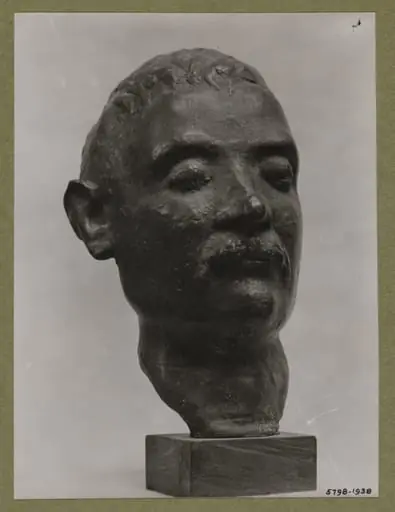
Artwork
Ionan N. Lahovary
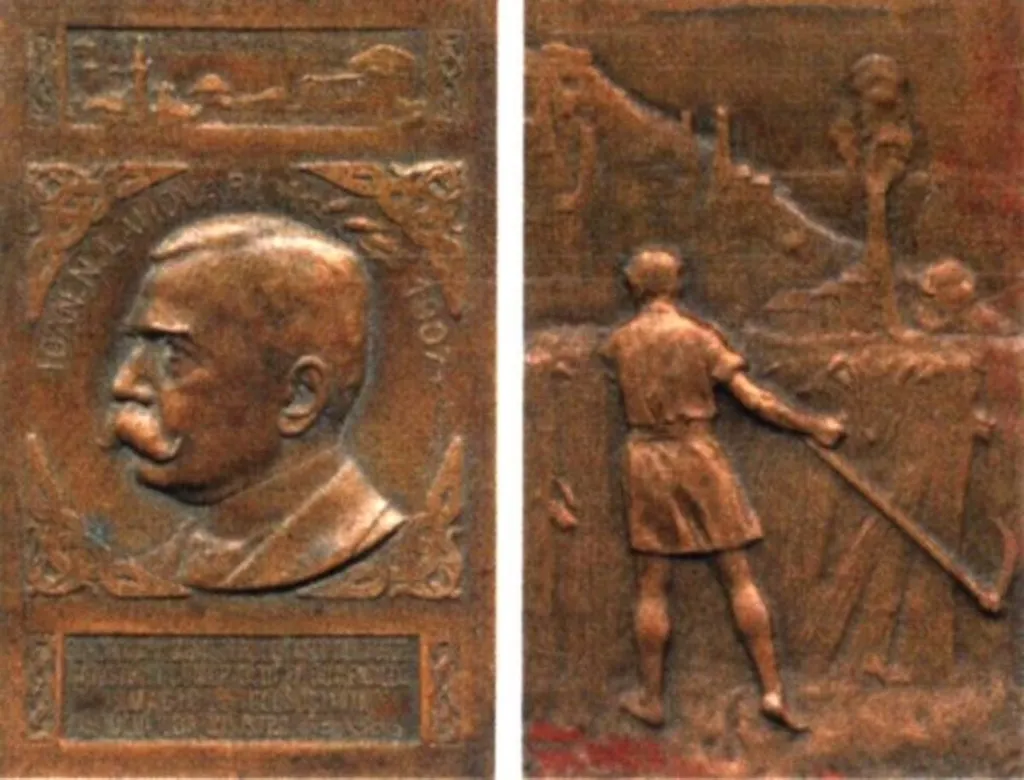
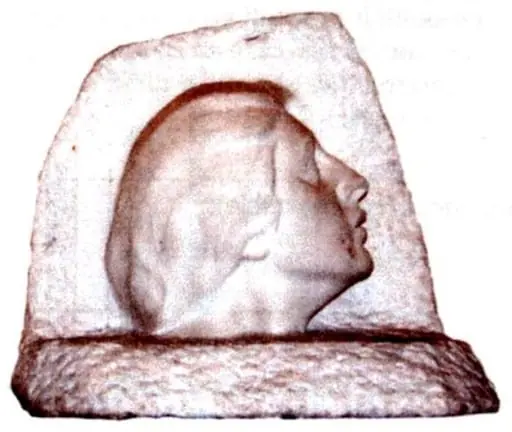
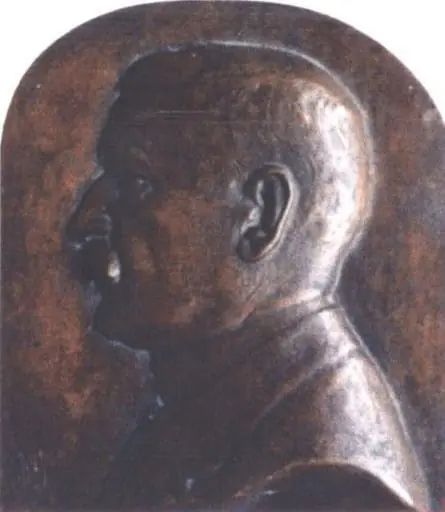
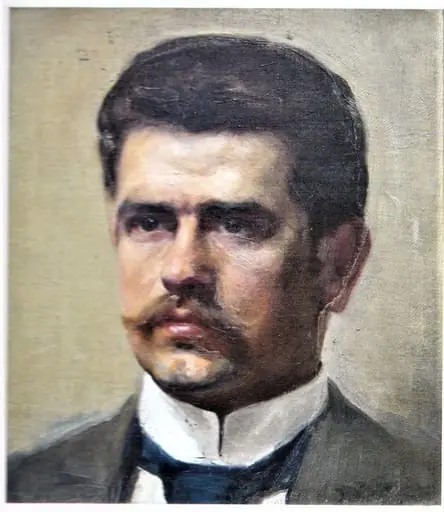
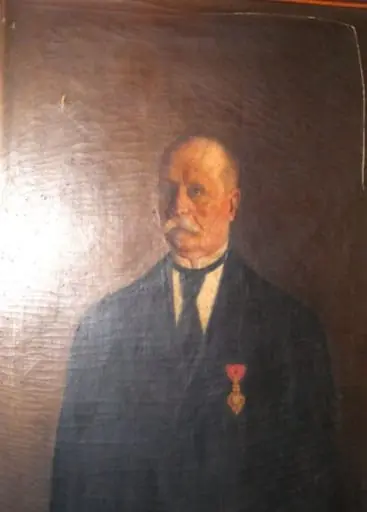
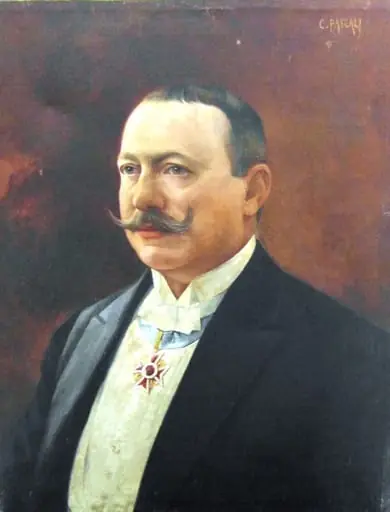
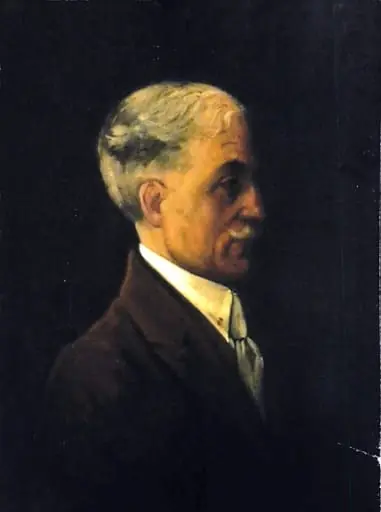
Ionan N. Lahovary is an unspecified painting by Frederic Storck. It dates from 1906 and is held in the collection of the Bucharest Municipality Museum.
About this work
Overview
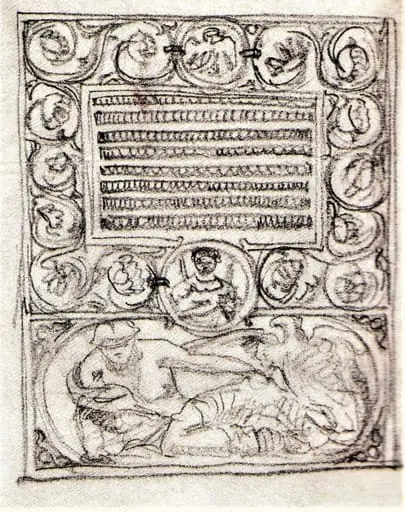
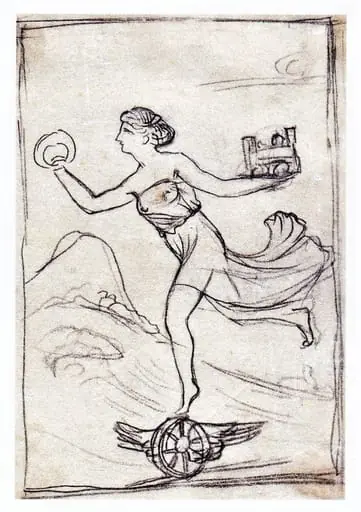
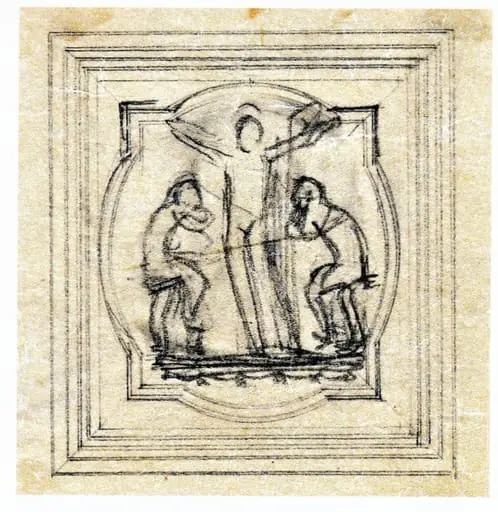
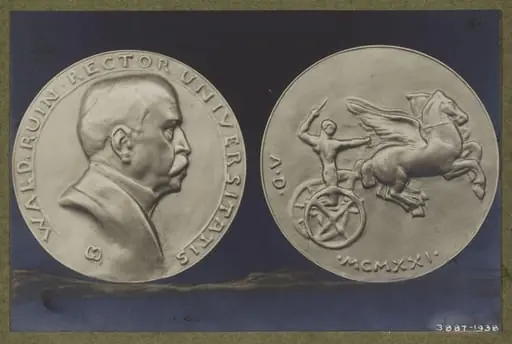
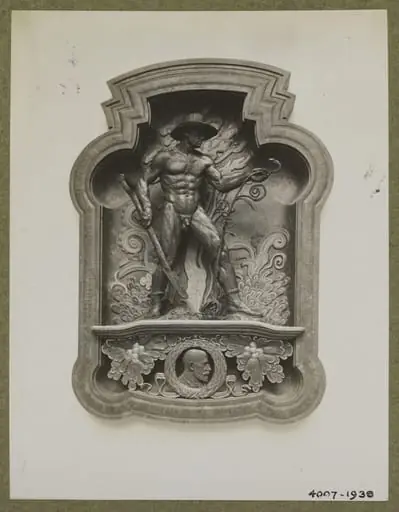
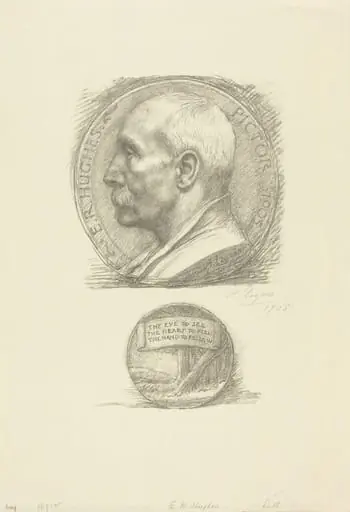
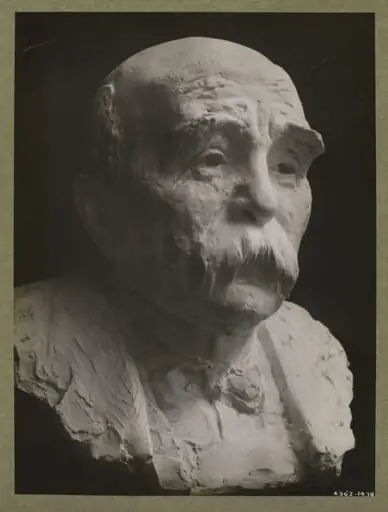
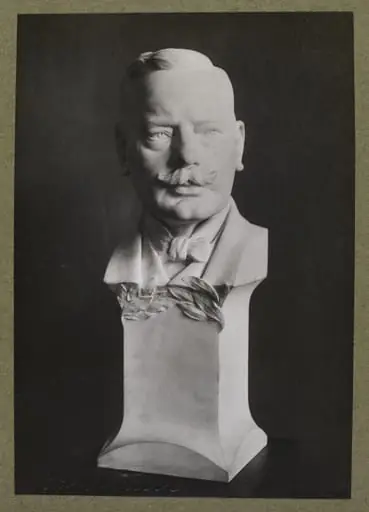
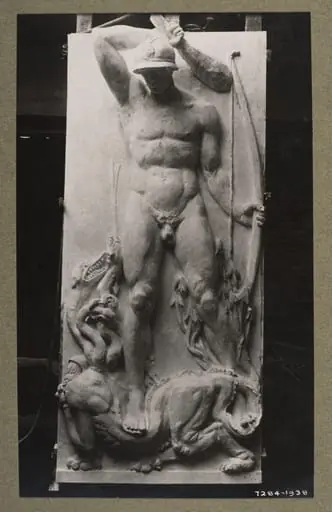
Created around 1906 by Romanian sculptor Frederic Storck, this bronze relief depicts two contrasting figures in a single composition.
Created around 1906 by Romanian sculptor Frederic Storck, this bronze relief depicts two contrasting figures in a single composition. The work is part of the collection at the Museum of Ethnography and exemplifies early 20th-century Romanian sculpture that blends portraiture with symbolic labor imagery. The piece is notable for its deliberate spatial division and use of deep carving to enhance visual contrast.
Subject & Meaning
The left panel presents a composed, formally dressed man, possibly a figure of authority or intellect, with a distant ship suggesting travel or connection beyond the local. The right panel shows a laborer straining under a heavy beam, embodying physical toil. Together, the scenes may reflect societal duality—between leadership and labor, or contemplation and exertion—without overt narrative, inviting quiet reflection on social roles.
Technique & Style
Storck employed deep relief carving to create pronounced shadows and strong tonal contrasts, emphasizing the physicality of both figures. The smooth, polished surface of the seated man contrasts with the rough, muscular forms of the laborer, enhancing their symbolic distinction. The technique draws on chiaroscuro principles, using light and depth to guide the viewer’s perception across the relief’s two halves.
History & Provenance
The work was produced during Storck’s active period in Bucharest, when he was engaged in public and institutional commissions. It entered the Museum of Ethnography’s collection in the early 20th century, likely as part of a broader effort to document Romanian cultural identity through art. Its preservation suggests recognition of its thematic and technical significance within national artistic circles.
Context
Created in the early 1900s, the piece reflects Romania’s broader cultural movements seeking to define national identity through art. While academic traditions influenced its form, the inclusion of labor imagery aligns with emerging social consciousness in Eastern European art. The relief avoids overt political messaging but subtly engages with contemporary debates on class and dignity.
Legacy
Though not widely reproduced, the relief remains a key example of Storck’s ability to merge portraiture with allegory. It contributes to the understanding of Romanian sculpture’s evolution beyond purely decorative or monumental forms. Its presence in a museum of ethnography underscores its role in representing social structures through visual language rather than historical documentation.
Artist & collection

Artist
Frederic Storck was a Romanian sculptor. His father was the sculptor Karl Storck. His brother, Carol Storck, was also a sculptor and his wife, Cecilia Cuțescu-Storck was a painter.