Artwork
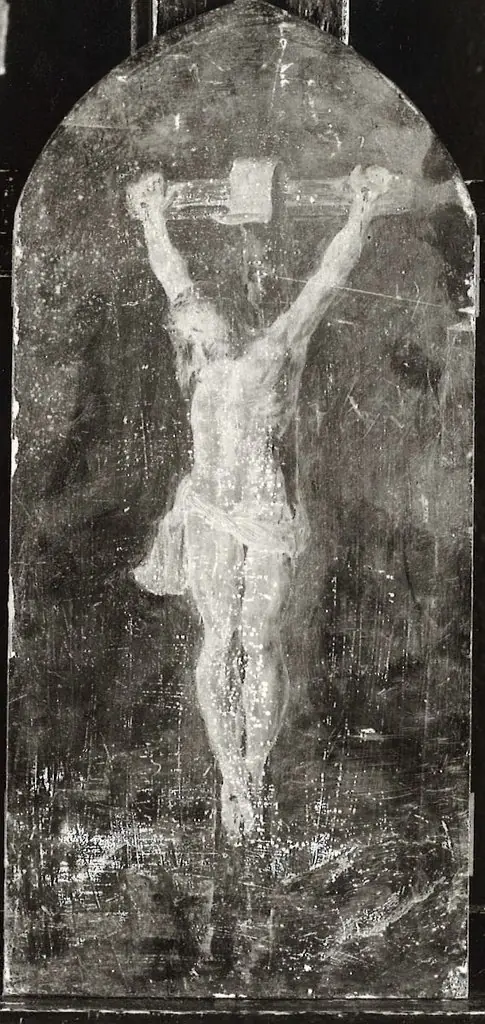
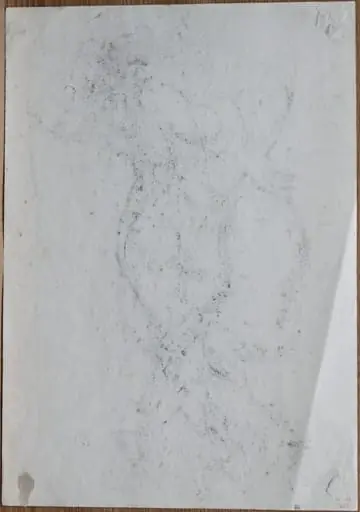
Schiță basorelief „Răstignirea”
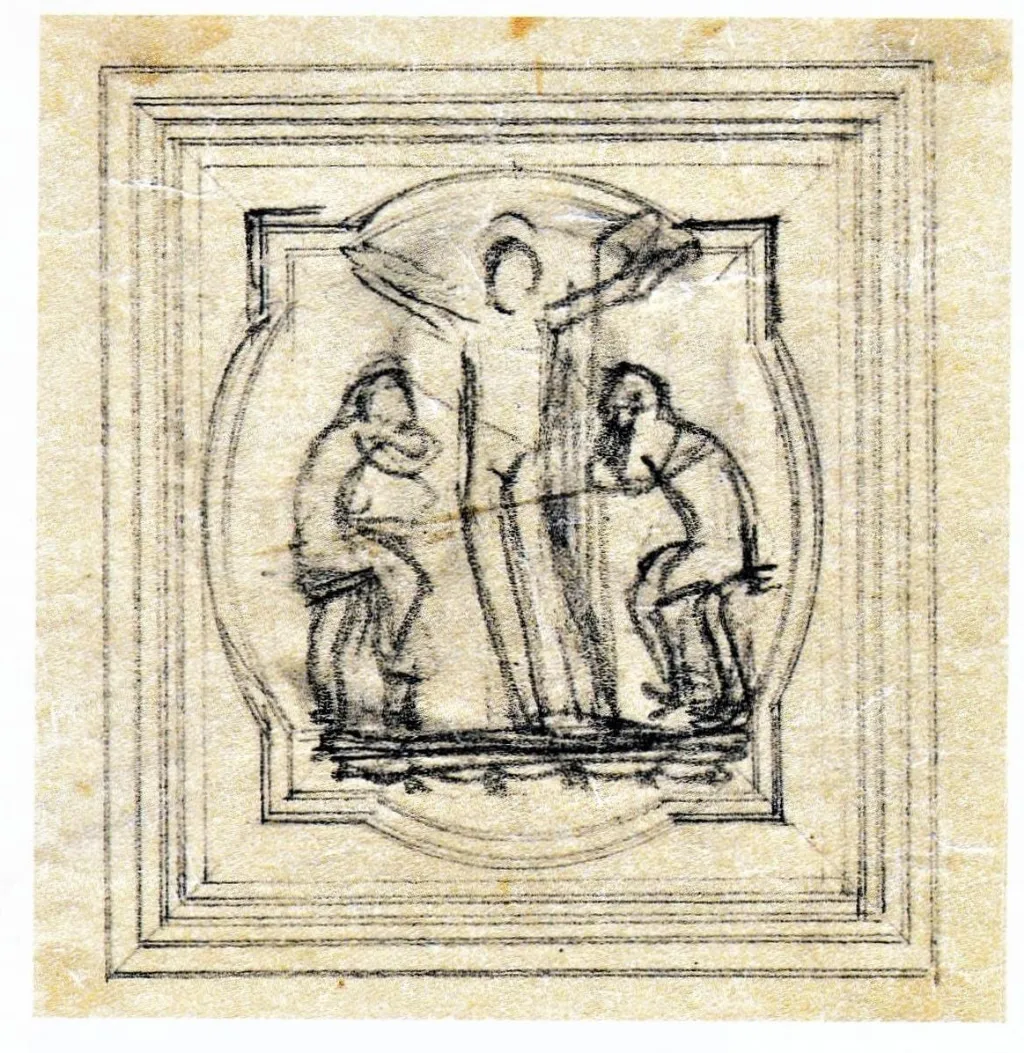
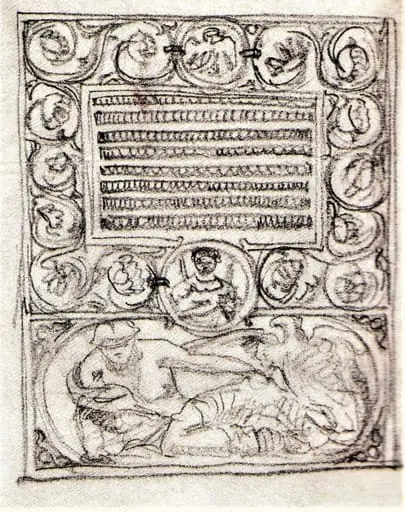
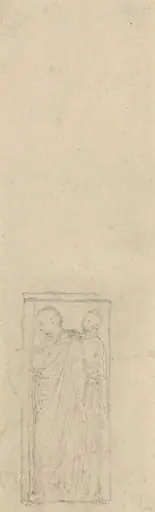
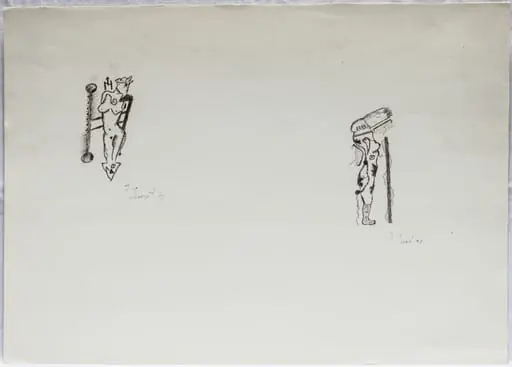
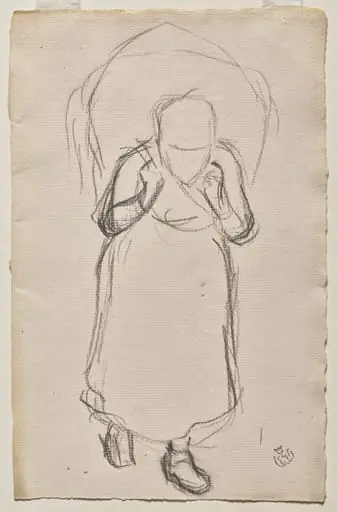
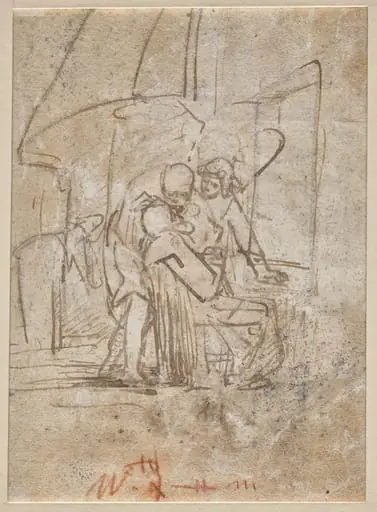
Schiță basorelief „Răstignirea” is a drawing by Frederic Storck. It dates from 1912 and is held in the collection of the Bucharest Municipality Museum.
About this work
Overview
Created in 1912 by Romanian sculptor Frederic Storck, this relief sketch depicts a religious scene within a circular composition.
Created in 1912 by Romanian sculptor Frederic Storck, this relief sketch depicts a religious scene within a circular composition. Executed in ink or graphite on paper, it serves as a preparatory study for a larger sculptural work. The piece is held in the collection of the Museum of Ethnography, where it is preserved as an example of early 20th-century Romanian artistic practice focused on sacred themes.
Subject & Meaning
The composition suggests a crucifixion scene, with one figure kneeling in reverence and another standing with arms extended upward, possibly holding a cross or divine object. The lack of contextual details like nails, crown, or background elements leaves the narrative ambiguous, emphasizing emotional posture over literal storytelling. The intent appears to be a contemplative rendering of devotion and sacrifice, stripped of ornamental detail.
Technique & Style
Storck employs bold, dark outlines and controlled cross-hatching to define form and suggest volume. The figures emerge sharply against a blank ground, with shading concentrated along contours to imply depth and movement. The simplicity of line and absence of color focus attention on gesture and posture, reflecting a sculptor’s approach to form—prioritizing structure and emotional weight over narrative specificity.
History & Provenance
This sketch was produced during Storck’s active period as a sculptor and educator in Bucharest. It remained in the artist’s possession until its acquisition by the Museum of Ethnography, likely through donation or institutional purchase in the mid-20th century. Its preservation as a study rather than a finished work highlights its role in the creative process, offering insight into Storck’s preparatory methods.
Context
In early 20th-century Romania, religious themes remained central to academic art, even as modernist trends emerged. Storck’s work reflects this tension—drawing on traditional iconography while employing a reductive, expressive style. This sketch aligns with broader European trends of using simplified forms to convey spiritual gravity, distinct from the ornate altarpieces of earlier centuries.
Legacy
As a preparatory study, this sketch contributes to understanding Storck’s artistic process and the evolution of religious sculpture in Romania. It is not widely reproduced, but within academic circles, it is valued for its directness and technical clarity. The work remains a quiet testament to the role of sketches in translating spiritual concepts into three-dimensional form.
Artist & collection

Artist
Frederic Storck was a Romanian sculptor. His father was the sculptor Karl Storck. His brother, Carol Storck, was also a sculptor and his wife, Cecilia Cuțescu-Storck was a painter.