Artwork
Potato Lifting
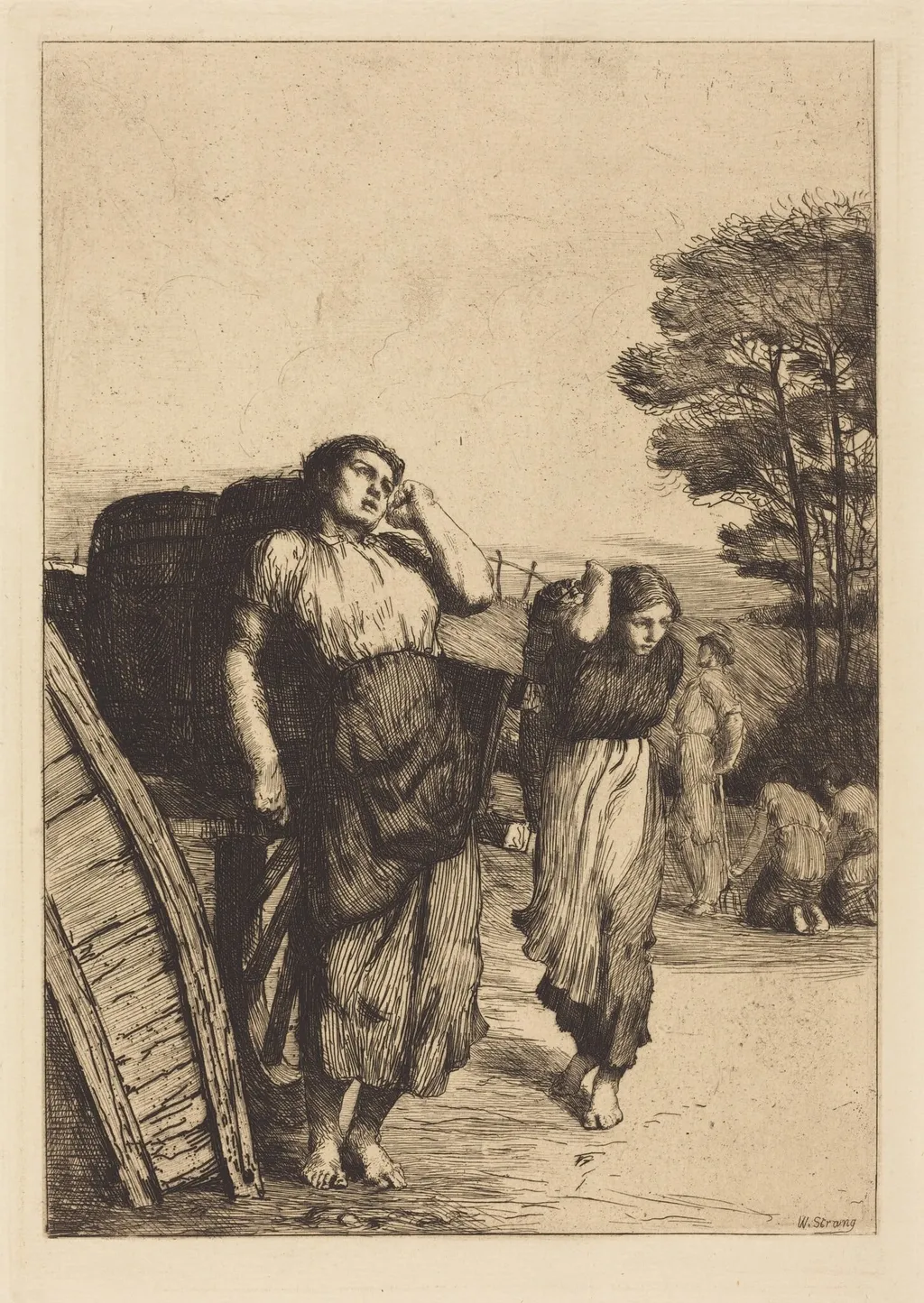
Potato Lifting is an ink print by the Impressionist artist William Strang. It dates from 1882 and is held in the collection of the National Gallery of Art.
About this work
Overview
Created during a period of renewed interest in etching as an artistic medium, the work reflects Strang’s focus on everyday life.
William Strang’s 1882 etching *Potato Lifting* captures a moment of rural labor in late 19th-century Britain. Created during a period of renewed interest in etching as an artistic medium, the work reflects Strang’s focus on everyday life. Though trained in London and influenced by Alphonse Legros, Strang turned his attention to the dignity of manual work, rendering it with quiet precision through the tonal possibilities of etching on heavy laid paper.
Subject & Meaning
The scene depicts a group of laborers harvesting potatoes in a modest field, their postures suggesting fatigue and persistence. No individual faces are detailed, emphasizing collective effort over personal identity. The central figure, a woman hauling a heavy sack, anchors the composition, while others bend or move in the background. The absence of idealization underscores the physical reality of agricultural work, presenting it as unvarnished and essential.
Technique & Style
Strang employed etching to achieve subtle gradations of light and shadow, enhancing the texture of soil, fabric, and foliage. The heavy laid paper supports the medium’s capacity for fine line work and atmospheric depth. Loose, expressive strokes define the figures and landscape, avoiding sharp detail in favor of implied movement and weight. The technique allows the viewer to feel the grit of the earth and the strain of labor without overt dramatization.
History & Provenance
Created in 1882, *Potato Lifting* emerged during the British etching revival, when artists sought to reclaim the medium from reproductive uses and elevate it as a vehicle for original expression. Strang, already known for illustrations, turned to etching to explore social themes. The work entered public collections in the decades following its creation, recognized for its quiet realism amid a wave of genre-focused prints.
Context
In the 1880s, British artists increasingly turned to rural subjects as industrialization reshaped society. Strang’s depiction of potato harvesting aligns with broader efforts to document working-class life, echoing contemporaries like Hubert von Herkomer. Unlike sentimental portrayals, Strang’s approach avoids narrative flourish, instead offering a restrained observation of labor’s rhythms, rooted in direct experience and technical mastery.
Legacy
Strang’s etchings, including *Potato Lifting*, contributed to the legitimization of etching as a serious artistic form in Britain. His focus on laborers influenced later printmakers interested in social realism. Though not widely exhibited today, the work remains a quiet testament to the dignity of agricultural work and the expressive potential of etching when used with restraint and attention to detail.
Artist & collection

Artist
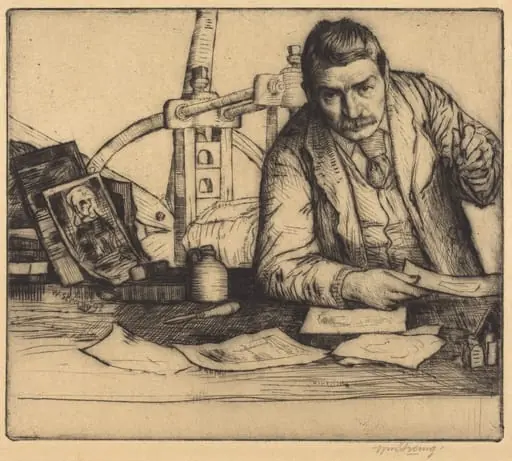
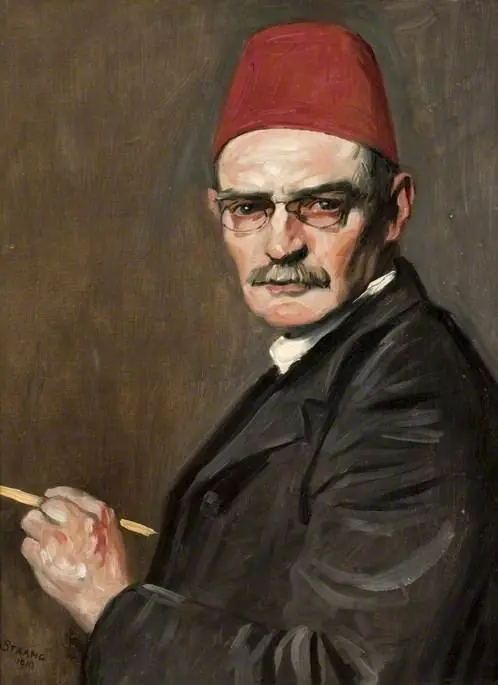
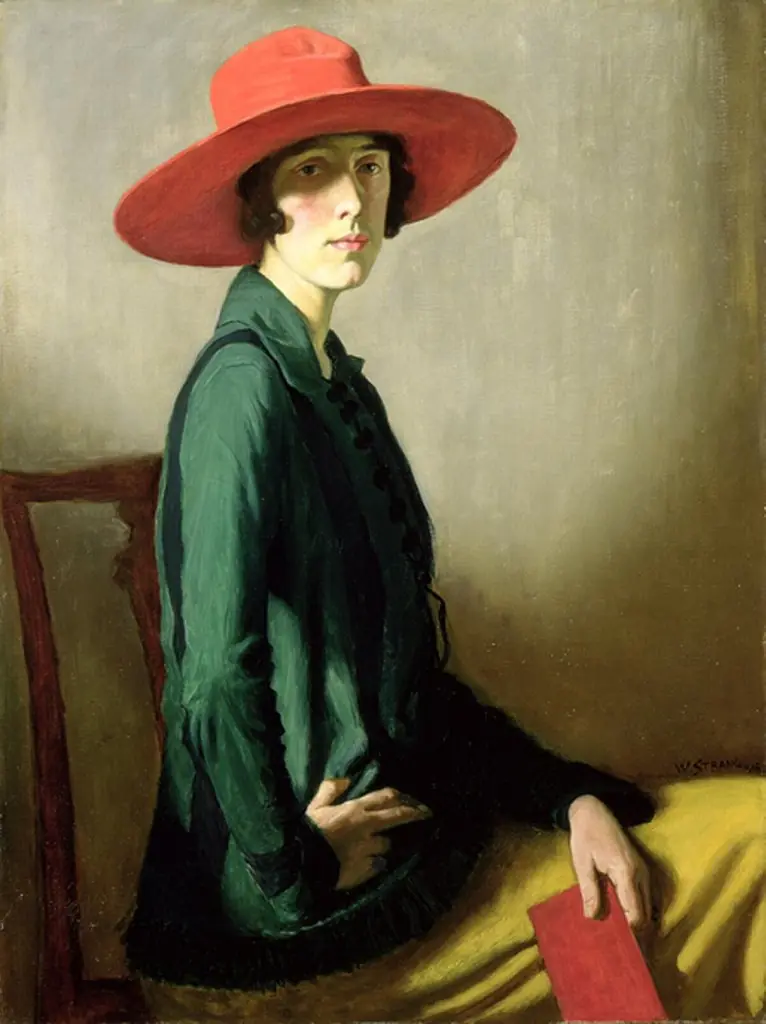
William Strang (13 February 1859 – 12 April 1921) was a Scottish painter and printmaker, notable for illustrating the works of Bunyan, Cervantes, Coleridge, Kipling, and others.

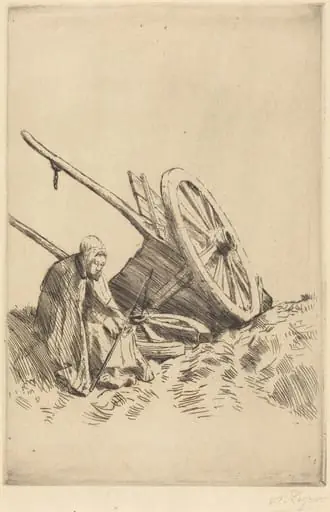 Broken Cart (La charrette brisee)
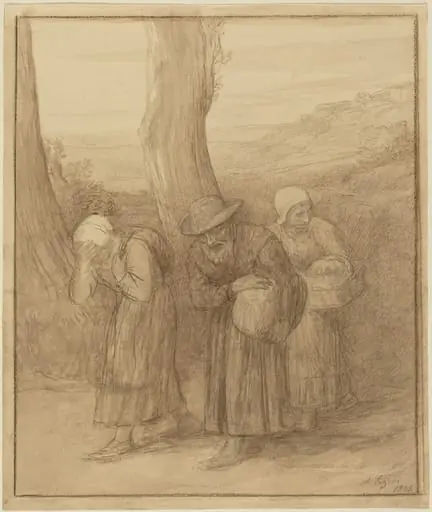 The Departure
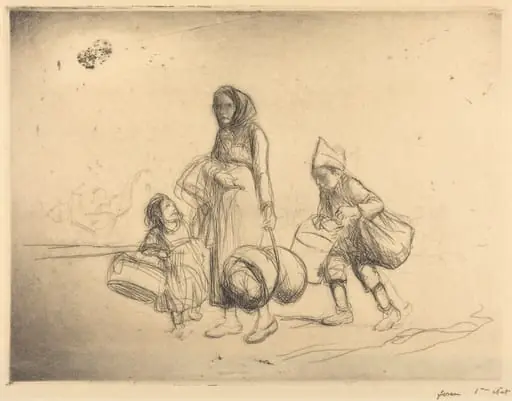 Le retour au foyer (The Return Home)
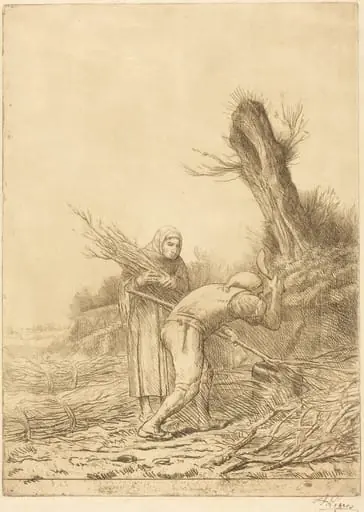 Fagot-makers (Les faiseurs de fagots)
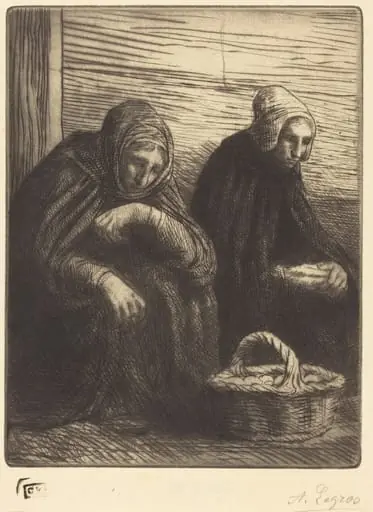 Egg-sellers, 2nd plate (Les marchandes d'oeufs)
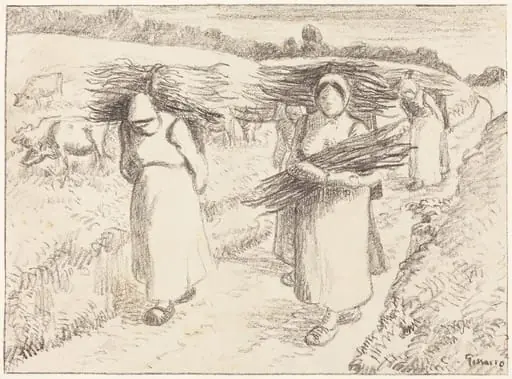 Peasants Carrying Sticks (Paysannes portant des fagots)
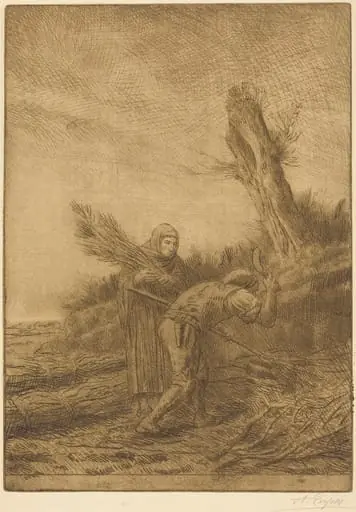 Fagot-makers (Les faiseurs de fagots)
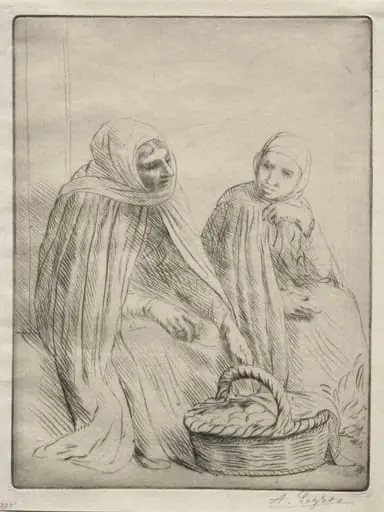 The Egg Merchants (1st Plate)
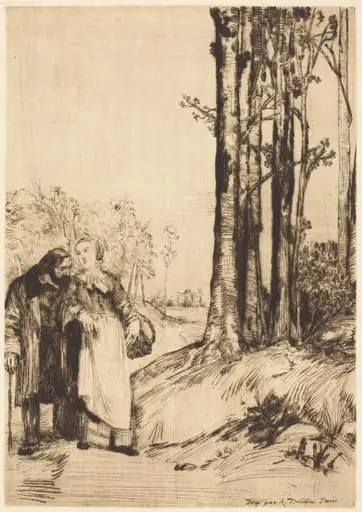 Stroll of the Convalescent (La promenade du convalescent)
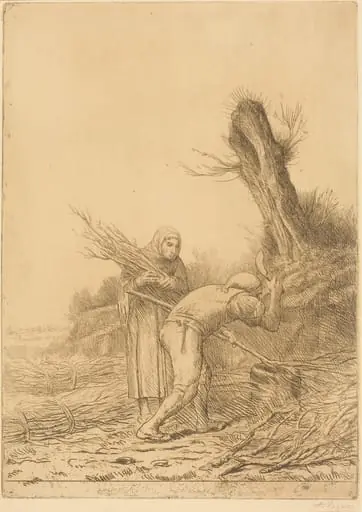 Fagot-makers (Les faiseurs de fagots)
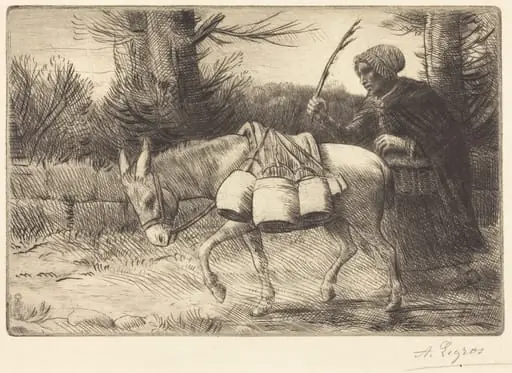 Milkmaid of Boulogne, 3rd plate (Laitiere a Boulogne)
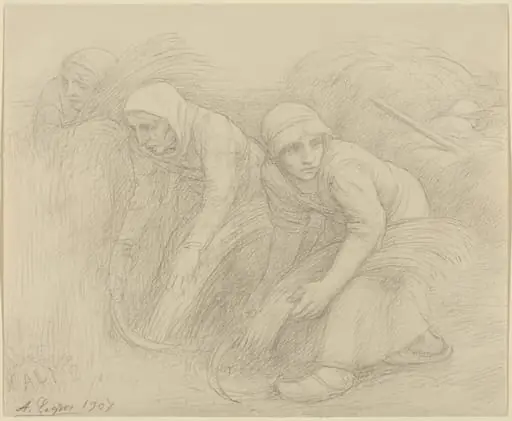 The Reapers