Artwork
Tarquinius și Lucreția
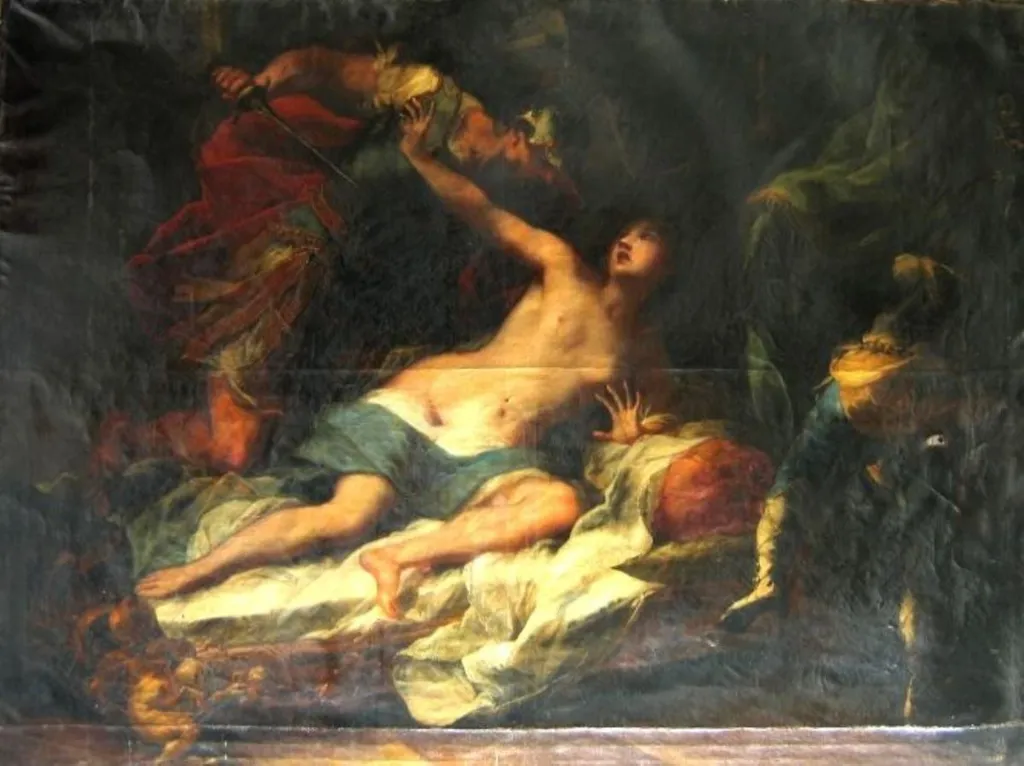
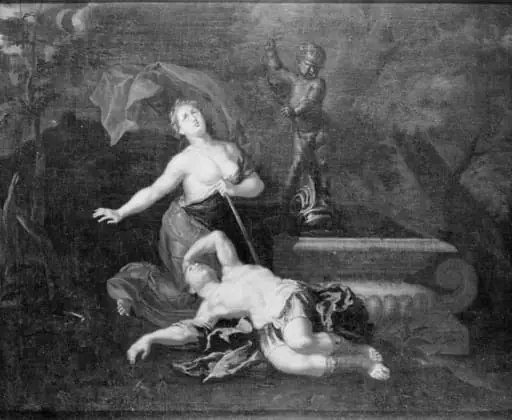
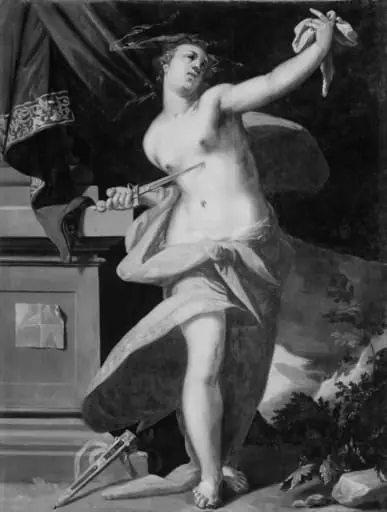
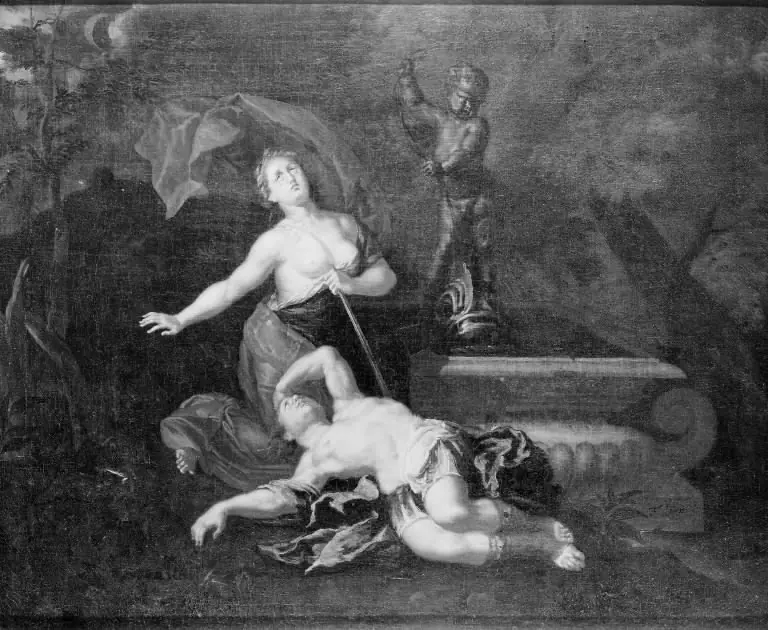
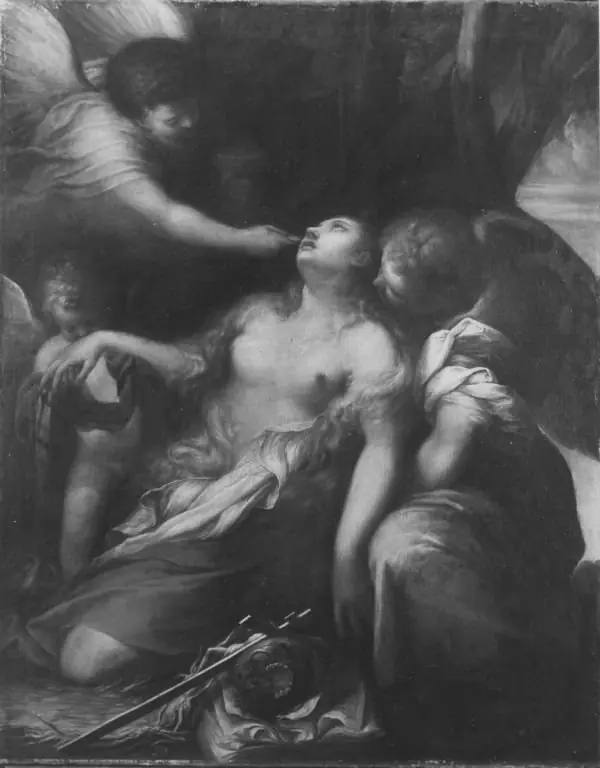
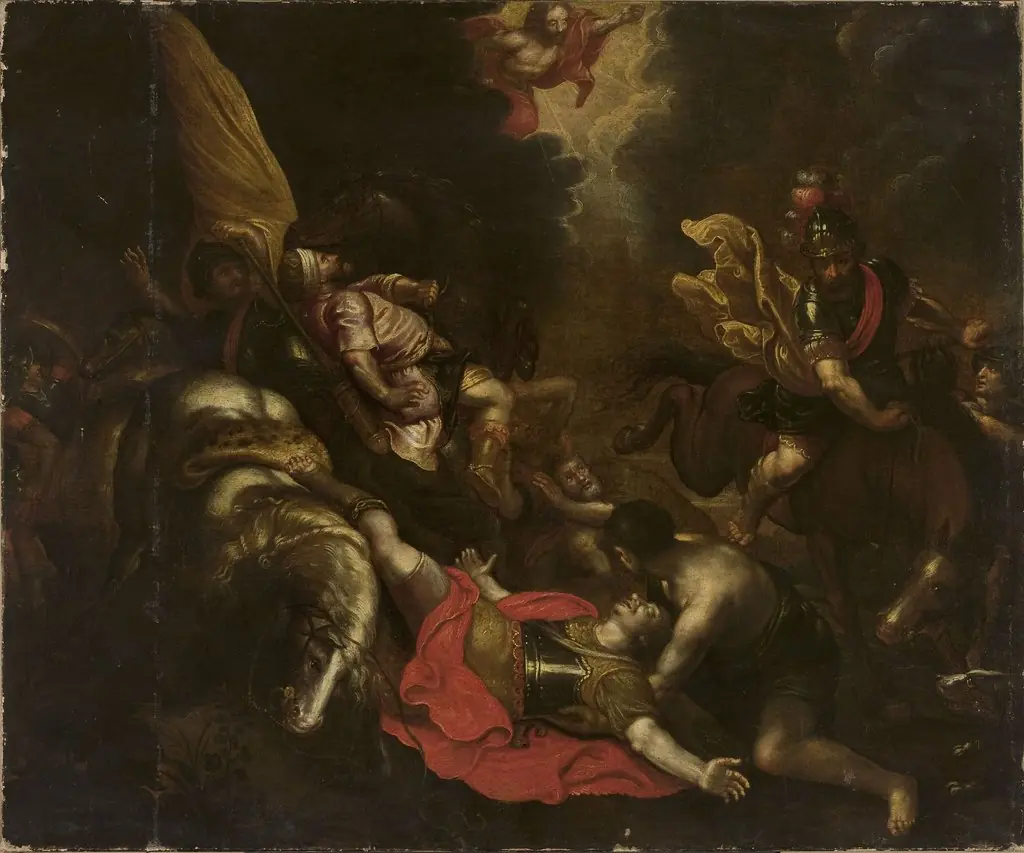
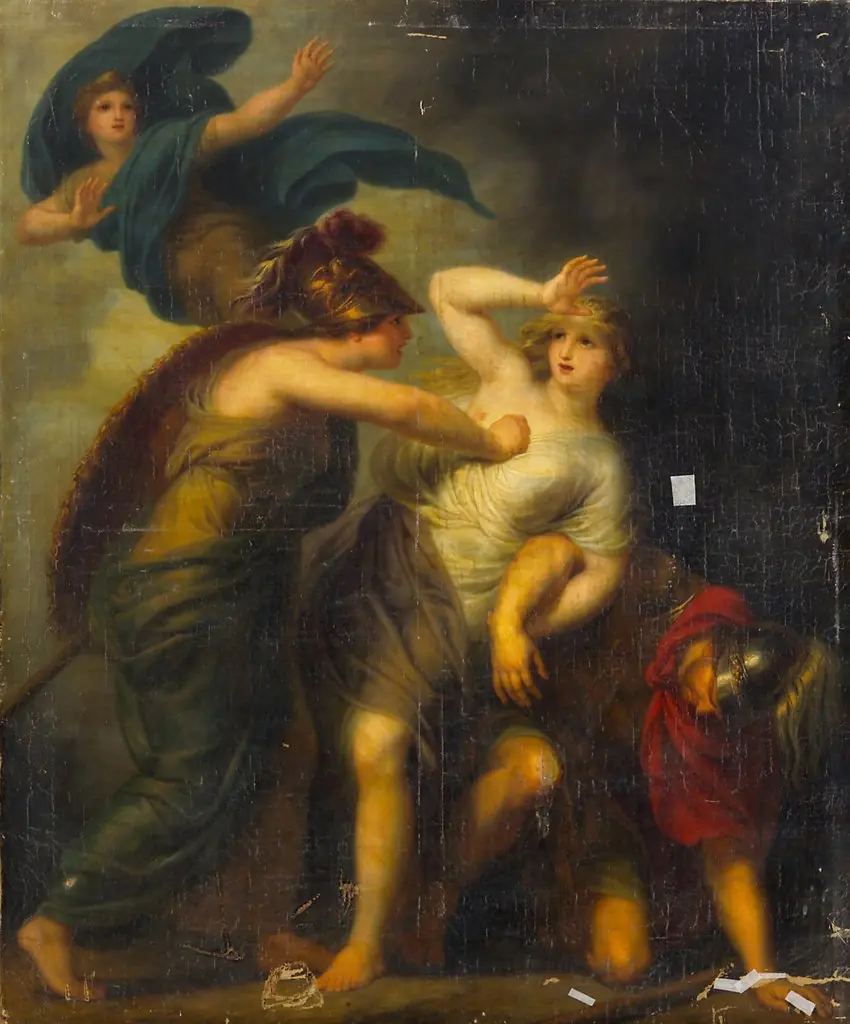
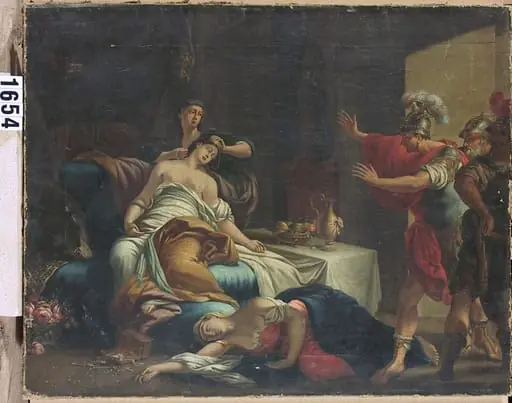
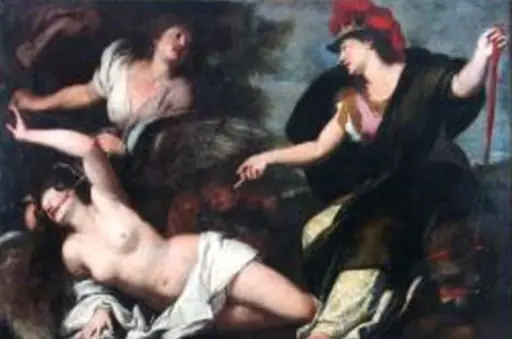
Tarquinius și Lucreția is an unspecified painting by the Baroque artist Peter Strudel von Strudendorf. It is held in the collection of the Brukenthal National Museum. This painting depicts a moment of violent intrusion in a dimly lit interior.
About this work
Overview
Three figures are arranged in a tense composition: a woman on the ground, a man with a raised sword, and a bystander in green.
This painting depicts a moment of violent intrusion in a dimly lit interior. Three figures are arranged in a tense composition: a woman on the ground, a man with a raised sword, and a bystander in green. The scene is rendered with intense contrasts of light and shadow, drawing focus to the woman’s expression and form. The palette is dominated by deep reds, rich greens, and muted golds, enhancing the emotional gravity of the moment.
Subject & Meaning
The scene illustrates the assault of Lucretia by Tarquinius, a story from Roman legend that became a symbol of tyranny and moral outrage. Lucretia’s vulnerability and anguish are central, while the armored figure embodies unchecked power. The watching figure in green may represent complicity or witness. The narrative underscores themes of honor, violation, and the collapse of social order, resonating with Renaissance ideals of civic virtue.
Technique & Style
The artist employs chiaroscuro to model form and heighten drama, directing light toward Lucretia’s body and face to emphasize her suffering. Brushwork is precise in defining textures—armor, fabric, skin—while the background recedes into near darkness. The figures are arranged diagonally, creating dynamic tension. Color is used not for realism but for emotional emphasis, with reds suggesting blood and passion, greens implying detachment.
History & Provenance
The painting’s origins are tied to early modern European interest in classical history as moral allegory. Likely produced in the late 16th or early 17th century, it reflects the influence of Italian Mannerism and Northern realism. Its provenance is undocumented in public records, but its style aligns with works from workshops in Italy or the Low Countries that specialized in historical and mythological subjects for private collectors.
Context
During the Renaissance and Baroque periods, stories from Roman antiquity were frequently chosen to explore themes of virtue, power, and gender. Lucretia’s tale, in particular, was popular among artists and patrons as a vehicle for examining moral integrity and political corruption. This painting fits within a broader tradition of using classical narratives to comment on contemporary social and ethical concerns.
Legacy
Though not widely exhibited or cataloged in major collections, the painting contributes to a sustained visual dialogue around Lucretia’s story. Its emphasis on psychological intensity and controlled lighting reflects enduring artistic priorities of its era. It remains a quiet example of how classical myths were adapted to convey human vulnerability and the consequences of abuse of authority.
Artist & collection
Artist
Peter Strudel made large oil paintings of dramatic moments from ancient Rome and Greece.