Artwork
John, Count of Nassau
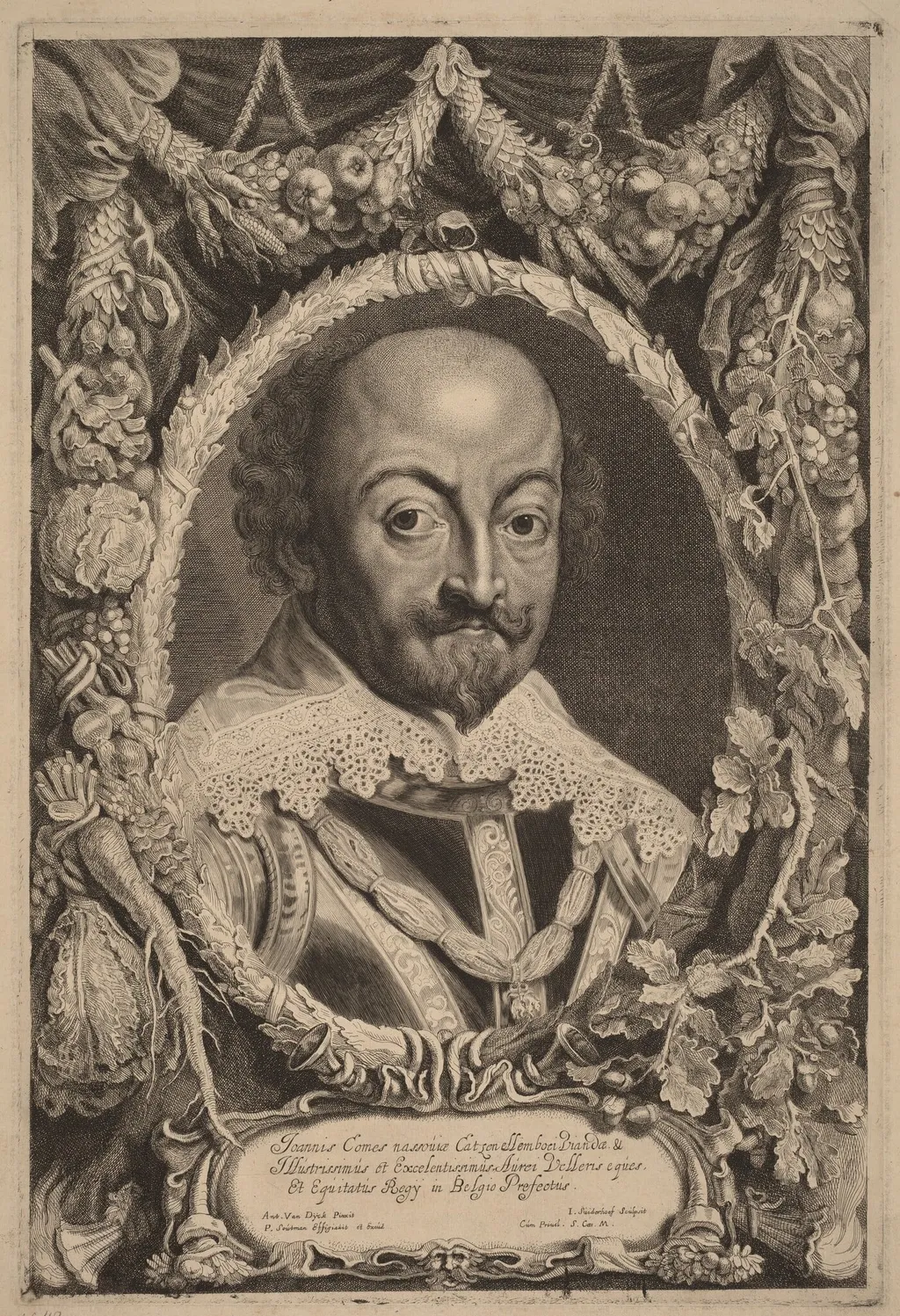
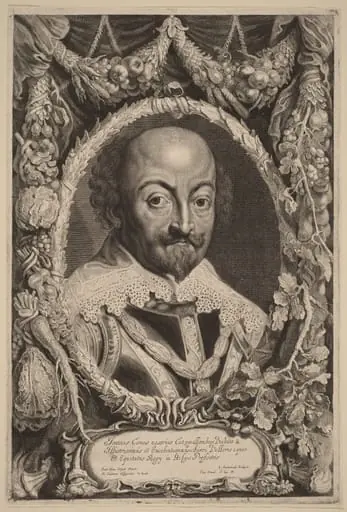
John, Count of Nassau is an ink print by the Baroque artist Jonas Suyderhoff. It dates from 1650 and is held in the collection of the National Gallery of Art.
About this work
Overview
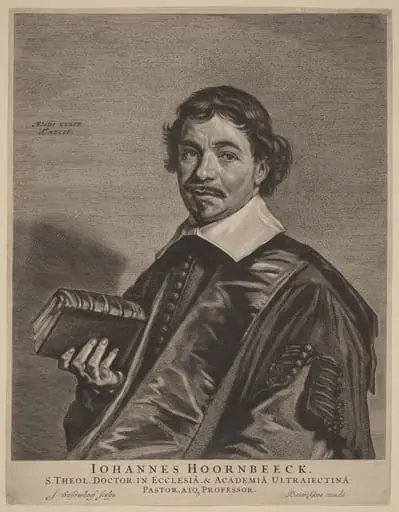
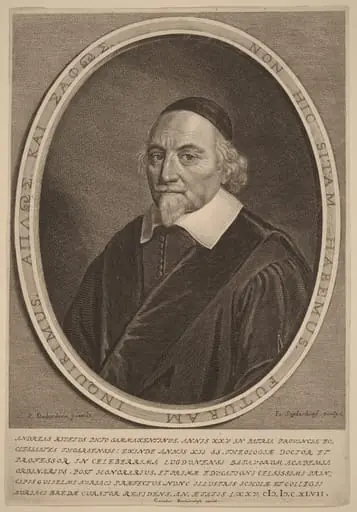
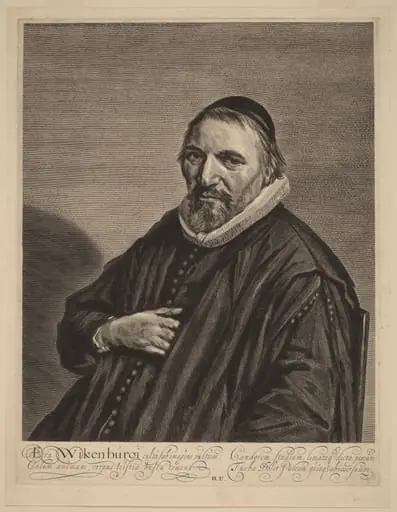
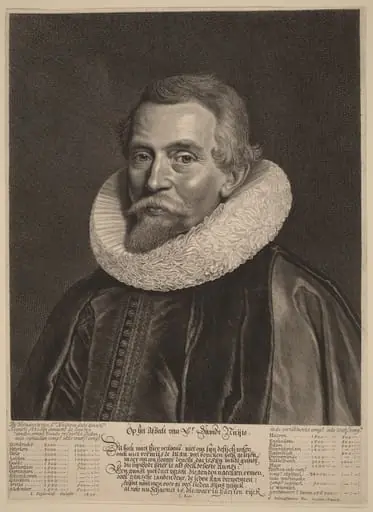
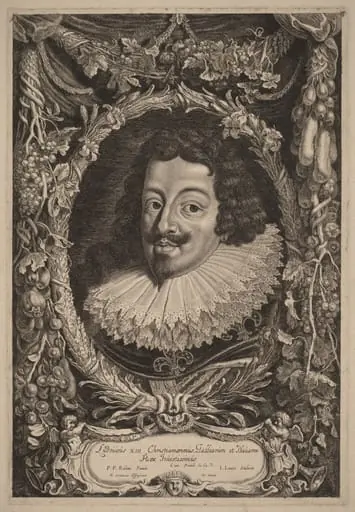
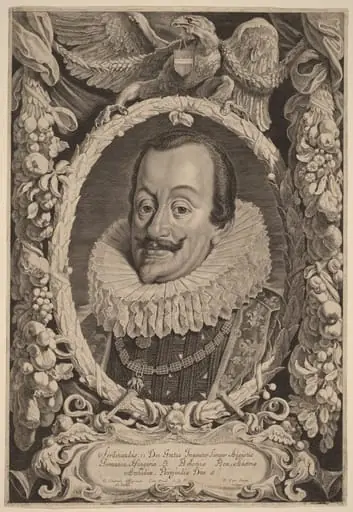
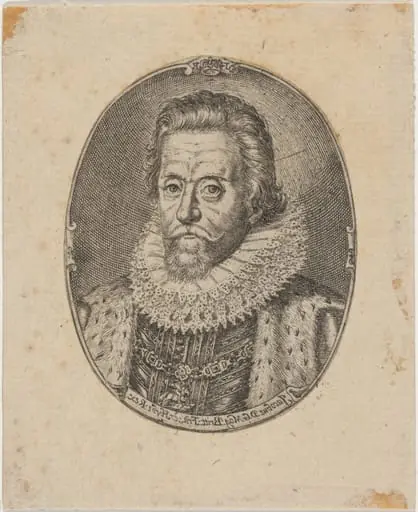
Jonas Suyderhoff’s 1650 etching depicts John, Count of Nassau, rendered in a solemn, confrontational pose. The figure occupies the central space, set against a muted backdrop that is subtly enlivened by ornamental foliage at the margins. The work’s compact scale and precise line work convey a sense of restrained authority appropriate to a noble portrait of the mid‑seventeenth century.
Subject & Meaning
The sitter is presented with dark hair, a neatly trimmed beard, and a dignified expression that meets the viewer’s gaze directly. Attired in a lace‑trimmed collar, a dark jacket over a crisp white shirt, the Count’s attire signals his aristocratic status while the serious demeanor underscores the period’s emphasis on gravitas and moral rectitude in portraiture.
Technique & Style
Executed as an etching on laid paper, the image relies on fine incised lines to model facial features and fabric textures. Suyderhoff employs delicate cross‑hatching to achieve tonal depth, especially in the shadowed background, while the surrounding vines are rendered with a lighter, more decorative hand, balancing realism with ornamental flourish typical of Baroque printmaking.
Context
Created during the height of the Dutch Baroque, the print reflects contemporary conventions for commemorating members of the high nobility. Portraits of this type were often circulated among courts and allies, serving both as records of lineage and as visual affirmations of political stature within the fragmented Holy Roman Empire.
Artist & collection