Artwork
Cardinal Jules Mazarin
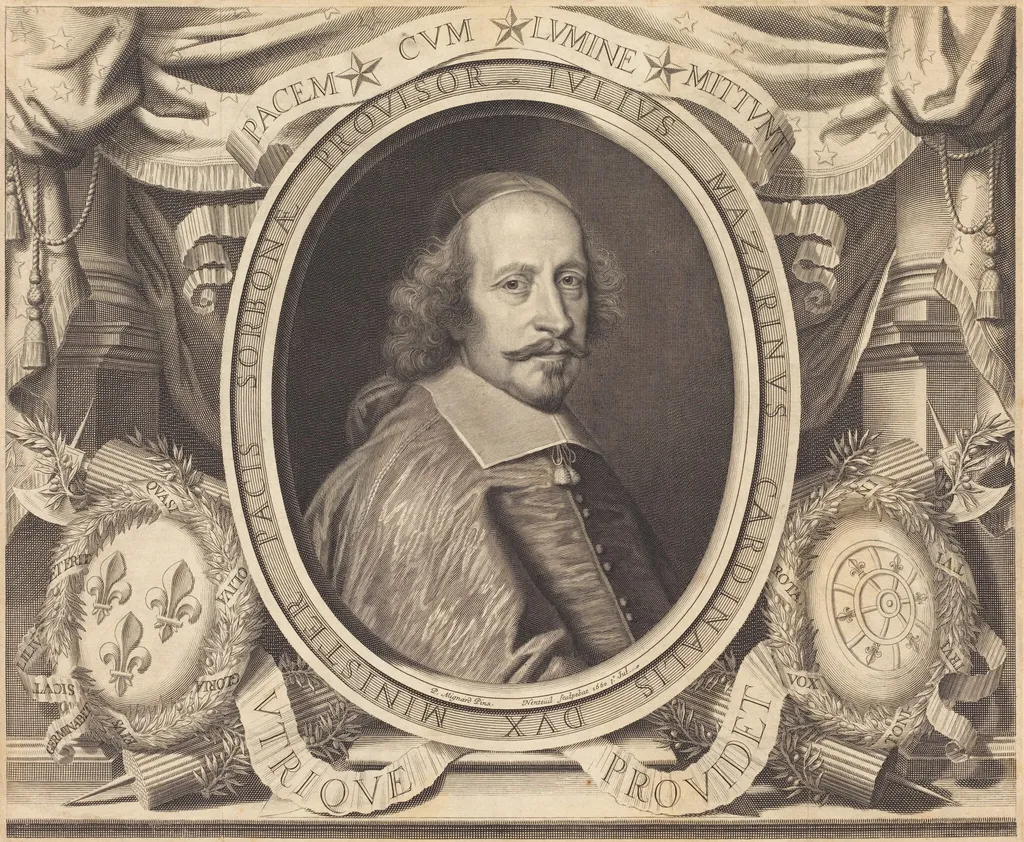
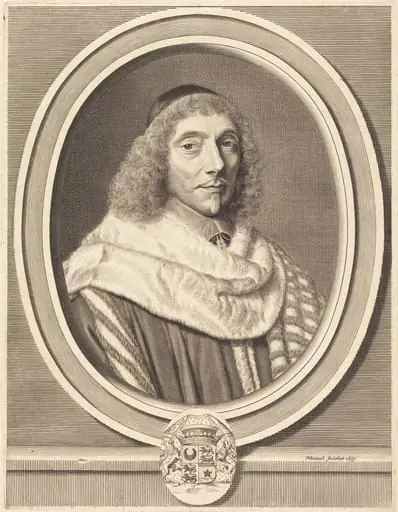
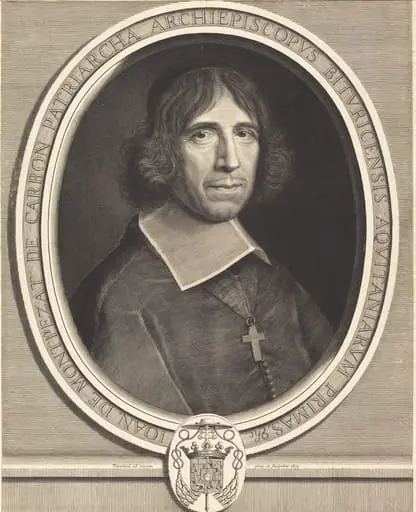
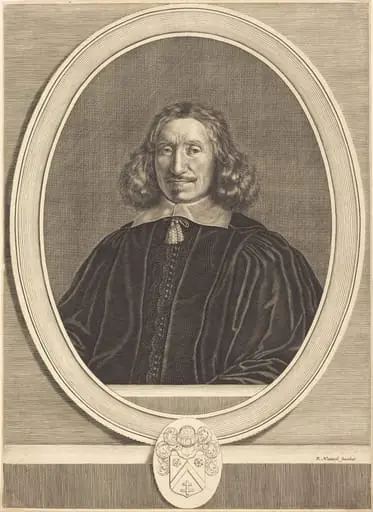
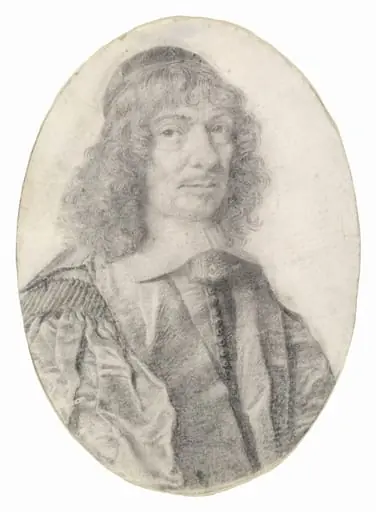
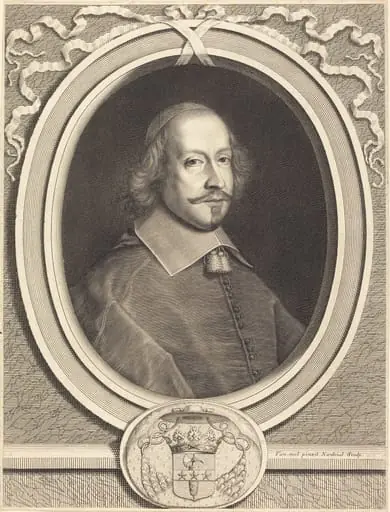
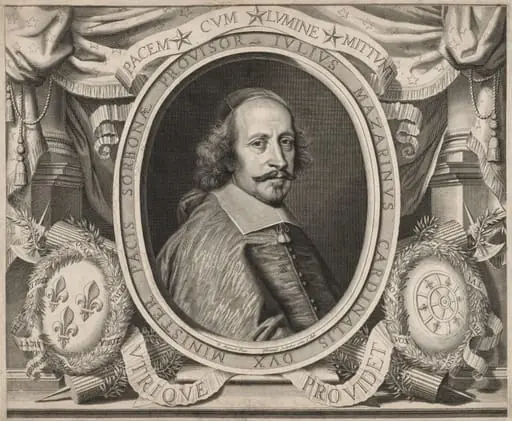
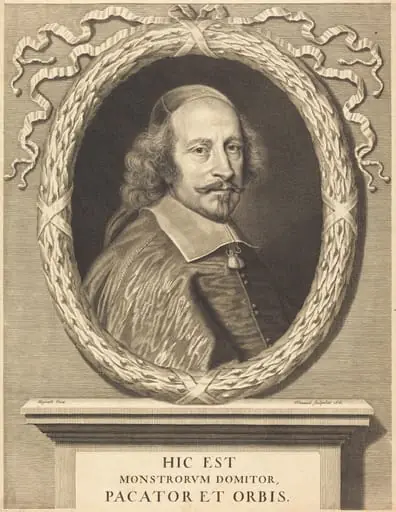
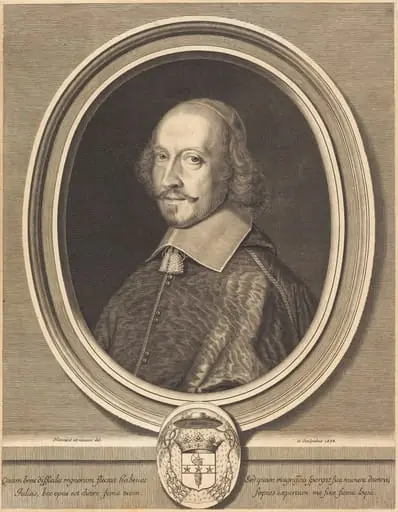
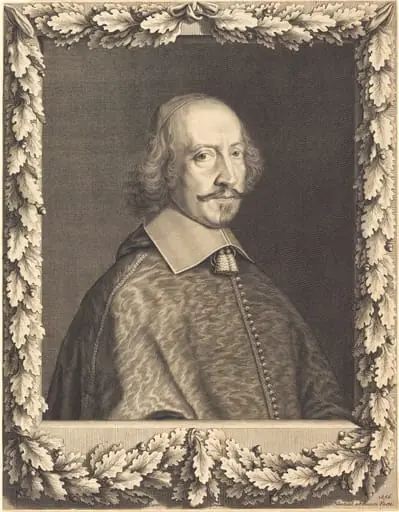
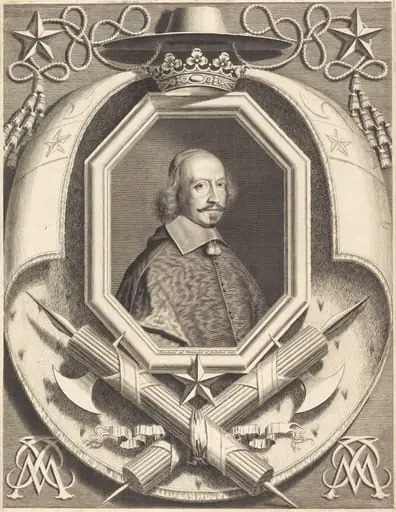
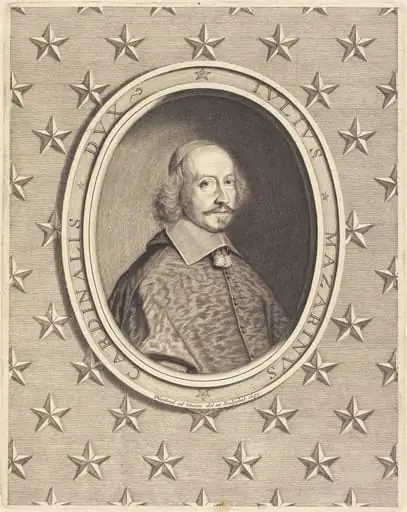
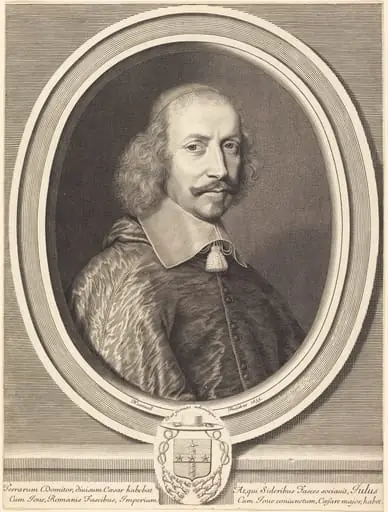
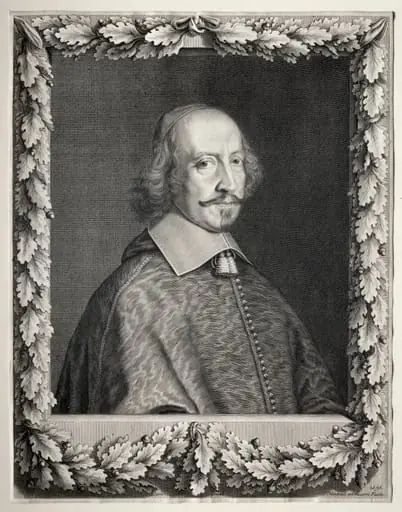
Cardinal Jules Mazarin is an ink print by the Baroque artist Robert Nanteuil. It dates from 1660 and is held in the collection of the National Gallery of Art.
About this work
Overview
Executed in fine line work on paper, the portrait reflects the precision and formality characteristic of courtly portraiture in mid-17th-century France.
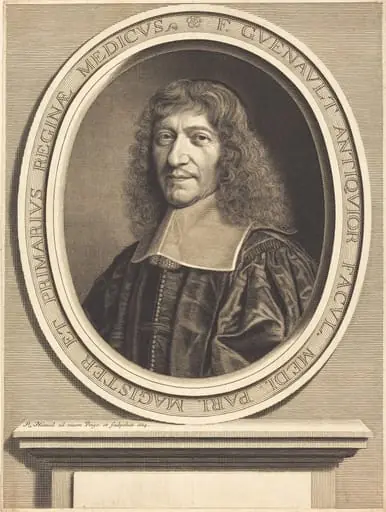
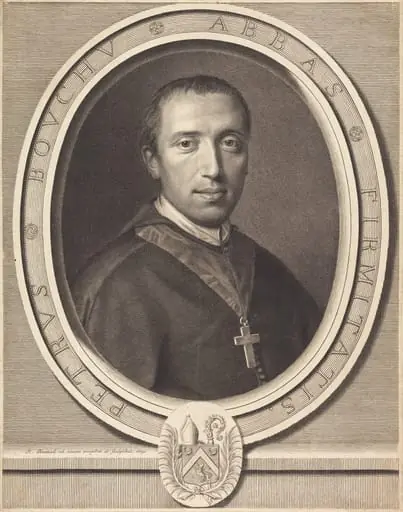
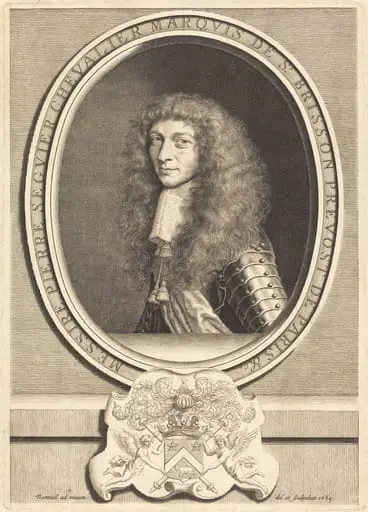
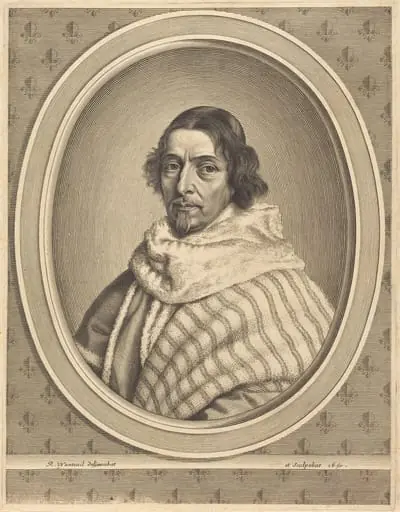
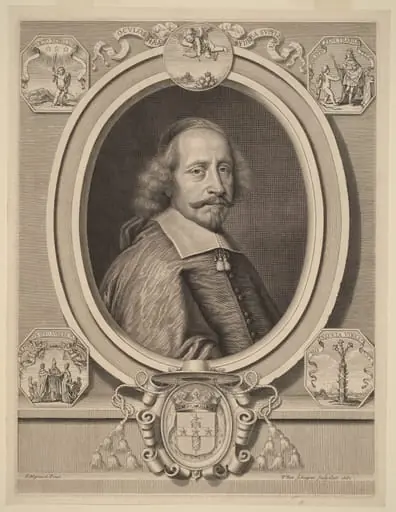
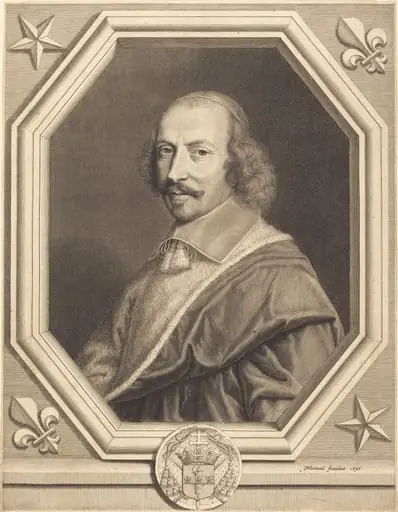
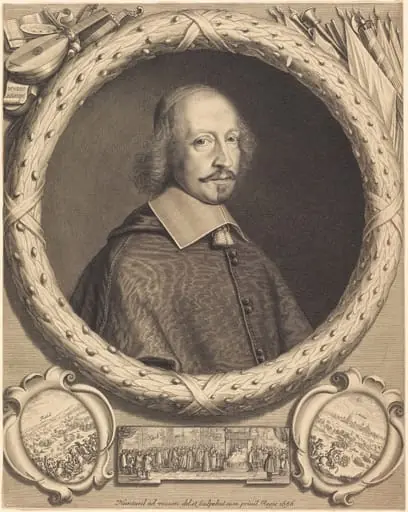
This 1660 engraving by Robert Nanteuil portrays Cardinal Jules Mazarin, chief minister to Louis XIV of France. Executed in fine line work on paper, the portrait reflects the precision and formality characteristic of courtly portraiture in mid-17th-century France. Nanteuil, renowned for his skill in capturing likeness through engraving, rendered Mazarin with restrained elegance, emphasizing his authority without overt grandeur.
Subject & Meaning
Mazarin, an Italian-born cardinal and de facto ruler of France during Louis XIV’s minority, is depicted with a composed, direct gaze that conveys political gravitas. His dark attire and crisp white collar signal clerical status and administrative power. The oval frame and ornamental foliage surrounding the image reinforce his elevated position, while the Latin inscription at the top likely identifies him by title and name, anchoring the portrait in official representation.
Technique & Style
Nanteuil employed fine, controlled engraving lines to model Mazarin’s features, capturing the texture of his curled hair and the sheen of fabric with subtle tonal gradations. The composition is tightly framed, focusing attention on the face and upper torso. Decorative elements—ribbons, acanthus leaves, and a cartouche—are rendered with delicate precision, reflecting Baroque conventions that balanced naturalism with symbolic embellishment.
History & Provenance
Created in 1660, near the end of Mazarin’s life and just before Louis XIV assumed full power, the engraving served as a formal image of the cardinal’s legacy. It was likely distributed among diplomats and courtiers to affirm his influence. The print’s survival in multiple institutional collections suggests it was widely reproduced and valued as a reliable likeness during and after his lifetime.
Context
In the context of French political culture, portraiture functioned as both documentation and propaganda. Nanteuil’s work aligned with the court’s emphasis on order and dignity. The Baroque style, with its emphasis on realism and symbolic detail, suited the needs of a regime consolidating authority. Mazarin’s image, though not flamboyant, carried the weight of statecraft through its quiet authority.
Legacy
Nanteuil’s engraving of Mazarin became a standard reference for later depictions of the cardinal. Its clarity and restraint influenced French portrait engraving for decades. Though Mazarin’s political role faded after his death, this image endured as a visual anchor for his historical presence, preserved in royal collections and academic archives as a model of dignified portraiture.
Artist & collection
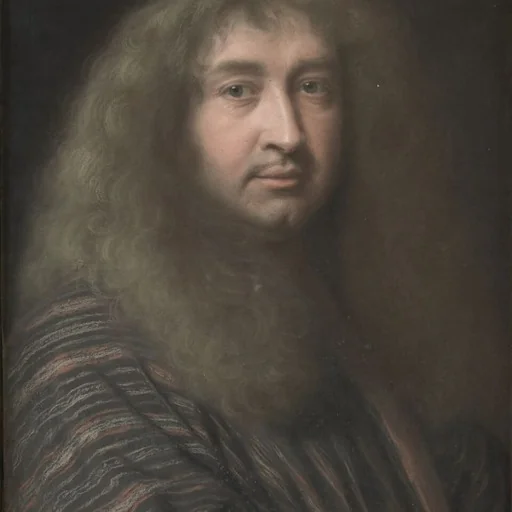
Artist
Robert Nanteuil (French pronunciation: ; 1623 – 9 December 1678) was a French portrait artist: engraver, draughtsman and pastellist to the court of Louis XIV.