Artwork
Gaspar de Guzman, Count of Olivares and Duke of San Lucas
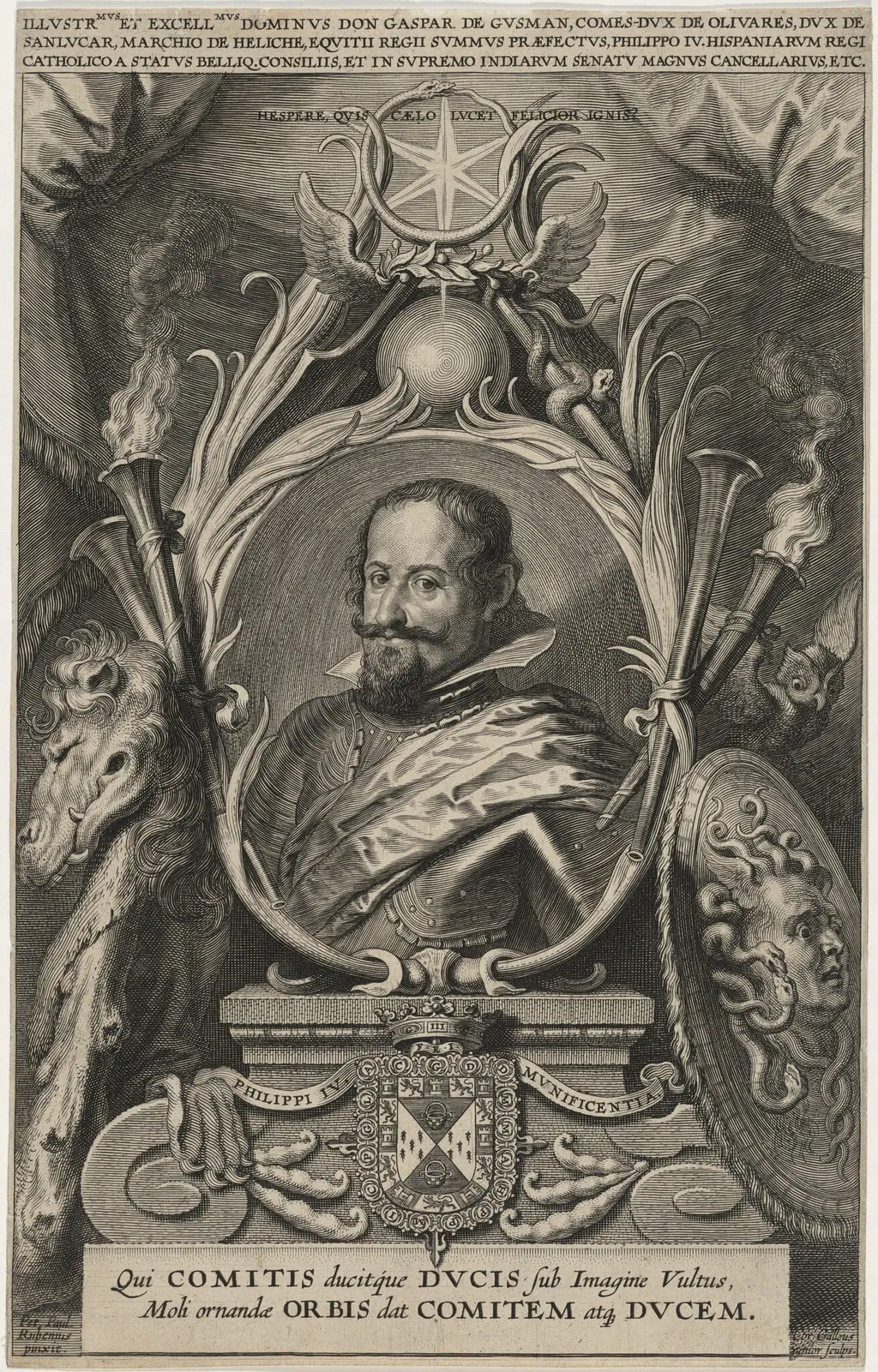
Gaspar de Guzman, Count of Olivares and Duke of San Lucas is an ink print by the Renaissance artist Cornelis Galle I. It dates from 1613 and is held in the collection of the National Gallery of Art. This early‑17th‑century print depicts Gaspar de Guzmán, a Spanish nobleman who held the titles Count of Olivares and Duke of San Lucas.
About this work
Overview
Executed as an engraving, the portrait presents the sitter in formal attire, including a broad hat and a flowing cape, his expression solemn and composed.
This early‑17th‑century print depicts Gaspar de Guzmán, a Spanish nobleman who held the titles Count of Olivares and Duke of San Lucas. Executed as an engraving, the portrait presents the sitter in formal attire, including a broad hat and a flowing cape, his expression solemn and composed. The work exemplifies the portraiture conventions of its period, emphasizing rank and dignified presence through careful line work.
Subject & Meaning
Gaspar de Guzmán, a prominent figure in the Spanish court, is rendered with the symbols of his status—elaborate clothing and a dignified pose—intended to convey authority and noble lineage. The serious facial expression and meticulous rendering of fabric suggest a focus on personal gravitas rather than narrative storytelling, aligning the image with the function of portraiture as a record of elite identity.
Technique & Style
The engraving, produced by Cornelis Galle the Elder, employs fine, intersecting lines to model facial features and the texture of textiles, creating a sense of depth and three‑dimensionality. Galle’s approach balances precision with a fluid hand, a hallmark of his training under his father Philip Galle and his later experience in Rome, resulting in a crisp yet subtly tonal surface typical of early Baroque printmaking.
History & Provenance
Created in 1613, the print was issued by Galle, who operated both as an engraver and a printseller in Antwerp after returning from a period of work in Rome. The portrait was likely produced for a Spanish patron or market, reflecting the cross‑regional networks of artists and collectors in the early modern period. Surviving copies are found in several European print collections, attesting to its distribution at the time.
Artist & collection

Artist
Cornelis Galle the Elder (1576 – 29 March 1650), a younger son of Philip Galle, was born at Antwerp in 1576, and was taught engraving by his father.

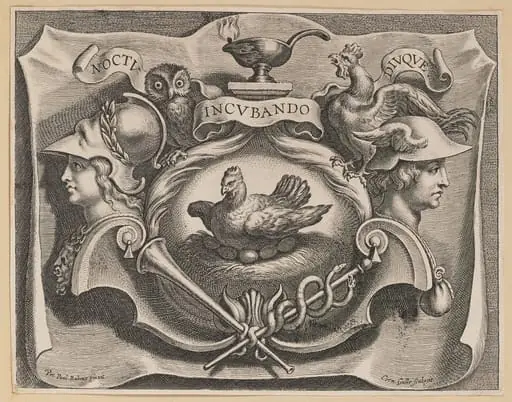 Vignette for the Title Page of Martinus Bonacina, Opera Omnia
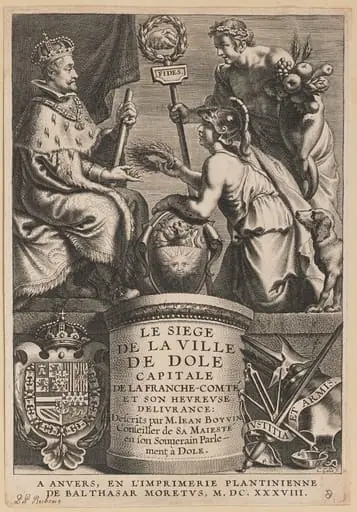 Title Page for Jean Boyvin, Le Siege de la Ville de Dole
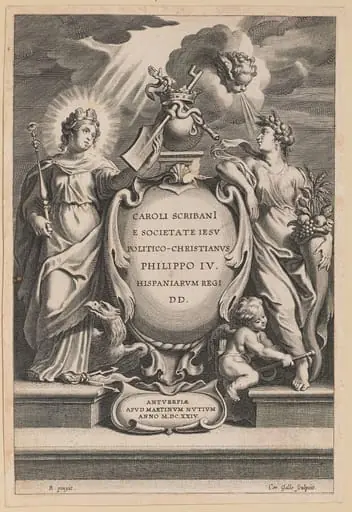 Title Page for Carolus Scribani, Politico-Christianus
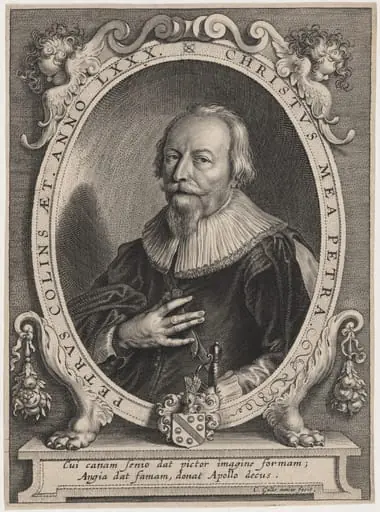 Petrus Collins
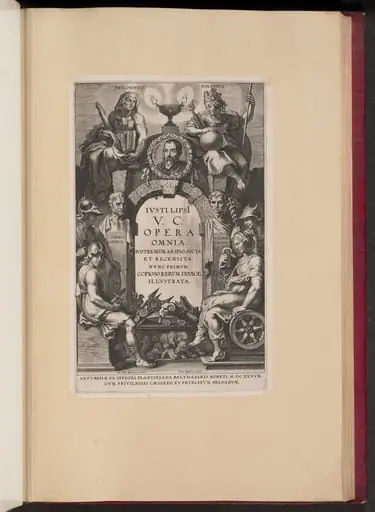 Title Page for Justus Lipsius, Opera Omnia, I
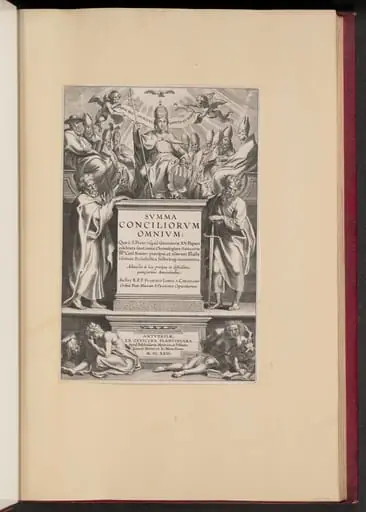 Title Page for F. Longo a Coriolano's "Svmma Conciliorvm Omnivm"
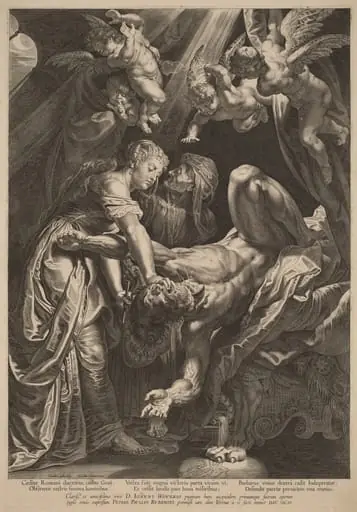 Judith Beheading Holofernes
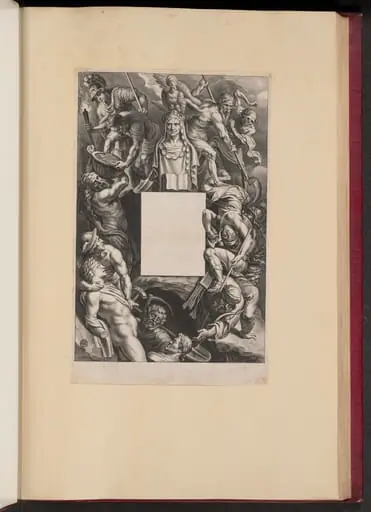 Title Page for Hubert Goltzius, Romanae et Graecae Antiqvitatis Monvmenta (Opera Omnia, I)