Artwork
Petrus Winsemius
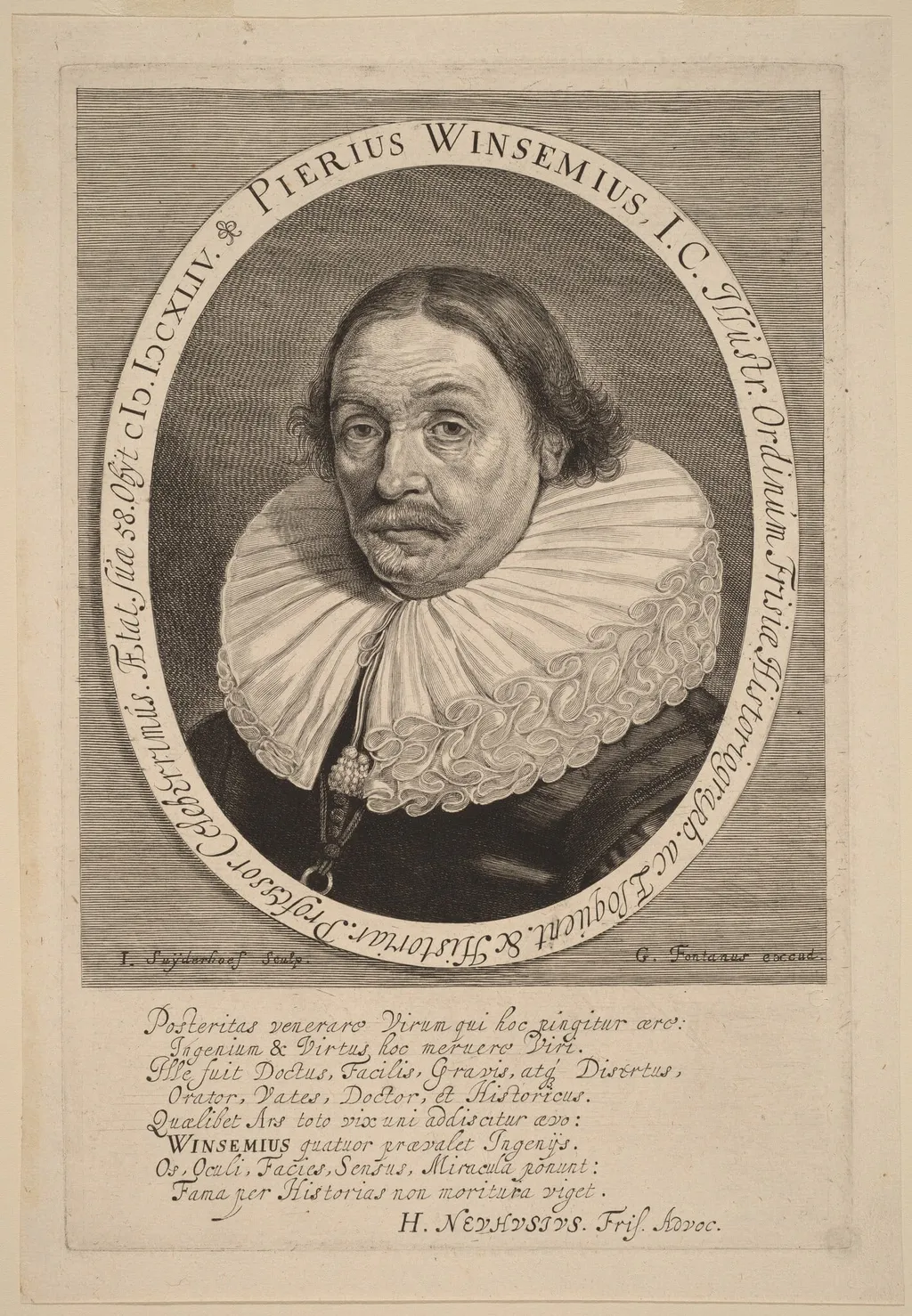
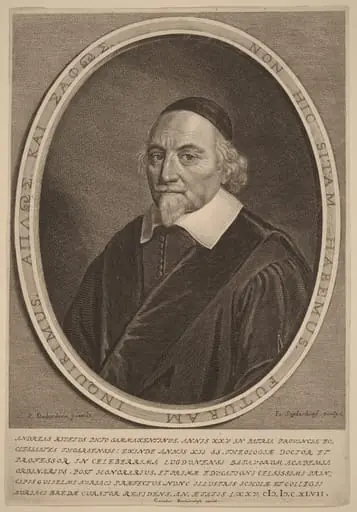
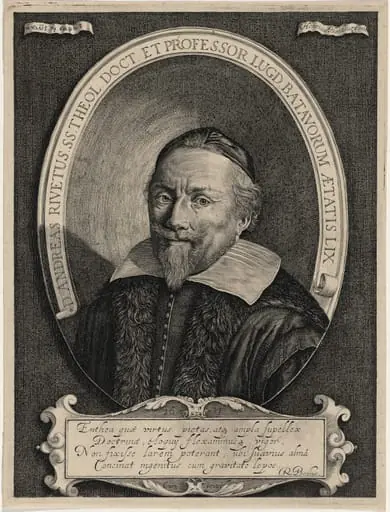
Petrus Winsemius is an ink print by the Baroque artist Jonas Suyderhoff. It dates from 1644 and is held in the collection of the National Gallery of Art.
About this work
Overview
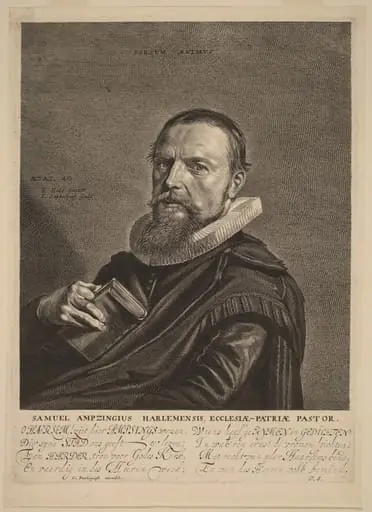
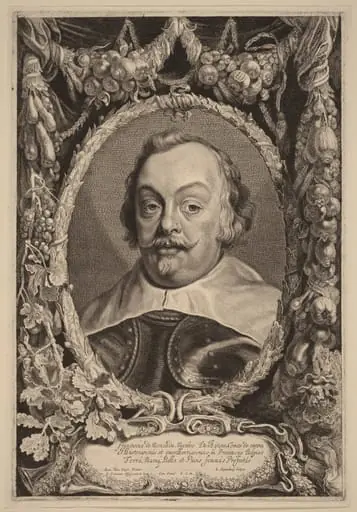
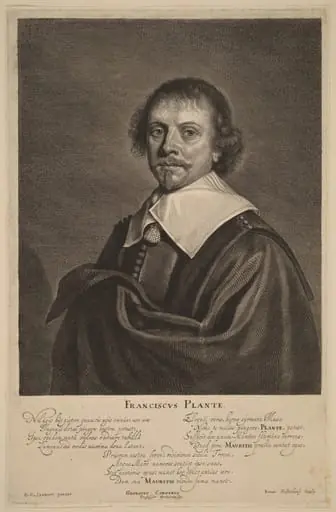
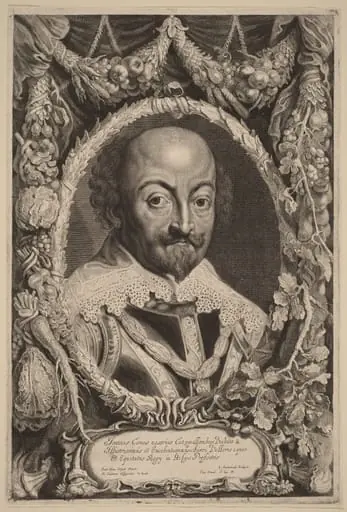
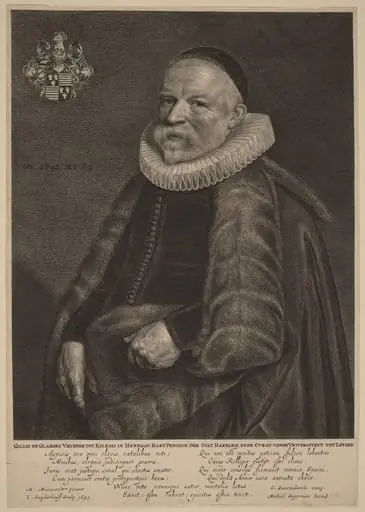
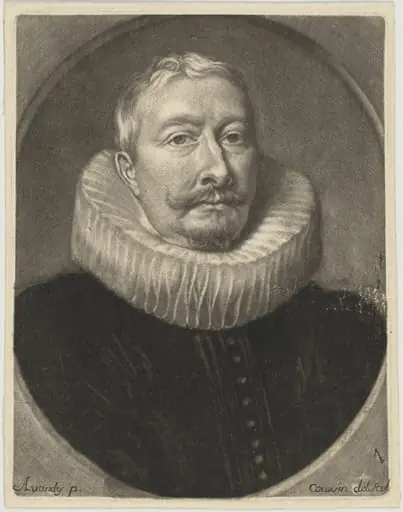
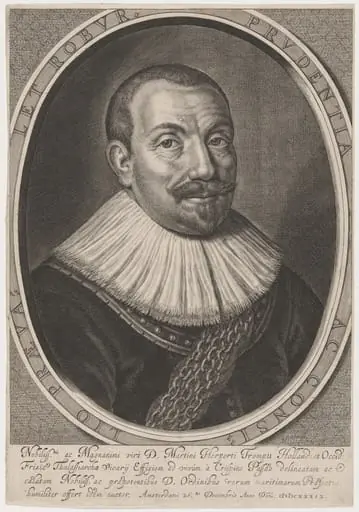
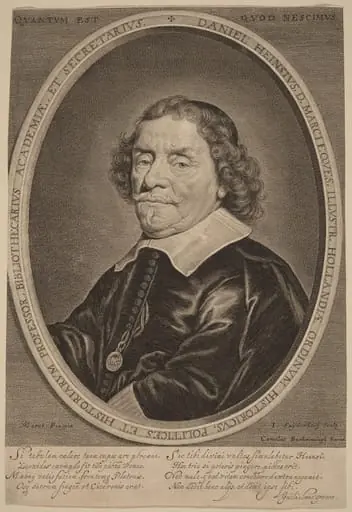
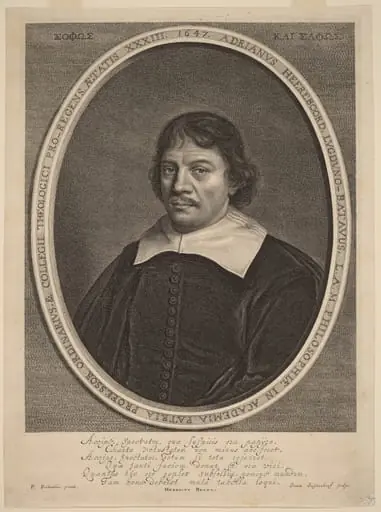
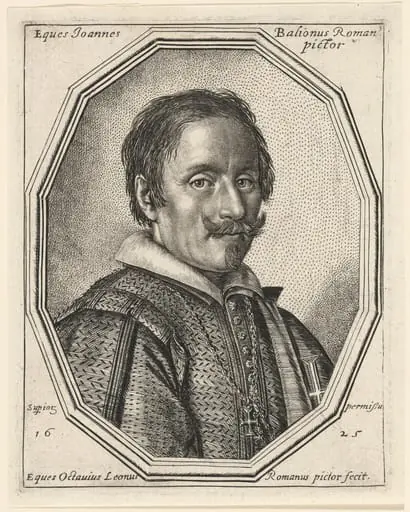
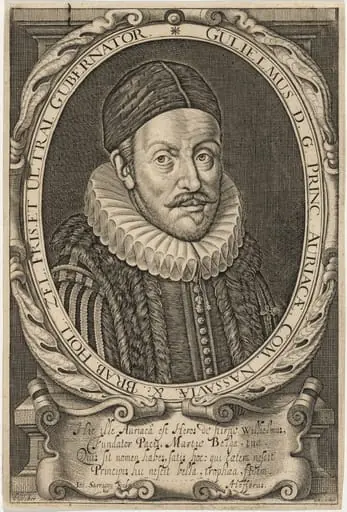
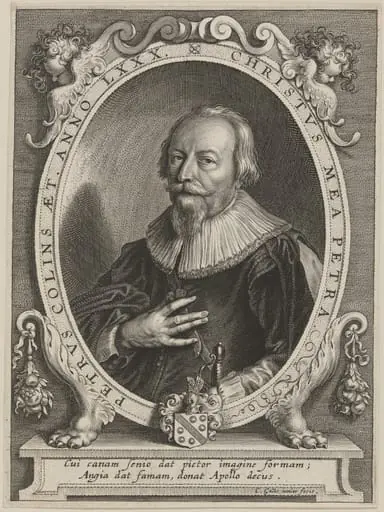
Created in 1644, this copperplate engraving by Jonas Suyderhoff presents a portrait of a dignified gentleman. Rendered entirely in black and white, the image centers on the sitter’s face within an oval frame, surrounded by his name at the top and a Latin commendation at the bottom. The plain backdrop eliminates distraction, directing attention to the finely rendered features.
Subject & Meaning
The portrait depicts a man with a neatly trimmed mustache, short hair, and a prominent ruff collar, suggesting a status associated with the mid‑seventeenth‑century Dutch bourgeoisie. The Latin inscription below praises his abilities, indicating that the sitter was likely recognized for professional or scholarly accomplishments, though the text does not specify his exact role.
Technique & Style
The restrained composition and monochrome palette reflect the period’s emphasis on realism and portraiture as a means of documenting identity.
Suyderhoff employed the traditional engraving method, incising delicate lines into a metal plate to achieve subtle gradations of tone. The artist’s use of fine cross‑hatching creates depth and shadow on the face, while the crisp outlines define the ruff and hair. The restrained composition and monochrome palette reflect the period’s emphasis on realism and portraiture as a means of documenting identity.
History & Provenance
The work is dated 1644, placing it in the later phase of Suyderhoff’s career when he produced several portrait prints for patrons in the Dutch Republic. No further ownership records are provided, but the presence of the sitter’s name and laudatory text suggests it may have been commissioned for personal or familial display.
Context
During the 1640s, Dutch portrait engravings served both as personal commemorations and as a means of circulating the likenesses of notable individuals. Engravings like this one were often distributed among peers, reinforcing social networks and professional reputations within the Republic’s thriving mercantile and intellectual circles.
Artist & collection